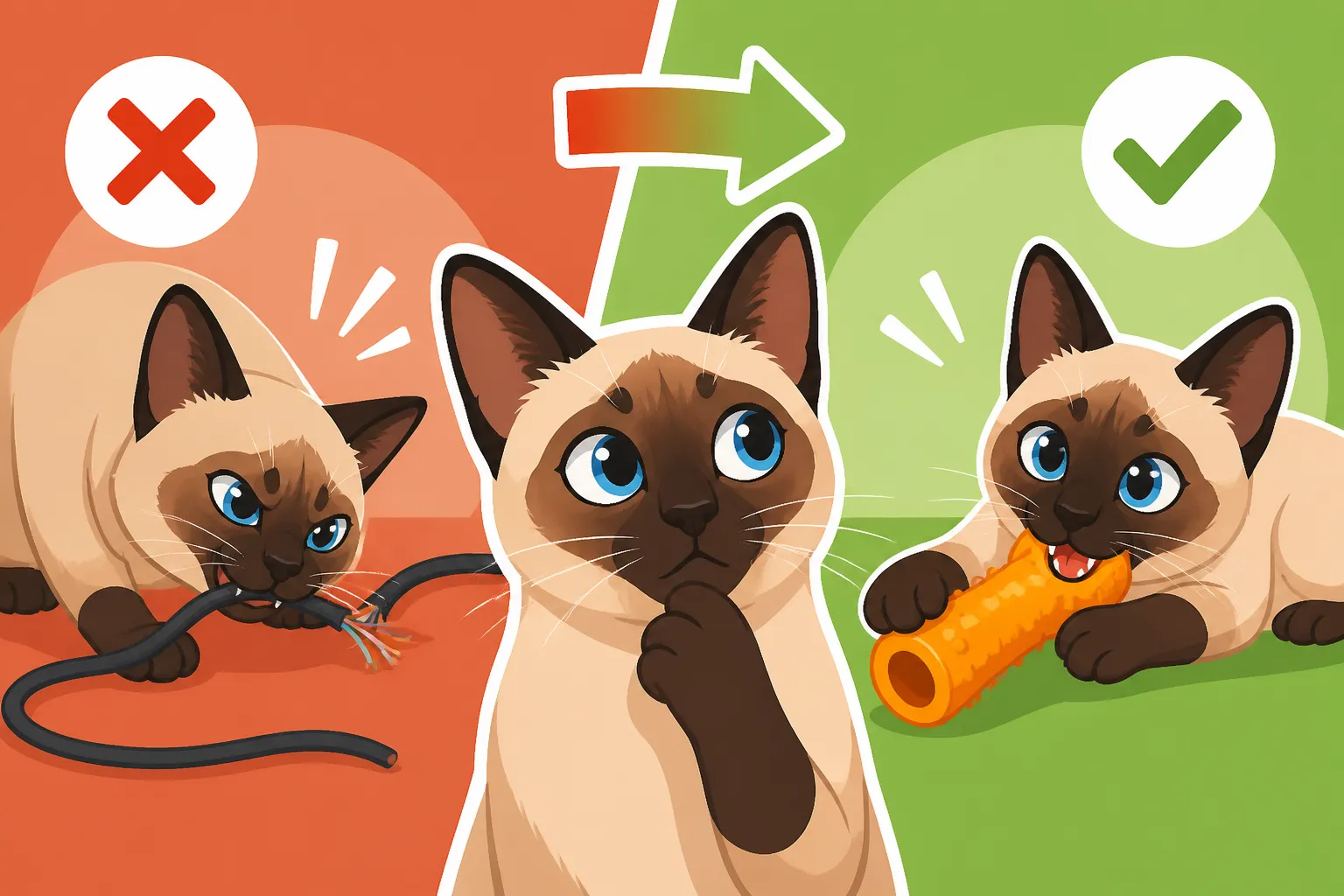
Whether a Chew Toy Redirects a Siamese Cat
It's disheartening, isn't it? You love your Siamese cat dearly, but sometimes their chewing habits can feel like a never-ending battle against your furniture, blankets, or even your favorite pair of headphones. You've probably wondered if a simple chew toy could be the magic solution to redirecting that intense, sometimes destructive, instinct. This guide will dive deep into whether chew toys can genuinely help manage a Siamese cat's urge to chew and how to make them an effective part of your enrichment strategy.
Understanding Your Siamese Cat's Unique Chewing Behavior
Siamese cats are famously intelligent, energetic, and, let's be honest, a little bit quirky. These traits, while endearing, often manifest in behaviors that can be perplexing for owners, especially when it comes to chewing. It's not just random mischief; there's usually a root cause behind their oral fixation.
The Nuances of Siamese Oral Fixations
Many Siamese cats exhibit a strong propensity for oral behaviors that go beyond typical kitten mouthing. This might include excessive licking, sucking, or outright chewing on non-food items. It’s not uncommon to find your Siamese kneading and nursing on a wool blanket, or even attempting to chew on the corner of a book or the strap of your purse. This isn't just a "cat thing"; it’s particularly prevalent in the Siamese breed and its close relatives. Often, this behavior, especially when it involves fabric, is referred to as "wool sucking" or "pica." While it can be adorable when they're little, it becomes problematic when they start ingesting fabric or destroying your belongings.
For some Siamese, this isn't just a comfort mechanism; it can be a manifestation of anxiety or boredom. Imagine a highly intelligent child with nothing to do – they're going to find something to occupy their mind, even if it's not ideal. A Siamese cat is much the same. If their active minds aren't stimulated, they might turn to chewing as a self-soothing or stimulating activity. You might notice this behavior escalates when you're away from home for extended periods, or if there's been a change in their routine. It's a cry for engagement, for comfort, or a way to burn off restless energy. For a deeper look, check out Why a Siamese Cat Sucks Wool.
When Chewing Crosses the Line into Concern
While some chewing is relatively harmless, such as a gentle gnawing on a sturdy toy, other instances can be genuinely dangerous. The biggest concern is ingestion, especially of soft fabrics or small, easily broken-off pieces of plastic. If your Siamese cat is chewing on items like blankets, socks, shoelaces, or electrical cords, there's a serious risk. These items are not designed for consumption and can lead to gastrointestinal blockages, which are medical emergencies.
Signs that chewing has become a serious concern might include vomiting, lethargy, a decreased appetite, or straining to defecate. If you suspect your Siamese has ingested something problematic, a trip to the vet is immediately necessary. Never underestimate their ability to swallow surprising items. For some cats, this compulsive ingestion of non-food items, known as pica, is more than just a bad habit; it can be a sign of underlying nutritional deficiencies, dental pain, or even neurological issues. It’s crucial to understand Whether Pica Is a Medical Problem in a Siamese Cat to rule out any health complications. Recognizing Signs a Siamese Cat Has an Intestinal Blockage can be life-saving.
The World of Chew Toys: Are They a Fit for Siamese?
Given their specific chewing tendencies, can a chew toy actually be an effective tool for redirecting a Siamese cat? The answer is nuanced, but generally, yes – with the right approach and the right toy. Not all chew toys are created equal, especially when catering to the discerning and often intense Siamese.
Identifying the Ideal Chew Toy for Your Siamese
Choosing a chew toy for a Siamese isn't like picking up any old rubber ball. You need something that can withstand their strong jaws, appeal to their instincts, and be safe. Here’s a breakdown of what to look for and the types available:
- Durability is Key: Forget flimsy plastic. Siamese cats often have a powerful bite and can quickly destroy less robust toys, potentially ingesting small pieces. Look for toys made from tough rubber, durable silicone, or tightly woven, non-toxic natural fibers. Manufacturers like Kong make some excellent, robust options that can stand up to serious chewing.
- Texture Matters: A variety of textures can keep a Siamese engaged. Some might prefer smooth, firm surfaces, while others enjoy nubs, ridges, or softer, more pliable materials. Toys designed for dental health, with textures that massage gums and clean teeth, are often a hit.
- Size and Shape: The toy should be large enough not to be swallowed whole, but small enough for your cat to get their mouth around comfortably. Interesting shapes can also make a toy more appealing, as they might offer different angles for chewing or make it more fun to bat around.
- Infusion and Scent: Catnip-infused toys are an obvious choice, as the scent alone can draw a cat's interest. Some toys have compartments where you can insert treats or a little bit of catnip, adding an extra layer of enticement. You can find a vast array of these on platforms like Amazon, offering different sizes and materials.
Consider your cat’s specific preference. If they usually go for soft fabrics, a plush toy made from sturdy, tightly woven material might be a good starting point, as long as it’s designed to be chewed and is not easily shredded. If they prefer harder surfaces, a firm rubber toy or even a specifically designed "dental chew" could be ideal.
Comparing Chew Toy Types for Siamese Cats
Here's a quick comparison of popular chew toy types and their potential pros and cons for your Siamese:
| Chew Toy Type | Pros for Siamese Cats | Cons for Siamese Cats | Best For (Siamese Tendency) |
|---|---|---|---|
| Durable Rubber | Resists intense chewing, often good for dental health | Can be ignored if not appealing, some are too hard | Aggressive chewers, cats needing dental stimulation |
| Silicone Chews | Flexible, gentle on teeth, easy to clean, non-toxic | May not satisfy very aggressive chewers, less texture | Moderate chewers, cats sensitive to hard textures |
| Catnip-Infused | Highly appealing scent, encourages initial interest | Scent fades, some are not durable enough for chewing | Cats needing initial engagement, mild chewers |
| Dental Chews | Designed to clean teeth, often textured and durable | Can be expensive, some cats don't like the texture | Cats with plaque build-up, those needing oral stimulation |
| Tightly Woven Plush | Mimics fabric for wool suckers, softer texture | Must be very durable to avoid ingestion | Cats with wool-sucking tendencies (use with caution and supervise) |
| Interactive/Puzzle | Engages mind and mouth, dispenses treats for reward | Can be complex to set up, not purely a "chew" toy | Intelligent cats, those needing mental enrichment |
Remember, the best chew toy is one your cat actually uses and that is safe for them. Sometimes you have to experiment a bit to find the perfect match.
Strategies for Successful Redirection with Chew Toys
Simply buying a chew toy and placing it in front of your Siamese cat isn't usually enough. These intelligent creatures need a bit more persuasion and strategy to fully embrace the new chewing object. The goal is to make the chew toy more appealing than your sofa or your favorite sweater.
Introducing Chew Toys Effectively
The introduction phase is critical. Think of it like training: you want to associate the chew toy with positive experiences.
- Scent Attraction: Cats are highly driven by scent. Try rubbing a bit of catnip on the chew toy, or if it has a hollow space, fill it with catnip or a favored treat. You can even rub your scent on it initially to make it feel more familiar and comforting.
- Playtime Integration: Don't just leave the toy lying around. Make it interactive! Dangling it, wiggling it, or tossing it gently can pique your Siamese's interest. If they start to chew or mouth it during play, offer verbal praise and gentle petting. This positive reinforcement reinforces that the chew toy is a good thing. Many interactive toys from brands on Amazon come with ideas for play.
- Strategic Placement: Place the chew toy in areas where your Siamese typically exhibits their chewing behavior. If they always try to chew the arm of that armchair, put the chew toy right there. If they love to chew a specific blanket on your bed, place a chew toy on the blanket. This direct replacement can help redirect their attention at the moment of impulse.
- Gradual Transition: If your Siamese is particularly attached to chewing a specific forbidden item, try a gradual transition. For example, if they love to chew wool blankets, place a tightly woven, durable chew toy (designed to mimic fabric safely) next to or on their favorite blanket. Over time, you can slowly remove the original item as they become more accustomed to the toy.
Remember, patience is key. Your Siamese might not instantly adopt the chew toy, but consistent, positive interaction will improve your chances of success.
Encouraging Consistent Use and Maximizing Engagement
Once you've introduced the chew toy, the next step is to ensure your Siamese continues to use it. This involves making it an integral and exciting part of their environment.
- Rotation is Your Friend: Cats, especially intelligent Siamese, can get bored easily. Don't leave all the chew toys out all the time. Rotate them every few days or weekly. Having a fresh, "new" toy appear can reignite their interest. This is a great way to keep them engaged, and you can stock up on a variety of different textures and types from places like Amazon.
- Positive Reinforcement: Every time you see your Siamese engaging with the chew toy, offer praise, a gentle stroke, or even a tiny, healthy treat. You want them to associate the toy with good feelings and attention from you. Never punish them for chewing on inappropriate items; instead, redirect them gently to the approved chew toy and reward that behavior.
- Combining with Mealtime: For some cats, especially those with food-related chewing, a puzzle feeder that also functions as a chew toy can be a brilliant solution. Fill a durable rubber chew toy with a soft, palatable treat or a bit of their regular wet food. The act of licking and gnawing to get the food out can satisfy their oral fixation and provide mental stimulation. Whether a Puzzle Feeder Occupies a Siamese Cat provides more insights into this strategy.
- Beyond Chewing: Holistic Enrichment: While chew toys are great, remember that a Siamese cat needs comprehensive enrichment. This includes plenty of interactive playtime, opportunities for climbing and exploring, and mental challenges. A tired, stimulated Siamese is less likely to resort to destructive chewing out of boredom or frustration. Consider their overall needs, which often involve significant interaction, as discussed in How Much Play a Siamese Cat Needs.
By making chew toys a fun, rewarding, and regularly refreshed part of their daily life, you significantly increase the chances of successfully redirecting their chewing habits.
When Chew Toys Aren't Enough: Broader Solutions
Sometimes, even the most appealing chew toys and the best redirection strategies aren't enough to curb a Siamese cat's persistent or problematic chewing. In these cases, it's important to look at the bigger picture and consider other contributing factors and solutions.
Addressing Underlying Issues: Boredom, Stress, and Anxiety
Many Siamese cats develop destructive habits, including chewing or wool sucking, due to unmet needs for mental and physical stimulation, or as a response to stress and anxiety. These highly sensitive and intelligent cats thrive on routine and interaction.
- Environmental Enrichment: Is your cat's environment engaging enough? Siamese cats love to climb, explore, and observe. Investing in vertical spaces like cat trees, shelves, or even a catio can provide much-needed outlets for their energy and curiosity. Interactive toys that mimic prey, like feather wands or laser pointers (used responsibly), can also burn off excess energy. A bored Siamese might very well turn to your curtains or cables for "fun." Dive deeper into What a Bored Siamese Cat Destroys for more ideas.
- Mental Stimulation: Siamese cats are smart, and they need their brains worked. Puzzle feeders, as mentioned before, are excellent for this. Teaching them tricks with clicker training can also provide a wonderful mental workout and strengthen your bond. Remember, a stimulated mind is often a calmer mouth.
- Companionship: Siamese cats are known for being incredibly social. If your Siamese spends a lot of time alone, they might develop separation anxiety or intense boredom, leading to destructive behaviors like excessive chewing. Sometimes, the best solution is a companion cat, especially another active, social breed. Consider if A Siamese Cat Should Not Live Alone applies to your situation.
- Stress Reduction: Changes in routine, new pets, moving house, or even loud noises can stress a Siamese cat. If chewing coincides with a stressful event, try to identify and mitigate the stressor. Pheromone diffusers, calming supplements, and maintaining a consistent routine can help. In some cases, chronic stress can even lead to physical manifestations like What Psychogenic Alopecia Does to a Siamese Cat, where overgrooming or chewing can result in bald patches. Understanding How Psychogenic Alopecia in a Siamese Cat Is Treated can offer insights into managing stress-related behaviors.
The Critical Role of Veterinary Consultation
If you've tried everything – a variety of chew toys, enrichment, addressing potential stressors – and your Siamese cat is still compulsively chewing, especially if they are ingesting items, it's time for a professional assessment. Your veterinarian can rule out any underlying medical conditions that might be contributing to the behavior.
- Dental Issues: Painful teeth or gums can sometimes trigger excessive chewing as a cat tries to alleviate discomfort. A thorough dental exam can identify issues like gingivitis, tooth resorption, or other oral pain that needs attention.
- Nutritional Deficiencies: While less common with high-quality commercial cat foods, some cats might chew on non-food items due to a lack of certain nutrients. Your vet can advise on diet and supplements if this is suspected.
- Gastrointestinal Problems: Underlying GI issues, such as inflammatory bowel disease or parasites, can sometimes manifest as pica or unusual eating/chewing behaviors.
- Anxiety Medication: In severe cases of anxiety-driven pica or wool sucking that don't respond to environmental and behavioral modifications, your vet might discuss anti-anxiety medications. These are usually a last resort but can be life-changing for some cats and their owners, often used in conjunction with behavioral therapy.
Never hesitate to consult your vet. They are your best resource for diagnosing and treating persistent behavioral problems that might have a medical root.
Environmental Management: Your First Line of Defense
While working on redirection and addressing root causes, environmental management is crucial for your Siamese's safety and your sanity.
- Cat-Proofing: This is essentially making tempting, dangerous, or valuable items inaccessible. Put away electrical cords, hide important papers, store clothing in drawers, and keep house plants (many are toxic!) out of reach. This might mean reorganizing your home a bit, but it's vital for preventing ingestion and damage. For comprehensive advice, see How to Stop a Siamese Cat Eating Fabric.
- Safe Alternatives: If your Siamese has a particular "forbidden" item they love to chew (like a specific type of blanket or a plastic bag), try to find a safer, similar alternative. For instance, if they love plastic bags, perhaps a crinkly, durable crinkle ball toy might satisfy that sensory need. You can find a wide range of these stimulating toys on Amazon.
- Bitter Sprays: For items that cannot be removed or hidden (like furniture legs), bitter-tasting sprays can act as a deterrent. However, these only work if your cat dislikes the taste, and some determined Siamese will simply ignore them. Always test a small, inconspicuous area first to ensure it doesn't stain.
By combining chew toys with a deep understanding of your Siamese cat's needs, veterinary guidance when necessary, and smart environmental management, you can effectively redirect their chewing habits and ensure a happier, safer life for both of you.
Disclaimer
This article is for general informational purposes only and does not constitute professional advice. Laws, prices and regulations vary by location and change over time. Consult a qualified professional for guidance on your specific situation.