Whether a Siamese Cat Can Be Left Overnight
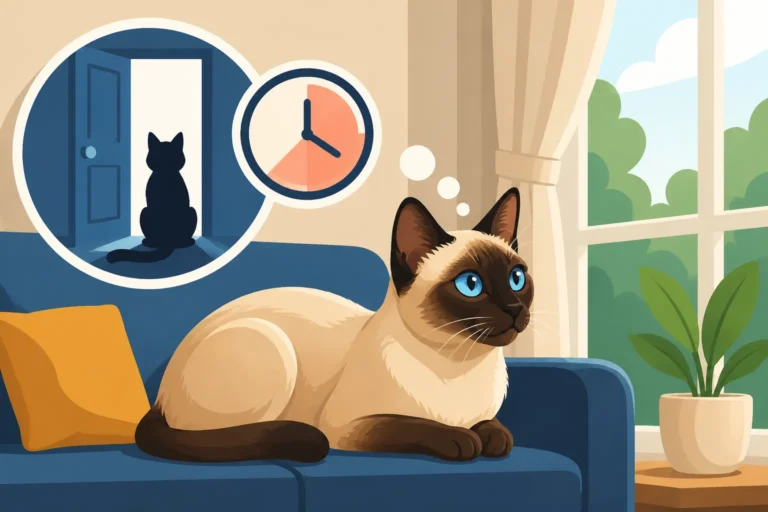
Leaving your beloved Siamese cat alone overnight can feel like a huge dilemma, especially if you're picturing their expressive face and hearing their characteristic "meezer yowl" in your head. It's a common worry for Siamese owners, given these cats are notorious for their deep attachments and need for interaction. This guide will walk you through the realities of leaving your Siamese cat alone for a night, what to consider, and how to make sure they're safe, happy, and well-cared for in your absence.
Understanding Your Siamese Cat's Need for Companionship
Siamese cats aren't your typical aloof felines. They're often described as dog-like in their loyalty and desire for attention, which can make any separation feel particularly daunting. It’s this unique personality that often leaves owners wondering if their Siamese can truly cope with solitude.
The Siamese Cat's Unique Personality and Social Needs
From the moment you bring a Siamese into your home, you quickly realize they are not just pets; they are active, vocal, and incredibly involved family members. They follow you from room to room, "talk" to you about their day, and often demand to be part of whatever you're doing. This isn't just a quirk; it's a fundamental part of their breed's temperament. They thrive on interaction and routine. Imagine a friend who loves to chat, always wants to know what you're up to, and needs frequent reassurance – that's often a Siamese in a nutshell.
This profound social drive means they genuinely miss you when you're not around. It's not just about getting fed; it's about the companionship, the conversation, the shared moments of lounging on the couch. Because of this, leaving them alone can sometimes lead to feelings of loneliness or anxiety for them, particularly if they are not accustomed to long stretches without human interaction. This is why many Siamese owners often consider getting a second cat to ensure their feline companion always has someone to interact with, even when humans are busy or away. Whether a Siamese Cat Is Happier in a Pair explores this idea further, and many owners find that a companion cat, especially another Siamese, can alleviate much of the stress of being alone.
Signs Your Siamese Cat Experiences Separation Anxiety
While every cat is an individual, Siamese cats are certainly more prone to manifesting signs of stress or anxiety when left alone for extended periods compared to some other breeds. It’s crucial to know what to look for, so you can tailor your approach. Common indicators of separation anxiety might include excessive vocalization, beyond their usual chatty nature – think mournful yowling or constant meowing. You might come home to find they've been pacing, or perhaps they've started destructive behaviors like scratching furniture they normally wouldn't touch, or even inappropriate urination or defecation outside the litter box. Some Siamese cats might over-groom themselves, licking patches of fur until they're bare, which is a classic stress response.
Another sign can be a change in eating habits. Anxious cats might refuse to eat while you're gone, only to gobble everything down ravenously once you return, or they might even overeat out of stress. Pay attention to how they greet you when you return; an overly frantic greeting, clinging, or continued vocalization might indicate they struggled with your absence. These behaviors aren't about being "naughty" or "vindictive"; they're genuine cries for help and indicators of distress. Understanding What Separation Anxiety Looks Like in a Siamese Cat can help you recognize these signals more clearly and respond appropriately.
Preparing Your Home for an Overnight Absence
If you do need to leave your Siamese cat overnight, preparation is key to minimizing their stress and ensuring their safety and well-being. It's not just about putting down extra food; it's about creating an environment that feels as secure and engaging as possible.
Food, Water, and Litter Box Logistics
This might seem obvious, but it's where many well-meaning owners fall short. A single bowl of dry food for 24 hours just isn't enough, especially for a cat that thrives on routine meals. Invest in a timed automatic feeder, which you can easily find on Amazon. These feeders can dispense specific portions at scheduled times, mimicking their regular feeding schedule and providing a comforting routine. This prevents overeating if they're prone to it, or ensures they get food even if they're too anxious to eat everything at once. If your Siamese typically eats wet food, you can get timed feeders that have ice packs underneath to keep the food fresh for a few hours, though for a full overnight stay, dry food in an auto-feeder might be more practical.
Water is equally critical. Always provide multiple water sources. A large, heavy ceramic bowl filled to the brim is a good start. Even better, consider a pet water fountain, available widely on Amazon. Many cats, including Siamese, prefer drinking from running water, and a fountain encourages better hydration. Ensure it’s clean and full before you leave. Finally, litter boxes. Never, ever leave just one litter box for a whole day, let alone overnight. The general rule is one box per cat, plus one extra. For an overnight stay, ensure all litter boxes are scooped meticulously clean before you depart. A dirty litter box can lead to accidents outside the box, which is stressful for both you and your cat upon your return. Make sure they are placed in easily accessible, private locations. You might also want to review Litter, Water and Boxes for a Siamese Cat for more in-depth advice on these essential items.
Entertainment and Safety Measures
A bored Siamese is a mischievous Siamese, and a stressed Siamese can be even more so. To combat boredom and anxiety, provide plenty of enrichment. Interactive toys, such as puzzle feeders (again, readily available on Amazon), can keep their minds engaged while you're away. Fill them with a small amount of their favorite treats or kibble. A variety of toys, including wand toys (safely stored away when not in direct supervision), crinkle balls, and springs, should be left out. Rotate their toys before you leave to keep things fresh and exciting. Consider vertical space: a tall cat tree or accessible shelves provide climbing opportunities and lookout points, which are crucial for a cat's mental well-being. Enrichment for a Siamese Cat That Gets Bored in an Hour gives excellent ideas for keeping these clever cats occupied.
Safety is paramount. Before you leave, do a thorough sweep of your home. Put away anything that could be dangerous: small objects they might swallow, toxic plants, medications, or anything chewable that could cause an obstruction. Secure cabinets and close doors to rooms you don't want them in. Unplug unnecessary electronics to prevent fire hazards. If your Siamese is known for Why a Siamese Cat Sucks Wool, ensure all blankets, sweaters, or fabric items they might chew on are put away.
Consider a pet camera. These can be incredibly reassuring for owners, allowing you to check in on your Siamese visually. Many models integrate with your smartphone and some even allow two-way audio, so you can speak to your cat, or dispense treats remotely. This can be a game-changer for easing your own anxiety, and potentially your cat's if they recognize your voice.
When is it Okay (and Not Okay) to Leave Them Alone Overnight?
The decision to leave your Siamese cat overnight isn't always straightforward. It depends on several factors, including your cat's individual personality, their age, health, and your household setup.
Factors to Consider Before You Go
Before you pack your bag, take a moment to assess the situation.
- Your Cat's Temperament: Is your Siamese generally confident and independent, or are they a clingy shadow? A cat that rarely leaves your side and constantly demands attention will likely struggle more than one that enjoys quiet time.
- Previous Experience: Have you left them alone for shorter periods (a few hours, a full workday) and observed their reaction? If they handle those absences well, an overnight stay might be manageable. If they already show signs of stress, an overnight trip might be too much.
- Age and Health: Kittens and senior cats typically require more care and attention. Kittens might need more frequent meals and supervision, while older cats might have health issues (like kidney disease or diabetes) that necessitate regular medication or monitoring. A sick or very elderly Siamese should ideally not be left alone. Caring for a Siamese Cat Past Twelve highlights the increased needs of senior cats.
- Routine: Have you established a consistent routine with your Siamese? Cats thrive on predictability. If your schedule is erratic, an overnight absence might be more disruptive.
- Environment: Is your home cat-proofed and safe? Are there potential hazards or sources of stress (e.g., loud neighbors, new construction outside) that could worsen their anxiety?
- Duration: "Overnight" typically means 12-24 hours. A single night is generally more manageable than multiple nights.
Here’s a quick table to help you weigh the readiness:
| Factor | Favorable for Overnight Stay | Less Favorable for Overnight Stay |
|---|---|---|
| Cat's Age | Healthy adult (2-10 years) | Kitten (under 1 year) or Senior (over 12 years) |
| Temperament | Confident, independent, handles short absences well | Clingy, prone to separation anxiety, highly vocal |
| Health | No ongoing medical conditions, not on timed medication | Chronic illness, needs medication, recent surgery |
| Environment | Cat-proofed, quiet, familiar | New home, loud environment, potential hazards |
| Duration | One night (12-24 hours) | Multiple consecutive nights |
| Resources | Auto-feeder, water fountain, ample toys, clean litter boxes | Manual feeding/watering, limited toys, single litter box |
Alternatives for Longer Absences or Anxious Cats
Sometimes, leaving your Siamese alone overnight simply isn't the best or safest option. This is especially true if you're planning a longer trip or if your cat exhibits significant signs of separation anxiety.
- Pet Sitter: This is often the ideal solution. A professional pet sitter can visit your home once or twice a day to feed, water, clean litter boxes, and most importantly, provide much-needed social interaction. They can also administer medication if required. This allows your Siamese to stay in their familiar environment, which greatly reduces stress. Whether a Cat Sitter Is Enough for a Siamese Cat provides more context on this option.
- Trusted Friend or Family Member: If you have someone reliable who understands your Siamese's needs, asking them to house-sit or at least visit can be a great alternative. Ensure they know your cat's routine, dietary preferences, and any quirks.
- Boarding Facility: While keeping a Siamese in their own home is usually preferred, a reputable, cat-specific boarding facility can be an option. Look for places that offer individual enclosures, plenty of stimulation, and attentive staff. Ensure they have experience with vocal and social breeds like Siamese cats. A trial overnight stay before a longer trip can help you gauge how your cat will cope. However, remember that new environments can be very stressful for cats. How a Siamese Cat Copes With Boarding delves into what to expect with this option.
- Consider a Companion: As mentioned earlier, if you frequently need to leave your Siamese alone, particularly for work or short trips, a second cat can provide invaluable companionship. While it's an additional commitment, two Siamese cats often keep each other entertained and reduce overall loneliness and anxiety. Whether a Siamese Cat Needs a Companion Cat offers advice on introducing a new feline friend.
Ultimately, the decision rests on your specific circumstances and your cat’s unique needs. Always prioritize their well-being and safety. If you have any doubts, it's always better to arrange for someone to check on them or consider a boarding option. Responsible pet ownership means making choices that support your Siamese cat's physical and emotional health, even when you can't be there yourself.
Disclaimer
This article is for general informational purposes only and does not constitute professional advice. Laws, prices and regulations vary by location and change over time. Consult a qualified professional for guidance on your specific situation.