How a Siamese Cat’s Voice Deepens With Age
If you've spent any time at all with a Siamese cat, you know their voice is legendary. It's not just a meow; it's a conversation, a lament, a demand, often all rolled into one dramatic vocalization. But have you ever noticed that as your beloved Meezer gets older, that distinctive voice seems to take on a deeper, more resonant quality? It's not your imagination – many Siamese owners report this fascinating shift, and it’s completely natural. This guide will delve into the intriguing reasons behind this change, exploring the physiological and behavioral factors that contribute to a Siamese cat's voice deepening with age.
The Unique Vocal Tapestry of the Siamese Cat
Before we dive into the changes, it’s crucial to understand just how extraordinary the Siamese cat's vocal capabilities are. They are not merely vocal; they are performers, using a wide array of sounds to communicate their every thought and desire. This isn't just a quirk; it's deeply ingrained in their breed's history and genetics.
More Than Just a Meow: The Siamese Repertoire
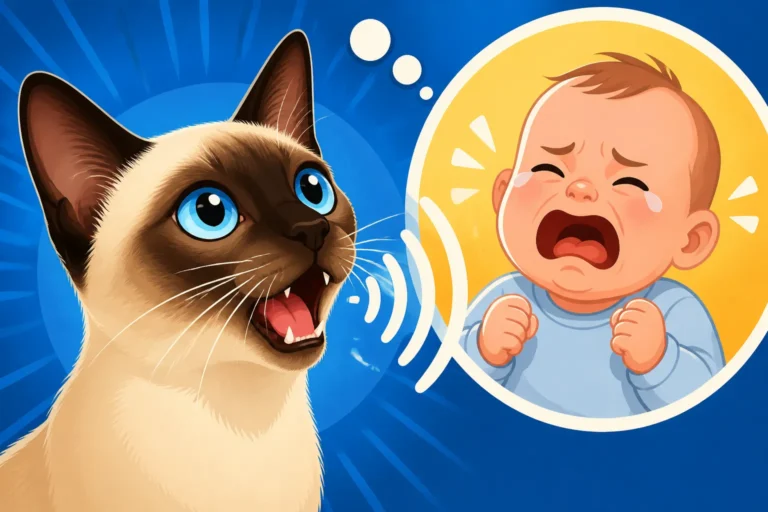
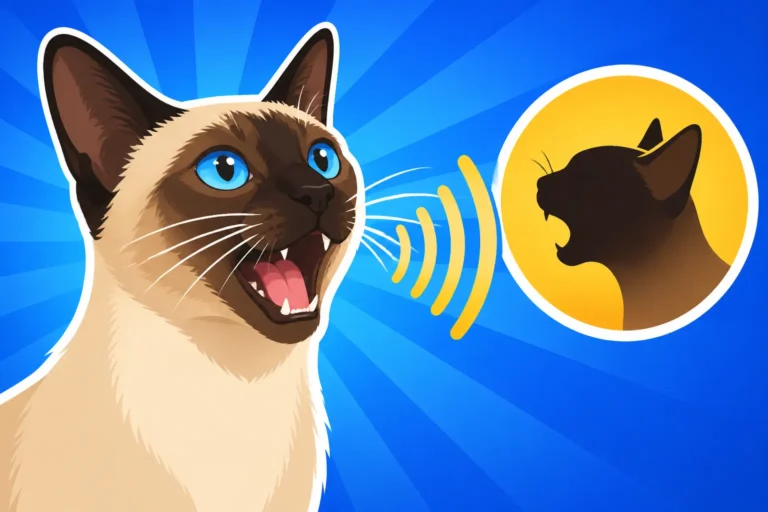
A Siamese cat doesn't just meow; they have a complete vocabulary. From soft trills and purrs to urgent chirps and piercing yowls, their range is incredible. They communicate joy, hunger, boredom, curiosity, and even indignation with an expressive clarity that leaves no doubt about their feelings. This isn't like your average quiet domestic shorthair who might offer a polite chirp now and then. Siamese cats are known for their insistent, demanding, and often quite loud vocalizations, frequently described as sounding uncannily like a human baby crying. This is why many refer to their characteristic sound as the "Meezer yowl." If you've ever heard it, you know exactly what I mean – it's a sound that commands attention. You can learn more about What the Siamese Cat's Meezer Yowl Sounds Like.
The Genetic Predisposition to Vocalization
The vocal prowess of the Siamese isn't accidental; it's a hallmark of the breed, a trait selectively bred for over centuries. Their lineage traces back to royal cats of Siam (now Thailand), where their communicative nature might have been valued. This strong genetic component means that most Siamese cats, regardless of individual personality, will be more vocal than many other breeds. It’s part of their charm, and sometimes, part of their challenge! Their vocal cords, and the structure of their larynx and resonating chambers, are simply built to produce a broader and often louder spectrum of sounds. This inherent predisposition sets the stage for how their voices will evolve throughout their lives.
The Journey of the Siamese Voice: From Kitten Chirp to Adult Yowl
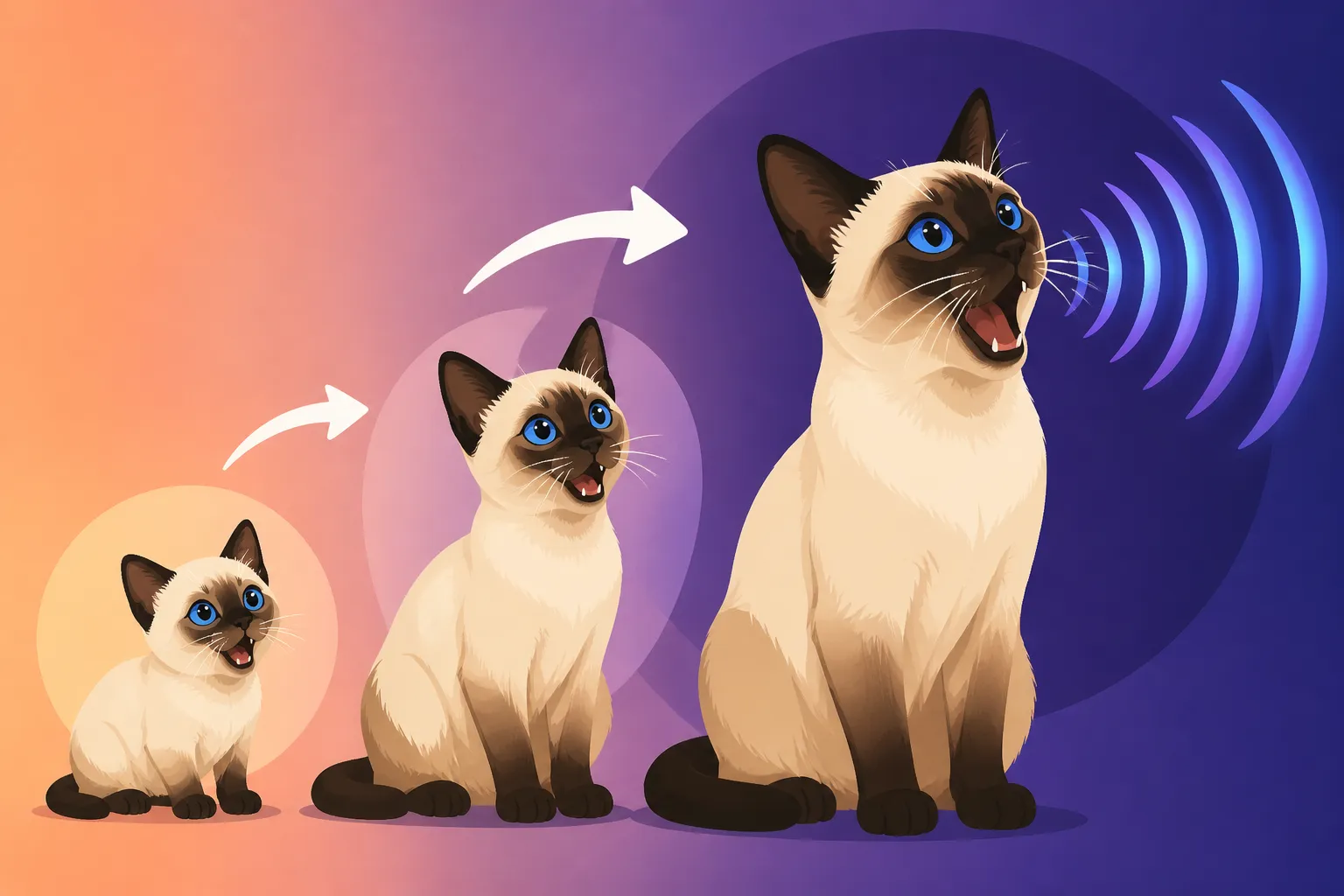
Just like humans, a Siamese cat's voice isn't static. It develops and changes as they grow from a tiny, squeaky kitten into a full-grown, chatty adult. Understanding this progression helps us appreciate the later, deeper tones of their senior years.
The High-Pitched Demands of Kittenhood
When a Siamese kitten first enters the world, their vocalizations are high-pitched, tiny squeaks and chirps. These sounds are primarily designed for one purpose: to get their mother's attention for food, warmth, and comfort. As they grow, these urgent little sounds become more varied, incorporating little trills and soft purrs as they explore their new world and interact with their littermates and human companions. Their vocal cords are still developing, and their tiny respiratory systems aren't yet capable of the powerful bellows they'll master later. At this stage, their small size and developing musculature naturally lend themselves to higher frequencies.
The Developing Resonance of Adolescence
As a Siamese cat moves from kittenhood into adolescence, typically between six months and a year, their voice begins to mature. You'll notice those little chirps and squeaks starting to gain more volume and complexity. This is when the famous "Siamese yowl" often begins to emerge in its full glory. Their body is growing, their larynx is developing, and their lung capacity is increasing. They are learning to use their voice not just for basic needs but for social interaction, play, and asserting their personality within the household. This period marks the transition to the characteristic, often loud and insistent, vocal style that most Siamese owners cherish (and sometimes, mildly tolerate). It's a clear indicator that they are becoming the fully-fledged, communicative companions they are destined to be.
Why the Siamese Voice Takes a Deeper Turn in Seniority
This is where the magic (or rather, the biology) happens. As our beloved Siamese companions enter their golden years, many owners notice a distinct deepening of their vocal tones. It's a natural part of aging, influenced by a combination of physical changes within their bodies.
Physiological Changes in the Vocal Cords
Just like in humans, a cat's vocal cords, which are essentially folds of tissue located in the larynx, undergo changes with age. Over years of constant use – and a Siamese cat's vocal cords get a lot of use! – these tissues can become less elastic and sometimes thicker. Think of an old guitar string that's been played countless times; it might not vibrate with the same high-pitched tension it once did. The connective tissues and muscles surrounding the larynx can also lose some of their tautness. This reduction in elasticity and potential thickening of the vocal cords contributes directly to a lower pitch, resulting in that deeper, more resonant voice. It's a gradual process, but one that becomes noticeable over time, particularly in a breed as vocally expressive as the Siamese.
Respiratory System Maturation and Decline
A cat's voice is also heavily reliant on their respiratory system – the lungs, trachea, and diaphragm. A powerful yowl requires strong airflow and breath control. In their younger years, a Siamese cat has a robust and efficient respiratory system. However, as they age, lung capacity can subtly decrease, and the elasticity of the lungs and chest wall may lessen. This doesn't necessarily mean they're in respiratory distress, but it can affect the quality of their vocalizations.
Imagine trying to blow a sustained, high-pitched note on a wind instrument when you don't have the same lung power you once did. You might find yourself producing a lower, perhaps more gruff, tone. While a senior Siamese might not have the sheer lung-busting power of their youth, the effort they put into vocalization, combined with changes in their vocal cords, can lead to a deeper, sometimes huskier sound. It's less about raw power and more about the aged instrument producing a different, unique sound.
Hormonal Shifts and Their Impact
Hormones play a significant role in many bodily functions, and vocalization is no exception. While not as dramatically evident as in human puberty or menopause, cats also experience hormonal shifts throughout their lives, particularly as they enter their senior years. These changes can subtly influence tissue density and elasticity, including those in the larynx. For example, a decline in certain hormones could contribute to a slight thickening of the vocal cords or a change in the surrounding muscle tone. These hormonal influences, though often invisible, work in conjunction with other age-related physiological changes to shape the evolving voice of a senior Siamese cat. It's another piece of the complex puzzle that explains why their voice takes on that distinguished, deeper quality.
Health Considerations and Voice Changes in Older Siamese Cats
While a deepening voice can be a natural part of aging, it's also important to be aware that certain health conditions common in older cats can influence vocalization. It's crucial for owners to distinguish between normal age-related changes and potential signs of underlying medical issues.
When a Deeper Voice Might Signal a Health Issue
Sometimes, a change in voice isn't just about getting older; it can be a subtle indicator that something else is going on. Conditions affecting the throat, larynx, or respiratory system can alter a cat's voice. For example, inflammation, polyps, or even tumors in the throat area could change the way vocal cords vibrate, leading to a deeper, hoarser, or even completely lost voice. Upper respiratory infections, while more common in younger cats, can also cause temporary changes.
If your Siamese cat's voice change is sudden, accompanied by difficulty breathing, coughing, gagging, loss of appetite, or lethargy, it's definitely time for a vet visit. It's about being observant. A gradual deepening over months or years is likely normal aging, but a rapid, drastic alteration or an accompanying struggle to vocalize warrants professional attention. Remember, How a Siamese Cat Hides Pain incredibly well, so any behavioral changes, even subtle ones, should be noted.
Impact of Common Senior Cat Ailments
Older Siamese cats are susceptible to a range of health issues, some of which can indirectly affect their voice. For instance, dental disease, which is unfortunately common in cats, can cause discomfort that might lead a cat to vocalize differently. While not directly affecting the vocal cords, chronic pain from conditions like arthritis could lead to more subdued or grunting vocalizations rather than their usual clear tones. Dental Disease in a Siamese Cat is a major concern, and severe cases can impact their overall comfort and willingness to vocalize normally.
Similarly, conditions that affect overall energy levels, like kidney disease or hyperthyroidism, might result in a less frequent or weaker voice. A cat feeling unwell simply might not have the energy to belt out their usual opera. Therefore, when assessing a voice change, consider it within the broader context of your cat's overall health and behavior. Regular veterinary check-ups are essential for senior cats to catch these issues early. You might also want to look into Caring for a Siamese Cat Past Twelve for more insights into common senior health concerns.
Differentiating Age from Illness: A Vet's Role
The best way to determine if your senior Siamese's deepening voice is normal or a sign of trouble is through a comprehensive veterinary examination. Your vet will take a detailed history, perform a physical exam, and might recommend diagnostics like blood tests, X-rays, or even a laryngoscopy if they suspect a specific issue with the vocal cords or throat.
| Voice Change Characteristic | Likely Normal Aging | Potential Health Concern |
|---|---|---|
| Onset | Gradual (months/years) | Sudden (days/weeks) |
| Sound Quality | Deeper, more resonant, sometimes slightly huskier | Hoarse, raspy, strained, very weak, absent |
| Accompanying Symptoms | None, or general signs of aging (slower movement) | Coughing, gagging, difficulty breathing, lethargy, poor appetite, drooling, pawing at mouth, weight loss |
| Frequency of Vocalization | Might remain the same, or slightly less frequent if energy levels drop | Could be reduced, or an increase in distressed vocalizations |
| Response to Interaction | Still communicative, just with a deeper tone | May be less responsive, avoid interaction, or show signs of pain |
This table can serve as a quick guide, but it's important to remember that it's not a substitute for professional medical advice. If you're ever in doubt, a vet visit is always the safest course of action. They can provide peace of mind or identify and treat any underlying conditions.
Living with and Appreciating a Senior Siamese's Voice
Embracing the changes that come with age is part of the journey of pet ownership. A senior Siamese with a deeper voice isn't just an older cat; they are a cat with a lifetime of stories, and their voice now carries the weight of those years.
Understanding Their New Tone
While the voice might be deeper, the intent behind the vocalization often remains the same. Your senior Siamese is still communicating with you, perhaps just in a lower register. It might take a little adjusting on your part to interpret the nuances of their new tone. That urgent yowl might now sound more like a low rumble, but it still means "feed me!" or "come here and pet me!" Pay attention to their body language as well, as this provides additional context to their vocalizations. A relaxed posture with a deep purr is still a sign of contentment, even if the purr sounds a bit more gravelly.
It's a beautiful thing to witness the evolution of your cat's voice, a testament to their longevity and the many years you've shared. Rather than mourn the higher-pitched sounds of their youth, try to appreciate the unique character of their senior voice. It’s part of who they are now, a living record of their time with you.
Enriching the Life of a Vocal Senior Siamese
Just because their voice has changed doesn't mean their need for interaction and enrichment has. In fact, some senior Siamese cats might become even more vocal as they age, especially if they experience Signs of Dementia in an Old Siamese Cat or have other age-related cognitive changes. These changes might lead to increased nighttime yowling, which can be unsettling.
Providing consistent routines, a warm and comfortable environment (a heated bed can be a real hit, and you can find many options on Amazon), and gentle, regular interaction can help keep them content. Puzzle feeders can keep their minds sharp and engaged. Make sure their litter boxes are easily accessible and that they have plenty of fresh water, perhaps even a water fountain, which can encourage hydration – vital for overall health. A little extra attention and patience go a long way in helping your senior Siamese feel secure and loved, no matter what pitch their voice is.
When to Seek Advice for Excessive Vocalization in Older Cats
While a deepening voice is normal, a sudden increase in vocalization, especially yowling or crying at night, can sometimes be a concern in older cats. This isn't just about the sound of the voice, but the frequency and context. Excessive vocalization in a senior Siamese could be a sign of:
- Pain or Discomfort: Arthritis, dental pain, or other chronic conditions might cause them to cry out.
- Cognitive Dysfunction Syndrome (Feline Dementia): Cats with FCD can become disoriented, anxious, and vocal, particularly at night.
- Hyperthyroidism: This common senior cat condition can lead to increased energy, restlessness, and vocalization.
- Deafness: As some cats lose their hearing, they may vocalize more loudly because they can't hear themselves. You can read more about Deafness in an Aging Siamese Cat for specific signs to look for.
- Anxiety or Stress: Changes in routine, environment, or the loss of a companion can trigger anxiety.
If you observe an increase in vocalization that seems out of character or is disruptive, it's always best to consult your veterinarian. They can help rule out underlying medical causes and suggest strategies for managing behavioral changes. Sometimes, simple adjustments or medications can make a significant difference in your senior cat's quality of life and your peace of mind.
Conclusion: A Voice That Tells a Lifetime Story
The voice of a Siamese cat is a defining characteristic, a vibrant expression of their intense personality and deep bond with their human companions. As they journey through life, from the tiny chirps of kittenhood to the resonant yowls of their adult prime, their voice evolves. When that voice deepens in their senior years, it's not a sign of decline, but often a natural, physiological adaptation, a testament to a life well-lived and countless conversations shared.
It’s a subtle shift, a deepening of the tones that have punctuated your days and nights, now carrying the wisdom and experience of their age. As responsible and loving Siamese owners, our role is to observe these changes with care, understanding when a deeper voice is simply part of their natural aging process and when it might be a gentle whisper of a health concern. By appreciating the unique nuances of their senior voice and providing them with the loving care they deserve, we continue to honor the extraordinary connection we share with these magnificent, vocal felines. Every purr, every trill, and every deepened yowl tells a story – a beautiful narrative of a Siamese cat’s remarkable life.
Disclaimer
This article is for general informational purposes only and does not constitute professional advice. Laws, prices and regulations vary by location and change over time. Consult a qualified professional for guidance on your specific situation.