Whether Two Siamese Cats Are Twice the Trouble
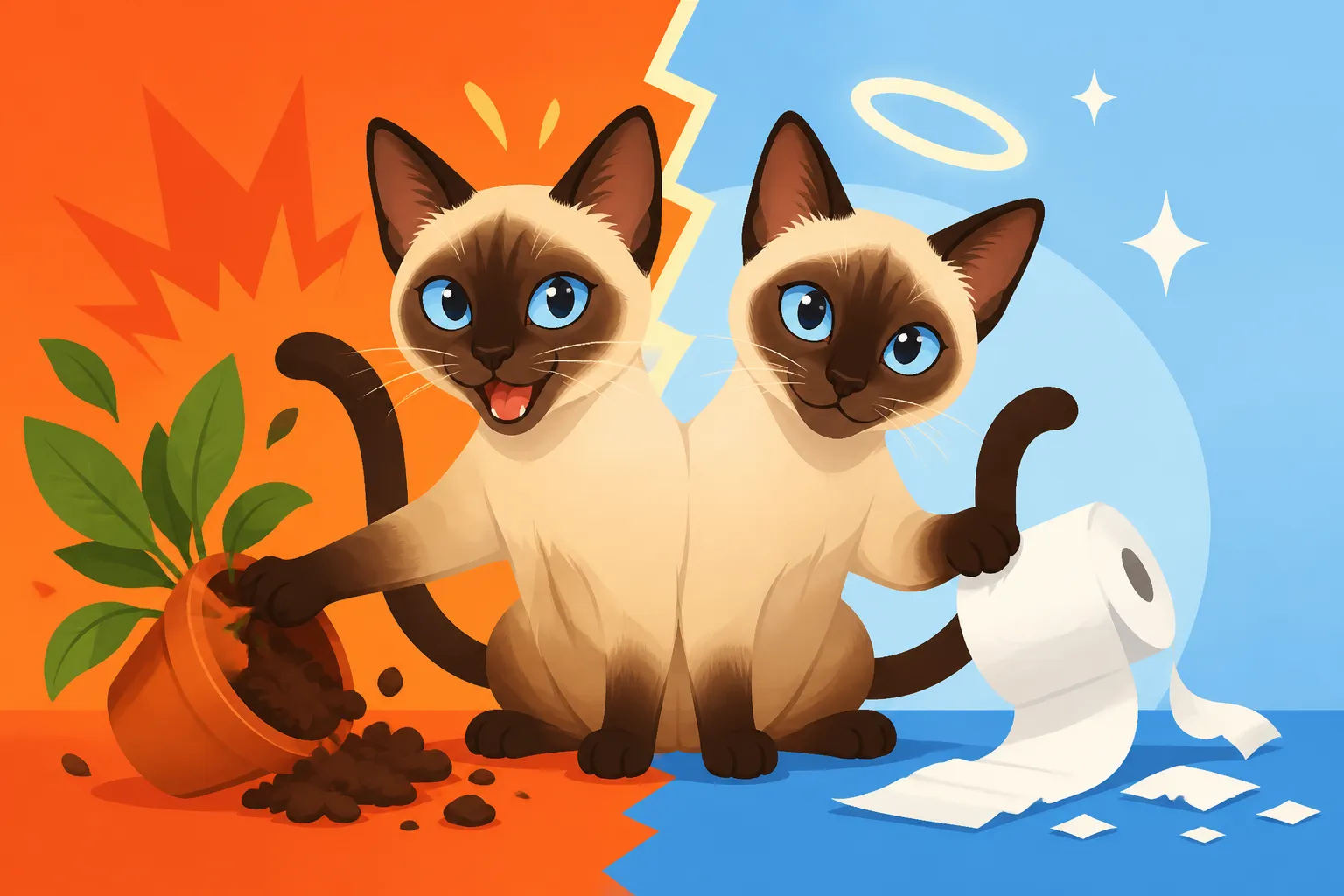
Many prospective Siamese cat owners pause at the thought of bringing home one of these famously intelligent and vocal felines, let alone two. The common fear is that doubling up on this intense personality means doubling the chaos, the noise, and the potential for mischief. But is having two Siamese cats really twice the trouble? This guide dives deep into the realities, exploring whether adding a second Siamese to your household will indeed multiply your challenges or if, surprisingly, it might actually make your life a little easier in the long run.
Understanding the Siamese Personality: Why "Trouble" Even Comes Up
Let's be honest: Siamese cats aren't for the faint of heart. They are known for their striking looks, but even more so for their vibrant personalities, boundless energy, and an almost dog-like devotion to their human companions. This isn't a breed content to silently observe from a distant perch; they want to be in the thick of it, involved in every aspect of your day.
The Myth of the "Trouble-Making" Siamese
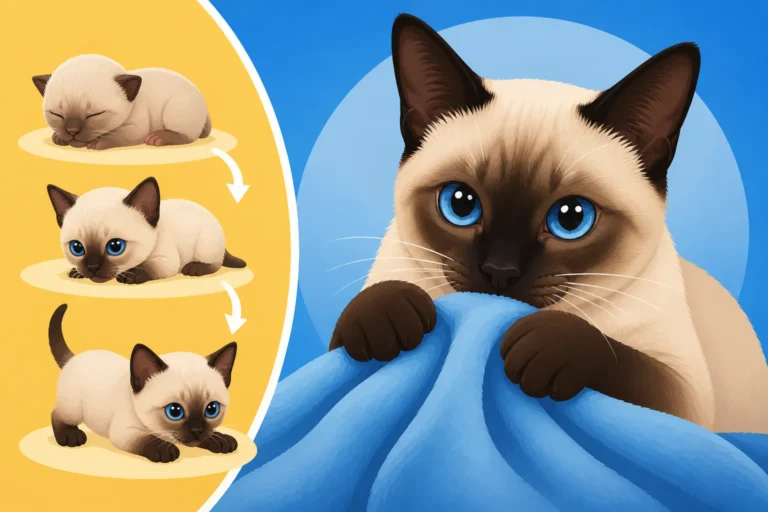
The perception of a Siamese as a "trouble-maker" often stems from a misunderstanding of their fundamental needs. They are highly intelligent, incredibly curious, and immensely vocal. A single Siamese cat, left without sufficient mental and physical stimulation, or worse, feeling lonely, will find ways to entertain itself. This might manifest as endlessly meowing for attention, investigating every cupboard, or developing habits like Why a Siamese Cat Sucks Wool out of boredom or anxiety. It's not that they are inherently mischievous; it's that their powerful minds and bodies demand an outlet.
Imagine leaving a highly intelligent toddler alone in a quiet room with no toys or interaction. They're going to get into things, aren't they? A Siamese cat is much the same. They thrive on interaction, problem-solving, and play. When these needs aren't met, their energy can be channeled into behaviors we humans might label as "trouble." It's less about them being naughty and more about them communicating a need for engagement.
The Need for Constant Engagement
Siamese cats demand a level of engagement that many other breeds simply don't. They love to "talk" to you, narrating their day, asking questions, and expecting detailed answers. They'll follow you from room to room, supervise your activities, and insist on being part of whatever you're doing. This isn't just a quirky trait; it's a fundamental aspect of their social nature. A Siamese Cat Will Not Be Ignored, and they will make sure you know it!
If you work long hours or have a busy schedule that prevents you from dedicating significant one-on-one time to your Siamese, this intense need for engagement can become a source of stress for both of you. A lonely or under-stimulated Siamese can become destructive, anxious, or excessively vocal, not because they're bad cats, but because their deep-seated need for companionship and stimulation isn't being fulfilled. This is precisely where the idea of a second Siamese cat can shift from "twice the trouble" to a genuine solution.
The Unexpected Benefits of a Second Siamese Cat
It might sound counterintuitive, but for many Siamese owners, two cats are actually less trouble than one. This isn't a guarantee for every household, of course, but it's a common experience rooted in the breed's social nature.
Built-in Companionship and Entertainment
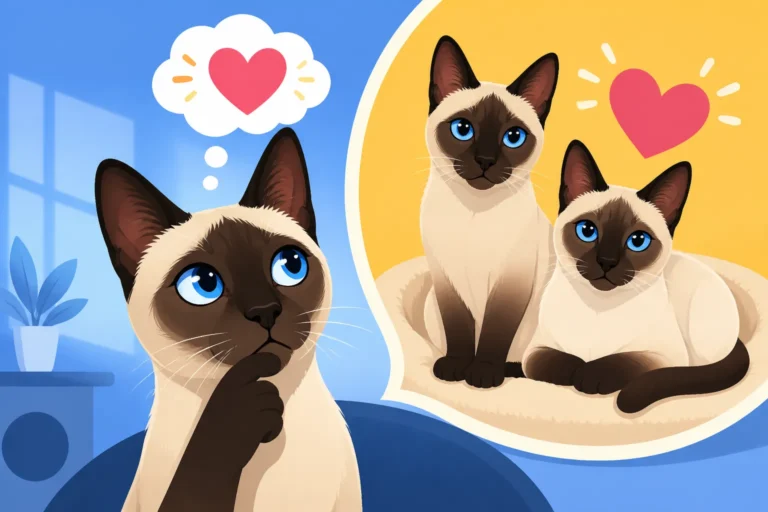
One of the greatest gifts you can give a Siamese cat, besides your own devotion, is another Siamese cat. These felines are incredibly social animals, and they often thrive in pairs. When you bring a second Siamese into the home, you're providing them with a built-in playmate, a constant source of entertainment, and a warm body to cuddle with during those long stretches when you're at work or asleep.
Imagine the sight: two Siamese cats chasing each other through the house, engaging in elaborate play-fighting sessions, grooming each other's hard-to-reach spots, and then curling up together for a nap. This kind of mutual interaction fulfills a huge portion of their social and physical needs. Instead of you always being the sole source of play and conversation, they have each other. This often translates into a calmer, happier household, as their energies are directed at each other in positive ways, reducing the demand on your time and attention. They can literally entertain themselves for hours, giving you a much-needed break from being the "chief entertainer."
Less Destructive Behavior from Boredom
A bored Siamese cat is a mischievous Siamese cat. If their intelligence and energy aren't channeled productively, they will find their own outlets, which often involve behaviors we find undesirable. This could be excessive meowing, scratching furniture, or even developing obsessive habits. What a Bored Siamese Cat Destroys can range from delicate ornaments knocked off shelves to the corners of your favorite rug.
With a companion, much of this potential for destructive behavior is significantly reduced. The two cats will likely spend their time playing, wrestling, and exploring together. This constant interaction and mental stimulation keep their minds and bodies active, leaving less room for boredom-induced mischief. For example, some Siamese cats develop pica, like Why a Siamese Cat Sucks Wool. While this behavior can be complex and have genetic components, boredom and anxiety can certainly exacerbate it. A companion might provide enough distraction and comfort to lessen such tendencies. It's not a cure, but it's a significant mitigating factor.
Reduced Separation Anxiety
Siamese cats are known for their intense bond with their human companions. This deep attachment, while endearing, can sometimes lead to separation anxiety when you're not around. Signs can include excessive vocalization, destructive behavior, inappropriate urination, or even frantic greetings upon your return. What Separation Anxiety Looks Like in a Siamese Cat can be heartbreaking to witness, and challenging to manage.
Bringing a second Siamese cat into the home can be a powerful antidote to separation anxiety. Knowing they have a buddy to rely on when you're away can provide immense comfort and security. They're not truly alone; they have each other. This doesn't mean you're off the hook for providing affection and attention, but it means they have a consistent companion even when you're out of the house. This can make How Long a Siamese Cat Can Be Left Alone a much more manageable situation for both the cats and their owner. A second cat provides that vital emotional support system, making for a happier, less stressed household overall.
Navigating the Realities: Is it Twice the Effort or Just Different?
While two Siamese cats can bring a lot of joy and reduce certain behavioral issues, it's not entirely without its challenges. The effort isn't necessarily "twice" as much in every category, but it certainly requires a different approach and some increased resources.
Initial Introductions and Establishing Harmony
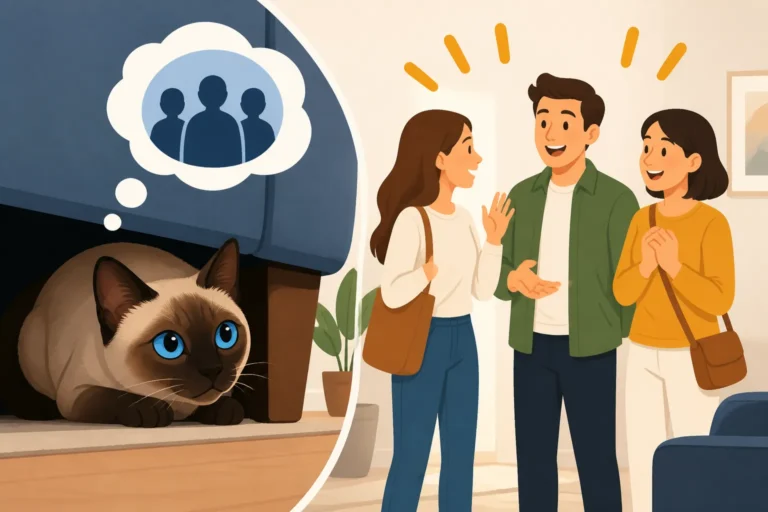
One of the biggest hurdles is often the introduction process itself. Cats are territorial, and even the most social Siamese needs time to adjust to a new feline companion. You can't just throw them together and expect instant friendship. It's rarely a love-at-first-sight scenario, and rushing it can lead to long-term issues. This is why a slow, controlled introduction is absolutely critical.
Start with scent swapping, allowing them to get used to each other's smell before seeing each other. Then, progress to supervised visual contact through a baby gate or screen door, always ending on a positive note with treats or play. Separate feeding and litter box areas are crucial initially. Remember, patience is key. It might take days, weeks, or even a few months for them to fully accept each other. Learning How to Introduce a Siamese Cat to a Resident Cat properly will pay dividends in the long run. The goal is harmonious co-existence, not necessarily best friends, though that's often a lovely bonus with Siamese.
Managing Resources: Food, Water, and Litter Boxes
This is one area where "twice the trouble" feels more accurate, at least in terms of resources. With two cats, you'll need more of everything. This means multiple feeding stations to prevent competition or food guarding, and multiple water sources. Many Siamese cats love running water, so investing in a good quality pet water fountain, perhaps one readily available on Amazon, can encourage both cats to stay hydrated.
The "N+1" rule for litter boxes is a golden standard: you should have one litter box per cat, plus one extra. So, for two Siamese cats, that means three litter boxes strategically placed throughout your home. This prevents territorial disputes and ensures that each cat always has a clean, accessible spot. Failure to provide enough resources can lead to stress, inappropriate elimination, and conflict between your cats. It's a non-negotiable aspect of multi-cat ownership.
Doubled Costs? A Realistic Look
Yes, some costs will undeniably double. Food is the most obvious one. You'll be buying twice as much food, which means a larger monthly grocery bill. Vet visits, including routine check-ups, vaccinations, and any unexpected illnesses or emergencies, will also effectively double in cost. This is why having a clear understanding of What a Second Cat Costs a Siamese Cat Owner is crucial before taking the plunge.
However, not everything is a direct double. Initial investments like a sturdy cat tree, perhaps a multi-level one found on Amazon that can withstand vigorous Siamese play, can be shared. Toys might need to be more numerous, but often they'll play with the same set of wand toys or laser pointers. Things like pet insurance, while needing a policy for each cat, can help mitigate the financial blow of unexpected health issues for either. It's not a perfect 1:1 doubling across the board, but certainly, ongoing expenses for essentials like food and veterinary care will increase significantly.
Setting Up for Success: Making Two Siamese Thrive
Once you've navigated the introductions and embraced the resource management, there are proactive steps you can take to ensure your two Siamese cats not only co-exist but truly thrive together.
Providing Ample Vertical Space and Enrichment
Siamese cats are natural climbers and observers. They love high perches where they can survey their domain, feel safe, and get away from the hustle and bustle of ground level. For two Siamese cats, providing ample vertical space is not just a luxury; it's a necessity. This means multiple cat trees – look for tall, sturdy ones with multiple platforms, perhaps from a reputable supplier on Amazon – wall-mounted shelves, and access to window perches. These spaces allow them to establish their own territories, observe the world, and burn off energy through climbing and jumping. It’s a vital component of Enrichment for a Siamese Cat That Gets Bored in an Hour.
Beyond vertical space, intelligent breeds like the Siamese benefit immensely from mental enrichment. Puzzle feeders, which require them to work for their food, can keep their clever minds engaged. Interactive toys, like those that move unpredictably or offer different textures, can stimulate their predatory instincts. Rotating toys regularly prevents boredom. This kind of environmental enrichment reduces stress and prevents them from finding less desirable ways to entertain themselves.
Understanding Individual Personalities
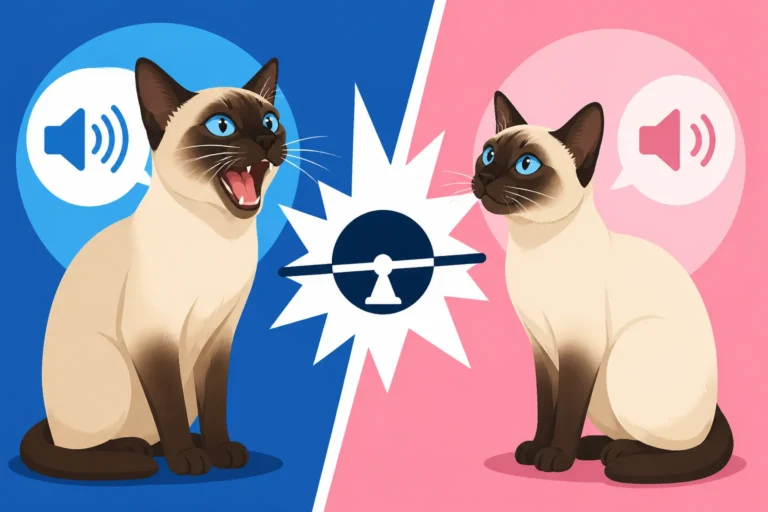
Even though they're the same breed, each Siamese cat is an individual with unique quirks, preferences, and boundaries. One might be more playful and outgoing, while the other is a bit shyer and prefers quiet cuddles. One might be more vocal than the other. Whether Two Siamese Cats Are Louder often depends on these individual personalities, though generally, you can expect a lively household!
It's important to respect these differences. Ensure both cats receive one-on-one attention, whether it's a dedicated play session, a grooming session, or just some quiet lap time. Don't force interactions if one cat needs space, and be observant of their body language to understand when they're happy, stressed, or needing alone time. Providing multiple cozy sleeping spots, separate from each other, can also help ensure they both feel secure and have their own sanctuary.
When Two Siamese Cats Are Not the Answer
While having two Siamese cats is often a wonderful experience, it's not the right solution for every situation. There are circumstances where adding a second feline, even another Siamese, might not be advisable. If your resident Siamese cat exhibits severe aggression towards other animals, has extreme territoriality issues that can't be mitigated, or has significant behavioral problems that stem from something other than loneliness or boredom, adding another cat could exacerbate the issues rather than solve them.
Similarly, if your budget is already stretched thin with one cat, or if you simply don't have the physical space for extra litter boxes, cat trees, and feeding stations, then introducing a second cat could create undue stress for both you and the animals. It's crucial to be realistic about your resources and ability to commit to the increased care requirements. A thoughtful assessment of your current cat's temperament and your household's capacity is essential before making the decision to expand your feline family.
Here's a quick comparison of owning one versus two Siamese cats:
| Aspect | One Siamese Cat | Two Siamese Cats |
|---|---|---|
| Companionship | Solely reliant on human for social interaction | Mutual companionship, less reliant on human for constant entertainment |
| Boredom/Mischief | Higher risk of boredom-induced behaviors | Lower risk due to peer interaction; more constructive play |
| Vocalization | Can be intensely vocal, often directed at owner | May be vocal with each other, or engage in "conversations" with owner and each other |
| Separation Anxiety | Higher potential if alone for long periods | Significantly reduced due to presence of companion |
| Initial Effort | Easier, no introduction phase | Requires careful, patient introduction process |
| Ongoing Costs | Food, vet, litter for one | Food, vet, litter for two (approx. double) |
| Resource Needs | Single food/water, 2 litter boxes (N+1 rule) | Multiple food/water, 3 litter boxes (N+1 rule) |
| Space Requirements | Needs mental/physical stimulation from owner | Needs vertical space, separate resting spots, and shared play areas |
| Grooming/Care | You handle all grooming/attention | Mutual grooming occurs, still need human attention for each |
| Travel/Boarding | Can be stressed when alone or boarded | May be less stressed as they have each other |
Ultimately, for many people who understand and adore the Siamese personality, the answer to "Are two Siamese cats twice the trouble?" is a resounding "no." While some aspects like direct costs and initial introductions do require more effort, the benefits of having two of these magnificent, social creatures often outweigh the challenges. They provide each other with companionship, exercise, and mental stimulation that a single human simply cannot always replicate, leading to happier, better-adjusted cats and often, a more peaceful household for their dedicated owners.
Disclaimer
This article is for general informational purposes only and does not constitute professional advice. Laws, prices and regulations vary by location and change over time. Consult a qualified professional for guidance on your specific situation.