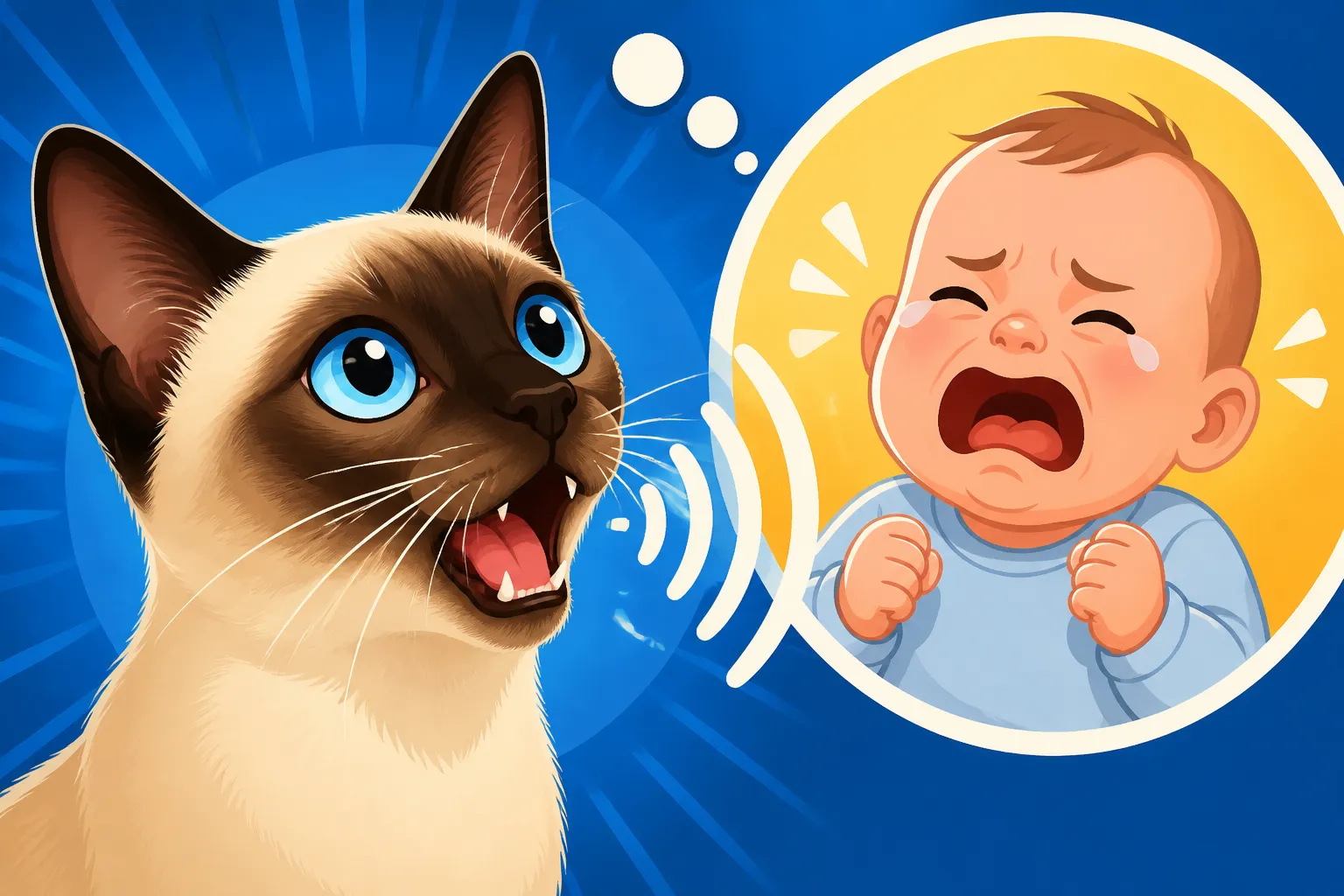
Why a Siamese Cat Sounds Like a Baby Crying
One of the most unique, and let's be honest, sometimes alarming, aspects of living with a Siamese cat is their vocal prowess. Many a new Siamese parent has found themselves startled awake or rushing around the house, convinced there's a distressed baby somewhere, only to discover their Meezer at the source, emitting a sound eerily similar to an infant's cry. This guide will delve into the fascinating world of Siamese vocalizations, explaining exactly why your beloved companion might sound like a tiny human in distress and what they're trying to communicate.
The Unique Vocal Range of the Siamese Cat
Siamese cats are legendary for their voices, and for good reason! They are arguably the most vocal of all domestic cat breeds, known for an extensive repertoire that goes far beyond a simple "meow." This isn't just a quirk; it's a deeply ingrained breed characteristic, part of what makes them so captivating and, let's face it, so insistent.
Why the Siamese Voice is So Distinctive
The Siamese cat's vocal cords and overall lung capacity seem almost custom-built for projecting sound. Their sleek, svelte bodies house powerful lungs, allowing them to produce sustained, resonant cries. Genetically, they are predisposed to be talkers, a trait that has been cherished and even enhanced through generations of selective breeding. This means that while other cats might offer a polite chirp or a soft meow, a Siamese often delivers a full-blown soliloquy. Their voice tends to be lower-pitched and more robust than many other breeds, often described as a "meezer yowl" – a deep, guttural sound that can carry remarkable distances. This isn't just about volume; it's about the unique timbre and range that allows them to mimic such unexpected sounds, like a baby crying. It’s part of their charm, but it can certainly be an adjustment for an unsuspecting owner!
Comparing Sounds: "Baby Cry" vs. Other Vocalizations
It's helpful to distinguish the "baby cry" sound from the many other vocalizations your Siamese will produce. They have a rich vocabulary that includes:
- Chirps and Trills: These are usually softer, bird-like sounds made when they're happy, greeting you, or perhaps herding their kittens (or you!). Think of it as a conversational greeting.
- Standard Meows: While less common than their more dramatic calls, they do sometimes use a classic "meow," often when requesting something politely, though their definition of "polite" might differ from ours!
- The Meezer Yowl: This is their signature, loud, drawn-out wail, often associated with demanding attention or expressing strong opinions. It's often robust and persistent, the kind that might make you wonder if a wild animal has entered your home. You can learn more about this distinct sound in What the Siamese Cat's Meezer Yowl Sounds Like.
- The "Baby Cry": This particular vocalization is often higher in pitch than the typical yowl, sometimes with a more desperate or pleading quality, truly mimicking the sound of an infant. It can be startling because it taps into a primal human instinct to respond to a baby's cry. It's usually reserved for moments of intense need, perceived emergency, or deep emotional distress. It's a sound that cuts through, demanding immediate attention. When a Siamese uses this particular sound, they're not messing around; they want your full, undivided focus right now. Understanding How Many Sounds a Siamese Cat Makes can help you differentiate.
Decoding the "Baby Cry": What Your Cat Is Trying to Tell You
When your Siamese cat unleashes that uncanny "baby crying" sound, it's not random. It's a deliberate, albeit sometimes inconvenient, form of communication. They've discovered that this particular frequency and tone gets a rapid response from their human companions, and they're not afraid to use it.
Expressing Needs and Demands
The most common reason for the "baby cry" is to express an urgent need or demand. Siamese cats are highly intelligent and quickly learn what works to get their way. If they're hungry, thirsty, or simply want something from you, and their regular meows aren't cutting it, they'll often escalate to the "baby cry."
Imagine this scenario: you're engrossed in a book, and your Siamese, Suki, decides it's dinner time. She starts with a few insistent meows by her empty bowl. You don't move. She then tries a louder, longer yowl. Still nothing. Frustrated, Suki might then position herself directly in front of you, look you squarely in the eye, and let out that piercing, heartbreaking wail that sounds exactly like a baby crying. It's her ultimate trump card. She knows you can't ignore it. It's her way of saying, "My bowl is empty, and I am starving! Why are you not responding to my clear and persistent demands?" They don't have polite patience; they have urgent demands, and this cry is designed to break through any human distraction.
Seeking Attention and Companionship
Siamese cats are not solitary creatures; they are incredibly social and bond deeply with their human families. They thrive on interaction and can become quite attached, often following you from room to room. When they feel ignored, lonely, or simply want to be part of what you're doing, the "baby cry" can be their ultimate plea for connection.
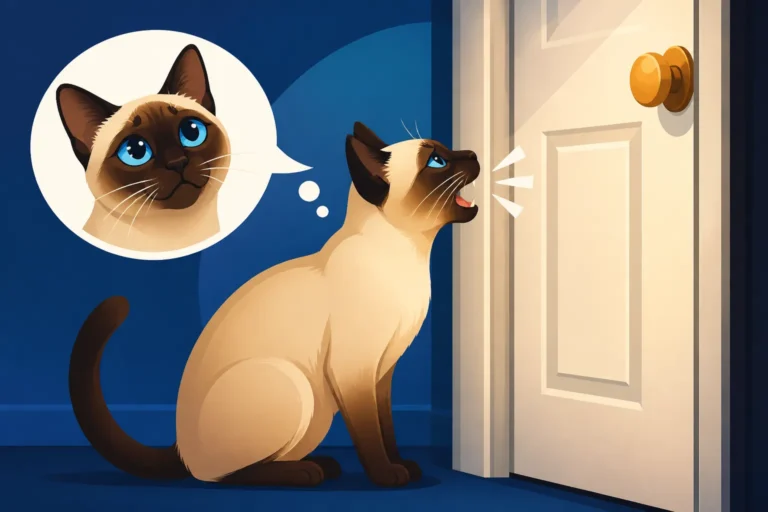
Consider Jasper, who loves to curl up on your lap every evening. If you're busy with work or guests, and he's not getting his usual cuddle time, he might start to feel neglected. He'll pace, perhaps rub against your legs, but if that doesn't yield the desired physical contact or interaction, he might retreat to a doorway and start his "baby cry." This isn't about food or water; it's a plaintive cry for reassurance and companionship. It's his way of saying, "Hey! Remember me? I'm here, and I need you to acknowledge me. I will not be ignored!" This behavior perfectly illustrates the breed's deep need for connection, highlighted in A Siamese Cat Will Not Be Ignored. They truly believe they are an integral part of your life and expect to be treated as such.
Discomfort, Pain, or Distress
While often a bid for attention, it's crucial to recognize that the "baby cry" can also genuinely signal discomfort, pain, or distress. If this type of vocalization is new, sudden, or accompanied by other behavioral changes, it's always best to rule out a medical issue.
For example, if your typically quiet Siamese, Leo, suddenly starts making this crying sound out of nowhere, especially if he's also hiding, refusing food, or acting lethargic, it could indicate pain from an injury or an underlying illness. Cats are masters at hiding pain, so a change in vocalization can be a significant clue. Perhaps he has an upset stomach, a dental issue, or something more serious. A cat who is normally very vocal might also change the quality of their cry if they are unwell. Keep an eye out for other Signs a Siamese Cat Is Unwell. It's a good idea to pay attention to when and how frequently these cries occur. If you notice it happening more often during urination, for instance, it could indicate a urinary tract infection. Similarly, if they cry when jumping or being picked up, it might signal joint pain or an injury. This is when the "baby cry" demands a different kind of attention – medical attention. You can find more information about recognizing discomfort in When a Siamese Cat's Meowing Means Pain.
Environmental and Behavioral Factors that Influence Vocalization
Understanding the various triggers in your Siamese cat's environment and their natural behaviors can help you decipher and manage their "baby crying" vocalizations. These intelligent felines are sensitive to their surroundings and routines.
The Impact of Environment and Routine
Siamese cats are creatures of habit and can be sensitive to changes in their environment or daily routine. A new pet, a house move, or even a different work schedule can throw them off, leading to increased vocalization, including the "baby cry." They may feel insecure or simply want to vocalize their displeasure at the disruption.
Imagine you've just moved to a new apartment. Your Siamese, Miso, who was previously quite content, starts crying like a baby at odd hours, particularly when you're in another room. She might be feeling disoriented by the new sounds and smells, or simply anxious about the unfamiliar territory. Her cry is a way of calling out for you, her constant, in a world that suddenly feels very different. Similarly, if you've recently returned to the office after working from home, leaving your Siamese alone for longer periods, they might develop separation anxiety, expressing it through persistent, mournful cries. This is where providing plenty of enrichment becomes vital. Look for interactive toys on Amazon, like puzzle feeders or automatic laser pointers, that can keep their minds stimulated when you're not around. Tall cat trees and window perches also offer vertical space and visual stimulation, giving them an outlet for their energy and curiosity. The goal is to make their environment as stable and engaging as possible to reduce anxiety-driven vocalizations. Providing Enrichment for a Siamese Cat That Gets Bored in an Hour is key.
Age-Related Changes
As Siamese cats age, their vocalizations can sometimes change in frequency and intensity. Older cats, much like older people, can experience cognitive decline, hearing loss, or vision impairment, all of which might lead to increased crying, including the "baby cry."
A senior Siamese, let's say Oliver, might start to yowl more at night or seem disoriented, wandering and crying for no apparent reason. This could be a symptom of feline cognitive dysfunction, a form of dementia. With diminishing senses, they may feel more vulnerable or confused, and their crying is a way to call for reassurance or to express their anxiety. For instance, an elderly Siamese with declining hearing might not hear you call them, or might not hear themselves, leading them to cry louder and more frequently. In these cases, their cries are not a demand, but rather a sign of their vulnerability and need for comfort and guidance. This is a common concern for owners of older Siamese cats, and something often discussed in Why an Old Siamese Cat Yowls More. Maintaining a consistent routine and providing extra comfort and attention can be especially important for these senior companions.
Hormonal Influences
For unaltered (not spayed or neutered) Siamese cats, hormones play a huge role in their vocalizations. This is perhaps one of the most intense and unmistakable "baby cries" you'll ever hear from a cat.
- Females in Heat: When a female Siamese is in heat, her body is signaling her readiness to mate. This comes with a symphony of vocalizations, and the "baby cry" is often a prominent feature. She will yowl almost incessantly, sometimes for days, in a desperate attempt to attract a mate. Her cries are loud, drawn-out, and sound incredibly distressed, even if she is perfectly safe indoors. This is entirely instinctual, driven by strong hormonal urges, and can be incredibly disruptive for owners.
- Males Seeking Mates: Unaltered male Siamese cats will also vocalize intensely when they detect a female in heat nearby. Their cries are often part of their territorial and mating behaviors, aimed at announcing their presence to potential partners and rivals. These cries can be guttural and piercing, often escalating in frequency and volume, and can also sound quite like a distressed infant.
Spaying or neutering your Siamese cat is the most effective way to eliminate these hormone-driven "baby cries" and is often recommended for the cat's health and the owner's peace of mind. Not only does it calm their vocal nature significantly, but it also prevents unwanted litters and reduces the risk of certain health issues. Consider Whether Neutering Quiets a Siamese Cat for more details on this topic.
Strategies for Managing Excessive "Baby Crying" Meows
Living with a highly vocal Siamese cat, especially one prone to "baby crying" when demanding something, can be challenging. The good news is that there are many strategies you can employ to understand and manage this behavior, leading to a more harmonious household.
Addressing Underlying Needs First
Before assuming your Siamese is simply being dramatic, always ensure their basic needs are met. This might sound obvious, but sometimes a quick check can resolve the issue.
- Food and Water: Is their food bowl truly empty? Is their water fresh and easily accessible? Siamese cats can be particular. Some prefer running water from a fountain (many great options on Amazon), while others are perfectly happy with a clean bowl.
- Litter Box: A dirty litter box is a common cause for protest, and a Siamese is not shy about complaining. Ensure their litter box is scooped regularly and is clean enough to their exacting standards.
- Comfort and Warmth: Siamese cats have a single, short coat and can get chilly easily. Is their favorite sleeping spot warm and cozy? Sometimes a heated bed or a soft blanket is all they need to settle down.
- Health Check: If the crying is new or accompanied by other symptoms, a vet visit is paramount. A change in vocalization can be the first sign of discomfort or illness.
Enriching Their Environment and Engagement
Boredom is the enemy of a Siamese cat. A bored Siamese is a destructive, vocal Siamese. These intelligent, high-energy cats need mental and physical stimulation to thrive. Without it, they'll invent their own entertainment, which often involves loud demands for your attention.
- Interactive Play: Schedule dedicated play sessions every day. Laser pointers, feather wands, and toys that mimic prey are usually big hits. Engage with them, make them run and jump, and end the session with a "kill" (letting them catch the toy) to satisfy their hunting instincts. Many fantastic interactive toys are available on Amazon that can keep them entertained.
- Puzzle Feeders: These are brilliant for mental stimulation and can slow down fast eaters. Instead of just putting food in a bowl, make them "work" for it by solving a puzzle. This taps into their clever minds and provides a healthy challenge.
- Vertical Space: Siamese cats love to climb and observe their kingdom from high vantage points. Invest in a sturdy cat tree, shelves, or window perches. These give them a sense of security and a place to watch the world go by, which is often crucial for their mental well-being.
- Companion Animals: Siamese cats are highly social and often do best with a companion, either another Siamese or a similarly playful cat or even a cat-friendly dog. This can significantly reduce feelings of loneliness and boredom, leading to fewer attention-seeking cries. Explore Whether a Siamese Cat Needs a Companion Cat for insights into finding a good match.
Training and Behavioral Modification
Training a Siamese cat isn't like training a dog, but it is possible! They are clever and respond well to consistency and positive reinforcement.
- Consistent Schedule: Feed them at predictable times. Play with them regularly. Cats thrive on routine. If they learn that the "baby cry" at 3 AM doesn't get them food but waiting until 6 AM does, they'll adjust. For example, if your Siamese yowls every morning for breakfast, try setting up a timed feeder, which can be found on Amazon, to dispense food just before your usual wake-up time. This breaks the association between their crying and you delivering food.
- Ignore Unwanted Cries (within reason): This is tough, especially with the "baby cry," but crucial for attention-seeking vocalizations. If you are certain all their needs are met and they are not in distress, try to ignore the crying. Do not look at them, do not talk to them, do not get up. The moment they quiet down, even for a second, then acknowledge them. This teaches them that quiet behavior gets attention, while crying does not. This takes incredible patience and consistency, especially when dealing with Why a Siamese Cat Yowls in the Middle of the Night.
- Teach a "Quiet" Cue: You can actually train your Siamese to be quiet on command! When they are being vocal, wait for a momentary pause, then say "Quiet" (or "Shush"), and immediately reward them with a small treat or praise. Over time, they will associate the cue with ceasing vocalization. It might not stop them entirely, but it can give you a tool for management. More tips on this can be found in How to Train a Siamese Cat to Meow Less.
- Redirect Behavior: If your cat is crying because they want to play, redirect their energy with a toy. If they want cuddles, give them cuddles when they are calm, not when they are crying.
When to Consult a Vet
While many "baby cries" are behavioral, it is absolutely essential to rule out medical issues, particularly if the crying is new, sudden, persistent, or accompanied by other symptoms like changes in appetite, litter box habits, or activity levels. Your veterinarian can perform a thorough examination, including blood work or other diagnostics if necessary, to ensure there isn't an underlying health problem causing your cat distress. Never hesitate to call your vet if you are concerned about a change in your Siamese cat's vocalization, as early detection can make a significant difference in treatment outcomes.
Here’s a quick overview to help you interpret the cries:
| Type of "Baby Cry" | Likely Meaning | Possible Solutions | When to See a Vet |
|---|---|---|---|
| Short, sharp, urgent | Hunger, thirst, immediate demand for attention | Check food/water bowls, provide play, consistent schedule, ignore (if truly attention-seeking and needs are met) | If crying persists despite needs being met, especially if accompanied by refusal to eat/drink, vomiting, or lethargy. |
| Long, mournful, sustained | Loneliness, separation anxiety, boredom, seeking companionship, discomfort. | Provide enrichment (toys, puzzle feeders), more interaction/play, consider a companion, structured routine. | If crying is constant, paired with hiding, changes in litter box habits, excessive grooming, or aggression. Can indicate stress-induced illness or underlying pain. |
| Disoriented, wandering, vocalizing | Confusion, age-related cognitive decline, vision/hearing loss. | Maintain consistent routine, nightlights, clear pathways, extra comfort and gentle reassurance, vet check for cognitive support or pain management. | If this behavior is new or worsening rapidly. Senior cats need regular vet check-ups to manage age-related conditions like kidney disease, hyperthyroidism, or arthritis, which can all manifest as increased vocalization. |
| Intense, relentless, coupled with pacing/rolling | Hormonal (female in heat, male seeking mate). | Spaying/neutering is the primary solution. | If your cat is unaltered and exhibiting these signs, consult your vet for spaying/neutering advice. Also, rule out other causes if you are unsure if they are truly in heat or if behavior is atypical. |
| Sudden, high-pitched, paired with pain signs | Acute pain, injury, illness. | Immediate vet visit. | Always see a vet immediately if crying is sudden, intense, not typical, or accompanied by limping, difficulty breathing, hiding, aggression, or inability to use the litter box. |
Disclaimer
This article is for general informational purposes only and does not constitute professional advice. Laws, prices and regulations vary by location and change over time. Consult a qualified professional for guidance on your specific situation.