Whether Neighbors Hear a Siamese Cat
The distinct, often startling vocalizations of a Siamese cat are legendary, a trait that endears them to their devoted owners but can sometimes raise a brow or two when living in close quarters. If you've ever found yourself wondering if your beloved Meezer's passionate pronouncements are carrying beyond your walls and into your neighbor's living room, you're not alone. This guide delves into the unique vocal habits of Siamese cats and offers practical insights into managing their expressive nature to maintain peace, both within your home and with those next door.
The Inherent Vocal Prowess of the Siamese Cat
Let's be honest, when you sign up for a Siamese cat, you're not getting a quiet, demure lap ornament. You're getting a conversationalist, a vibrant personality with a voice to match. This isn't a flaw; it's a fundamental part of what makes them, well, them. But understanding why they're so vocal is the first step in appreciating, and managing, their unique communication style.
Why Siamese Cats Are So Loud
Siamese cats are often described as having a "Meezer yowl" – a sound distinct from the typical meow of other breeds. It's often deeper, more insistent, and carries a significant emotional weight. This isn't just a random noise; it's a form of communication that has evolved over generations. These cats are incredibly intelligent and social creatures, and they use their voices to interact with their environment and, most importantly, with their humans. They don't just meow; they have a whole vocabulary of chirps, trills, murmurs, and those famous full-throated yowls. It's like having a tiny opera singer living in your home, constantly auditioning for a role. You might find yourself having full-blown conversations with them, where they respond with various inflections and tones, making it feel like they truly understand every word you say. The Siamese Cat Talks and Expects an Answer explores this fascinating aspect in detail.
Common Reasons for Siamese Vocalizations
Their vocalizations aren't just for show; they serve many purposes. A Siamese might be "talking" to you because they're hungry, and they believe their bowl has been empty for far too long, even if you just filled it five minutes ago. They might be demanding attention, wanting to play, or simply expressing their opinion on the current state of affairs, like the dust motes floating in the sunlight. Boredom is a huge trigger for vocalization; a Siamese cat with a rich inner life but not enough external stimulation will definitely let you know. They can also become quite vocal when they're stressed, anxious, or feeling unwell. A sudden increase in volume or frequency could be a subtle sign that something is amiss, so it’s always wise to rule out any underlying health issues. Sometimes, their voice just is – a part of their personality, a constant hum in the background of your life. This consistent vocal nature is part of What the Siamese Cat's Meezer Yowl Sounds Like.
The Reach of the Siamese Cat's Voice: Can Neighbors Hear It?
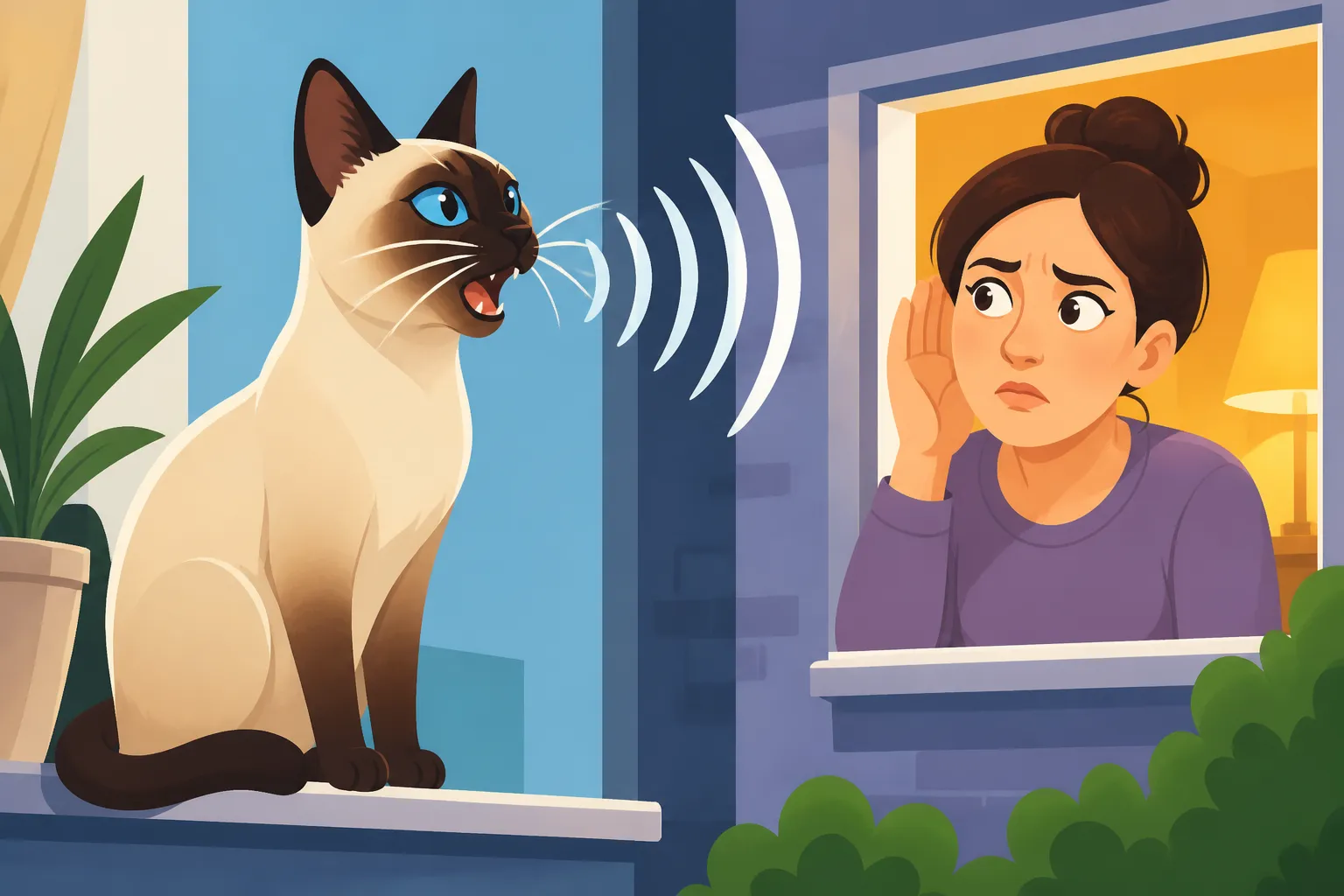
So, back to the burning question: does your neighbor actually hear your Siamese cat? The short answer is, very likely, yes. How much they hear, and how often, depends on a few key factors, but denying the penetrative power of a Siamese yowl is like denying gravity.
Factors Influencing Audible Range
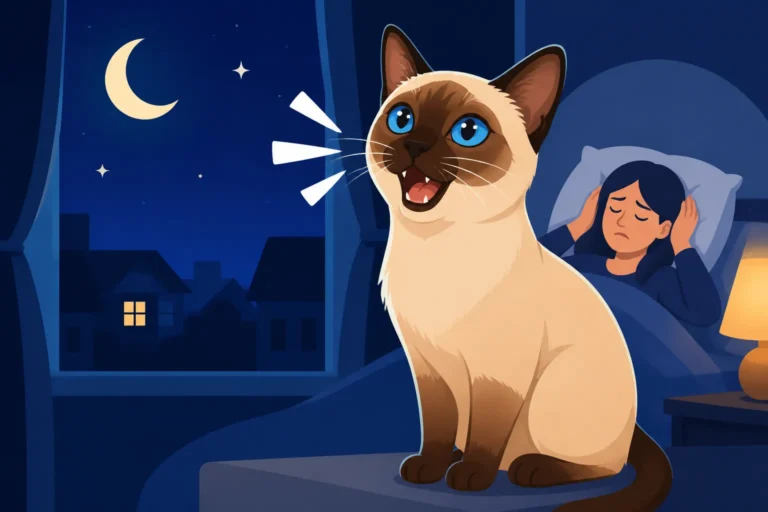
The intensity of your Siamese cat's vocalizations is a major factor. Some Siamese cats are louder than others, even within the breed. Think of it like human voices – some people naturally speak with more volume. The type of vocalization also matters. A soft chirp or trill is less likely to travel through walls than a full-blown "Meezer yowl" directed at the empty food bowl or the perceived injustice of a closed door. My own Siamese, Luna, has a yowl that sounds like she's practicing for a role in a horror movie when she's locked out of the bedroom at night. How Often a Siamese Cat Meows at Night perfectly describes this common scenario.
Beyond the cat itself, your living situation plays a huge role. If you live in a detached house with ample space between properties and thick walls, your neighbors might only catch the faintest hints, if anything. However, if you reside in an apartment building, a townhouse, or homes with shared walls or thin construction, the sound can absolutely carry. The time of day also matters. A yowl at 3 PM when people are at work might go unnoticed, but one at 3 AM when everyone is trying to sleep? That's a different story entirely.
Types of Living Situations and Sound Transmission
Let's break down how different housing types impact whether your neighbors hear your Siamese's serenades.
- Apartment Buildings: These are, by far, the most challenging environments for vocal cats. Shared walls, floors, and ceilings are prime conduits for sound. Neighbors above, below, and on either side can easily pick up on consistent or particularly loud yowls. I've had friends in apartments who swore they could distinguish between their neighbor's cat's "hungry meow" and their "lonely yowl." This is where Whether a Siamese Cat Suits an Apartment Building becomes a critical consideration before bringing one home.
- Townhouses/Duplexes: Similar to apartments, shared walls are the main culprit here. While you might not have noise from above or below, side neighbors will be privy to your cat's declarations. The design and age of the building can make a difference; newer constructions often have better sound insulation than older ones.
- Semi-Detached/Row Houses: Again, shared walls are the issue. Even if the homes are separated by a cavity wall, certain frequencies, especially those persistent, resonant yowls, can still penetrate.
- Detached Homes: While generally offering the most privacy, even in detached homes, open windows can allow a determined Siamese cat's voice to carry into a neighbor's yard or open windows. If your cat spends time in a catio or screened-in porch, their vocalizations outdoors are even more likely to be heard.
It's not just the volume that matters, but also the frequency and duration. An occasional loud meow is one thing, but a Siamese that yowls continuously for hours, perhaps due to Separation Anxiety Looks Like in a Siamese Cat, is far more likely to cause friction.
Strategies to Mitigate Siamese Cat Noise for Neighborly Peace
If you suspect your Siamese's voice is becoming a neighborhood topic, or if you simply want to be a considerate pet owner, there are definitely steps you can take. The goal isn't to silence your Siamese – that's often impossible and goes against their nature – but to manage their vocalizations and minimize their impact on others.
Addressing the Root Causes of Vocalization
The most effective strategy is to figure out why your cat is being so vocal. Are they bored? Lonely? Hungry? Stressed?
- Enrichment is Key: Siamese cats are incredibly intelligent and energetic. A bored Siamese is a noisy Siamese. Provide plenty of toys, puzzle feeders, scratching posts, and climbing structures. Regular, interactive play sessions with you are crucial. Think feather wands, laser pointers (used sparingly and always ending with a treat), and toys that mimic prey. A tired cat is often a quieter cat. Consider rotating toys to keep things fresh.
- Consistent Feeding Schedule: If your cat is yowling for food, establish a consistent feeding schedule. They'll learn when to expect meals, reducing desperate cries. If free-feeding, ensure the bowl is never truly empty, but be mindful of overeating. Some owners find that timed feeders help manage "feed me" yowls around mealtimes.
- Attention and Interaction: Siamese cats crave attention. They bond intensely with their humans. If they're not getting enough interaction, they will demand it vocally. Dedicate time each day for petting, cuddling, and play. Even just being in the same room and acknowledging their presence can make a difference. A Siamese Cat Will Not Be Ignored, and they will make sure you know it!
- Addressing Stress and Anxiety: Changes in routine, new pets, moving house, or even a different litter can cause stress. Look for other signs of anxiety, like overgrooming or inappropriate urination. Creating a predictable routine, providing safe spaces, and using calming pheromone diffusers can sometimes help. If the vocalization is sudden and accompanied by other changes, a vet visit is essential to rule out pain or illness. When a Siamese Cat's Meowing Means Pain highlights the importance of this.
- Consider a Companion: Siamese cats are social animals. If you're out for long hours, a compatible companion cat can provide much-needed company, reducing loneliness-induced yowling. This isn't a guaranteed fix, as two Siamese cats might just yowl together, but for some, it works wonders. A Siamese Cat Should Not Live Alone explains the benefits of companionship.
Soundproofing and Noise Reduction Techniques
While you can't completely soundproof a typical home without major renovations, there are things you can do to absorb sound and reduce its transmission.
- Heavy Curtains and Rugs: Soft furnishings absorb sound. Thick curtains on windows and area rugs or carpets throughout your home can significantly dampen noise, especially in rooms where your cat spends a lot of time and is most vocal.
- Seal Gaps: Check for gaps around doors and windows. Weatherstripping can help seal these, preventing sound from escaping. A draft stopper under the main entry door can also make a difference.
- Strategic Furniture Placement: Placing large, upholstered furniture, like sofas or bookshelves filled with books, against shared walls can help absorb sound before it travels.
- White Noise or Background Music: In your home, consider playing soft music or using a white noise machine, especially in rooms near shared walls. This can help mask your cat's vocalizations from your neighbors. It might also provide a calming environment for your cat, reducing stress-related vocalizations.
- Cat Tree Placement: If your cat loves to yowl from their cat tree, consider placing it away from shared walls or windows where their voice might carry most directly.
Here's a quick comparison of sound reduction tactics:
| Tactic | Effectiveness (General) | Cost (General) | Effort Required | Notes |
|---|---|---|---|---|
| Addressing Root Cause | High | Low to Moderate | High | Most sustainable long-term solution. |
| Heavy Curtains/Rugs | Medium | Moderate | Low | Also adds to home decor. |
| Weatherstripping Doors/Windows | Medium | Low | Low | Improves energy efficiency too. |
| Strategic Furniture | Low to Medium | None (rearrange) | Low | Best for specific shared walls. |
| White Noise/Music | Low to Medium | Low | Low | Masks sound, doesn't eliminate it. |
| Professional Soundproofing | High | High | High | Major renovation, usually only for extreme cases. |
Handling Neighborly Concerns About Your Vocal Siamese
Even with your best efforts, your Siamese cat's voice might still reach your neighbors. The key to maintaining good relationships is proactive communication and being prepared to address any concerns with understanding and empathy.
Proactive Communication is Key
If you live in close proximity to others, it's a good idea to be proactive. If you know your Siamese is particularly vocal, you might consider mentioning it to your neighbors when you first move in, or when you notice your cat's vocalizations increasing. A simple, "Just so you know, my Siamese cat, Mittens, is quite the talker! We're doing our best to keep her happy and quiet, but sometimes she just loves to sing," can go a long way. This sets expectations and shows you're a considerate neighbor.
If a neighbor does approach you, listen actively and avoid getting defensive. Thank them for bringing it to your attention. Sometimes, they just want to be heard and know you're aware of the situation. Offer an apology and explain what steps you're taking to manage the noise. Showing a willingness to find a solution is far more effective than brushing off their concerns.
What to Do if Neighbors Complain
Should a complaint arise, here's a step-by-step approach:
- Listen and Empathize: Put yourself in their shoes. Nobody enjoys being woken up at 3 AM by a cat yowl. Acknowledge their frustration and validate their feelings. "I'm so sorry Mittens has been disturbing you. I know how disruptive noise can be, especially at night."
- Gather Information: Ask specific questions. When is the cat being noisy? What does it sound like? How long does it last? This information can help you pinpoint the cause. Is it only when you're gone? Is it at a specific time of day?
- Explain Your Efforts: Share what you're already doing to address the vocalizations, like increased playtime, a new feeding schedule, or environmental enrichment. This shows you're not ignoring the issue. "We've been working on getting her more playtime during the day and trying some new puzzle toys to keep her busy. We'll redouble our efforts, especially in the evenings."
- Explore Further Solutions: Offer to try additional steps, like soundproofing measures, or adjust your cat's routine further. You might even ask if there are specific times or situations that are most problematic.
- Follow Up: After implementing new strategies, check in with your neighbor after a week or two. "How have things been with Mittens lately? Have you noticed any improvement?" This demonstrates continued consideration and helps build good faith.
- Seek Professional Help: If the problem persists and you're struggling to find a solution, consider consulting your veterinarian or a certified feline behaviorist. They can help identify underlying issues and suggest advanced strategies. Sometimes, medication might be an option for severe anxiety.
Remember, Siamese cats are incredibly loving, intelligent, and communicative companions. Their voices are a part of their charm, but it's our responsibility as their guardians to ensure that charm doesn't become a nuisance for others. With understanding, patience, and some proactive measures, you and your vocal Siamese can coexist peacefully with your neighbors.
Disclaimer
This article is for general informational purposes only and does not constitute professional advice. Laws, prices and regulations vary by location and change over time. Consult a qualified professional for guidance on your specific situation.