Whether a Siamese Cat’s Bald Patch Grows Back
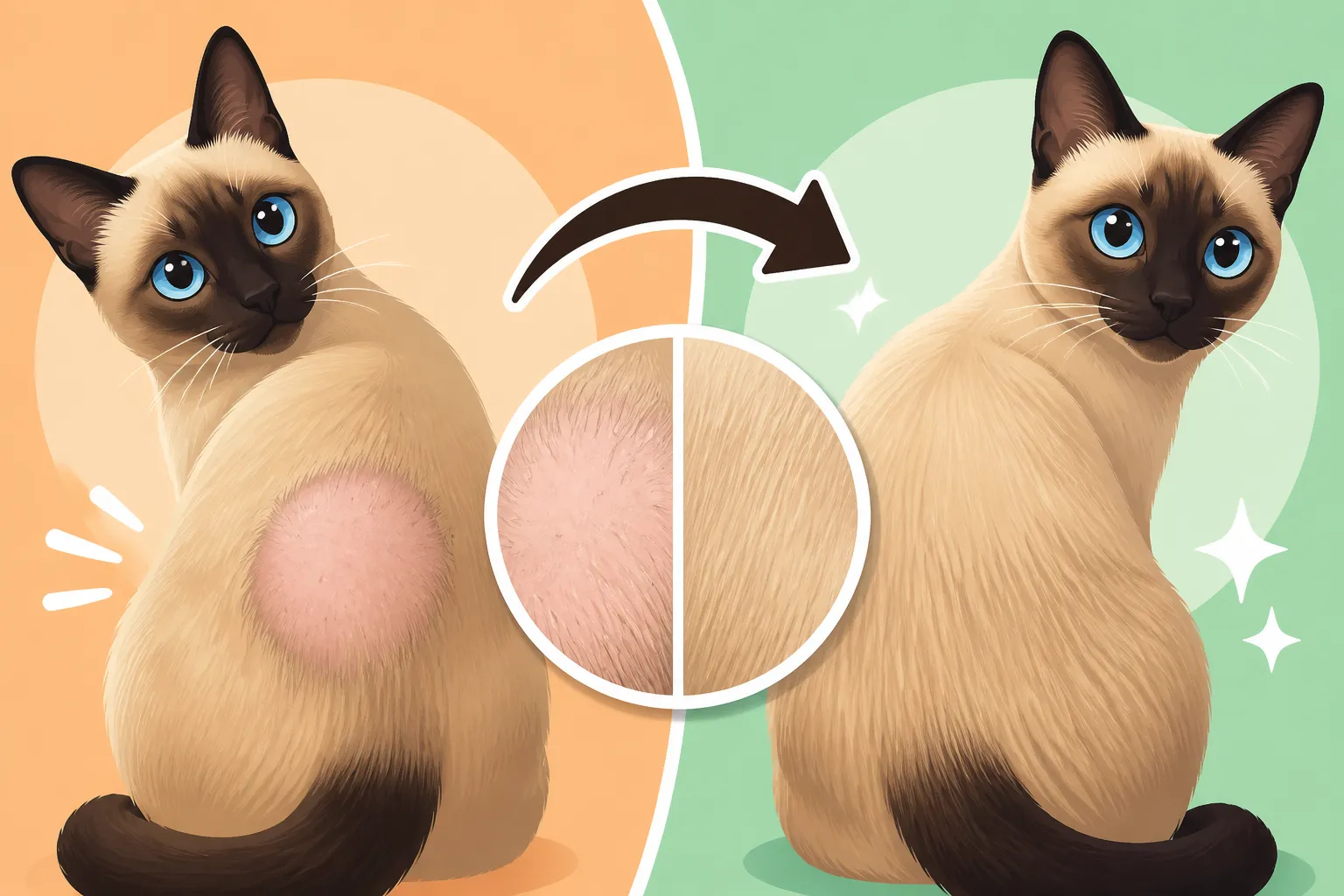
Seeing a bald patch appear on your beloved Siamese cat can be incredibly alarming. One day their sleek, short coat is perfectly uniform, and the next, there's a noticeable thinning or even a completely bare spot, leaving you to wonder what on earth happened and, more importantly, whether that beautiful fur will ever grow back. It's a common worry for many cat parents, especially with a breed known for its distinctive appearance. This guide is here to walk you through the various reasons a Siamese might lose fur and what you can realistically expect regarding regrowth.
Understanding Siamese Cat Fur and Hair Loss
Siamese cats are known for their elegant, short, and incredibly fine coats that lie close to their bodies. Unlike some other breeds, they don't have a thick undercoat, which means any hair loss tends to be much more visible and can look quite dramatic. When you notice a bald patch, it's rarely just a cosmetic issue; it's often a sign that something deeper is going on with your cat's health or environment.
The Unique Siamese Coat
The Siamese coat is a marvel of feline genetics. It's a single coat, meaning it lacks the dense undercoat that many other cat breeds possess. This is why they feel so silky to the touch and also why they tend to feel the cold more easily. Their fur is not only short but also very fine, making them prone to showing skin changes, including hair loss, more readily than a long-haired or double-coated breed might. This distinctive coat is also what gives them their unique point coloration, which is influenced by temperature.
Because their fur is so delicate, any disruption to the hair follicles can lead to noticeable bald spots. This might be from excessive grooming, skin irritation, or an underlying medical issue. It's not just the length or texture, but also the genetic predisposition of the Siamese breed itself that makes them susceptible to certain conditions that manifest as hair loss. When dealing with their unique coat, even minor issues can become quite apparent.
Common Causes of Bald Patches
When a Siamese cat develops a bald patch, it's usually due to one of several common culprits, all of which require attention to ensure proper healing and regrowth. The most frequent reason we see hair loss in cats, particularly the highly sensitive Siamese, is overgrooming. This is often driven by stress or anxiety, leading to a condition known as What Psychogenic Alopecia Does to a Siamese Cat. Cats lick, chew, or pull out their fur compulsively, creating thinning areas or bald spots, especially on their belly, inner thighs, or flanks. This isn't just a bad habit; it's a behavioral response to feeling overwhelmed or anxious.
Allergies are another major player. Just like people, cats can suffer from environmental allergies (pollen, dust mites), food allergies, or flea bite allergies. Even a single flea bite can trigger an intense allergic reaction in a sensitive cat, leading to severe itching and subsequent hair loss from scratching and overgrooming. You might notice little scabs or red bumps along with the missing fur. Parasites beyond fleas, such as mites (causing mange) or ringworm (a fungal infection, not a worm), can also cause localized hair loss, often accompanied by crusting, redness, or scaly skin. Finally, various medical conditions, from hormonal imbalances to certain autoimmune diseases, can manifest as hair loss. It's crucial to consult your vet to rule out these possibilities, especially if the hair loss is extensive, rapidly progressing, or accompanied by other symptoms like weight loss or changes in appetite.
The Regrowth Process: What to Expect
Once you've identified and started treating the underlying cause of your Siamese cat's bald patch, the natural question becomes: will the fur grow back, and how long will it take? The good news is that in most cases, Siamese cat fur does grow back, but the speed and appearance of the new coat can vary depending on a few key factors. It's not an overnight fix, and patience is definitely a virtue here.
Factors Influencing Hair Regrowth
Several elements play a significant role in how quickly and effectively your Siamese cat's fur will return. First and foremost is the underlying cause of the hair loss. If the cause, such as stress-induced overgrooming or an allergic reaction, is successfully identified and treated, the fur has a much better chance of growing back. For instance, if your vet determines your Siamese is licking itself bald due to anxiety, addressing the root of that stress, perhaps through environmental enrichment or calming supplements, is paramount for regrowth. You might find that reducing stress in their environment, perhaps with more dedicated playtime or a calming diffuser, makes a huge difference.
The general health and age of your cat also impact regrowth. Younger, healthier cats with good nutrition tend to regenerate fur faster than older cats or those with chronic health issues. A diet rich in essential fatty acids and high-quality protein can significantly support skin and coat health. Sometimes, a Siamese cat's fur might take longer to grow back if they are dealing with other health challenges. Lastly, the severity and duration of the hair loss matter. If the skin itself was severely damaged, scarred, or if the follicles were inactive for a very long time, regrowth might be slower or the fur might be a different texture initially.
Timeline for Fur to Grow Back
Estimating an exact timeline for fur regrowth can be tricky because it depends so much on the individual cat and the specific cause of hair loss. However, generally speaking, once the underlying issue is resolved, you can expect to start seeing some fine, new hair growth within 2 to 4 weeks. This initial growth might be very sparse and not yet fully cover the bald area.
Full coverage, where the patch blends seamlessly with the surrounding fur, typically takes anywhere from 6 weeks to 3 months, or even longer in some cases. For instance, if your Siamese cat was shaved for surgery or a medical procedure, the fur will usually start to fill in within a month, but it might take several months for the length and density to match the rest of their coat. If the hair loss was due to Psychogenic Alopecia in a Siamese Cat, you'll first need to see a reduction in the compulsive licking, and then the growth process can begin. Continuous progress is a good sign, but remember that cat hair growth cycles can be slower than ours.
Changes in Fur Color or Texture
This is a really interesting and often surprising aspect of Siamese cat fur regrowth! Due to their unique genetic makeup, Siamese cats are prone to what's called "thermosensitive albinism." This means that the enzyme responsible for producing pigment (melanin) in their fur only works efficiently in cooler body parts (ears, paws, tail, face). Their core body temperature is warmer, so their fur there stays lighter.
When a Siamese cat gets a patch shaved for surgery, a blood draw, or even from a deep scratch, the skin exposed to the cooler air can stimulate the pigment-producing enzyme. This often results in the new fur growing back darker than the surrounding coat. You might notice a dark spot where the veterinarian shaved for an IV, or a darker patch on their side where they had a lump removed. This darker fur usually isn't permanent. Over time, as the area warms up to the cat's normal body temperature, the darker patch will typically fade and eventually match the original coat color, though this can take many months. It’s a perfectly normal, albeit visually striking, phenomenon in the breed. If you're seeing a dark patch after shaving, rest assured it's usually temporary.
Supporting Your Siamese Cat's Coat Health
Beyond addressing the immediate cause of a bald patch, there's a lot you can do as a dedicated Siamese parent to ensure their coat remains as healthy and lustrous as possible. Proactive care often makes a significant difference, not just for their fur, but for their overall well-being. Thinking about comprehensive care, especially when unexpected health issues arise, is where services like Healthy Paws can offer peace of mind, covering treatments that support your cat's recovery and long-term health.
Nutritional Support
A high-quality, balanced diet is the cornerstone of a healthy coat. Think of it this way: your cat's fur is primarily made of protein, so providing adequate, easily digestible protein is absolutely essential. Look for cat foods with real meat (chicken, fish, turkey, etc.) as the first ingredient. Beyond protein, essential fatty acids, particularly Omega-3 and Omega-6, are critical for skin barrier function and coat quality. These can often be found in fish oils (like salmon oil), flaxseed, or specifically formulated skin and coat supplements.
Many cats thrive on a diet that includes both wet and dry food, as wet food contributes to better hydration, which is vital for skin health. Discussing your cat's specific dietary needs with your vet can help you choose the best options, especially if they have sensitivities or specific health concerns. Remember, a glossy, full coat often reflects good internal health, and that starts with what's in their food bowl. If you're curious about optimal nutrition, researching topics like the right protein level for a Siamese cat can be very insightful.
Environmental and Stress Management
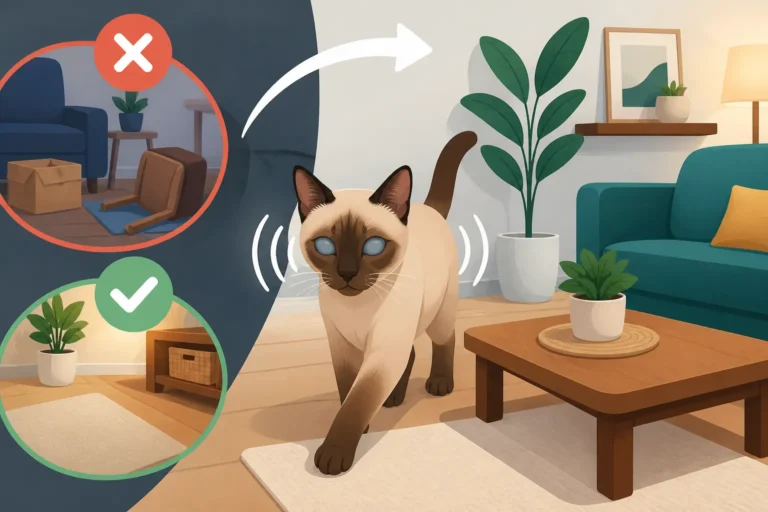
Given that stress is a major trigger for psychogenic alopecia and other stress-related conditions that cause hair loss, creating a calm and enriching environment for your Siamese cat is paramount. These intelligent and sensitive cats thrive on routine and can become anxious with sudden changes or insufficient stimulation. Ensure they have plenty of vertical space, like cat trees and shelves, where they can observe their territory from a safe vantage point. Interactive play sessions, ideally twice a day for 10-15 minutes, are crucial for burning off energy and providing mental stimulation. Toys that mimic prey, puzzle feeders, and even leash training for supervised outdoor excursions can provide much-needed enrichment.
Consider reducing potential stressors like loud noises, inconsistent schedules, or competition with other pets for resources. Feliway diffusers can also be very effective in promoting a sense of calm in the home. If your Siamese is exhibiting signs of chronic stress, addressing it proactively can prevent further hair loss and improve their overall quality of life. Thinking about things like how much play a Siamese cat needs is key to their mental and physical well-being.
Regular Vet Check-ups and Early Intervention
Regular veterinary check-ups are non-negotiable for maintaining your Siamese cat's health, including their skin and coat. During these visits, your vet can identify subtle changes that might indicate an emerging problem before it becomes a full-blown bald patch. Early intervention is always best. If you notice any unusual licking, scratching, or thinning fur, don't wait. Schedule an appointment. Your vet can perform diagnostic tests to pinpoint the cause, whether it's parasites, allergies, or a more serious underlying health issue.
These proactive visits are also an excellent time to discuss preventive care, such as flea and tick control tailored to your cat's lifestyle, and to ensure their vaccinations are up to date. Having pet insurance, like a plan from Healthy Paws, can make these regular check-ups and any necessary treatments much more manageable financially, ensuring you never have to delay care for cost reasons. Investing in comprehensive coverage from Healthy Paws means you're prepared for whatever comes your way, from routine issues to more serious emergencies. Consistent care is fundamental, and an article like how often a Siamese cat needs a wellness exam elaborates on its importance.
When to Worry and Seek Veterinary Care
While many bald patches on a Siamese cat can be resolved with proper care, it's vital to recognize when a situation warrants immediate veterinary attention. Cats are notorious for hiding pain and illness, so a noticeable change in their coat, especially significant hair loss, should always be taken seriously. Don't fall into the trap of thinking it will just go away on its own.
Signs That Warrant Immediate Attention
Not all bald patches are created equal. You should contact your veterinarian right away if you notice any of these accompanying signs:
- Rapid or Worsening Hair Loss: If the bald patch is growing quickly, or new ones are appearing overnight, it's a red flag.
- Intense Itching, Redness, or Inflammation: Excessive scratching, licking, or chewing that leads to raw, irritated, or inflamed skin indicates a severe discomfort that needs addressing.
- Open Sores, Scabs, or Lumps: Any breaks in the skin, crusting, or new growths on the bald area could point to infection, parasites, or even a tumor.
- Other Sickness Symptoms: If the hair loss is accompanied by changes in appetite, lethargy, vomiting, diarrhea, weight loss, or behavioral changes like hiding or aggression, it could signify a systemic illness. A good resource for understanding these broader signs is recognizing signs a Siamese cat is unwell.
- Pain Upon Touching: If your cat vocalizes or flinches when you touch the affected area, there's likely pain involved. Remember, Siamese cats can be very good at hiding pain, so this might be a subtle cue.
- Lack of Improvement with Home Care: If you've tried to alleviate stress or ensure proper nutrition and see no improvement in fur regrowth after a few weeks, it's time for professional help.
These symptoms suggest something more serious than simple stress or a mild allergy and require prompt diagnosis and treatment to prevent further complications.
Diagnostic Steps a Vet Might Take
When you bring your Siamese cat to the vet for hair loss, they will conduct a thorough examination and may recommend several diagnostic tests to get to the bottom of the issue. A good veterinarian will start with a comprehensive physical exam, looking closely at the skin and fur, listening to your cat's heart and lungs, and feeling for any abnormalities. They'll ask detailed questions about your cat's diet, environment, behavior, and any recent changes.
Depending on their initial findings, they might suggest:
- Skin Scrapes: This is a common test to look for microscopic parasites like mites, which can cause conditions like mange.
- Fungal Culture: To check for ringworm, which can cause circular patches of hair loss.
- Flea Combing: Even if you don't see fleas, a flea comb can detect "flea dirt" (flea feces), indicating a flea allergy.
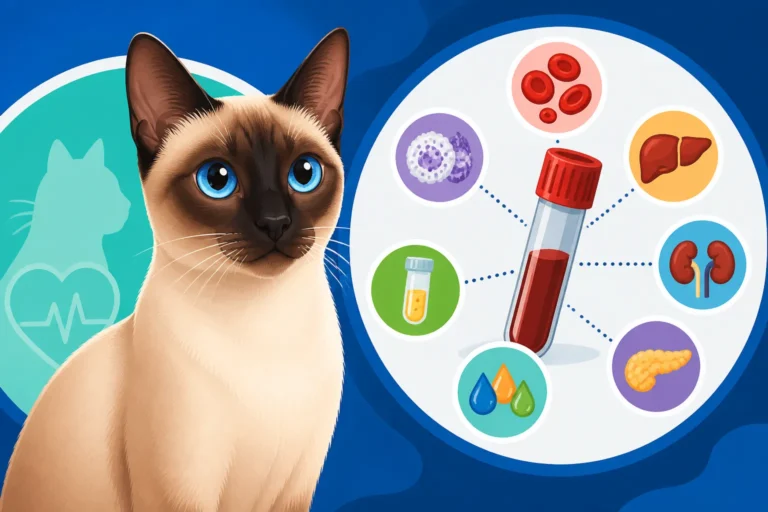
- Blood Tests: These can help identify underlying systemic conditions such as thyroid imbalances, kidney disease, or other inflammatory processes that might affect skin health.
- Allergy Testing: If allergies are suspected, your vet might discuss food elimination trials or environmental allergy testing.
- Biopsy: In rare cases, if other tests are inconclusive or a skin tumor is suspected, a small piece of skin might be removed for laboratory analysis.
Each step helps to narrow down the possibilities and ensures your Siamese gets the most targeted and effective treatment, increasing the chances of a full and healthy fur regrowth. Don't hesitate to utilize your pet insurance from Healthy Paws to help cover these diagnostic costs, ensuring you can pursue every avenue to help your furry friend.
| Cause of Hair Loss | Common Location of Bald Patch | Expected Regrowth Timeline (Post-Treatment) | Potential Fur Changes |
|---|---|---|---|
| Stress/Anxiety | Belly, inner thighs, flanks | 6 weeks – 3 months | May initially be sparse |
| Flea Allergies | Base of tail, hind legs | 4 weeks – 2 months | Usually normal |
| Mites/Ringworm | Varies, often circular | 1-3 months (with consistent treatment) | Can be coarser initially |
| Post-Surgical Shave | Shaved area | 2-6 months | Often grows back darker |
| Hormonal Imbalance | Symmetrical on flanks/belly | 3-6 months (with hormonal therapy) | Varies, may be thinner |
| Nutritional Deficiencies | Generalized thinning | 2-4 months (with dietary correction) | Improved texture/density |
Disclaimer
The information provided in this article is for educational purposes only and is not intended to be a substitute for professional veterinary advice, diagnosis, or treatment. Always seek the advice of your veterinarian or other qualified animal health provider with any questions you may have regarding a medical condition.