Whether an Affected Siamese Cat’s Relatives Should Be Bred
It's a heartbreaking reality for any Siamese cat owner when their beloved companion is diagnosed with a severe genetic health condition. The initial shock gives way to a torrent of questions, and for those involved in breeding, one of the most agonizing dilemmas is whether to continue a bloodline that carries such a devastating genetic shadow. This guide aims to shed light on the complexities of breeding decisions when a Siamese cat's relative has been affected by an inherited illness, offering a realistic perspective on the ethical considerations and practical steps.
Understanding Genetic Predispositions in Siamese Cats
Siamese cats, for all their stunning beauty and captivating personalities, are sadly predisposed to several inherited health conditions that can significantly impact their lifespan and quality of life. Understanding these risks is the first critical step in making responsible breeding choices. It's not just about one cat; it's about the health of an entire lineage.
The Shadow of Amyloidosis
Perhaps the most notorious and feared genetic condition in the Siamese breed is Amyloidosis. This insidious disease causes an abnormal protein, amyloid, to deposit in various organs, most commonly the liver, leading to organ failure. When a Siamese cat's liver can rupture without warning, it's a truly terrifying prospect for owners, and the suddenness of it often leaves families reeling. It's a cruel twist of fate that often strikes seemingly healthy, young adult cats, making the diagnosis even more devastating. The unfortunate truth is that there is no DNA test for Siamese Cat Amyloidosis, which makes identifying carriers or at-risk individuals incredibly challenging for breeders. This condition is known to be inherited, meaning it runs in families, and if one cat in a line has been affected, it raises significant red flags about their relatives. The very real risk that Amyloidosis is the disease that kills young Siamese Cats means that every breeding decision involving related cats needs to be weighed with extreme care and caution.
Other Inherited Health Concerns
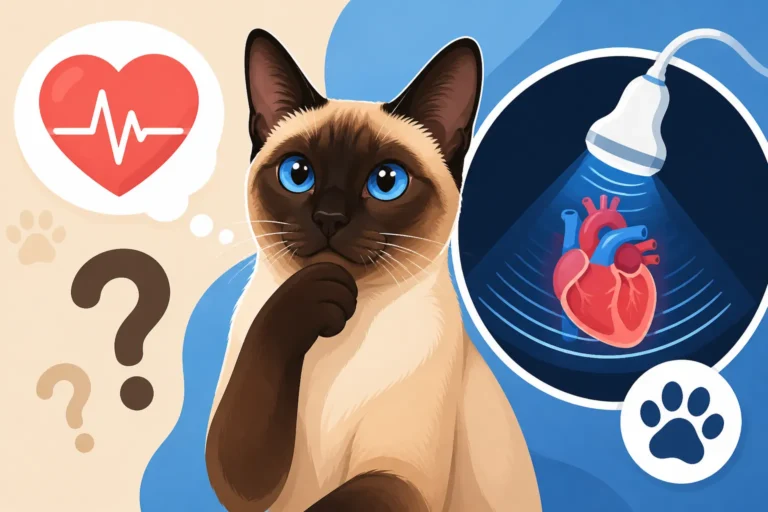
While Amyloidosis often dominates discussions about Siamese health, it's crucial to remember that the breed can be prone to other inherited ailments. For instance, Progressive Retinal Atrophy (PRA) is another genetic condition that can lead to blindness. While there are some genetic tests available for certain forms of PRA in other breeds, the effectiveness and relevance of a specific rdAc DNA test for a Siamese cat is often debated within the community. Similarly, conditions like asthma in a Siamese cat have been observed to have a familial component, suggesting a genetic predisposition for some individuals. Other concerns can include certain heart conditions, like hypertrophic cardiomyopathy (HCM), or even specific types of cancer. The cumulative presence of these conditions within a bloodline paints a clearer, albeit often grim, picture of the genetic load that might be passed down. A responsible breeder considers the full spectrum of potential health issues, not just the most common or well-known ones, especially when making decisions about an affected cat's relatives.
The Ethical Dilemma: To Breed or Not To Breed?
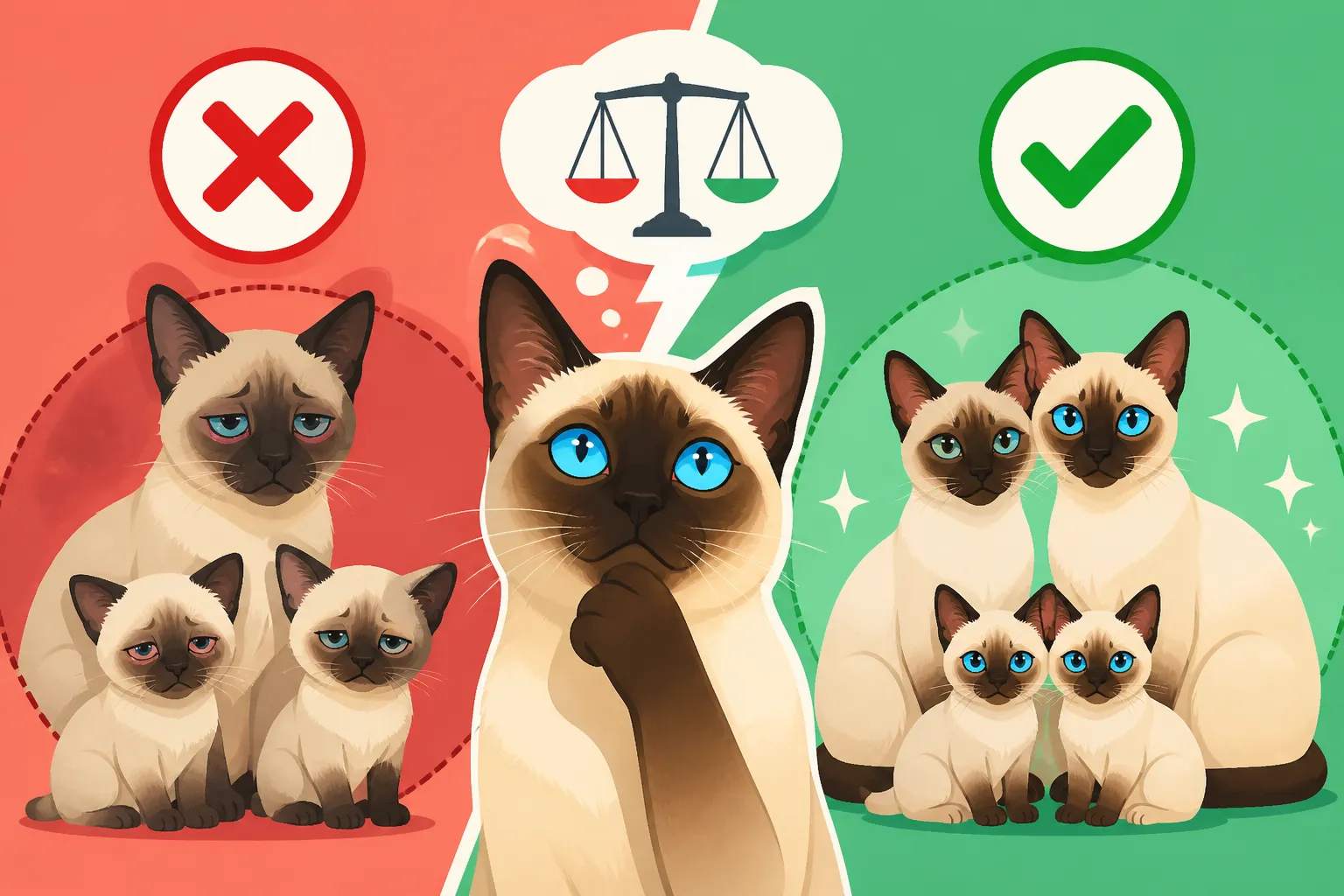
When a beloved Siamese cat is diagnosed with a genetic illness, the ethical weight on the shoulders of breeders and owners considering their relatives for breeding can be immense. It’s a decision fraught with emotion and responsibility, balancing the desire to continue a cherished line with the paramount duty to promote the health and well-being of the breed.
Assessing Risk in Closely Related Cats
The closer the genetic relationship, the higher the risk of transmitting undesirable traits. This isn't just a statistical probability; it's a direct reflection of shared genetic material. If a Siamese cat's parent, sibling, or offspring has developed a confirmed genetic condition, particularly one as devastating and untestable as Amyloidosis, the red flags should be waving vigorously. Breeding direct relatives of an affected cat, especially a parent or a sibling, significantly increases the likelihood of producing more affected offspring. This is particularly true for recessive conditions, where both parents might be asymptomatic carriers, and only when two carriers are bred together does the disease manifest in the kittens. For instance, if a cat's full sibling succumbed to Amyloidosis, that sibling likely inherited two copies of the "bad" gene, meaning both parents were at least carriers. Breeding from those parents again, or from other siblings, carries an undeniable, and arguably unacceptable, risk. It requires an honest, often painful, assessment of genetic integrity and a willingness to prioritize health over lineage continuity.
Considering Extended Family Lines
The genetic threads of inherited diseases don't stop at direct relatives. They weave through the wider family tree, touching aunts, uncles, cousins, and previous generations. When a genetic condition appears, particularly one with an unknown mode of inheritance or no available DNA test, the ripple effect can extend far and wide. This is where pedigree research becomes absolutely critical. Responsible breeders delve deep into the documented lineage, looking for patterns of early or unexplained deaths, chronic illnesses, or any historical mentions of similar symptoms. They understand that a problem discovered in one branch of the family tree could indicate a wider genetic issue within the overall line.
It means not just looking at the immediate sire and dam, but their parents and grandparents, too. Are there common ancestors among affected cats? Are certain lines repeatedly producing cats with these issues? This kind of forensic pedigree work, often done in conjunction with fellow responsible breeders and breed clubs, is essential to understand the potential reach of a genetic problem. It’s a long, often tedious process, but vital for preserving the long-term health of the breed, helping to inform decisions about Whether an affected Siamese cat's relatives should be bred.
The Role of Pedigree Research
You might think that simply looking at a cat's family tree is enough, but true pedigree research goes beyond names on a paper. It involves actively seeking out health information, even potentially uncomfortable truths, about every cat in the lineage. This means speaking to other breeders who have used the same lines, checking health databases (if available), and critically reviewing any health testing results that have been performed. For conditions like Amyloidosis, where definitive live testing is elusive, breeders often rely on the honesty and transparency of their peers, sharing information about cats that have sadly passed away, including necropsy results.
A diligent breeder will track every kitten they produce and encourage their owners to report any significant health issues throughout the cat's life. This long-term commitment to data collection builds a comprehensive health profile for the entire cattery and its descendants. Without this meticulous record-keeping and open communication, it's impossible to truly understand the genetic risks inherent in a breeding program. This deep dive into a cat's ancestry is a testament to a breeder's commitment to improving the breed, rather than simply reproducing.
Mitigating Risk and Making Responsible Choices
Facing a genetic health concern within your Siamese cat's family line is undoubtedly daunting, but it also presents an opportunity for incredibly responsible and forward-thinking decisions. The goal isn't just to avoid future problems, but to actively work towards a healthier future for the entire breed.
Health Screening and Genetic Testing
While we wish there were tests for every genetic ailment, the reality is more complex. For some conditions, like the aforementioned Amyloidosis, there is no DNA test for Siamese Cat Amyloidosis, making proactive screening incredibly difficult during a cat's lifetime. This means breeders must rely on thorough physical exams, regular bloodwork, and vigilant observation of their cats' health. They might also utilize screening tools like ultrasounds to look for early signs of organ changes, though these are often not definitive for conditions like amyloidosis until the disease is quite advanced.
However, for other conditions, genetic testing is available and should be utilized. For example, if a specific form of PRA can be reliably tested for, all breeding cats should undergo this screening to identify carriers or affected individuals. What a Siamese cat breeder should have screened covers a range of tests beyond just DNA, including cardiac evaluations for heart disease and routine veterinary check-ups that might catch subtle signs of illness. It's about combining all available tools, understanding their limitations, and always acting in the best interest of the cats. Even with the best screening, sometimes nature throws a curveball, which is why having comprehensive pet insurance, like a plan from Healthy Paws, can be a real lifesaver for unexpected diagnoses and subsequent treatments.
Outcrossing and Diversifying the Gene Pool
One of the most effective strategies for reducing the prevalence of inherited diseases in a closed gene pool is judicious outcrossing. This involves introducing a cat from an unrelated or distantly related bloodline to bring in fresh genetic material. The idea is to dilute the concentration of potentially problematic genes within a line, making it less likely for two copies of a recessive disease gene to come together. However, outcrossing needs to be done with extreme care. It's not about randomly breeding with any Siamese cat; it requires careful selection of an outcross partner who comes from a known healthy line, with generations of documented health and temperament.
A responsible breeder choosing an outcross partner will often spend years researching pedigrees, talking to other breeders, and gathering health information on potential mates. They understand that bringing in new genetics also means potentially introducing new, unknown issues, so the process is always one of measured risk and thoughtful planning. This commitment to diversifying the gene pool, when done correctly, is a cornerstone of responsible breeding, ensuring the long-term vitality and health of the Siamese cat.
When Neutering/Spaying Is the Kindest Option
Sometimes, despite all the hope and careful planning, the most responsible and humane decision is to remove a cat from the breeding program. If a Siamese cat is a known carrier of a severe genetic disease, or if multiple close relatives have been affected by a condition that is clearly inherited within the line, then neutering or spaying that cat is often the kindest and most ethical choice. This tough decision is made out of deep love and respect for the breed, preventing further suffering for future generations of kittens and their owners.
It’s an acknowledgment that while a cat may be a wonderful companion and possess many desirable traits, their genetic contribution could lead to significant health problems down the line. This doesn't diminish the individual cat's value; it elevates their welfare and the welfare of the breed as a whole. For owners of beloved companion cats who, through no fault of their own, are found to carry or develop such conditions, embracing spaying or neutering is a powerful act of responsibility. It allows them to live their full lives as cherished pets without the added burden of perpetuating genetic risks. Even for these companion cats, knowing you have a reliable insurance provider like Healthy Paws can provide immense peace of mind, knowing that if any health issues arise, you're better prepared for the financial aspect of their care.
Supporting the Future of the Siamese Breed
The health of the Siamese cat breed rests on the collective shoulders of breeders, owners, and enthusiasts. Every decision made, particularly concerning breeding, has a ripple effect that can either strengthen or weaken the breed's future. It's a journey of continuous learning, transparency, and unwavering commitment to ethical practices.
Breeder Responsibilities
Responsible breeders are the true custodians of the Siamese breed's future. Their responsibilities extend far beyond simply producing cute kittens. They are historians, geneticists, and caregivers, all rolled into one. A truly dedicated breeder operates with open books, sharing health information readily and honestly with potential buyers and fellow breeders. They understand the importance of tracking every kitten they produce, maintaining detailed health records, and following up with owners throughout the cat's life. This long-term commitment helps build a comprehensive picture of health trends within their lines.
They are also prepared to make the incredibly difficult, but necessary, choices: to sometimes remove a beloved cat from a breeding program if a significant inherited health issue emerges in their lineage. This might mean spaying or neutering a cat with otherwise excellent conformation and temperament because their genetics pose too great a risk. Good breeders also actively participate in breed clubs, contributing to discussions on health, collaborating on research, and upholding strict ethical guidelines. They are transparent about the challenges, like the difficulties in screening for certain conditions, and educate prospective owners about the reality of inherited diseases in the breed. This dedication is paramount to improving how healthy the Siamese cat actually is.
Owner Advocacy and Information Sharing
As an owner, you hold a vital piece of the puzzle in ensuring the health of the Siamese breed. Your experiences, whether good or bad, provide invaluable data that can help breeders make more informed decisions. If your Siamese cat is diagnosed with a genetic condition, even years after you brought them home, it is incredibly important to communicate this information back to your breeder. This feedback loop is essential. It allows the breeder to track the prevalence of certain conditions, identify potential carriers, and adjust their breeding program accordingly. Without this input, breeders are often operating in the dark.
Furthermore, consider sharing your cat's health information, anonymously if preferred, with breed-specific health registries or research initiatives. These efforts rely on comprehensive data from many cats to identify genetic markers, understand disease progression, and ultimately work towards finding cures or diagnostic tests. Being an advocate for your cat's health means being a part of a larger community dedicated to the well-being of the breed. It can even involve considering an insurance plan like Healthy Paws, which encourages regular vet visits and can help cover the costs of diagnostics that yield critical information, not just for your cat, but potentially for its relatives and the wider breed population. Your commitment to transparency and information sharing is a powerful tool in safeguarding the future of the Siamese cat.
| Breeding Consideration | Affected Relative Type | Amyloidosis (No DNA Test) | PRA (DNA Test Available) | General Recommendations |
|---|---|---|---|---|
| High Risk | Parent or Sibling | DO NOT BREED | DO NOT BREED | Strongly consider neutering/spaying. |
| Offspring | DO NOT BREED | DO NOT BREED | If offspring is affected, assume parent is at least a carrier. Remove parent from breeding. | |
| Medium Risk | Aunt, Uncle, Grandparent | Proceed with extreme caution. | Test thoroughly. | Consider outcrossing and rigorous health monitoring. |
| Half-Sibling | Proceed with extreme caution. | Test thoroughly. | Evaluate shared parent's lineage carefully. | |
| Lower Risk | Distant Relative (e.g., great-grandparent, cousin) | Monitor closely; deep pedigree research. | Test thoroughly. | Maintain impeccable health records and transparency. |
Disclaimer
The information provided in this article is for educational purposes only and is not intended to be a substitute for professional veterinary advice. Always consult with a qualified veterinarian or a reputable Siamese cat breeder for specific health and breeding concerns related to your cat.