Whether Every Siamese Cat Is Vocal
It's a common worry for many prospective cat parents: will my new Siamese cat fill my home with constant chatter, or are those stories just exaggerated tales? The truth is, many people are captivated by the stunning looks and engaging personalities of Siamese cats, only to be surprised by the sheer volume and frequency of their vocalizations. This guide is here to shed light on just how vocal Siamese cats really are, helping you understand what to expect and how to foster a harmonious home with these wonderfully chatty companions.
The Inescapable Truth: Is Every Siamese Cat Truly Vocal?
Let's address the elephant in the room, or rather, the "Meezer" in the living room. While it's impossible to guarantee that every single individual Siamese cat will be a non-stop chatterbox, the short answer is that vocalization is profoundly ingrained in the breed's DNA. It's not just a personality quirk; it's a fundamental characteristic, almost as defining as their striking blue eyes and elegant, slender physique. When you welcome a Siamese cat into your home, you are, by and large, inviting a conversationalist.
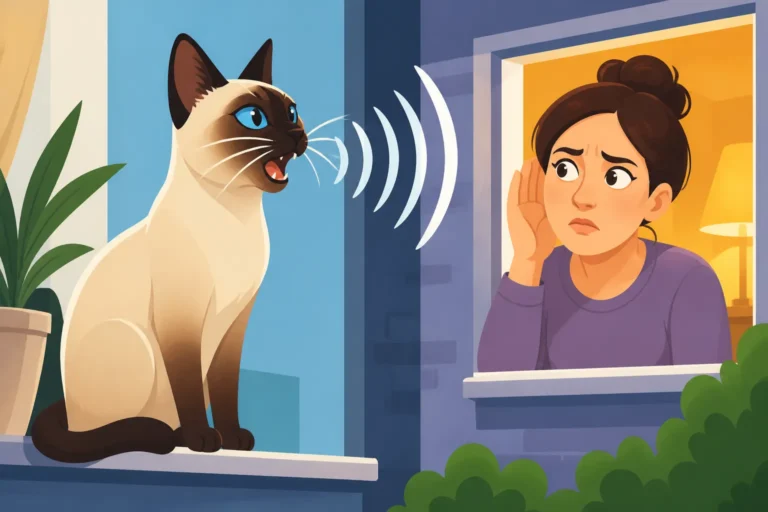
Think of it this way: some dog breeds are known for their barking, and others for their quiet demeanor. The Siamese cat falls squarely into the "vocal" category of felines. They aren't just meowers; they possess a whole lexicon of sounds – trills, chirps, growls, and most famously, that distinctive, often insistent "Meezer yowl" that can sound surprisingly human-like, sometimes even reminiscent of a baby crying. This isn't usually a sign of distress, but rather their way of communicating a need, a desire, or simply demanding your attention. For many first-time Siamese owners, the sheer volume and variety can be quite a shock if they're used to more demure feline companions.
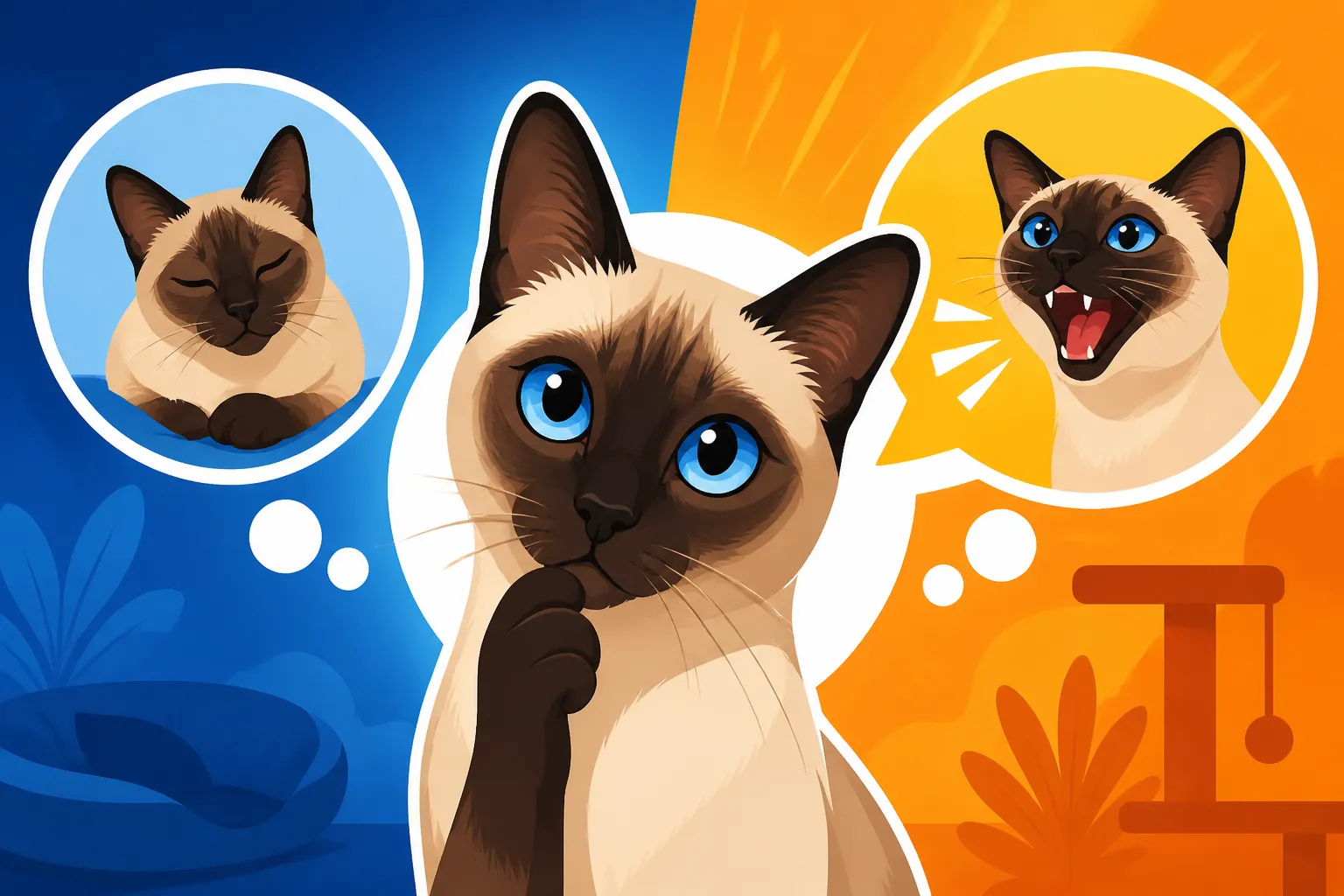
However, it's also important to acknowledge that there's a spectrum. Some Siamese cats will be more vocal than others. You might find one who "talks" almost constantly, commenting on everything from their empty food bowl to the squirrel outside the window. Another might be a bit more reserved, offering opinions only when something truly important (like cuddle time or a game of fetch) is at stake. But the underlying tendency to vocalize is almost always present. If you're hoping for a silent companion, a Siamese cat is probably not the best fit for your household. They thrive on interaction and see vocalization as a primary tool for engaging with their beloved humans.
Why the Siamese Cat Has Earned Its Reputation for Chatter
The reputation of the Siamese cat as a highly vocal breed isn't just an old wives' tale; it's rooted in their history and genetic makeup. These cats were once revered companions in the royal courts of Siam (modern-day Thailand), where their unique voices might have been seen as a feature, not a bug. They weren't bred to be silent hunters or solitary creatures but rather to be engaging, interactive, and attention-seeking companions for royalty. Over generations, this trait became more pronounced, becoming a hallmark of the breed we know and love today.
Their vocalizations serve multiple purposes beyond just demanding food. For a Siamese, talking is a form of bonding. They're engaging with you, expressing their feelings, and trying to communicate their needs and observations. It's their way of initiating play, soliciting affection, or simply letting you know they're there and involved in whatever you're doing. Many Siamese owners describe feeling like their cat is having a genuine conversation with them, complete with pauses and inflections. It's this deep need for interaction and their inherent intelligence that often drives their persistent vocal nature. They're trying to figure you out, and they expect you to figure them out, too!
This constant communication also stems from their high energy levels and intellectual curiosity. A bored Siamese is often a vocal Siamese. They don't just sit idly by; they want to be involved in the action, and if they're not, they'll make sure you know it. This can lead to persistent meows or yowls directed at you until you engage them in play or conversation. Understanding this drive for interaction is key to appreciating and managing their vocal tendencies. It’s not just noise; it’s a sophisticated form of social engagement. If you want to dive deeper into their sounds, you can explore What the Siamese Cat's Meezer Yowl Sounds Like.
The Sound Spectrum: Different Types of Siamese Vocalizations
The Siamese cat's vocal repertoire is surprisingly broad, going far beyond a simple "meow." Recognizing the different sounds they make can help you better understand what your cat is trying to tell you.
- The Classic "Meezer Yowl": This is the sound most famously associated with the breed. It's often loud, drawn-out, and can have a slightly nasal quality. Owners often describe it as sounding like a human baby crying or a distressed infant. However, for a Siamese, it's frequently a plea for attention, a demand for food, or a complaint about a perceived injustice (like a closed door). It's their way of saying, "I'm here, I need something, and I'm not going to be ignored!"
- Chirps and Trills: These softer, almost bird-like sounds are often used for greeting, especially when they're happy to see you. A chirp might precede a head-butt or a leg rub, indicating affection or a playful mood. It’s a much gentler, more inviting sound than the yowl.
- Short, Sharp Meows: These are your standard "cat noises," but often delivered with more urgency or frequency by a Siamese. They might use these for immediate demands, like "feed me now!" or "let me in!"
- Growls and Hisses: While not unique to Siamese, these are important to recognize. They indicate fear, anger, or extreme irritation. If your Siamese is growling or hissing, they are telling you very clearly to back off or that they feel threatened.
- Purrs: Of course, Siamese cats purr, and they can purr with incredible intensity when they are content and comfortable, often while kneading your lap. It's a sign of ultimate relaxation and happiness.
| Vocalization Type | Common Meaning | Intensity | Frequency in Siamese |
|---|---|---|---|
| Meezer Yowl | Demanding attention, hunger, complaint, loneliness | High | Very Frequent |
| Chirp/Trill | Greeting, affection, playful invitation | Low | Frequent |
| Short Meow | Immediate demand, question | Medium | Frequent |
| Growl/Hiss | Fear, anger, threat | High | Low (stress-related) |
| Purr | Contentment, relaxation, affection | Low | Frequent (when happy) |
Understanding this range helps in deciphering your cat's communication. Most of the time, their vocalizations are simply a desire for interaction, as detailed in A Siamese Cat Will Not Be Ignored.
What Influences a Siamese Cat's Volume?
While the Siamese cat breed is generally vocal, there are definitely factors that can influence just how vocal an individual cat might be. It's not a one-size-fits-all situation, and understanding these influences can help you anticipate and even gently manage your cat's propensity for chatter.
The Role of Genetics and Lineage
Just like humans inherit certain traits from their families, so do cats. Vocalization can be a genetic predisposition, and certain lines within the Siamese breed might be known for being particularly chatty, while others might be slightly more reserved. If you have the opportunity to speak with a reputable breeder, they might be able to tell you about the vocal tendencies of the kitten's parents and grandparents. This isn't a guarantee, of course, as individual personalities always shine through, but it can offer a clue.
Furthermore, some subtle differences between traditional "Applehead" Siamese and the more modern "Wedge" head types are sometimes thought to influence vocalization, though this is anecdotal. Some believe that the traditional Whether an Applehead Siamese Cat Is Quieter might be slightly less intense in their vocalizations than their more angular, modern counterparts, but again, this isn't a hard and fast rule. It's more about individual cat personality and upbringing than a strict head-type correlation. Regardless of head shape, if it's a Siamese, assume it's going to talk.
Environmental Factors and Upbringing
A cat's environment and early experiences can play a significant role in shaping their vocal habits. Kittens that are handled frequently and grow up in a bustling, interactive household often learn that vocalization is an effective way to get attention. Conversely, a kitten raised in a quieter environment might develop slightly less persistent vocal habits, though the inherent Siamese talkativeness will likely still emerge.
The way you respond to your Siamese cat's vocalizations also matters. If every meow or yowl immediately gets your full attention, a treat, or a play session, your cat quickly learns that being vocal is a highly effective strategy for getting what they want. This isn't necessarily a bad thing – it means your cat feels heard and understood – but it can certainly reinforce the behavior. Consistency is key: if you want to encourage certain types of vocalizations (like chirps for greeting) and gently discourage others (like yowling at 3 AM), your reactions will teach them which sounds are most effective.
Think about how a Siamese cat lives indoors only. If they don't have enough stimulation, they might become more vocal out of boredom or frustration. Providing plenty of enrichment, from tall What a Cat Tree for a Siamese Cat Costs to interactive toys you can find on Amazon, can sometimes help redirect their energy and reduce excessive vocal demands.
Health and Age: Changes in Vocal Patterns
Sometimes, a sudden change in your Siamese cat's vocal patterns can be a sign that something is amiss. An otherwise quiet cat who suddenly starts yowling excessively or a normally chatty cat who becomes unusually silent might be trying to tell you they're not feeling well. Pain, discomfort, or an underlying medical condition can all manifest as altered vocalizations. If you notice a drastic or unexplained shift, it's always wise to consult your veterinarian to rule out any health issues. This is especially true if you are concerned that When a Siamese Cat's Meowing Means Pain.
As Siamese cats age, their vocalizations can also change. Some older Siamese cats may become more vocal, particularly if they are experiencing cognitive decline (dementia) or hearing loss. An older cat with failing senses might yowl more frequently or loudly as a way to orient themselves or to express confusion or anxiety. Conversely, some senior cats might become less vocal due to general lethargy or discomfort. Paying close attention to these changes can help you understand and address their needs as they enter their golden years, as discussed in Why an Old Siamese Cat Yowls More.
Living with a Vocal Siamese: Managing Expectations and Enrichment
Embracing a Siamese cat means embracing their voice. Rather than trying to "silence" them, which is often futile and can lead to frustration for both of you, the goal is to understand why they're being vocal and to manage their needs and your expectations accordingly.
Understanding Their Needs: Why They Yowl, Meow, and Chirp
The first step in living harmoniously with a vocal Siamese is to become a master interpreter of their sounds. Is it mealtime, and they're reminding you their bowl is empty? Is it playtime, and they're demanding interaction? Are they simply happy to see you and greeting you at the door? Each vocalization often has a root cause, and addressing that cause can sometimes reduce the intensity or frequency of the noise.
For instance, if your Siamese is yowling by their empty food bowl at 5 AM, try a timed feeder. If they are yowling at a closed door, Why a Siamese Cat Meows at a Closed Door, consider leaving it ajar or providing alternative access if safe. A cat who yowls because they're lonely might benefit from increased interactive play sessions or even a companion cat, as explored in Whether a Siamese Cat Is Happier in a Pair. Ignoring their calls altogether, especially when they're communicating a legitimate need, can lead to frustration and even louder, more persistent vocalizations. They're trying to tell you something important, and you're their primary caregiver.
Strategic Responses: How to Encourage Quiet Moments
While you'll never completely silence a Siamese, you can definitely shape their vocal habits with consistent training and redirection.
- Positive Reinforcement for Quiet: When your cat is being quiet and calm, reward them with praise, a gentle stroke, or a small treat. This helps them associate quiet moments with positive attention.
- Ignore Unwanted Vocalizations (Strategically): This is tricky, but crucial. If your cat is yowling for attention, and you know all their basic needs are met (food, water, litter box, safety), try to ignore the vocalization. Wait for a brief moment of quiet before giving them attention. This teaches them that yowling isn't the most effective way to get what they want. Be prepared; they might get louder before they get quieter. This concept is further discussed in Whether Ignoring a Siamese Cat's Meowing Works.
- Redirection with Play: A bored Siamese is a loud Siamese. Engage them in active play sessions, especially before bed. Laser pointers, feather wands, and toys that mimic prey are fantastic for burning off energy. If they start to vocalize excessively, try to redirect their attention to a favorite toy or a puzzle feeder you bought from Amazon.
- Enrichment is Key: Siamese cats are highly intelligent and need mental stimulation. Provide plenty of vertical space with cat trees and shelves, offer puzzle feeders to make them "work" for their food, and rotate toys to keep things interesting. A cat who is mentally and physically satisfied is less likely to yowl out of boredom or frustration. Consider items like an Amazon cat wheel or interactive treat dispenser.
Soundproofing and Neighborly Harmony
If you live in an apartment or close quarters, the sheer volume of a Siamese cat can sometimes be a concern for neighbors. While you can't muffle their meows completely, there are steps you can take to mitigate the sound. Heavy curtains, rugs, and upholstered furniture can help absorb sound. You might also look for sound-dampening panels on Amazon to place on shared walls.
Communicating with your neighbors can also go a long way. Let them know you have a vocal cat and that you're actively working on management strategies. Most understanding neighbors will appreciate the heads-up. Ultimately, selecting a Siamese cat means accepting their inherent chattiness. With patience, understanding, and consistent positive reinforcement, you can certainly guide your Siamese to be a more selective conversationalist, but their unique voice will always be a cherished part of their personality.
Disclaimer
This article is for general informational purposes only and does not constitute professional advice. Laws, prices and regulations vary by location and change over time. Consult a qualified professional for guidance on your specific situation.