What Meezer Yowl Means for a Siamese Cat
Oh, the infamous Meezer yowl! If you live with a Siamese cat, you know exactly what I'm talking about. It's not just a meow; it's a full-bodied, often deeply resonant, and undeniably loud vocalization that can pierce through walls and wake the deepest sleeper. Many a frustrated owner has wondered, "What on earth does that even mean?" This guide is here to help you decode your Siamese cat's distinctive yowl, understand the messages behind it, and learn how to respond in a way that fosters a deeper bond and a more harmonious home.
The Unique Vocal Repertoire of the Siamese Cat
Let's face it, Siamese cats are known for their voices. It's one of their most celebrated – and sometimes challenging – characteristics. They aren't just making noise; they are communicating with purpose and passion. Understanding this spectrum of sounds is the first step in truly connecting with your vocal companion.
More Than Just a Meow: The Spectrum of Sounds
While the yowl gets all the attention, it's important to remember that your Siamese has an entire dictionary of sounds at their disposal. They are truly masters of feline communication, using a range of chirps, trills, purrs, and even chattering noises when they spot a bird outside the window. A chirp might be a friendly greeting, a trill a happy invitation to follow them, and a rumbling purr, of course, signals contentment. These softer, more nuanced sounds are part of their everyday interaction, a melodic backdrop to their more dramatic pronouncements. How Many Sounds a Siamese Cat Makes
However, then there's the sound. The one that makes you pause, look around, and wonder if a small child has somehow snuck into your house. This incredible vocal range means that while a regular house cat might offer a polite "mew," a Siamese often opts for a more operatic performance. They tend to have lower, more guttural voices than many other breeds, which can intensify with age. How a Siamese Cat's Voice Deepens With Age This natural inclination towards vocalization is a hallmark of the breed, a trait that endears them to some and baffles others.
The Distinctive "Meezer Yowl" Explained
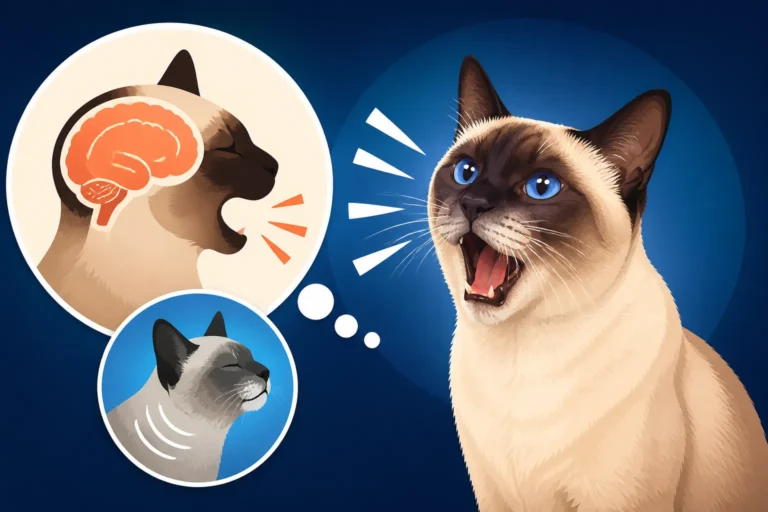
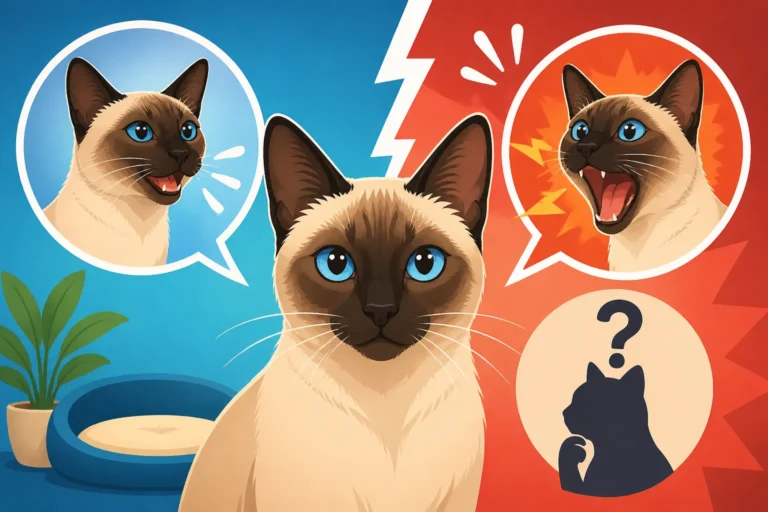
So, what exactly is the Meezer yowl? It's that long, drawn-out, often piercing cry that sounds less like a typical cat and more like, well, a demand. It's not a short, sweet meow. It's a sustained, often rising and falling sound that demands immediate attention. Think of it as the feline equivalent of a toddler throwing a tantrum for a toy, or a dramatic opera singer hitting their crescendo. It’s loud, it’s insistent, and it’s almost impossible to ignore. What Meezer Yowl Means for a Siamese Cat
For new Siamese owners, this can be quite a shock. You might have read that Siamese cats are vocal, but nothing truly prepares you for the sheer volume and persistence of the yowl. It often carries a distinct "nyaow!" or "maaa-OW!" quality, and it's designed to get your attention, whether you're in the next room, downstairs, or even trying to sleep. This isn't shy, delicate communication; it's bold, direct, and completely unapologetic.
Why Your Siamese Cat Yowls: Decoding the Message
It might sound like random noise to the uninitiated, but a Siamese cat's yowl is never meaningless. It's always a message, and it's up to us, their devoted human companions, to figure out what they're trying to say. This takes a little detective work and a lot of patience, but once you start to understand the nuances, you'll feel much more connected to your expressive feline.
Attention-Seeking and Demand-Oriented Yowls
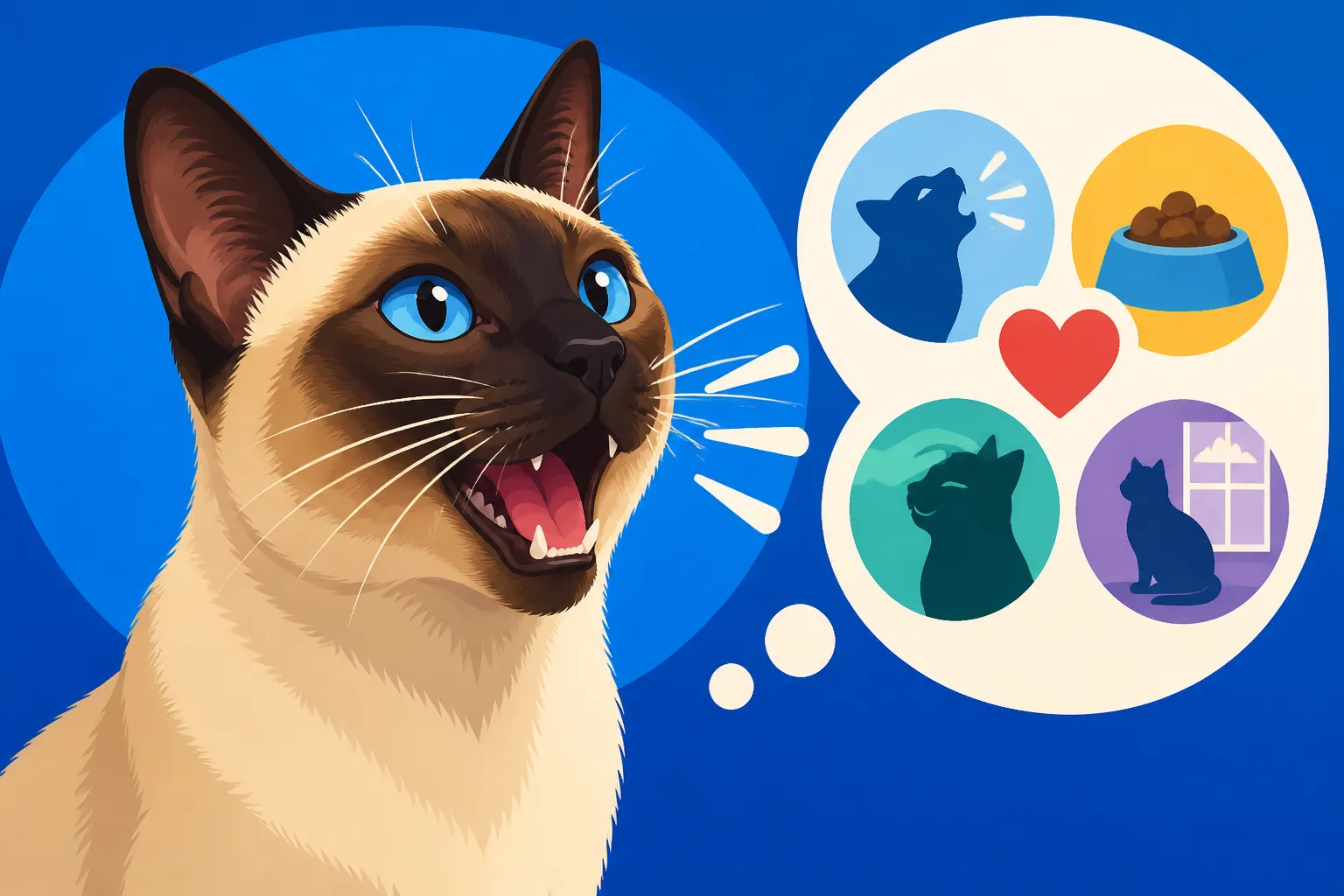
Let's be honest: a huge percentage of Siamese yowls are pure attention-seeking and demand-oriented. These cats are incredibly intelligent and quickly learn that a loud, sustained vocalization gets results. Whether it's the specific timing of the yowl or the context in which it occurs, they are trying to tell you something very specific they want.
- Food Demands: One of the most common reasons for a yowl. If it's mealtime, or even if they just think it should be, your Siamese will let you know. Picture this: you're walking into the kitchen, and your Siamese is already there, tail up, head tilted, launching into a plaintive, drawn-out yowl that clearly means, "My bowl is empty! Why aren't you feeding me right now?" Or perhaps you just sat down with your own dinner, and suddenly a mournful yowl begins, "Don't you dare eat that without sharing! I'm starving!" Why a Siamese Cat Yowls at an Empty Bowl
- Playtime Please!: Siamese cats are highly energetic and need a lot of mental and physical stimulation. A yowl can be their way of demanding a game of fetch (yes, they can play fetch!) or a session with their favorite wand toy. They might drop a toy at your feet and then yowl insistently until you pick it up and engage.
- Open That Door!: If a door is closed – будь то a bedroom door, a closet door, or even the bathroom door – and your Siamese wants to be on the other side of it, prepare for the yowl. They simply do not understand the concept of personal space or closed-door privacy. Why a Siamese Cat Meows at a Closed Door
- Cuddles and Affection: Despite their demanding nature, Siamese cats are incredibly affectionate. A yowl can be their way of saying, "Come here and pet me! I need cuddles!" They might jump onto your lap, push their head into your hand, and then unleash a yowl until you comply with their petting request.
Expressing Discomfort, Pain, or Stress
While many yowls are simply demands, it's crucial to understand that sometimes, a persistent or unusual yowl can be a sign of discomfort, pain, or significant stress. This is where your keen observation skills as a Siamese owner really come into play. A sudden increase in vocalization, or a yowl that sounds different from their usual demands, should always prompt closer inspection.
If your typically quiet Siamese suddenly starts yowling constantly, or if their usual demanding yowl takes on a more pained or desperate tone, it's time to investigate. They might be experiencing a sudden injury, an upset stomach, or even something more serious. A cat who is normally very active but is now hiding and yowling could be in a lot of pain. Likewise, an older Siamese cat might start yowling more frequently due to age-related discomfort, cognitive decline (dementia), or underlying health issues like kidney disease or hyperthyroidism. When a Siamese Cat's Meowing Means Pain It's always best to rule out medical concerns with a vet visit if the yowling is out of character or accompanied by other worrying symptoms.
Stress can also manifest as excessive vocalization. Changes in the home environment, such as a new pet, a house move, or even a change in your work schedule, can be incredibly unsettling for these sensitive cats. A stressed Siamese might yowl plaintively, pace, or exhibit other anxiety behaviors. Signs a Siamese Cat Has Separation Anxiety
Hormonal and Territorial Yowls
For intact (unspayed or unneutered) Siamese cats, yowling can be deeply tied to their hormones and territorial instincts. This is a very specific type of yowl, and it's important to recognize it, especially if you've recently adopted an adult cat whose history you don't fully know.
- Heat Cycles: An unspayed female Siamese in heat will produce incredibly loud, insistent yowls. This is her way of advertising her readiness to mate and attracting male cats. These yowls are often accompanied by rolling, rubbing, and a heightened level of restlessness. It can be quite a shock to experience for the first time, and it's definitely a sound designed to carry far and wide!
- Territorial Marking: Intact males might yowl to mark their territory or challenge other cats, either real or perceived. This is often accompanied by spraying urine, a clear signal to other felines that this space belongs to them. Even spayed and neutered cats can have territorial yowls if a strange cat appears outside the window or if there's a perceived threat to their established domain. This is less about demanding attention from you and more about making a statement to the world.
Boredom, Loneliness, and Anxiety
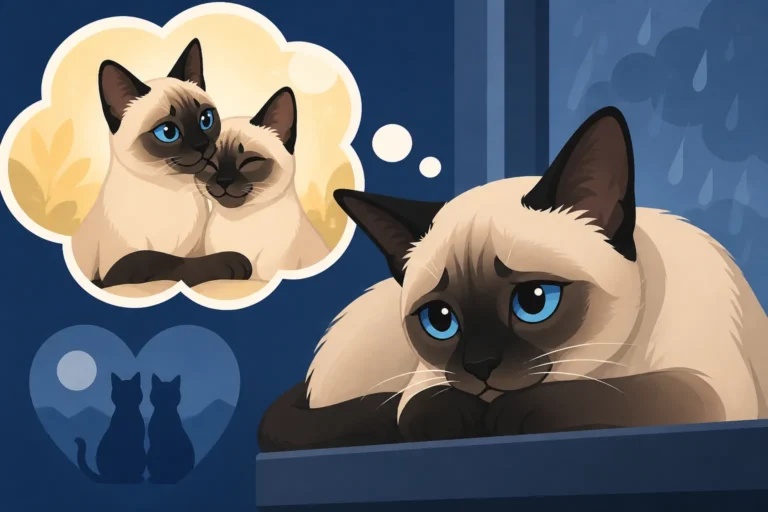
Siamese cats are famously social and intelligent. This means they get bored easily and can suffer from loneliness or separation anxiety if left without enough interaction or stimulation. A yowl stemming from boredom or loneliness can sound particularly mournful and repetitive.
Imagine a scene: you've been at work all day, and you come home to a constant chorus of yowls. Your Siamese is not just saying "hello," they're expressing their profound unhappiness at being left alone. These cats thrive on companionship and mental engagement. Without it, they can become deeply distressed. A bored Siamese might yowl at shadows, objects, or simply into the void, trying to stir up some action. They need to feel like they are part of the family, involved in your daily activities. If they feel neglected or under-stimulated, their powerful voice becomes their primary tool for complaint. A Siamese Cat Will Not Be Ignored Providing ample playtime, interactive toys (like those found on Amazon that dispense treats as they play), and even a feline friend can make a world of difference.
Addressing the Meezer Yowl: Understanding and Managing Vocalizations
So, you've figured out why your Siamese is yowling. Now what? Managing this powerful vocalization isn't about silencing your cat entirely, but about understanding their needs and teaching them more appropriate ways to communicate, while also recognizing when their voice is telling you something truly important.
Rule Out Medical Issues First
Before you jump to conclusions about your Siamese being "demanding," it is absolutely crucial to rule out any underlying medical conditions. A sudden or significant change in vocalization, particularly if it's accompanied by other symptoms like changes in appetite, litter box habits, or activity levels, warrants an immediate visit to your veterinarian.
Your vet will perform a thorough physical examination, and might recommend blood tests, urinalysis, or even imaging like X-rays or ultrasound, depending on what they suspect. Conditions such as hyperthyroidism, kidney disease, dental pain, arthritis, or even a simple urinary tract infection can all manifest as increased or unusual vocalizations. For example, an older Siamese cat with arthritis might yowl when attempting to jump, indicating pain. A cat experiencing hyperthyroidism might yowl due to increased anxiety and restlessness. Don't ever assume it's "just" your Siamese being a Siamese if there's a noticeable shift in their vocal habits. Signs a Siamese Cat Is Unwell Getting a clean bill of health from the vet provides immense peace of mind and allows you to focus on behavioral solutions.
Enriching Their Environment and Engaging Their Minds
Many Siamese yowls stem from sheer boredom or a lack of mental and physical stimulation. These are highly intelligent, active cats who need a stimulating environment to thrive. Simply providing food and a litter box isn't enough for a Siamese; they need to exercise their brains and bodies.
- Interactive Play: Dedicate at least two to three short, intense play sessions each day. Use wand toys, laser pointers (but always end with a tangible reward like a treat so they don't get frustrated), or feather teasers. This simulates hunting and allows them to burn off energy.
- Puzzle Feeders: Instead of just putting food in a bowl, use puzzle feeders. These ingenious devices make your cat "work" for their meal, engaging their problem-solving skills and slowing down their eating. You can find many options on Amazon that range from simple balls to more complex mazes. This helps satisfy their intelligent minds and can reduce food-related yowls.
- Vertical Space: Siamese cats love to climb and observe their kingdom from above. Provide tall cat trees, wall-mounted shelves, or even clear out a high spot on a bookshelf where they can perch (see How High a Siamese Cat Climbs). This gives them a sense of security and a new perspective on their surroundings.
- Window Perches: A comfortable perch by a window can provide hours of entertainment as they watch birds, squirrels, and passersby. This is "cat TV" at its finest!
A well-enriched environment can significantly reduce yowling driven by boredom. Think of it as preventative medicine for their vocal cords! Enrichment for a Siamese Cat That Gets Bored in an Hour
Establishing Routine and Consistent Responses
Siamese cats thrive on routine and clear communication from their humans. Inconsistent responses to their yowling can inadvertently reinforce the behavior, making it harder to manage.
- Establish a Schedule: Feed them at predictable times, have regular play sessions, and stick to a bedtime routine. Cats feel more secure when they know what to expect.
- Don't Reward Demanding Yowls: This is the tricky part. If your cat yowls for food, wait for a brief moment of silence before putting the bowl down. If they yowl for attention, turn your back or leave the room for a few seconds before engaging with them. The goal is to teach them that yowling doesn't get them what they want, but polite silence or a softer meow does. This isn't about ignoring their needs, but about shaping their communication.
- Pre-empt Their Needs: Often, you can anticipate your Siamese's demands. If they always yowl for play around 5 PM, initiate a play session at 4:45 PM. If they yowl for breakfast at 6 AM, get up and feed them before the yowl starts. This shows them you're attentive without reinforcing the loud demands.
- Positive Reinforcement: When your Siamese does communicate in a quieter, more appropriate way (a gentle nudge, a soft meow), reward them immediately with praise, a pet, or a small treat. They're smart enough to pick up on this!
This isn't an overnight fix, but consistent application of these strategies will slowly but surely help your Siamese understand the new rules of engagement. How to Train a Siamese Cat to Meow Less
When a Companion Might Be the Answer
Given their highly social nature, some Siamese cats truly suffer when they are the only feline in the household, especially if their humans are out for long stretches during the day. For these cats, a companion can be a game-changer, significantly reducing yowling stemming from loneliness or separation anxiety.
Before bringing home a second cat, consider your current Siamese's personality. Are they generally friendly towards other animals? Do they seem genuinely lonely? A companion can provide the constant interaction and mutual grooming that a single Siamese might be craving. However, introducing a new cat requires careful planning and a slow, gradual approach to ensure a harmonious integration. A second Siamese is often an ideal match, as they understand each other's intense play style and vocal tendencies. Whether a Siamese Cat Needs a Companion Cat
It's also worth noting that two Siamese cats can sometimes amplify the vocalizations, creating a chorus rather than a quieter home! But for many owners, the joy of seeing their two Meezers interact and entertain each other far outweighs the occasional double yowl.
Living with a Vocal Siamese: Embracing the "Meezer" Charm
Ultimately, if you've chosen a Siamese cat, you've chosen a companion with a voice. It's an inherent part of their charm, their history, and their identity. While you can manage excessive or inappropriate yowling, it's unrealistic – and frankly, a bit unfair – to expect a Siamese to be a silent cat. Embracing their vocal nature is part of the unique experience of living with this incredible breed.
Communicating Back: The Two-Way Street
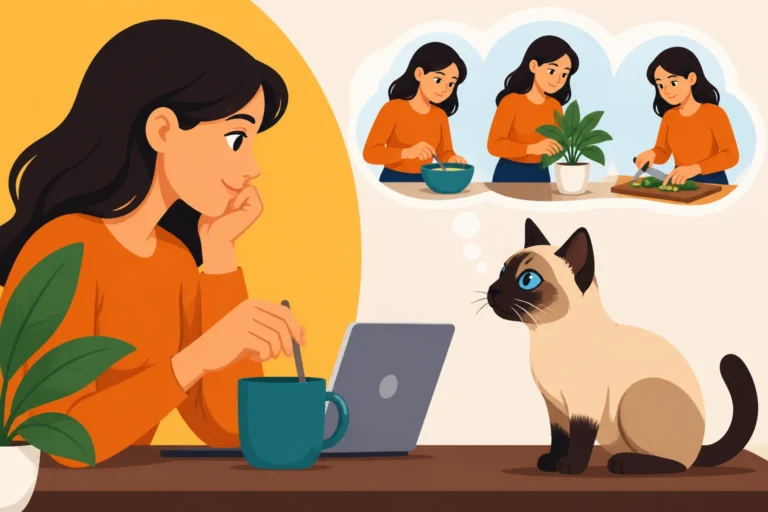
One of the most fascinating aspects of owning a Siamese is their tendency to "talk back." They don't just broadcast; they engage in conversations! If you talk to your Siamese, you'll often find them chirping, trilling, or even yowling in response, as if genuinely trying to understand and participate. Why a Siamese Cat Answers When You Talk
Lean into this. Chat with your cat. Describe what you're doing, ask them questions (even if they can't answer in words!). This interaction strengthens your bond and fulfills their deep need for connection. They thrive on being involved and feeling like a recognized member of the family, not just a decoration. This two-way communication makes them feel heard and understood, which can paradoxically reduce frantic, desperate yowls as they learn you are paying attention.
Managing Nighttime Yowling
Nighttime yowling is a common complaint among Siamese owners and can be incredibly disruptive. The house is quiet, and suddenly, the "Meezer yowl" echoes through the stillness. This can be due to boredom, loneliness, hunting instincts, or even age-related cognitive dysfunction in older cats.
- Last-Minute Play Session: Before bedtime, engage in an intense play session to tire your cat out. End with a small meal to satisfy their "hunt, kill, eat, sleep" cycle.
- Nighttime Feeder: If hunger is the culprit, a timed feeder that dispenses a small portion of food in the middle of the night can be a lifesaver. This quietly addresses their hunger without you having to get up.
- Ignore if Possible (for attention-seeking): If you've ruled out medical issues and hunger, and you suspect it's purely for attention, the hardest thing to do is ignore it. Getting up, yelling, or even just acknowledging them can reinforce the behavior. Earplugs might become your best friend during this training phase. How to Stop a Siamese Cat Waking You
- Warm Bedding: Siamese cats can feel the cold more keenly than other breeds due to their lack of an undercoat. A heated cat bed or a cozy blanket might help them settle more comfortably at night.
Accepting the Siamese Personality
The vocal nature of the Siamese cat is as much a part of their identity as their striking blue eyes and elegant build. It’s what makes them, well, them. While some individual Siamese cats may be quieter, the breed standard generally embraces and even expects their powerful voices. Whether Every Siamese Cat Is Vocal
If you're considering bringing a Siamese into your home, be prepared for this aspect of their personality. They are not shy, retiring wallflowers. They are bold, opinionated, and they will make sure their presence is known. For those who appreciate an interactive, communicative, and often hilarious feline companion, the Meezer yowl isn't a flaw; it's part of the package, a constant reminder of the vibrant, loving personality that has made these cats so beloved for centuries.
Disclaimer
This article is for general informational purposes only and does not constitute professional advice. Laws, prices and regulations vary by location and change over time. Consult a qualified professional for guidance on your specific situation.