Whether Fiber Reduces a Siamese Cat’s Wool Sucking
It's incredibly frustrating and frankly, quite worrying, when you see your beloved Siamese cat fixated on chewing and sucking on blankets, sweaters, or any fabric they can get their paws on. This behavior, often called wool sucking or pica, isn't just a quirky habit; it can be a sign of underlying stress, anxiety, or even a nutritional imbalance, and it carries the serious risk of an intestinal blockage. This guide will explore whether increasing dietary fiber can help curb your Siamese cat's wool sucking habit, delving into the science, anecdotal experiences, and offering practical, holistic strategies to keep your Meezer safe and content.
Understanding Siamese Cat Wool Sucking and Pica
Let's be honest, living with a Siamese means living with a cat that has a lot of personality, and sometimes that personality comes with some challenging behaviors. Wool sucking is one of those.
What is Wool Sucking and Why Do Siamese Cats Do It?
Wool sucking isn't just a cute kitten behavior; it's a form of pica, which is the craving and consumption of non-food items. For Siamese cats and their related Oriental breeds, it's a particularly common, and often genetically predisposed, issue. Imagine it like this: your cat feels an irresistible urge to knead, mouth, and sometimes ingest soft, fibrous materials. It could be your favorite wool sweater, a soft blanket, a cotton t-shirt, or even synthetic fabrics. It's often accompanied by a trance-like state, complete with purring and kneading.
Why do they do it? Well, it's complex, and there's no single answer. Some theories suggest it's a residual behavior from being weaned too early, mimicking the comforting action of suckling on their mother. For other Siamese, it’s a self-soothing mechanism, a way to cope with stress, boredom, or anxiety. It's their equivalent of a human nail-biting habit, but with far more severe potential consequences. This breed is known for its intense emotional needs and intelligence, and if those needs aren't met, behaviors like Why a Siamese Cat Sucks Wool can develop. It’s a cry for help, a way they try to regulate their internal world.
The Dangers of Ingesting Fabric for Siamese Cats
While a little suckling might seem harmless, the real danger comes when your Siamese starts to ingest the fabric. Unlike grass, which cats often eat and then vomit to clear their system, fabric doesn't break down. If your cat swallows even small pieces of yarn, thread, or fabric fibers, they can accumulate in their digestive tract. This can quickly lead to a linear foreign body obstruction.
Picture a long piece of thread getting caught under the tongue, and as the cat tries to pass it, it essentially "saws" through the intestines, causing severe damage. Or imagine a ball of swallowed fabric getting stuck, creating a blockage that prevents food and water from moving through. Both scenarios are veterinary emergencies, requiring expensive and invasive surgery to correct. Signs like repeated vomiting, lethargy, loss of appetite, straining to defecate, or abdominal pain are all red flags that your cat might have Signs a Siamese Cat Has an Intestinal Blockage, and you need to get them to the vet immediately. This isn't just about preserving your belongings; it's about saving your cat's life.
The Role of Fiber in a Cat's Diet
When we talk about dietary solutions for behavioral issues, it’s often about creating a sense of well-being, both physical and mental. Fiber can play a part in that, but it’s important to understand what it actually does for a cat.
What is Dietary Fiber for Cats?
Dietary fiber, in its simplest terms, refers to the indigestible parts of plant food. It's primarily found in vegetables, fruits, and grains. Now, cats are obligate carnivores, meaning their natural diet in the wild consists almost entirely of meat, with very little plant matter. However, modern commercial cat foods often include fiber for various reasons, mainly to aid digestion and provide a sense of fullness.
There are two main types of fiber:
- Soluble fiber: This type dissolves in water and forms a gel-like substance. It can help regulate blood sugar levels, slow down digestion, and act as a prebiotic, feeding beneficial gut bacteria. Sources include oats, barley, apples, and psyllium.
- Insoluble fiber: This type does not dissolve in water. It adds bulk to stool, helping food move more quickly through the digestive tract and preventing constipation. Sources include wheat bran, whole grains, and many vegetables like carrots and green beans.
For cats, fiber is not a primary nutrient source, but it can be a useful dietary additive. It can help manage weight by making them feel fuller, and it's often used in formulas designed to help with hairballs or gastrointestinal issues.
How Fiber Might Influence Satiety and Gut Health
The theory behind using fiber to reduce wool sucking often revolves around two main concepts: satiety and gut-brain axis communication.
First, satiety: If a cat is constantly feeling hungry or has underlying stomach discomfort, they might seek out non-food items to chew on. Fiber, particularly soluble fiber, can absorb water and expand in the stomach, promoting a feeling of fullness. If your Siamese is a rapid eater or seems perpetually hungry, even after a meal, increasing fiber might help them feel more satisfied, potentially reducing the urge to seek oral gratification from fabrics. It’s about calming that restless, seeking behavior that could be rooted in a physical sensation.
Second, gut health: There's growing research into the "gut-brain axis," the complex communication system between the digestive system and the brain. An unhealthy gut microbiome can influence mood, anxiety, and even obsessive-compulsive behaviors in various species. By promoting a healthy gut environment, especially with prebiotics (a type of fiber), we might indirectly influence brain chemistry and reduce anxiety-driven behaviors like wool sucking. It's not a direct cure, but it's about optimizing their overall internal balance, hoping it ripples out to their behavior.
Can Fiber Specifically Reduce Wool Sucking in Siamese Cats?
This is the million-dollar question for many frustrated Siamese owners. Let's manage expectations right away.
Examining the Evidence and Anecdotal Experiences
Here's the honest truth: there isn't a robust body of scientific research specifically proving that increasing dietary fiber directly cures or significantly reduces wool sucking in Siamese cats. Most of the recommendations are based on anecdotal evidence from vets, experienced breeders, and owners, alongside a general understanding of how fiber affects digestion and satiety in felines.
Many vets will suggest trying a high-fiber diet as part of a multi-faceted approach, especially if the cat is prone to hairballs, digestive upset, or seems to have an insatiable appetite. The reasoning is sound: if part of the wool-sucking behavior is driven by an uncomfortable tummy or a persistent feeling of hunger, fiber could alleviate those symptoms and, as a secondary effect, reduce the oral fixation. Some owners swear by it, reporting a noticeable decrease in fabric chewing after switching to a higher fiber food or adding fiber supplements. They might say their cat seems calmer, less agitated, and less prone to "grazing" on textiles. However, for other cats, it makes no difference at all, which points to the fact that wool sucking is often deeply ingrained and multi-factorial. It's not a magic bullet, but it can be a useful tool in your arsenal. Whether Fiber Reduces a Siamese Cat's Wool Sucking is a question with a nuanced answer, often depending on the individual cat and the underlying cause of their behavior.
Practical Ways to Incorporate Fiber into Your Siamese Cat's Diet
If you and your vet decide to try increasing fiber, here are some practical ways to do it:
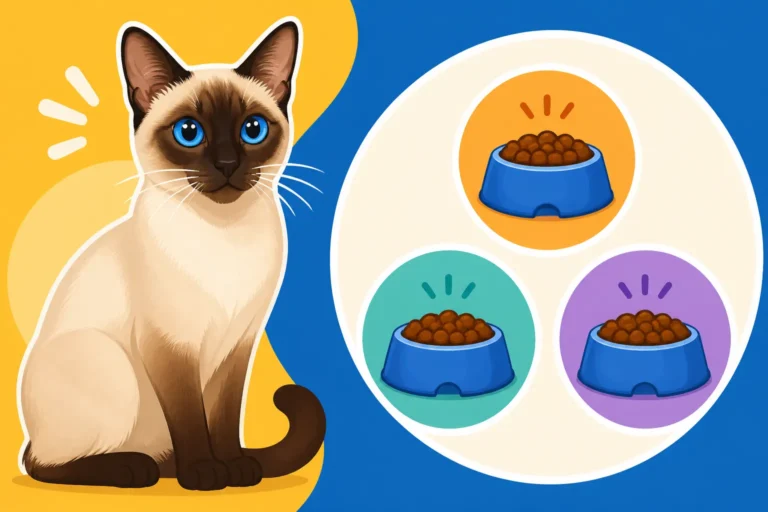
- Switch to a High-Fiber Commercial Diet: Many reputable pet food brands offer "hairball control" or "weight management" formulas that are naturally higher in fiber. Always look for high-quality ingredients, focusing on animal protein as the first ingredient. Brands like Purina Pro Plan, Royal Canin, or Hill's Science Diet often have these specialized formulas. You can usually find a good selection on platforms like Chewy or Amazon, making it easy to compare ingredients and prices.
- Add Fiber Supplements:
- Psyllium Husk: This is a common, safe fiber supplement. You can mix a small amount (start with 1/8 to 1/4 teaspoon) into your cat's wet food once or twice a day. Always ensure your cat has access to plenty of fresh water when increasing fiber.
- Canned Pumpkin (Plain): A small spoonful of plain, unsweetened canned pumpkin (not pumpkin pie filling!) can be a great natural source of fiber. Most cats tolerate it well, and some even enjoy the taste. Again, Amazon can be a good source for finding plain canned pumpkin if your local store is out.
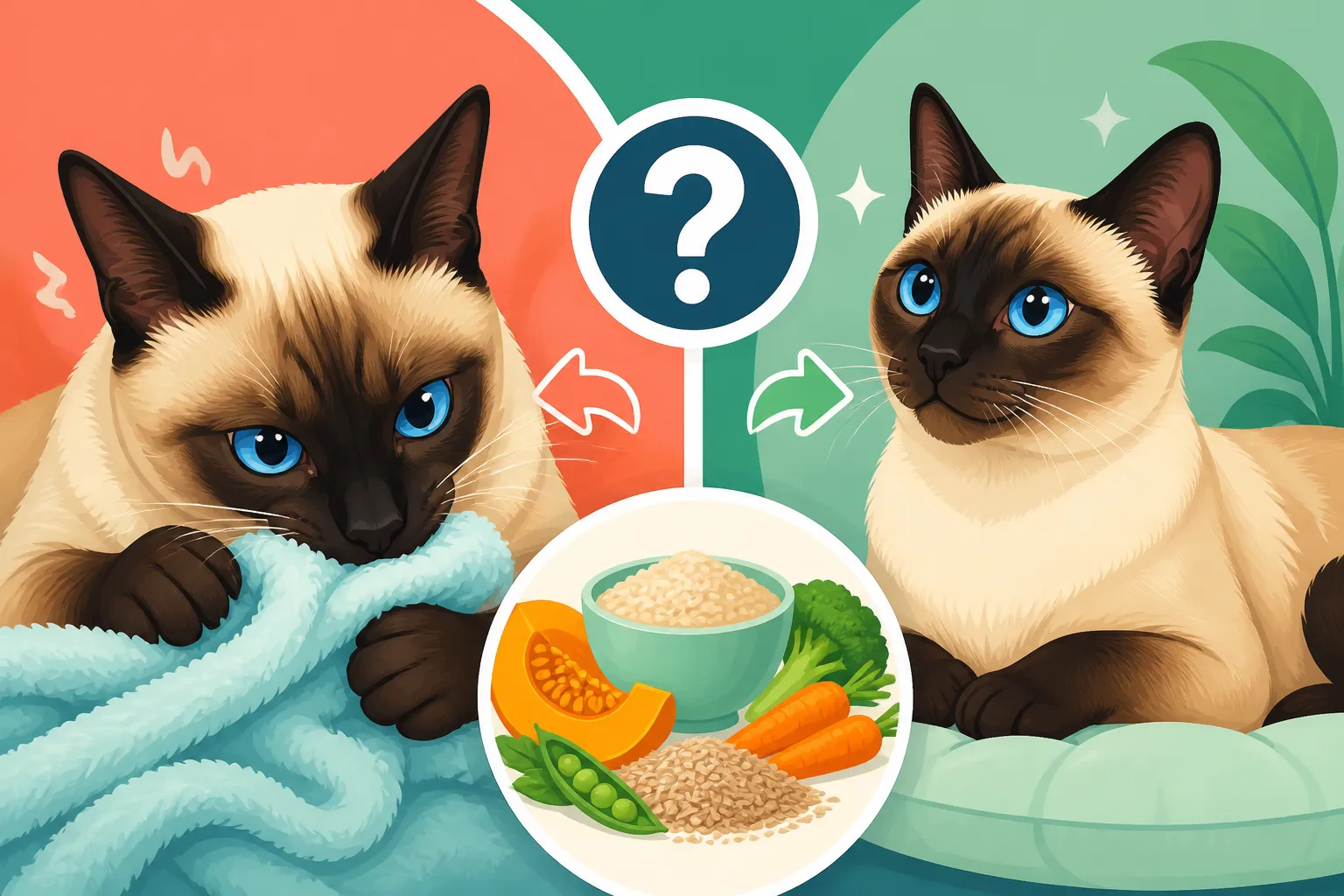
- Incorporate Small Amounts of Cooked Vegetables: While cats aren't keen on veggies, tiny, finely mashed amounts of cooked green beans, peas, or carrots can be mixed into their wet food. Remember, these should be cooked thoroughly and given in very small quantities, as they are not a natural part of a cat's diet.
- Consider Fresh Food Options (with vet guidance): Some holistic vets might suggest fresh, lightly cooked food options, which could be balanced to include appropriate fiber levels. Custom meal plans could be discussed with your vet for fiber adjustments, but always prioritize vet consultation for such significant dietary changes.
Always introduce new foods or supplements gradually over several days to avoid digestive upset. Observe your cat closely for any changes in their stool or behavior. If you notice any adverse reactions, stop and consult your vet.
| Fiber Source | Type of Fiber | Common Usage / Benefit | Considerations |
|---|---|---|---|
| Psyllium Husk | Soluble | Constipation, hairball control, satiety | Must be given with plenty of water; start small |
| Canned Pumpkin | Soluble & Insoluble | Constipation, diarrhea, hairball control | Ensure it's plain, unsweetened pumpkin only |
| Commercial High-Fiber Diet | Soluble & Insoluble | Overall GI health, weight management, satiety | Requires careful transition; vet-recommended brands |
| Cooked Green Beans/Peas | Insoluble | Adds bulk, minor satiety | Cats may refuse; very small amounts only |
| Oat Bran | Soluble & Insoluble | Hairball control, digestive regularity | Use sparingly; generally less palatable for cats |
When Fiber Alone Isn't Enough: A Holistic Approach
It’s crucial to understand that fiber is likely just one piece of the puzzle, not a standalone solution for wool sucking. If you've tried dietary adjustments and the behavior persists, it strongly indicates that other factors are at play.
Think of wool sucking as a symptom, not the disease itself. The "disease" might be boredom, anxiety, stress, or even an ingrained compulsive disorder. For instance, a cat that's feeling constantly under-stimulated might resort to wool sucking out of sheer boredom. Or a cat in a chaotic household might use it as a coping mechanism for their anxiety. In these cases, simply adding fiber to their food isn't going to address the root cause of their distress. You might find that Whether Pica Is a Medical Problem in a Siamese Cat requires a much broader intervention than just diet.
If you’ve tried fiber and seen no improvement, don't get discouraged. Instead, pivot to a more comprehensive strategy that addresses the cat's overall well-being. This often involves a multi-pronged approach combining environmental enrichment, stress reduction, and professional veterinary or behavioral consultation.
Comprehensive Strategies Beyond Diet for Wool Sucking
Successfully addressing wool sucking often means looking at the bigger picture of your cat's life and environment.
Environmental Enrichment and Mental Stimulation
Siamese cats are brilliant, inquisitive, and highly energetic creatures. They don't do well with boredom. If a cat doesn't have enough to do, they will invent their own entertainment, and sometimes that comes in the form of destructive or compulsive behaviors.
- Interactive Play: Dedicate at least two to three short, intense play sessions daily using wand toys, laser pointers (but always end with a tangible catch!), or feather teasers. This taps into their natural prey drive and burns off excess energy.
- Puzzle Feeders: Instead of just putting food in a bowl, use puzzle feeders to make them "hunt" for their meals. This engages their minds and slows down eating, which can also help with satiety. You can find many options on Chewy or Amazon.
- Vertical Space: Provide cat trees, shelves, or catio access (if safe) where they can climb, observe, and feel secure. Siamese cats love to be up high. Enrichment for a Siamese Cat That Gets Bored in an Hour is paramount for this intelligent breed.
- "Cat TV": Set up a bird feeder outside a window or leave nature videos playing on a screen to give them something interesting to watch.
- Rotate Toys: Keep a stash of toys and rotate them every few days to keep things novel and exciting. A new toy often gets more attention than one that's been lying around for weeks.
Stress Reduction and Routine
Siamese cats thrive on routine and can be sensitive to changes or perceived threats in their environment. Stress is a huge trigger for compulsive behaviors like wool sucking, much like it can cause What Psychogenic Alopecia Does to a Siamese Cat.
- Consistent Schedule: Try to feed them, play with them, and interact at roughly the same times each day. Predictability can be very comforting.
- Safe Spaces: Ensure your cat has quiet, private spots to retreat to when they feel overwhelmed. This could be a high perch, a cozy box, or a bed in a less-trafficked room.
- Pheromone Diffusers: Products like Feliway diffusers can release calming feline pheromones into the air, helping to reduce general anxiety in the home. Many owners find these beneficial for creating a more serene environment. These are readily available on Amazon and through many vet offices.
- Avoid Punishment: Never punish your cat for wool sucking. This will only increase their anxiety and likely worsen the behavior. Instead, redirect them to appropriate toys or activities.
- Address Triggers: Try to identify what might be triggering the behavior. Is it when you leave for work? When a new person visits? When they haven't played enough? Once you know the triggers, you can develop specific strategies to mitigate them.
Veterinary Consultation and Behavioral Therapy
For persistent or severe wool sucking, especially if ingestion is occurring, professional help is essential.
- Rule Out Medical Causes: First and foremost, your vet needs to rule out any underlying medical conditions that might be causing discomfort or increasing the urge to chew. They might perform blood tests or imaging to ensure there are no intestinal issues or other health problems.
- Behavioral Modification: Your vet might recommend working with a certified feline behaviorist. These experts can help you identify the root cause of the behavior and develop a tailored plan that includes environmental changes, counter-conditioning, and desensitization techniques.
- Medication: In some cases, particularly when anxiety or obsessive-compulsive tendencies are strong, your vet might discuss anti-anxiety medications. These aren't a standalone fix, but they can help reduce the cat's anxiety levels enough for behavioral modification techniques to be more effective. Just like Whether Medication Helps a Siamese Cat's Pica, it's a tool to support other changes. Your vet will assess the risks and benefits and guide you through the process.
Ultimately, addressing wool sucking in a Siamese cat requires patience, observation, and a willingness to explore various avenues. Fiber can be a helpful component in some cases, especially if digestive discomfort or satiety is a factor, but it's rarely the sole answer. By providing a stimulating environment, minimizing stress, and seeking professional guidance, you can significantly improve your Siamese cat's well-being and help them kick this potentially dangerous habit.
Disclaimer
This article is for general informational purposes only and does not constitute professional advice. Laws, prices and regulations vary by location and change over time. Consult a qualified professional for guidance on your specific situation.