What Nystagmus Looks Like in a Siamese Cat
Spotting unusual eye movements in your beloved Siamese cat can be incredibly unsettling. One moment they're gazing at you with those striking blue eyes, and the next, you notice a subtle, rhythmic flicker that wasn't there before. It immediately sends a wave of worry through you, wondering if something serious is going on with their health or vision. This guide is here to walk you through exactly what nystagmus looks like in a Siamese cat, delve into why it happens, and explain how you can best support your feline companion.
Understanding Nystagmus in Siamese Cats
The moment you notice anything unusual with your Siamese cat’s eyes, it’s natural to feel a pang of anxiety. Their expressive, intelligent gaze is one of their most captivating features, so any deviation can be particularly alarming. Nystagmus, while a medical term, essentially describes an involuntary, rhythmic movement of the eyes that can manifest in several ways. It’s not something they can control, and it's a symptom that points to an underlying cause, rather than being a standalone disease itself.
What Exactly Is Nystagmus?
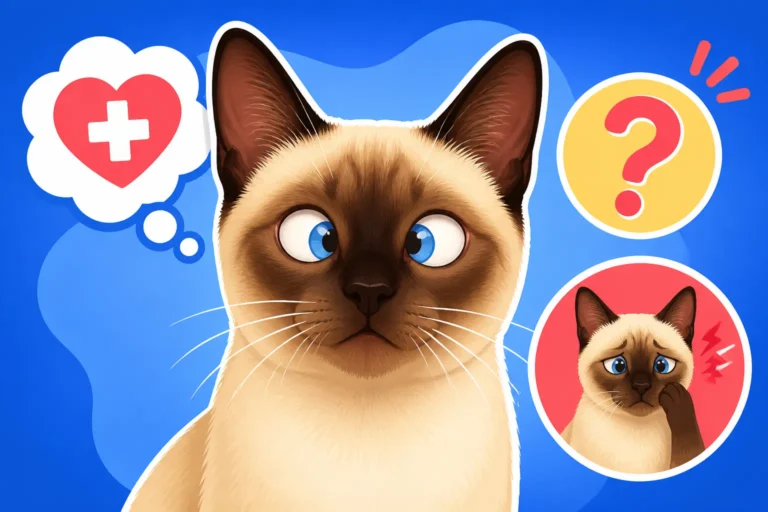
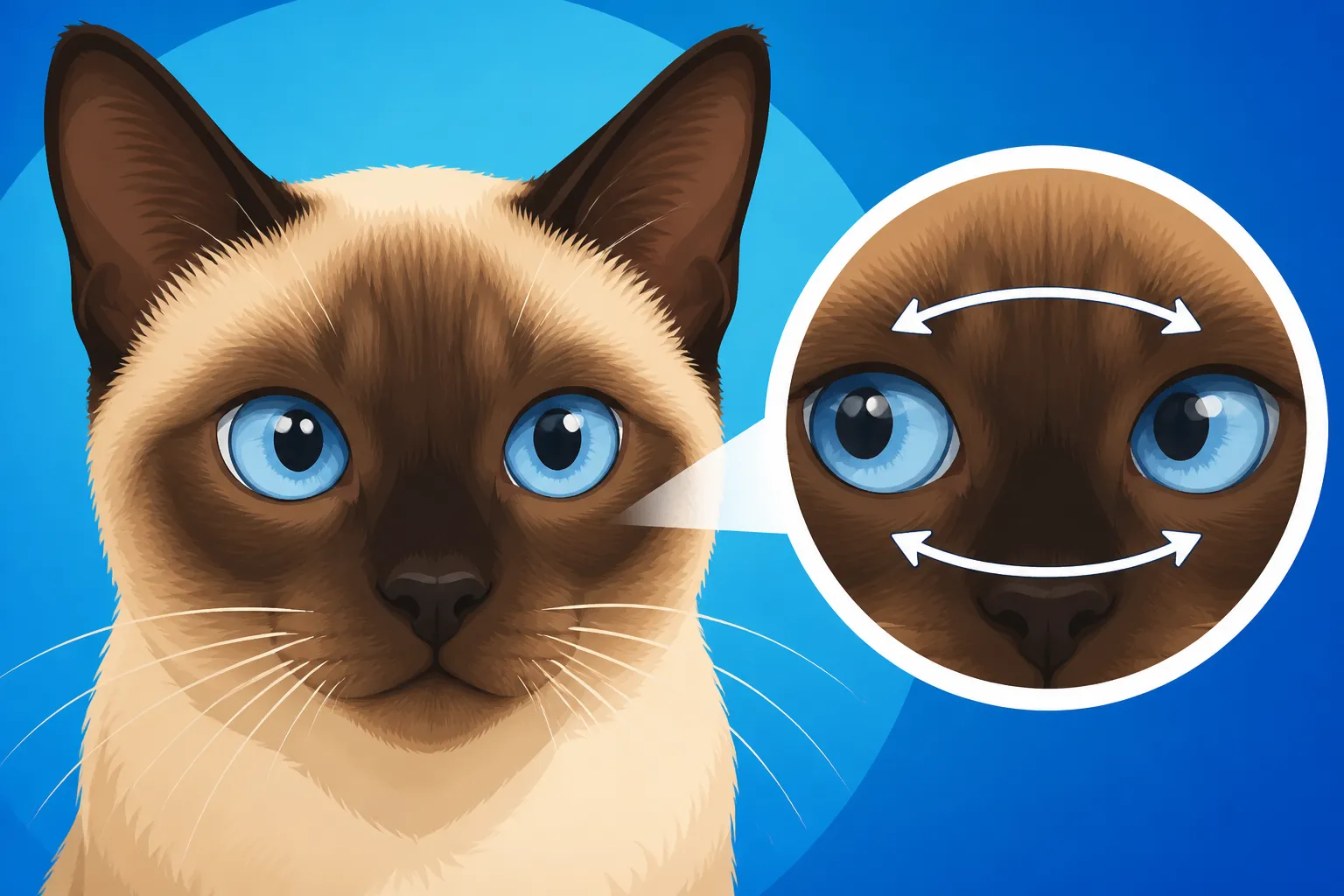
At its core, nystagmus refers to the repetitive, uncontrolled movements of the eyes. Think of it like a subtle, yet persistent, tremor affecting the eyeballs. Normally, your cat's eyes should be able to hold a steady gaze or track moving objects smoothly. With nystagmus, this smooth control is disrupted. The movements can be quite varied: sometimes they'll dart rapidly from side to side (horizontal nystagmus), occasionally they might twitch up and down (vertical nystagmus), or they could even rotate slightly (rotatory nystagmus).
The key here is "involuntary." Your Siamese isn't choosing to do this; it's a neurological reflex gone awry. These movements can be constant, or they might appear intermittently, perhaps when your cat is stressed, tired, or trying to focus on something. While it can look alarming, it’s important to remember that it's a sign that something deeper is at play, often involving the complex systems that control balance and vision.
Why Siamese Cats Are Prone to Nystagmus
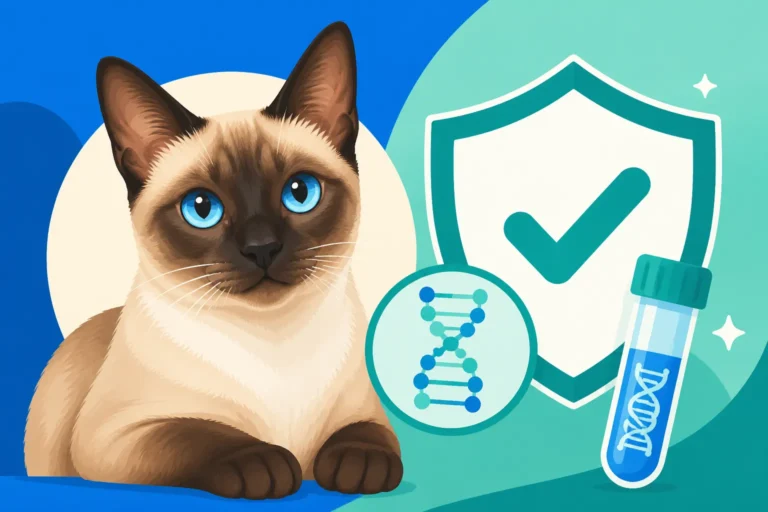
It might seem unfair that this specific breed, already known for their striking eye color and occasional Why a Siamese Cat's Eyes Cross, also has a higher predisposition to nystagmus. The truth lies deep within their unique genetic makeup. The very gene that gives them their distinctive point coloration—that beautiful contrast of dark extremities and a lighter body—is a form of partial albinism, specifically a mutation in the tyrosinase enzyme gene.
This particular genetic trait doesn't just affect their fur color; it also has profound implications for their visual pathways. In Siamese cats, the optic nerves, which carry visual information from the eyes to the brain, sometimes misroute at a crucial junction called the optic chiasm. This misrouting means that visual signals don't always cross over to the opposite side of the brain as they should, leading to the brain receiving slightly jumbled or less coherent visual input. This altered wiring can disrupt the delicate balance of signals needed for stable eye positioning, making them more susceptible to nystagmus, especially the congenital form.
The Different Types of Nystagmus
When we talk about nystagmus, it's not a one-size-fits-all condition. There are distinctions that help veterinarians pinpoint the underlying issue. Understanding these types can give you a clearer picture of what might be happening with your beloved feline.
Physiological vs. Pathological Nystagmus
First, it’s helpful to distinguish between physiological and pathological nystagmus. Physiological nystagmus refers to normal, usually very brief, eye movements that occur in response to certain stimuli. For instance, if you rapidly move a striped object past your cat's face, their eyes will track it and then quickly snap back, a response known as the optokinetic reflex. This is perfectly normal and not a cause for concern. Pathological nystagmus, however, is the type that indicates an underlying problem. These are the involuntary, sustained eye movements that you're likely noticing and worrying about.
Congenital Nystagmus
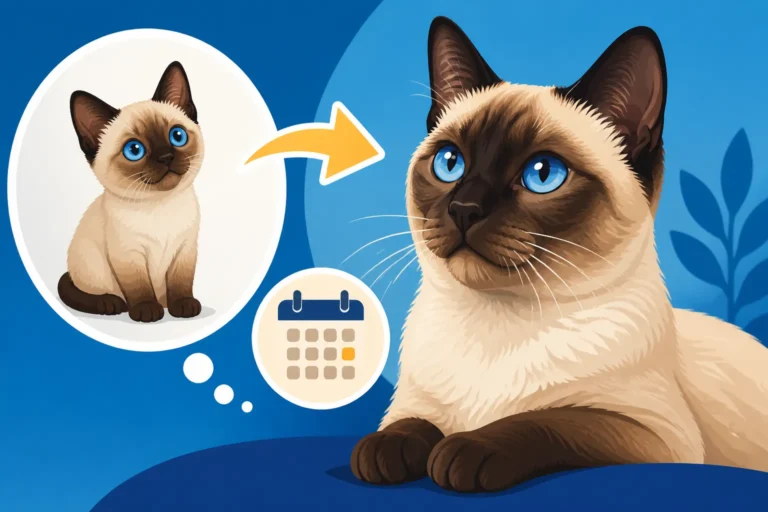
This type is present from birth or develops very early in a kitten's life. In Siamese cats, congenital nystagmus is often linked to the breed's aforementioned genetic predisposition and the abnormal routing of their optic nerves. Kittens born with this condition may show signs like a constant, usually horizontal, flickering of the eyes. The good news is that many cats with congenital nystagmus adapt remarkably well to their condition. Their brains learn to compensate, and they can lead full, happy lives without significant impairment, though their vision might be somewhat reduced. It's generally non-progressive, meaning it doesn't get worse over time.
Acquired Nystagmus
Unlike congenital nystagmus, which is present from the start, acquired nystagmus develops later in a cat's life. This type is always a red flag, as it signals that something new and potentially serious is affecting your cat's neurological system or balance. The causes can range widely, from inner ear infections and tumors to more complex brain lesions. When you see acquired nystagmus, it's often accompanied by other symptoms like a head tilt, loss of coordination, or disorientation, which makes a trip to the vet absolutely essential. It's this type of nystagmus that often points towards conditions like Vestibular Disease in a Siamese Cat Kitten or other neurological disturbances.
Recognizing the Visual Signs of Nystagmus
When you first observe nystagmus in your Siamese cat, it can be quite alarming. The movements might be subtle at first, only noticeable when your cat is relaxed or staring intently. But as it progresses or if the underlying cause is more severe, the movements can become quite pronounced. Being able to accurately describe what you're seeing to your veterinarian is crucial for an accurate diagnosis.
The Involuntary Eye Movements
The most characteristic sign of nystagmus is, of course, the involuntary eye movement itself. It often looks like a rapid, rhythmic flickering or darting of the eyeballs. Imagine a tiny, internal tremor affecting their vision. The eyes aren't just shifting slowly; they're oscillating back and forth, up and down, or even in a circular motion.
- Pendular Nystagmus: This type involves oscillations that are roughly equal in speed and amplitude in both directions. It’s often smooth, almost like a pendulum swinging. This is commonly seen in congenital forms of nystagmus, and it might be barely perceptible or quite obvious.
- Jerk Nystagmus: With jerk nystagmus, the eyes drift slowly in one direction, then rapidly snap back in the opposite direction, like a correctional movement. This "slow drift, fast flick" pattern is a hallmark of many acquired nystagmus cases, particularly those linked to vestibular issues. The direction of the fast phase can actually give your vet important clues about where the neurological problem might be located. For example, if the fast phase is consistently to the left, it often points to a problem on the right side of the brain or inner ear.
The speed and amplitude of these movements can vary significantly. Sometimes it’s a constant, rapid flutter; other times, it’s a slower, more deliberate oscillation. Observing when these movements occur—are they constant, or do they happen only when your cat is trying to focus or is experiencing stress?—can provide valuable context to your vet.
How Nystagmus Affects Daily Life
Living with nystagmus can undoubtedly impact your Siamese cat's quality of life, depending on its severity and the underlying cause. While cats with mild congenital nystagmus often adapt remarkably well, more severe or acquired cases can cause significant disorientation and difficulties.
You might notice your cat appears clumsy or uncoordinated. They may bump into furniture, misjudge distances when jumping, or have trouble navigating familiar spaces, especially in low light. Their head might tilt or bob as they try to compensate for the confusing visual input, a behavior sometimes seen with Why a Siamese Cat Kitten Tilts Its Head. Play behaviors might change; they may be less interested in chasing fast-moving toys or seem to struggle to track them.
Some cats might become more withdrawn or anxious, preferring quiet, predictable environments. Others may show signs of nausea or dizziness, especially if the nystagmus is associated with vestibular disease. This can manifest as drooling, vomiting, or a general reluctance to move. It’s heartbreaking to see your usually agile and confident Siamese struggling, reinforcing the need for prompt veterinary attention to assess and manage their condition.
Distinguishing Nystagmus from Other Eye Conditions
When you see unusual eye movements, it's natural to wonder if it's nystagmus or something else entirely. There are other conditions that can mimic some aspects of nystagmus, making a proper veterinary diagnosis absolutely vital. You shouldn't try to self-diagnose based on your observations alone.
For instance, rapid blinking or twitching around the eyes can sometimes be mistaken for nystagmus. However, these are usually related to irritation, pain, or discomfort in the eye itself, rather than the involuntary oscillations of the eyeball. Cats experiencing pain, allergies, or an ulcer in their eye might blink excessively, squint, or rub at their face. This is distinct from the rhythmic back-and-forth motion of the entire eye.
Another scenario could be generalized disorientation, which might make a cat appear to have unstable eye movements as they struggle to focus. An older Siamese cat experiencing Signs of Dementia in an Old Siamese Cat might exhibit confusion and abnormal head movements, which could indirectly affect their gaze stability. However, this is usually part of a broader cognitive decline rather than a specific nystagmus. It's crucial for your vet to rule out issues like glaucoma, neurological tics, or even anxiety-induced tremors, all of which present differently than true nystagmus. Only a thorough examination can differentiate these conditions and determine the true cause of your cat's symptoms.
Causes and Underlying Conditions Leading to Nystagmus
Understanding that nystagmus is a symptom rather than a disease itself is the first step toward finding answers. For Siamese cats, the causes can broadly fall into two categories: those they are born with, and those they acquire later in life. Each category points to different underlying issues that require distinct approaches to diagnosis and care.
Congenital Nystagmus and Its Genetic Link
As we touched on earlier, congenital nystagmus in Siamese cats has a strong genetic component. It's not just a random occurrence; it's intricately linked to the very genes that define their stunning appearance. The same genetic mutation responsible for their striking point coloration also leads to anomalies in their visual pathways, specifically at the optic chiasm. This is where the optic nerves from each eye cross over to the opposite side of the brain. In Siamese cats, this crossover isn't always complete or correctly wired, causing the brain to receive somewhat disorganized visual information.
This unique wiring can result in a lifelong, often subtle, pendular nystagmus. While it might sound concerning, most Siamese cats with congenital nystagmus learn to adapt incredibly well. Their brains compensate for the constant movement, and they often navigate their world with surprising dexterity. They are usually not in pain, and the condition doesn't typically worsen over time. It's a quirk of their breed, much like their vocal nature, rather than an active disease process. Owners often don't even realize their cat has it until a vet points it out during a routine examination. However, it's still essential for a vet to confirm it's congenital and not an acquired form, especially since Siamese cats are otherwise known for being The Fifteen to Twenty Years a Siamese Cat Gets.
Acquired Nystagmus: Vestibular Disease and Other Neurological Issues
When nystagmus develops suddenly or progressively in an adult Siamese cat, it's a clear indication of an acquired problem, and this warrants immediate veterinary attention. The most common culprit behind acquired nystagmus is vestibular disease. The vestibular system, located in the inner ear and parts of the brainstem, is responsible for your cat's sense of balance and spatial orientation. When this system goes awry, it can cause dramatic symptoms, including a noticeable head tilt, loss of coordination, circling, vomiting, and, crucially, jerk nystagmus. The eyes will often drift slowly in one direction and then quickly snap back, indicating an imbalance in the signals controlling eye movement.
Beyond vestibular disease, other serious neurological conditions can also trigger acquired nystagmus. These include:
- Brain Lesions or Tumors: Growths in specific areas of the brain that control eye movement or balance can disrupt normal function.
- Inflammation or Infection: Conditions like encephalitis (brain inflammation) or FIP (Feline Infectious Peritonitis), toxoplasmosis, or even severe inner ear infections can lead to neurological signs, including nystagmus.
- Trauma: Head injuries can sometimes result in temporary or permanent nystagmus.
- Toxins or Metabolic Issues: Exposure to certain toxins or severe metabolic imbalances (e.g., severe kidney disease) can affect neurological function.
While nystagmus isn't a primary symptom of Mediastinal Lymphoma in a Young Siamese Cat, for instance, a widespread or aggressive cancer could theoretically metastasize to the brain, causing neurological signs. The key takeaway here is that acquired nystagmus is a critical warning sign that something significant is happening internally, and it demands thorough diagnostic investigation.
Impact of Vision Problems on Nystagmus
While nystagmus is often a neurological issue related to balance, severe vision problems can also play a role or even contribute to its presentation, particularly in a breed like the Siamese that can be prone to certain ocular conditions.
If a Siamese cat has significant vision impairment or is completely blind, their eyes may sometimes exhibit nystagmus-like movements. In these cases, the eyes might appear to be "searching" for visual input that isn't there, or they might fail to stabilize due to the lack of clear focal points. It’s less about a primary neurological defect controlling eye movement and more about the eyes struggling to function without proper sensory input.
Progressive Retinal Atrophy (PRA), a genetic condition that causes gradual degeneration of the retina and eventually leads to blindness, is a concern in some Siamese lines. While nystagmus is not a direct symptom of PRA, a cat experiencing advanced What PRA Does to a Siamese Cat's Sight might show compensatory eye movements. Essentially, the lack of effective vision could lead to eye instability. It's a complex interplay, and a veterinarian will need to assess your cat's overall vision and neurological health to determine if visual impairment is a contributing factor to the nystagmus or if it's an entirely separate issue. Regardless, any sign of vision loss combined with nystagmus should prompt immediate veterinary attention.
Diagnosis and Veterinary Assessment
Noticing nystagmus in your Siamese cat can be a worrying experience, and your next step should always be a visit to your veterinarian. They are the only ones who can accurately diagnose the underlying cause and recommend appropriate treatment. Preparing for this visit can help streamline the process and ensure you get the most comprehensive assessment possible.
What to Expect at the Vet
When you bring your Siamese in for nystagmus, your vet will start with a thorough history. They'll ask you a lot of questions: When did you first notice the eye movements? Are they constant or intermittent? What direction do they go? Have you observed any other symptoms, such as a head tilt, loss of balance, vomiting, changes in appetite, or behavioral shifts? Even seemingly unrelated details can be crucial clues.
Next comes a comprehensive physical and neurological exam. Your vet will carefully observe your cat's gait and coordination, check their reflexes, and assess their cranial nerves, which control functions like facial movement and eye control. A full ophthalmic exam will also be performed, looking closely at your cat's pupils, how they respond to light, the overall health of their eyes, and whether there are any signs of pain or irritation. This is also where they will scrutinize the nystagmus itself – its direction, speed, and whether it's pendular or jerk.
If you have pet insurance, like a policy from Healthy Paws, it's a good idea to let your vet know upfront. They can help you understand what diagnostic tests might be covered, which can be a huge relief given the potential costs of neurological investigations.
Diagnostic Tools and Tests
Pinpointing the exact cause of acquired nystagmus often requires a battery of diagnostic tests. There's no single "nystagmus test" that gives all the answers; instead, your vet will systematically rule out or confirm potential conditions.
- Blood Work and Urinalysis: These routine tests are essential for checking overall organ function, detecting infections, inflammation, or metabolic imbalances (like thyroid issues or kidney disease) that could impact neurological health. Your vet might run a complete blood count (CBC), a biochemistry panel, and specific tests for infectious diseases like FeLV/FIV or toxoplasmosis. It’s part of the comprehensive annual check-up, and What a Siamese Cat's Yearly Bloodwork Should Cover provides a good baseline for understanding these tests.
- Imaging: X-rays can sometimes reveal issues in the skull or inner ear. However, for detailed neurological assessment, more advanced imaging like MRI (Magnetic Resonance Imaging) or CT (Computed Tomography) scans are often necessary. These provide highly detailed images of the brain and inner ear, which are crucial for identifying tumors, inflammation, fluid accumulation, or other structural abnormalities that could be causing the nystagmus.
- Ear Examination: If vestibular disease is suspected, a thorough examination of the outer and inner ear (otoscopy) will be performed to look for signs of infection, inflammation, or foreign bodies.
- Cerebrospinal Fluid (CSF) Tap: In some cases, if brain inflammation or infection is suspected, your vet might recommend collecting a sample of cerebrospinal fluid for analysis. This procedure helps diagnose conditions that affect the central nervous system.
These tests can be quite costly, especially advanced imaging. This is where having pet insurance from a provider like Healthy Paws can be incredibly beneficial, helping to mitigate the financial stress associated with getting a definitive diagnosis.
The Importance of Early Detection
You might be thinking, "My Siamese cat has had slightly wobbly eyes for years; why worry now?" The distinction between congenital and acquired nystagmus is absolutely paramount here. If your cat has had mild nystagmus since kittenhood and shows no other symptoms, it's likely congenital and usually not life-threatening. However, if nystagmus appears suddenly in an adult cat, or if the movements become more pronounced, it's critical to act fast.
Early detection of acquired nystagmus and its underlying cause can dramatically improve the prognosis. For conditions like treatable inner ear infections, prompt antibiotics can resolve the nystagmus entirely. Even for more serious issues like certain brain tumors or inflammatory conditions, starting treatment early can lead to better outcomes, slow disease progression, and maintain a higher quality of life for your cat. Delaying diagnosis can allow conditions to worsen, potentially leading to irreversible neurological damage, increased pain, or more complex and expensive treatments later on. Your cat relies on you to be their advocate, and swift action when you notice new or worsening symptoms is the best way to ensure their long-term health.
| Feature | Congenital Nystagmus (Siamese Specific) | Acquired Nystagmus |
|---|---|---|
| Onset | Present from birth or early kittenhood | Develops later in life, often suddenly |
| Appearance | Often pendular (smooth, equal speed) | Often jerk (slow drift, fast snap) |
| Direction | Usually horizontal | Can be horizontal, vertical, or rotatory |
| Primary Cause | Genetic wiring anomaly (optic nerve misrouting) | Underlying neurological or vestibular disease |
| Associated Symptoms | Typically none, cat adapts well | Head tilt, incoordination, circling, vomiting, pain |
| Prognosis | Generally excellent, non-progressive | Varies greatly by cause; can be serious |
| Treatment | Usually none, supportive care only | Treat underlying cause (medication, surgery, etc.) |
Managing and Living with a Siamese Cat with Nystagmus
Once your veterinarian has provided a diagnosis, the next step is to embark on a management plan. This plan will look vastly different depending on whether your Siamese has congenital or acquired nystagmus, and what specific underlying condition is at play. The goal is always to maximize your cat's comfort and quality of life.
Treatment Options for Underlying Causes
For congenital nystagmus, there is typically no specific medical treatment. Your cat's brain has learned to compensate, and intervention isn't usually necessary. The focus here is on understanding the condition and providing a stable, predictable environment.
For acquired nystagmus, treatment is entirely directed at the underlying cause. This is where accurate diagnosis truly pays off:
- Vestibular Disease: If it's a peripheral vestibular issue (inner ear), treatment might involve antibiotics for bacterial infections, anti-inflammatory medications, and anti-nausea drugs to alleviate dizziness and vomiting. Many cases of idiopathic (unknown cause) vestibular disease in older cats improve significantly with supportive care within a few weeks.
- Inflammatory Conditions: Steroids or other immunosuppressants might be prescribed to reduce inflammation in the brain or inner ear.
- Infections: Specific antiviral, antibacterial, or antiparasitic medications will be used depending on the identified pathogen.
- Tumors: Treatment options for brain tumors can range from surgery (if feasible), radiation therapy, or chemotherapy, though these are complex and often reserved for specific types of tumors.
- Toxins or Metabolic Issues: The focus would be on eliminating the toxin or stabilizing the metabolic imbalance.
It's a huge emotional and financial undertaking, and having pet insurance can ease the burden. For example, Healthy Paws often covers the costs of prescribed medications, specialist consultations, and ongoing treatments for eligible conditions, helping you focus on your cat's recovery.
Creating a Safe and Stable Environment
Whether your Siamese cat has congenital nystagmus or is recovering from an acquired condition, creating a safe and predictable home environment is paramount. Their visual world is already less stable, so consistency helps them navigate with confidence.
- Maintain Consistency: Avoid frequently rearranging furniture. Cats, especially those with visual or balance challenges, rely on spatial memory. A consistent layout allows them to create a mental map of their territory.
- Clear Pathways: Keep floors clear of clutter. Tripping hazards that might be minor inconveniences for you can be significant obstacles for a cat with nystagmus.
- Safe Heights: If your cat loves to climb, provide ramps or sturdy steps to their favorite elevated spots, like cat trees or windowsills. This reduces the risk of misjudging a jump and falling. You can gain further insights on how to set up your home from guides like How a Blind Siamese Cat Manages, which often suggests similar environmental adaptations.
- Consistent Resources: Place food, water, and litter boxes in easily accessible and consistent locations. Don't move them around.
- Lighting: Ensure adequate, consistent lighting. Avoid harsh glares or sudden changes in light that can be disorienting. A nightlight can be helpful in hallways or around their litter box for nocturnal wanderings.
- Soft Landings: Consider placing soft rugs or mats around common jumping or resting areas to cushion any accidental falls.
These adjustments might seem minor, but they significantly reduce stress and improve your cat's ability to live comfortably and confidently, regardless of their visual challenges.
Long-Term Care and Prognosis
The long-term outlook for a Siamese cat with nystagmus varies enormously depending on the cause.
- Congenital Nystagmus: The prognosis is generally excellent. These cats rarely require specific treatment, adapt remarkably well, and lead normal lifespans, experiencing The Fifteen to Twenty Years a Siamese Cat Gets that the breed is known for. The nystagmus typically does not worsen and usually doesn't cause pain or distress.
- Acquired Nystagmus: The prognosis here depends entirely on the underlying condition. For benign causes like idiopathic vestibular disease, improvement is often seen within days to weeks, though a residual head tilt might persist. For more serious conditions like brain tumors, the prognosis is guarded and depends on the type, size, and location of the tumor, as well as the cat's response to treatment.
Regardless of the cause, regular veterinary check-ups are crucial. These visits allow your vet to monitor the nystagmus, assess for any changes in your cat's neurological status, and adjust any ongoing treatments. This ongoing care ensures that any new issues are caught early and addressed promptly. Having pet insurance, like through Healthy Paws, can be incredibly valuable for covering the costs of these routine and unexpected veterinary visits, especially for a Siamese cat that might be predisposed to other health conditions. Your commitment to proactive care will be the most significant factor in maintaining your Siamese cat's well-being throughout their life.
Disclaimer
The information provided in this article is for general informational purposes only and is not a substitute for professional veterinary advice. Always consult with a qualified veterinarian for any health concerns or before making any decisions related to your pet's medical care.