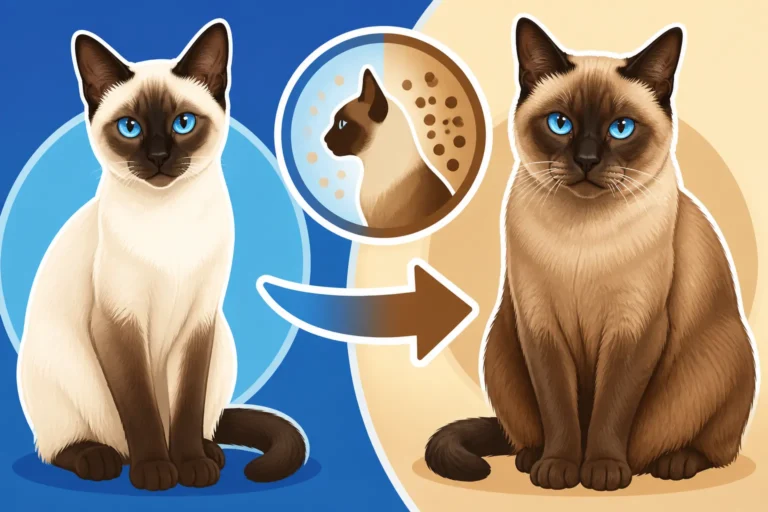
Whether Wet Food Suits a Siamese Cat Better
It's a common dilemma for us Siamese cat parents: you want to feed your chatty, energetic companion the very best, but walk into any pet store or browse online, and the sheer volume of food options can be overwhelming. One of the biggest debates revolves around wet food versus dry kibble, and for a breed as unique as the Siamese, the question of "whether wet food suits a Siamese cat better" truly hits home. This guide is here to untangle that question, exploring the specific needs of our Meezers and what wet food might offer them, good and bad.
Why the Wet Food Question Is So Important for Siamese Cats
Siamese cats are, let's be honest, not your average lounging lap cats. They're bundles of muscle and energy, with strong personalities and an impressive vocal range. Their unique characteristics mean their dietary needs can differ from other breeds, making the "wet food vs. dry" debate particularly relevant.
Siamese Cat Metabolism and Activity Levels
If you live with a Siamese, you know they are perpetually in motion. One minute they're scaling your bookshelves, the next they're chasing a toy with olympic precision. This high level of activity means they burn through calories at an incredible rate. You might even find yourself wondering Why a Siamese Cat Stays So Thin despite seemingly endless meals. Their fast metabolism isn't just about burning calories, though; it also impacts their overall physiological processes, including hydration. A cat that's constantly on the go needs ample fuel and, crucially, enough water to keep everything running smoothly. Their lean, athletic build requires a consistent intake of high-quality protein to maintain that impressive muscle tone. Without the right balance, they can quickly lose condition.
Predisposition to Certain Health Considerations
While Siamese cats are generally a healthy breed, they do have some predispositions that make nutrition a critical topic. For instance, like many cats, they can be susceptible to dental issues if not properly cared for. We also see concerns like Kidney Disease in an Older Siamese Cat become more prevalent as they age. Adequate hydration plays a massive role in kidney health, helping to flush toxins and support organ function over their long lives. While diet isn't a magic bullet for preventing all health problems, providing optimal nutrition, especially regarding moisture content, can certainly be a supportive factor in their overall well-being. Thinking about how to best support their bodies from kittenhood right through to becoming The Age a Siamese Cat Is Considered Senior is a continuous journey.
The Nutritional Advantages of Wet Food for Siamese Cats
When you dig into the composition of wet food, it’s clear why many experts and owners advocate for it, especially for breeds with particular needs like our Siamese. It often mirrors what a cat would eat in the wild much more closely than kibble.
Superior Hydration Content
This is, without a doubt, the number one advantage of wet food. Cats, by nature, don't have a strong thirst drive. Their ancestors evolved to get most of their moisture from their prey, which is typically about 70-75% water. Dry kibble, on the other hand, usually contains only about 5-10% moisture. This means that a cat eating only dry food needs to drink a significant amount of water to stay properly hydrated, which many simply don't do.
For a Siamese cat, with their active lifestyles and lean muscle mass, consistent hydration is even more paramount. Dehydration, even mild, can put a strain on their kidneys and urinary tract. Providing a diet rich in moisture, such as the 75-85% found in most wet foods, helps ensure they're getting the water they need with every meal. This proactive approach to hydration can contribute to long-term kidney health and may help prevent urinary tract issues that are sadly common in felines. You'll still want to keep plenty of fresh water available, of course, maybe even a water fountain from a brand like Chewy, but wet food gives them a massive head start.
Higher Protein for Muscle Maintenance
Siamese cats are built for agility, not for lounging. Their sleek, muscular bodies demand a diet rich in animal protein. Wet foods, particularly those formulated with high-quality meat, fish, or poultry, naturally contain a higher percentage of protein compared to many dry kibbles, which often rely on plant-based proteins or fillers to boost their protein percentages. This is key for maintaining their lean muscle mass and supporting their energetic metabolism.
Think of it like this: your Siamese is a tiny athlete. Just as an athlete needs protein to repair and build muscles, your cat needs it to sustain their active lifestyle. Quality animal protein provides the essential amino acids that cats cannot synthesize themselves, which are vital for everything from immune function to coat health. When you're feeding a How Many Calories a Siamese Cat Needs a Day due to their high metabolism, ensuring those calories come from a nutrient-dense, protein-rich source like wet food is incredibly beneficial.
Increased Satiety and Weight Management
Despite their lean appearance, some Siamese cats can be prone to overeating or can become quite vocal about their hunger (we all know that Meezer yowl for food!). The higher moisture and protein content in wet food can help your cat feel fuller for longer. Because wet food is less calorically dense than dry food per volume, your cat can eat a larger portion without consuming excessive calories.
This increased satiety can be a game-changer for weight management. If your Siamese tends to graze constantly or is always asking for more, a meal of wet food can satisfy their hunger more effectively than an equivalent calorie amount of dry kibble. This isn't just about preventing obesity (which, while less common in Siamese, can still happen if they overeat and under-exercise); it's about making sure your cat feels satisfied and content after their meals, reducing instances of them trying to "trick" you into feeding them more. It also helps manage their energy levels, providing a steady release rather than a quick spike and crash.
Potential Downsides and Practical Considerations of Wet Food
While wet food offers significant benefits, it's not without its own set of challenges. It's important to consider these practical aspects to ensure you can consistently provide the best care for your Siamese.
Impact on Dental Health
One of the most common arguments against an exclusive wet food diet is its supposed impact on dental health. The theory is that crunchy kibble helps scrape plaque and tartar off teeth, acting like a tiny toothbrush. While this sounds logical, the reality is that most kibble pieces are simply too small and swallowed too quickly to provide any significant abrasive action. It's not a substitute for proper dental care.
However, a soft, sticky wet food diet means there's no mechanical action at all. This makes regular at-home dental care and professional vet check-ups even more crucial. You might find yourself needing to learn How Often a Siamese Cat Needs a Dental or How Young to Start Brushing a Siamese Cat's Teeth if you're feeding primarily wet food. While wet food might not cause dental disease, it certainly doesn't prevent it. So, if your Siamese is on wet food, consider daily tooth brushing with a feline-specific toothpaste or special dental treats designed to genuinely clean teeth.
Cost and Convenience Factors
Let's be real, feeding a cat entirely on wet food can be more expensive than dry kibble. Wet food typically comes in smaller portions, and you might need multiple cans or pouches per day, depending on your cat's caloric needs. When you're calculating How Much a Siamese Cat Eats a Month, the cost difference can really add up, especially if you're buying high-quality, grain-free options.
Beyond cost, there's the convenience factor. Wet food requires refrigeration once opened and generally can't be left out for long periods without spoiling, especially in warmer climates. This can be a challenge if you have a busy schedule, your Siamese is a grazer, or if you need to leave them alone for more than a few hours. Finding ways to manage this, such as using timed automatic feeders for wet food (some have ice packs), or sticking to single-serving pouches, becomes part of your routine. For larger bulk purchases, places like Amazon or Chewy offer subscription services that can help with both cost savings and ensuring you never run out.
Storage and Handling Challenges
Storing multiple cases of wet food can take up considerable pantry space, especially if you're stocking up for a Twenty Years of a Siamese Cat, Priced Out lifetime. Once opened, wet food needs to be kept in an airtight container in the fridge and typically used within a day or two. This can mean more fussing with leftovers or wasting food if your cat is particularly finicky and won't eat refrigerated portions.
It's also a bit messier to serve than dry food. Scoop, spoon, wash bowls – it's a routine. And if your Siamese is a messy eater (some are!), you might find yourself cleaning around the bowl more often. The odor of wet food, while enticing to cats, can also be stronger for humans, especially if left out. These aren't insurmountable problems, but they are practical realities that influence the decision to feed wet food exclusively or as part of a mixed diet. Fresh food services deliver pre-portioned, human-grade meals that are high in moisture, but they come with their own set of storage and cost implications.
Making the Best Feeding Choice for Your Siamese Cat
Ultimately, the "best" food choice for your Siamese isn't a one-size-fits-all answer. It's a combination of understanding their inherent needs, observing their individual preferences, and working with your veterinarian.
Evaluating Your Cat's Specific Needs
Every Siamese cat, despite their breed characteristics, is an individual. What works perfectly for one might not be ideal for another. Consider your cat's current health status: do they have any pre-existing conditions like Signs a Siamese Cat's Kidneys Are Failing From Amyloid or urinary issues that would benefit immensely from increased hydration? Are they a robust eater, or do they tend to pick at their food? Their age also plays a role; kittens have different needs than an adult Siamese or an Caring for a Siamese Cat Past Twelve.
Observe their activity level, their coat condition, and even their litter box habits. Are they drinking enough water from their bowl? A good way to gauge hydration is to gently pinch the skin on their back; if it's slow to snap back, they might be dehydrated. Think about their dental history – are they prone to plaque buildup? These observations, combined with regular vet check-ups, will provide invaluable insight into what kind of diet will truly make them thrive.
Exploring Combination Feeding Strategies
Many Siamese owners find that a combination feeding approach strikes the perfect balance. This might involve feeding wet food for one meal (often in the morning or evening) and leaving a small portion of high-quality dry kibble out during the day for grazing, especially if your cat is an "all-day nibbler."
This strategy allows your Siamese to reap the hydration and protein benefits of wet food while still having access to food at all times, which some cats prefer. It also offers a compromise on cost and convenience. If you go this route, ensure the dry food is also of excellent quality, ideally formulated for active cats or indoor cats, depending on your lifestyle. A combination approach also helps diversify their diet and can make them less finicky if one type of food ever becomes unavailable. Just remember to measure both portions to ensure you're meeting their caloric needs without overfeeding.
Consulting Your Veterinarian
There is no substitute for professional advice when it comes to your Siamese cat's diet. Your veterinarian knows your cat's medical history, current health, and can provide guidance tailored to their specific needs. They can help you decipher pet food labels, recommend specific brands or formulations (perhaps a prescription diet if there are underlying health issues), and advise on portion sizes.
Before making any drastic changes to your Siamese cat's diet, especially if they have health concerns, always have a chat with your vet. They can discuss the pros and cons of wet food, dry food, or a combination approach in the context of your individual cat, ensuring you make the most informed decision for their long-term health and happiness. Remember, a healthy, well-fed Siamese is a happy Siamese, and that's what we all want for our beloved companions.
| Feature | Wet Food | Dry Kibble |
|---|---|---|
| Moisture Content | Very High (70-85%) | Very Low (5-10%) |
| Hydration Benefit | Excellent, mirrors natural prey | Minimal, relies on drinking |
| Protein Level | Often Higher, animal-based | Varies, can include plant proteins |
| Satiety | High, helps cats feel full longer | Lower per volume, less filling |
| Dental Impact | Minimal cleaning action, requires other care | Limited cleaning action, still needs care |
| Cost | Generally higher | Generally lower |
| Convenience | Requires refrigeration, not for all-day grazing | Can be left out, convenient for grazers |
| Spoilage | Spoils quickly once opened | Longer shelf life, less prone to spoilage |
Disclaimer
This article is for general informational purposes only and does not constitute professional advice. Laws, prices and regulations vary by location and change over time. Consult a qualified professional for guidance on your specific situation.