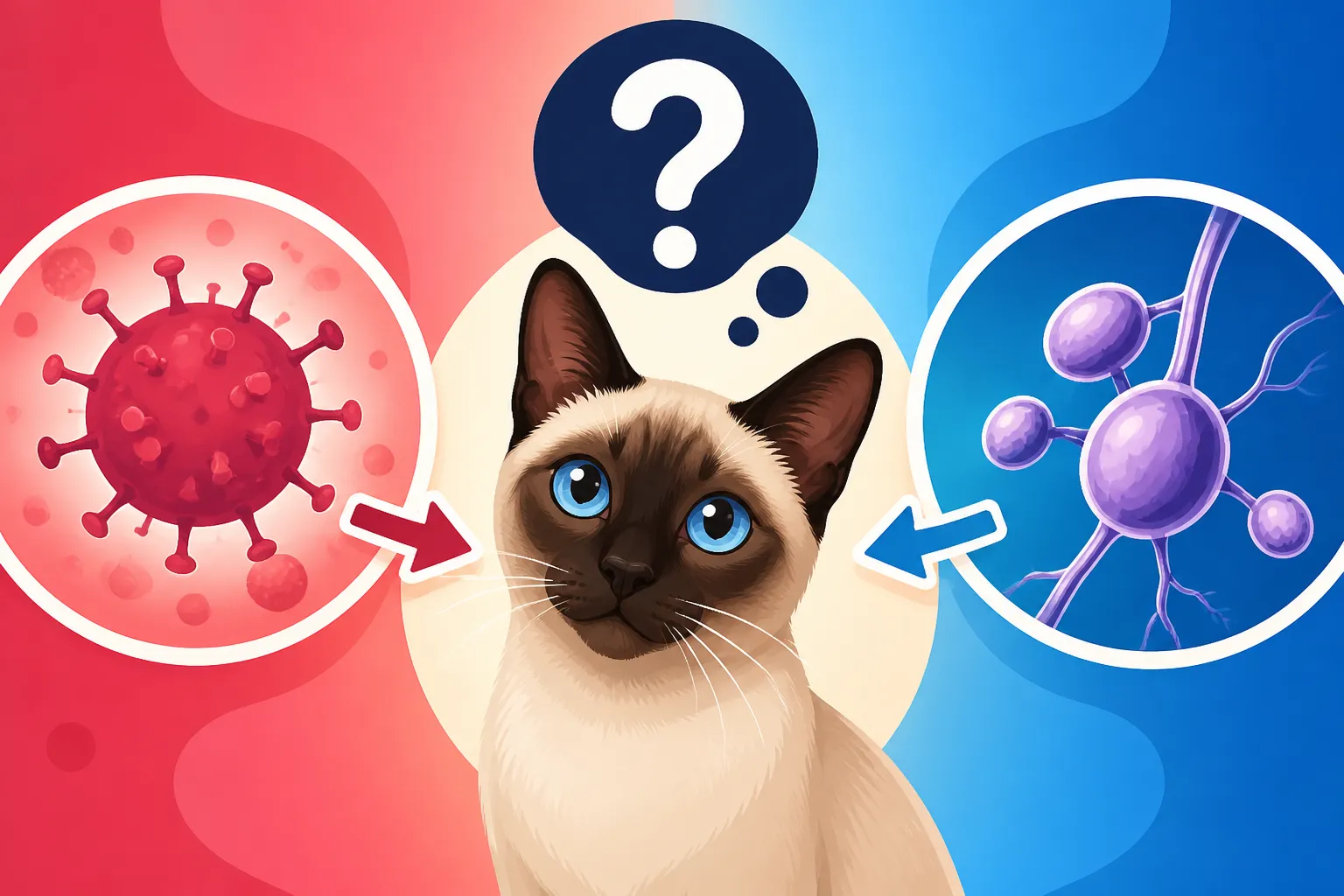
Whether FeLV Causes Siamese Cat Lymphoma
Discovering that your beloved Siamese cat has been diagnosed with lymphoma is utterly heartbreaking, and one of the first questions that often floods your mind is whether Feline Leukemia Virus (FeLV) is to blame. It's a common concern, and the connection between FeLV and certain cancers is well-known in the veterinary world, but the full picture, especially concerning our unique Siamese friends, is more nuanced than many realize. This comprehensive guide aims to unravel the intricate relationship between FeLV and lymphoma in Siamese cats, offering clarity and peace of mind amidst confusing medical terminology.
Understanding Feline Lymphoma in Siamese Cats
Lymphoma is, simply put, a cancer of the lymphatic system, which is a crucial part of your cat's immune system. This network of tissues and organs, including lymph nodes, spleen, and bone marrow, helps the body fight off infection and disease. When lymphoma strikes, it means certain white blood cells, called lymphocytes, begin to grow uncontrollably, forming tumors. The terrible truth is that lymphoma is one of the most common cancers seen in cats, and unfortunately, our elegant Siamese cats are not immune. In fact, they seem to have a particular predisposition to certain forms.
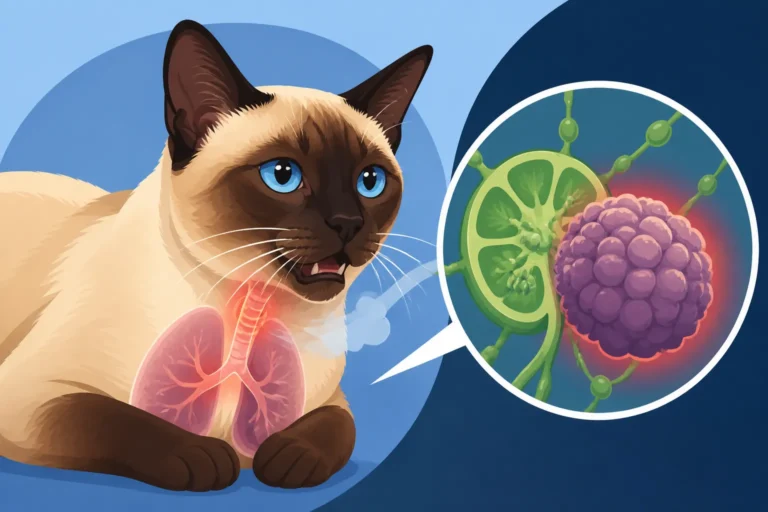
Different types of lymphoma can manifest depending on where in the body the cancerous lymphocytes decide to set up shop. You might hear terms like alimentary lymphoma (affecting the digestive tract), renal lymphoma (kidneys), or nasal lymphoma (nose). One type that often raises concern, particularly in younger Siamese cats, is mediastinal lymphoma, which develops in the chest cavity, often involving the thymus gland. This specific type can be particularly aggressive and can make breathing very difficult for affected cats, leading to noticeable distress. The unique genetic makeup of the Siamese breed seems to make them more susceptible to this and other forms of cancer, a tough reality for those of us who adore these vocal, intelligent companions. It's a cruel twist when such vibrant, long-lived cats can be struck down by something so insidious. To truly grasp the gravity of this, it helps to understand what the different types look like and how they behave, as detailed in our guide on Which Cancers a Siamese Cat Gets.
The Direct Connection: FeLV and Lymphoma Development
Now, let's address the elephant in the room: Feline Leukemia Virus. FeLV is a retrovirus, meaning it integrates its genetic material into your cat's DNA. Once a cat is infected with FeLV, it's generally a lifelong condition, and it can have a devastating impact on their immune system, making them vulnerable to a host of secondary infections and, yes, certain cancers, particularly lymphoma.
When a Siamese cat is infected with FeLV, the virus doesn't just sit there. It actively disrupts the normal functioning of the cat's cells. One of the primary ways it causes lymphoma is by directly inserting its genetic code near or within genes that control cell growth, essentially turning them into cancer-promoting genes (oncogenes). This genetic tinkering can lead to the uncontrolled proliferation of lymphocytes, culminating in lymphoma. FeLV-associated lymphomas tend to be more aggressive and often appear in younger cats, sometimes even before they reach middle age. The forms most commonly linked to FeLV are multicentric lymphoma (affecting multiple lymph nodes throughout the body) and, very significantly, mediastinal lymphoma. This is why if your vet finds a mediastinal mass in your young Siamese, one of the first tests they'll run is for FeLV. The virus weakens the body's defenses to such an extent that it creates a prime environment for cancerous cells to take hold and multiply. The insidious nature of FeLV is that it not only paves the way for cancer but also makes the cat less able to fight off other illnesses, leading to a generally poorer prognosis.
Lymphoma in FeLV-Negative Siamese Cats: A Genetic Predisposition
Here's where things get even more complicated, and often more heartbreaking: many Siamese cats develop lymphoma without any evidence of FeLV infection. This is a crucial point to understand because it means a negative FeLV test, while wonderful news, doesn't guarantee your Siamese will never face this cancer. For these FeLV-negative cases, genetics are thought to play a significant role. The Siamese breed, for all its beauty and charm, carries a higher genetic predisposition to certain cancers, including lymphoma, independent of viral infection.
This means that even a cat that has lived a perfectly healthy, indoor life, never exposed to FeLV, can still develop lymphoma. These cases often occur in older Siamese cats, typically those over 8-10 years old, and the most common form is alimentary lymphoma, affecting the gastrointestinal tract. Unlike the more aggressive FeLV-driven lymphomas, these tend to be lower-grade and can sometimes be managed for longer periods. However, "lower-grade" doesn't mean "easy." It still means a rigorous treatment plan and careful monitoring. The exact genes responsible for this predisposition aren't fully understood, but it highlights the importance of breed-specific health knowledge. This genetic component is a stark reminder that even with the best care, some health challenges are simply part of a breed's inherited legacy. Understanding this distinction can help owners navigate discussions with their vet and better comprehend potential treatment paths. For more context on why certain breeds seem to face particular health hurdles, you might find our article How Healthy the Siamese Cat Actually Is insightful.
Screening, Prevention, and Management
Knowing about the potential for lymphoma, whether FeLV-related or not, empowers us as cat owners to be vigilant and proactive. While we can't completely prevent all forms of cancer, we can certainly take steps to minimize risks and detect issues early.
Screening for FeLV
First and foremost, FeLV screening is absolutely critical. Any new kitten or cat joining your household, especially if they'll be interacting with other felines, should be tested for FeLV. This simple blood test can confirm whether your cat is infected. If you're adopting a rescue Siamese cat, it's wise to ensure they've been screened, or to arrange for screening yourself, as outlined in Whether a Rescue Siamese Cat Has Been Screened. Knowing your cat's FeLV status allows you to make informed decisions about their healthcare and environment. If your cat is positive, you'll need to discuss with your vet how to best support their immune system and monitor for any signs of lymphoma or other FeLV-related illnesses.
FeLV Vaccination
For FeLV-negative cats who have any potential exposure to the virus (e.g., if they go outdoors, interact with cats of unknown FeLV status, or live in a multi-cat household where one cat is FeLV positive), vaccination is a powerful preventive tool. The FeLV vaccine can significantly reduce the risk of infection. While no vaccine is 100% effective, it offers a crucial layer of protection against this devastating virus and its associated diseases, including lymphoma. Discuss with your veterinarian whether the FeLV vaccine is recommended for your Siamese, taking into account their lifestyle and risk factors. It's a decision that weighs the potential exposure against any vaccine-related considerations, a topic we touch upon in Whether a Siamese Cat Reacts to Vaccines.
Early Detection and Treatment of Lymphoma
Regardless of FeLV status, regular veterinary check-ups are paramount for early detection. Be incredibly observant of your Siamese cat's behavior and physical condition. Early signs of lymphoma can be subtle and easily mistaken for other issues. For mediastinal lymphoma, you might notice difficulty breathing, coughing, or lethargy, symptoms that are explored in Mediastinal Lymphoma Signs in a Siamese Cat. For alimentary lymphoma, changes in appetite, weight loss, vomiting, or diarrhea could be indicators. Don't hesitate to contact your vet if you notice anything out of the ordinary.
Should a lymphoma diagnosis be made, there are various treatment options available, typically involving chemotherapy, often in combination with steroids. The prognosis can vary widely depending on the type of lymphoma, its stage, and whether FeLV is present. Some cats respond very well to treatment and can achieve remission, living comfortably for many months or even years. Others, especially those with aggressive FeLV-associated lymphomas, might have a more guarded prognosis. The thought of chemotherapy for your beloved pet can be daunting, but advancements in veterinary oncology mean these treatments are often well-tolerated and can significantly improve quality of life. For more on the specifics of managing cancer, our article How Long a Siamese Cat Lives After Chemotherapy offers further details.
Treatment Options for Feline Lymphoma
| Type of Lymphoma | Primary Treatment | Common Adjuvant Therapies | Prognosis (FeLV-Negative) | Prognosis (FeLV-Positive) |
|---|---|---|---|---|
| Alimentary (Low-Grade) | Oral Chemotherapy (e.g., prednisolone, chlorambucil) | Nutritional support, B12 injections | Good (1-2 years median survival) | Fair to Poor (often more aggressive) |
| Alimentary (High-Grade) | Injectable Chemotherapy (e.g., CHOP protocol) | Supportive care, appetite stimulants | Moderate (6-9 months median survival) | Poor (shorter survival) |
| Mediastinal | Injectable Chemotherapy, Radiation (less common) | Steroids, oxygen therapy | Moderate to Good (6-12 months median survival) | Poor (often very aggressive, shorter survival) |
| Multicentric | Injectable Chemotherapy | Supportive care | Moderate (6-12 months median survival) | Poor (aggressive, rapid progression) |
| Renal | Injectable Chemotherapy | Kidney support, fluids | Guarded (months) | Poor (weeks to months) |
Note: Prognosis can vary significantly based on individual cat, stage of disease, and response to treatment.
Financial Considerations and Pet Insurance
A cancer diagnosis, particularly one requiring chemotherapy, can be incredibly expensive. This is where pet insurance can be a literal lifesaver. Providers like Healthy Paws offer comprehensive coverage that can help offset the significant costs of diagnostics, treatments, and ongoing care for conditions like lymphoma. Having a good insurance policy in place means you can focus on making the best medical decisions for your Siamese without the added stress of overwhelming vet bills. The cost of such treatments, like What a Siamese Cat's Chemotherapy Costs, can run into the thousands, making proactive financial planning a smart move for any Siamese owner hoping for their cat to reach The Fifteen to Twenty Years a Siamese Cat Gets.
Disclaimer
This article is intended for informational purposes only and does not constitute veterinary medical advice. Always consult with a qualified veterinarian for any health concerns or before making any decisions related to your pet's health or treatment plan.