How Rarely a Siamese Cat Needs a Bath
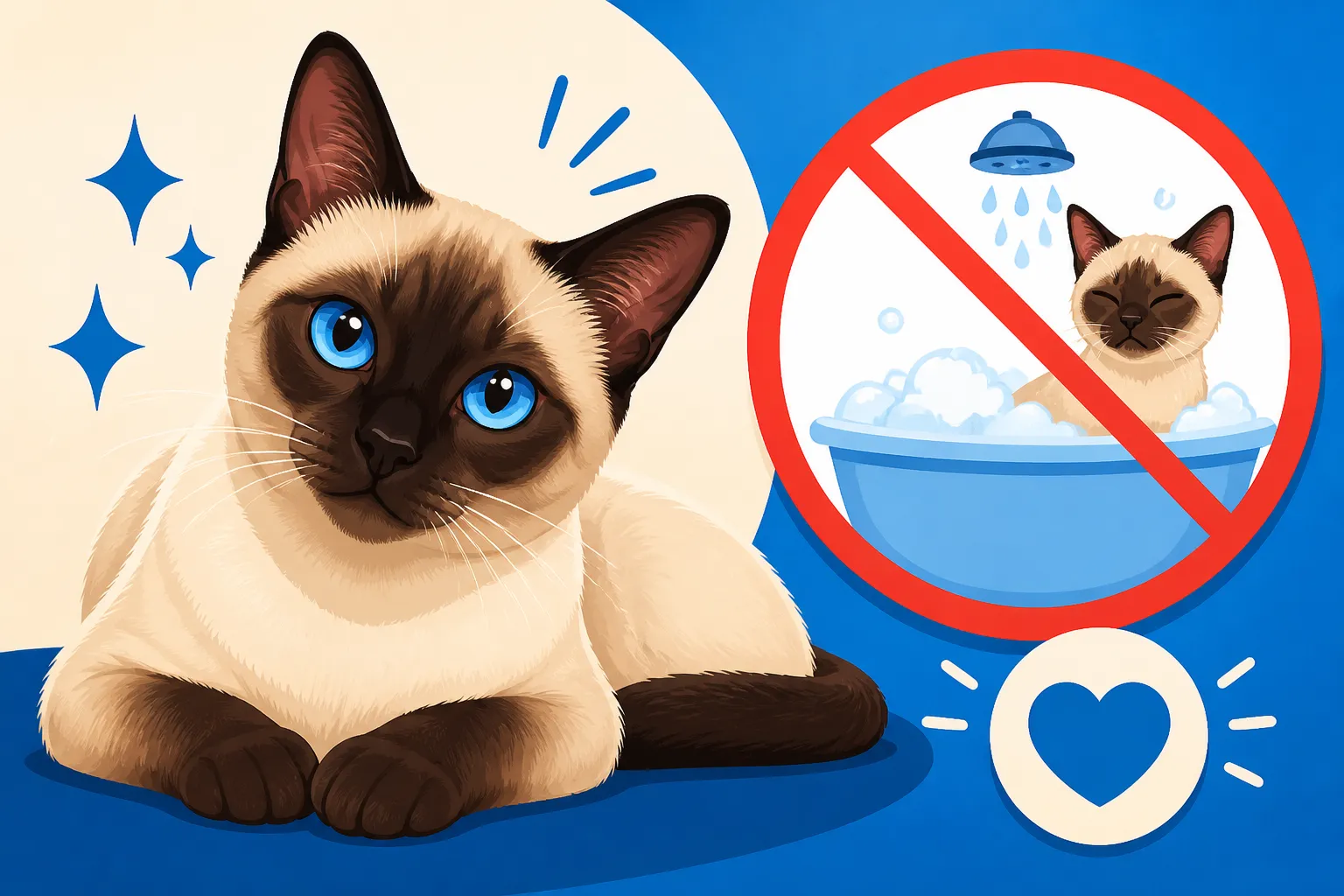
Many cat owners grapple with the idea of bathing their feline friends, often wondering if it’s truly necessary or just a battle waiting to happen. For us Siamese cat parents, the question becomes even more pointed: do these sleek, short-haired beauties ever need a dip in the tub? The truth is, a Siamese cat very rarely needs a full bath, relying mostly on their incredible natural grooming habits to stay spotless. This guide will walk you through why that is, when an exception might occur, and how to approach it if absolutely necessary, all while keeping your Siamese's unique personality and health in mind.
The Siamese Cat's Natural Grooming Prowess
Let's face it, cats are pretty amazing creatures when it comes to personal hygiene. They spend a significant portion of their day meticulously grooming themselves, and Siamese cats are no exception. Their self-cleaning system is incredibly efficient, making human intervention almost entirely redundant for routine cleanliness.
The Built-in Cleaning System of a Cat
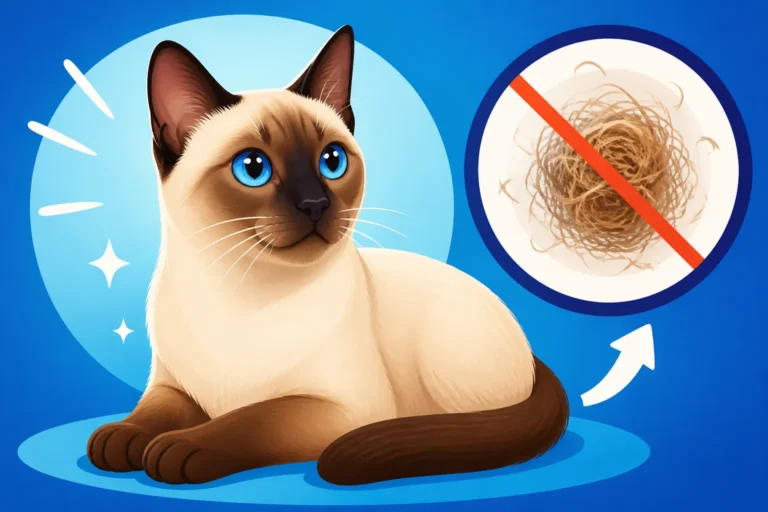
Imagine having a built-in brush, comb, and towel, all rolled into one. That's essentially what a cat's tongue and paws are. Their tongues are covered in tiny, backward-facing barbs, much like miniature combs. These papillae are perfectly designed to remove loose fur, dirt, and debris from their coats, distributing natural oils as they go. This process isn't just about looking good; it's vital for their skin health, coat condition, and even temperature regulation. When you see your Siamese contorting into what looks like an impossible pretzel, they're not just showing off their flexibility – they're diligently cleaning every inch of their body. They'll lick their paws and then use those moistened paws to wipe down their faces, ears, and heads, reaching places their tongue can't directly access. It's a remarkably thorough and consistent routine that keeps them looking pristine almost all the time. This constant self-care is why most cats rarely carry unpleasant odors or appear dirty unless something truly out of the ordinary has happened.
Moreover, a cat's saliva contains natural deodorizers and enzymes that help keep their fur clean and free of bacteria. As they groom, they spread this saliva, which then evaporates, taking loose dander and microscopic dirt particles with it. It's a sophisticated system that has evolved over thousands of years, making them perfectly adapted to maintaining their own cleanliness without assistance from a shower head or a bar of soap. For most domesticated cats, especially those living indoors, their natural grooming routine is more than sufficient to manage their coat and skin health.
Siamese Coat Specifics and Self-Maintenance
Now, let's talk about our specific darlings: the Siamese cat. Their coat type plays a significant role in why they are so adept at self-grooming and rarely require bathing. Unlike some long-haired breeds with dense undercoats that can easily mat and trap dirt, the Siamese sports a short, fine, single coat that lies close to their body. This sleek texture is far less prone to tangles, mats, or the accumulation of grime that might plague a fluffy Persian or a Maine Coon. Think of it like comparing a smooth, polished surface to a shaggy carpet – which one is easier to keep clean? Clearly, the polished surface, which is exactly what a Siamese cat's coat is. You might notice their coat feels incredibly soft and silky to the touch, and this texture is part of their self-cleaning advantage. What a Siamese Cat's Coat Feels Like is truly unique among breeds.
Their fastidious nature also means they are incredibly particular about being clean. A Siamese cat will spend ample time ensuring every visible and accessible part of their fur is in order. If they get a speck of dust on their paw, they'll often stop what they're doing to meticulously lick it off. This innate drive for cleanliness, combined with their low-maintenance coat, means that for the vast majority of Siamese cats, a bath is simply not a part of their necessary care routine. In fact, many Siamese owners find that their cats are almost obsessively clean, often grooming themselves after every meal or play session. This dedication to personal hygiene is a huge benefit to us humans, as it means less work for us in the grooming department! Grooming a Siamese Cat Takes Five Minutes a Week at most, primarily through brushing.
When a Bath Might Actually Be Necessary
While it's true that Siamese cats are masters of self-grooming, there are always those rare, exceptional circumstances when a bath truly becomes unavoidable. These situations usually fall into two main categories: serious contamination or specific medical needs that require more than just a lick and a polish.
Serious Soiling and Hazardous Substances
Sometimes, life throws a curveball, and your otherwise immaculate Siamese ends up in a predicament that their own tongue simply cannot fix. This is where you, the loving pet parent, might need to step in. Imagine your curious Siamese slipping into the garage and accidentally brushing against an oil spill, or perhaps they’ve decided to investigate a freshly painted fence, coming back with streaks of wet paint on their pristine coat. These aren't just minor smudges; these are substances that are either impossible for them to remove effectively or, more critically, could be harmful if ingested during their self-grooming attempts. Common culprits include motor oil, grease, paint, tar, or even certain sticky food residues that cling stubbornly to their fur.
Even worse are encounters with truly hazardous substances, such as antifreeze, harsh cleaning chemicals, or certain pesticides. These are poisons, plain and simple, and if your cat has come into contact with them, a bath isn't just recommended—it's an emergency. Your immediate goal is to remove as much of the contaminant as possible before your cat has a chance to lick it off and ingest it. In these cases, it's often best to contact your veterinarian for advice before you even start, as they might have specific recommendations for decontamination or immediate steps to take. Time is of the essence. Simply using pet-safe wipes, while helpful for minor issues, won't cut it here. A full, careful bath using appropriate pet shampoo (never human shampoo) is the only way to ensure their safety.
Medical Conditions and Dermatological Needs
Beyond accidental contamination, there are certain health circumstances that might necessitate a bath for your Siamese. These are typically driven by veterinary advice and are not about routine cleanliness but rather therapeutic treatment. For instance, if your Siamese develops a skin condition like seborrhea, ringworm, or certain bacterial or yeast infections, your vet might prescribe a medicated shampoo. These shampoos are formulated with active ingredients designed to treat the underlying condition, and they often require specific contact times on the skin to be effective. In such cases, the bath is part of their treatment plan, not just a cosmetic choice. It’s crucial to follow your vet's instructions precisely regarding the frequency and duration of these baths, as well as the specific product to use.
Another scenario where baths become necessary is with older or infirm cats. As Siamese cats age, just like us, they can develop conditions like arthritis, making it painful or impossible to reach certain areas for grooming. Caring for an Old Siamese Cat often involves helping them with tasks they once handled easily. An elderly Siamese might struggle to keep their hindquarters clean, leading to matted fur or skin irritation. Similarly, cats recovering from surgery or experiencing severe mobility issues might also require assistance with hygiene. In these situations, a gentle, warm bath can provide immense relief and improve their quality of life, preventing secondary skin issues. Always consult your vet if you suspect your cat is struggling to groom due to a medical condition; they can guide you on the safest and most effective way to help your beloved companion.
| Reason for Bath | Urgency | Who Needs It | Typical Frequency | Notes |
|---|---|---|---|---|
| Toxic Substance Exposure | High – Immediate | Any Siamese | One-time emergency | Call vet before bathing. |
| Severe Soiling (Non-toxic) | Moderate – Soon | Any Siamese | As needed, very rare | Mud, grease, paint; use appropriate shampoo. |
| Medicated Bath (Skin Condition) | As prescribed | Affected Siamese | Vet-directed | Follow vet instructions precisely for specific shampoo and contact time. |
| Mobility/Age-Related Grooming Issues | Low – As needed | Senior/Infirm Siamese | Infrequent, gentle | Consult vet; gentle cleaning with pet wipes often sufficient. |
| Flea/Parasite Infestation | Moderate – Soon | Affected Siamese | Vet-directed, if shampoo is prescribed | Only use vet-approved flea shampoos. |
| Routine Cleanliness | None | Healthy Siamese | Never | Their self-grooming is sufficient. |
The Risks and Stresses of Unnecessary Bathing
While the idea of a freshly scented, squeaky-clean cat might sound appealing, subjecting your Siamese to an unnecessary bath can actually do more harm than good. Cats, especially Siamese, are creatures of habit and sensitive souls, and disrupting their natural equilibrium can lead to both physical and psychological setbacks.
Impact on Skin and Coat Health
A cat's skin and coat have a delicate balance of natural oils that are essential for their health. These oils, produced by sebaceous glands, keep their skin moisturized, protect against environmental irritants, and contribute to the healthy sheen of their fur. When you bathe a cat too frequently or with inappropriate shampoos (like human shampoos, which have a different pH balance), you strip away these vital natural oils. This disruption can lead to a host of problems. The skin can become excessively dry, leading to flakiness, itching, and irritation. Imagine your own skin feeling tight and itchy after using a harsh soap – it's similar for them, but their skin is even more sensitive.
Repeated stripping of these oils can also make their coat dull and brittle, losing its natural luster. More seriously, it can weaken the skin's natural barrier, making your Siamese more susceptible to bacterial or fungal infections. The moisture trapped in a coat that isn't thoroughly dried after a bath can also create a breeding ground for these issues, particularly in warmer, humid environments. Furthermore, if the skin becomes irritated, your Siamese might over-groom or lick themselves excessively, which can lead to further skin trauma, hair loss, and even conditions like Psychogenic Alopecia in a Siamese Cat. It's a vicious cycle that starts with good intentions but can quickly spiral into health issues, proving that sometimes, leaving well enough alone is truly the best form of care.
Psychological Stress and Behavioral Repercussions
Beyond the physical risks, the psychological toll an unnecessary bath takes on a Siamese cat cannot be overstated. Cats are not naturally fond of water (with some rare exceptions), and the entire bathing experience—being submerged, handled, lathered, rinsed, and dried—can be incredibly frightening and stressful for them. The unfamiliar sensation, the loud noise of running water, the confinement, and the feeling of being out of control can trigger severe fear, anxiety, and even aggression. How a Siamese Cat Reacts to Water is typically not with enthusiasm! Your Siamese might hiss, scratch, bite, or try to escape, turning what you hoped would be a gentle cleansing into a traumatic event for both of you.
This trauma isn't just confined to the bath itself. A negative experience can have lasting behavioral repercussions. Your cat might become wary of you, associating you with the unpleasant ordeal. This can damage the strong bond you've worked so hard to build, leading to a cat who is less trusting, more skittish, or even prone to hiding when they see you approaching with a towel. They might also develop an aversion to the bathroom, the bathtub, or even the sound of running water, causing them distress long after the event. In some cases, extreme stress can even manifest in stress-related illnesses or inappropriate elimination outside the litter box. Considering how intelligent and emotionally sensitive Siamese cats are, the potential for long-term psychological scarring from an unwanted bath far outweighs any perceived benefit of a temporarily cleaner coat.
Alternatives to a Full Bath for Routine Care
Since full baths are rarely needed and often stressful, it’s far more effective and kind to focus on preventative and alternative grooming methods to keep your Siamese cat looking and feeling their best. These simple routines can easily become a part of your daily or weekly interactions, strengthening your bond rather than straining it.
Regular Brushing and Wipes
For a Siamese cat, the cornerstone of coat maintenance is regular brushing. Their short, sleek coat is relatively low-maintenance, but a quick brush a few times a week, or even daily if your cat enjoys it, does wonders. Brushing helps remove loose fur, reduces shedding around your home, and prevents hairballs. It also helps distribute their natural skin oils, keeping their coat healthy and shiny. For Siamese cats, a soft rubber curry brush or a fine-toothed metal comb works beautifully to capture loose hair without irritating their skin. You can find excellent options on Amazon or Chewy, ensuring you pick one specifically designed for short-haired cats. Brands like Furminator offer grooming tools that are very effective, though a simpler brush often suffices for a Siamese. Which Brush a Siamese Cat Needs depends on their preference, but a gentle approach is always best.
Beyond brushing, pet-safe grooming wipes are an absolute godsend for spot cleaning. Did your Siamese get a little food on their chin after enthusiastically diving into their meal? Or perhaps they tracked a bit of litter out of the box? A quick wipe with a moistened, pet-friendly wipe is all it takes. These wipes are usually alcohol-free and formulated to be gentle on feline skin, often containing soothing ingredients like aloe vera or oatmeal. They can be incredibly useful for cleaning paws, around the mouth, or even for a quick freshen-up of their hindquarters if needed, especially for older cats who might not be as flexible as they once were. You can easily stock up on these handy wipes from online retailers like Chewy, which often carry a wide selection of trusted pet care brands. They provide an excellent way to maintain cleanliness without the drama and stress of a full bath.
Professional Grooming for Specific Issues
While most Siamese cats won't ever need a professional groomer for a regular bath, there are specific situations where their expertise can be invaluable. This isn't about getting a fancy haircut or a bubble bath, but rather about addressing serious or complex issues that are beyond the scope of home care. For example, if your Siamese somehow ends up severely matted (which is highly unlikely given their short coat, but not impossible if they've been neglected or have a medical condition preventing grooming) or contaminated with a stubborn, non-toxic substance that you can't safely remove, a professional groomer has the tools, products, and experience to handle it with minimal stress. They can safely clip out mats and use specialized degreasing shampoos or techniques that are more effective than what you might have at home.
Professional groomers are also adept at handling anxious or aggressive cats, using calm techniques and specialized equipment to ensure safety for both the cat and themselves. For senior Siamese cats who struggle with grooming and might also be arthritic or frail, a professional groomer can offer a gentle, skilled approach to maintaining hygiene that might be too difficult or uncomfortable for you to perform at home. They understand how to work quickly and efficiently, minimizing the cat's stress. Some vets even have groomers on staff or can recommend reputable professionals who are experienced with handling cats with medical needs. Think of them as a specialist service for those rare, tough grooming challenges, rather than a regular spa day for your already fastidious feline.
How to Bathe a Siamese Cat If You Absolutely Must
Okay, so you've exhausted all other options. Your Siamese has rolled in something truly disgusting, or the vet has prescribed a medicated bath, and you know it has to be done. It's not going to be fun, but with careful preparation and a calm approach, you can get through it. The key is to minimize stress for your cat and maximize efficiency.
Preparation and Supplies
Before you even think about putting your Siamese near water, you need to gather absolutely everything you'll need. This isn't a task where you can run off mid-bath to grab a towel. Start by choosing a quiet time when your house is calm, and enlist a second person if possible to help hold or distract your cat. For your supplies, you'll need:
- Cat-Specific Shampoo: This is non-negotiable. Never use human shampoo, dish soap, or dog shampoo. Cat shampoos are pH-balanced for their sensitive skin and formulated to be safe if ingested in small amounts. You can find a good selection of gentle, fragrance-free cat shampoos on Chewy or Amazon.
- Several Towels: Have at least two large, absorbent towels ready. One for wrapping immediately after the bath, and another for additional drying.
- Non-Slip Mat: Place a rubber mat or a folded towel at the bottom of the sink or tub to give your cat traction and make them feel more secure.
- Cotton Balls: To gently place in your cat's ears, preventing water from getting in and causing ear infections.
- Washcloth or Small Cup: For gently rinsing your cat's face (avoiding their eyes and nose).
- Treats and Toys: High-value treats for positive reinforcement throughout the process, and maybe a favorite waterproof toy for distraction if your cat tolerates it.
- Scratch Protection: Wear long sleeves and even gloves to protect yourself, because even the calmest cat can panic.
- Warm Water: Have a small amount of lukewarm water ready in a separate container, or ensure the faucet can quickly deliver consistent lukewarm water. Avoid cold or hot water at all costs.
Having everything within arm's reach will help you move quickly and confidently, which your cat will pick up on. This meticulous preparation is crucial for a smoother, less traumatic experience for your anxious Siamese. Remember, this isn't about making it enjoyable; it's about making it tolerable and effective.
The Bathing Process and Post-Bath Care
Now for the main event. Bring your Siamese into the bathroom calmly. If possible, let them explore the dry tub or sink for a moment before introducing water. Start by gently placing them on the non-slip mat. Begin with lukewarm water, running it slowly and quietly. Use a spray nozzle on a very low setting, or the washcloth/cup, to wet your cat's fur, starting from their neck and working backward, carefully avoiding their face, ears (remember the cotton balls!), and eyes. Speak in a calm, soothing voice throughout.
Apply a small amount of cat-specific shampoo, gently working it into their fur. Focus on the soiled areas, but ensure you clean the whole body if it's a medicated bath. Lather quickly but thoroughly. Rinse even more thoroughly than you washed; any shampoo residue left behind can irritate their skin and cause itching. Again, use a low spray setting or the cup, working from head to tail until the water runs clear. A quick, efficient rinse is key. Once rinsed, immediately turn off the water.
The moment your Siamese is out of the water, wrap them snugly in the first dry towel, burrito-style if possible. Gently pat and rub them dry. Avoid vigorous scrubbing, which can tangle fur or irritate skin. Swap for the second dry towel if the first becomes saturated. Many Siamese cats, with their short coats, will air dry fairly quickly in a warm room. If your cat tolerates it, you can use a hairdryer on the lowest, cool setting, holding it far away to avoid frightening them or burning their delicate skin. The goal is to get them as dry as possible to prevent chilling, especially if it's cool in the house. Keeping a Siamese Cat Warm is important for their health.
After the bath, provide positive reinforcement. Offer those high-value treats, lots of gentle praise, and perhaps a favorite toy. Let them groom themselves in peace. Don't immediately try to cuddle; give them space to recover and reassure themselves. The aim is to make the experience as brief, calm, and positive as possible, even if it feels anything but at the time. Remember that this is an emergency or medical procedure, not a regular bonding activity.
Disclaimer
This article is for general informational purposes only and does not constitute professional advice. Laws, prices and regulations vary by location and change over time. Consult a qualified professional for guidance on your specific situation.