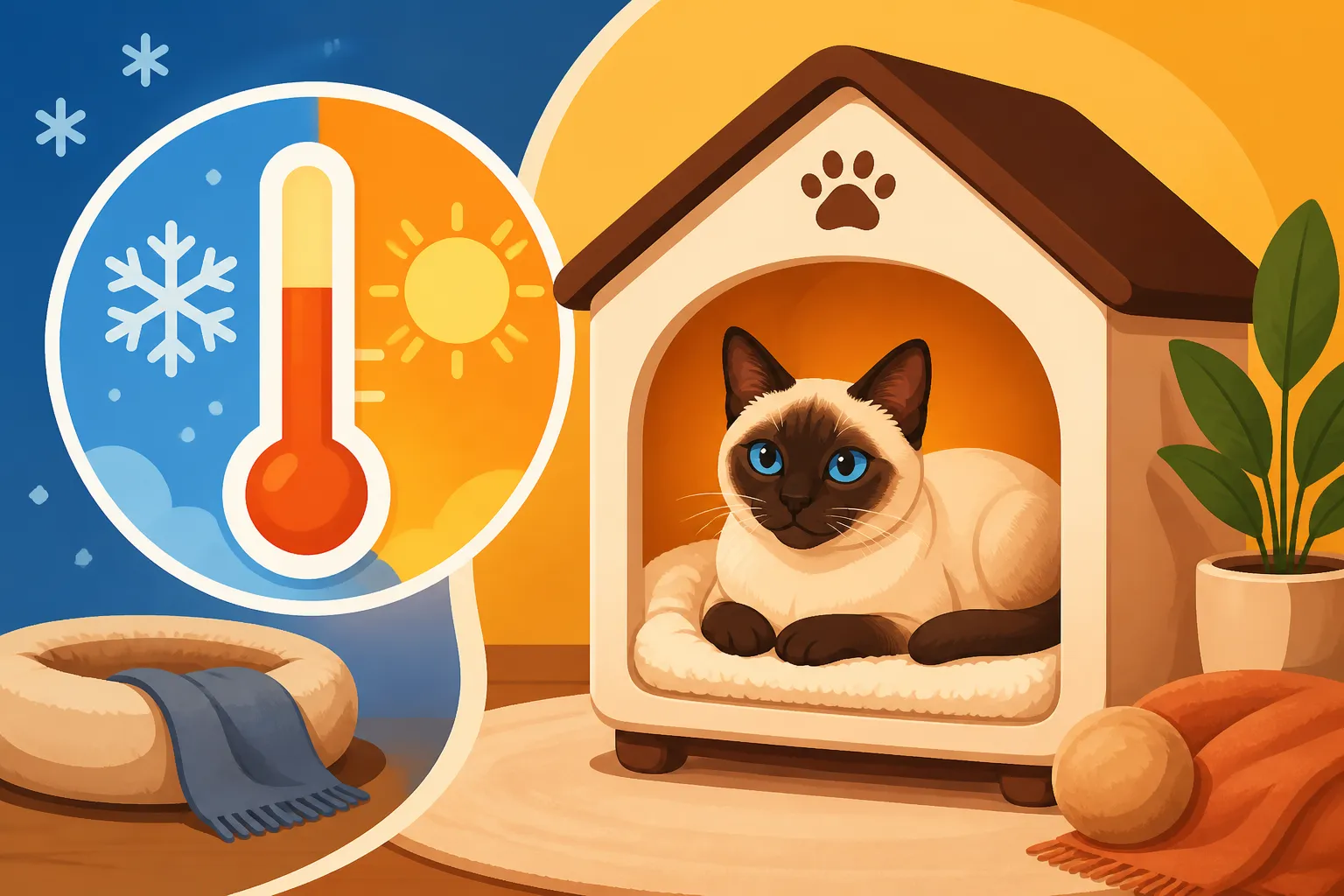
How Warm a Siamese Cat’s House Should Be
It's a common dilemma for us Siamese cat parents: we're bundled up in a sweater, sipping hot tea, and we look over to see our sleek, slender Meezer curled into the tightest little ball, perhaps even shivering ever so slightly. We wonder, "Is my Siamese cat truly warm enough in this house?" It's a valid concern, as these magnificent felines have a unique physiology that makes them feel the cold more acutely than many other breeds. This guide will cut through the guesswork, delving into exactly why Siamese cats are more sensitive to temperature drops and, crucially, what you can do to ensure your beloved companion is always comfortably toasty, preventing the discomfort and potential health woes that can stem from a perpetually chilly environment.
The Unique Physiology Behind a Siamese Cat's Cold Sensitivity
If you've ever cuddled a Siamese cat, you've likely noticed their incredibly short, fine fur. While it's wonderfully soft to the touch, it's also a big clue as to why they might be more prone to feeling a chill. Unlike some of their fluffier feline cousins, Siamese cats simply aren't built with layers of natural insulation, and their internal thermostat operates a little differently too.
Why Their Coat Offers Less Insulation
Think about a fluffy Persian or a dense-coated Maine Coon. They have a thick undercoat, often a double layer of fur, that acts like a built-in winter coat, trapping warm air close to their skin. Your Siamese, on the other hand, possesses a single, very short, and fine coat that lies close to their body. This lack of a dense undercoat means there's less insulation between their skin and the ambient air. It's like comparing a light t-shirt to a thick wool jumper – one offers far more protection from the cold.
Their lean, svelte body type also plays a significant role. Siamese cats are known for their elegant, tubular bodies and long, graceful limbs. While beautiful, this physique means they have a relatively high surface area to volume ratio. In simpler terms, there's more skin exposed to the environment compared to their body mass. This increased surface area means heat can dissipate from their bodies much more rapidly, making them lose warmth more quickly in cooler temperatures. If you've ever felt a slight draft, imagine how that subtle current of cool air might feel to a creature with such minimal natural padding. This is a crucial aspect of Why a Siamese Cat Has No Undercoat.
The Role of Point Coloration and Metabolism
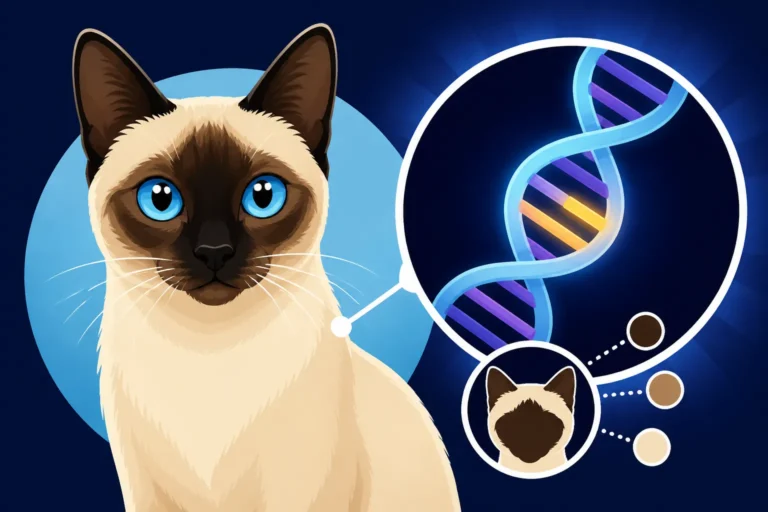
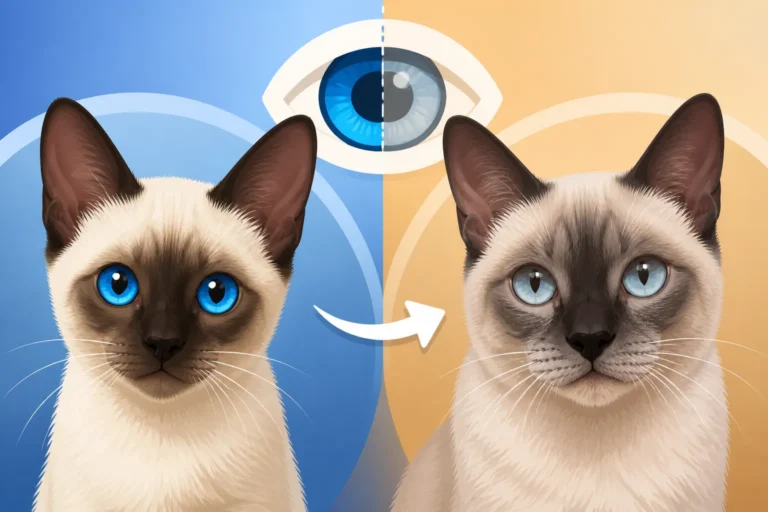
The distinctive point coloration of a Siamese cat—those darker ears, paws, tail, and face—isn't just a beauty mark; it's a direct result of their thermoregulatory genes. The enzyme responsible for producing pigment in Siamese cats is temperature-sensitive. It only works efficiently in cooler parts of the body. This means their core body temperature needs to be higher to keep the enzyme inactive and their body fur pale, while their extremities, being naturally cooler, develop the darker points. This fascinating genetic quirk means their very coloration is a constant indicator of their battle with temperature.
Beyond their fur, Siamese cats are often described as having a high metabolism. They're energetic, constantly on the go, and always seem to be burning off calories at an incredible rate. While a high metabolism does generate internal heat, it also means they require a consistent intake of high-quality food to fuel that energy production and maintain their body temperature. If they're not eating enough, or if their environment is too cold, their bodies have to work even harder to stay warm, which can lead to rapid heat loss if their fuel isn't sufficient or their surroundings aren't cooperative. This ties directly into Why a Siamese Cat's Points Are Made by Temperature and How Temperature Controls a Siamese Cat's Color. Their body is a living thermometer, showing you where it's cooler and warmer through its unique color patterns.
Establishing the Ideal Indoor Climate for Your Siamese
Knowing that your Siamese cat is more sensitive to cold is the first step; the next is creating an environment where they can thrive. There's no one-size-fits-all answer, but we can certainly aim for a sweet spot and then fine-tune it based on our individual cat's needs.
Recommended Temperature Ranges
For most Siamese cats, an ideal indoor temperature range falls somewhere between 68°F and 78°F (20°C to 26°C). This range allows them to be comfortable without their bodies needing to work overtime to either cool down or warm up. On the lower end of that spectrum, say 68-70°F, you'll likely want to ensure they have ample cozy spots, heated beds, or blankets available. On the warmer end, especially towards 78°F, you'll find them more relaxed and less likely to seek out intense heat sources.
It's also worth remembering that perceived temperature can be influenced by factors like humidity. A dry, cold air feels different from a humid cold air. In extremely dry conditions, even a seemingly adequate temperature might feel cooler due to evaporative cooling. Conversely, high humidity can make warmer temperatures feel stifling. Maintaining a moderate humidity level, around 40-60%, can also contribute to overall comfort for both you and your feline friend. Always consider How Warm a Room a Siamese Cat Needs from their perspective, not just ours.
Factors Influencing Your Cat's Personal Comfort Zone
While general ranges are helpful, every Siamese cat is an individual. A young, active Siamese kitten might tolerate slightly cooler temperatures better due to their boundless energy, whereas an older, less active cat will definitely appreciate a consistently warmer spot. Think about your own cat's habits: do they always gravitate towards the sunbeam? Do they burrow under blankets even when you feel warm? These are clues to their personal preferences.
Health status is another huge factor. A cat recovering from an illness, one with a chronic condition like kidney disease, or even one on certain medications might have a compromised ability to regulate their body temperature. They will need a warmer environment than a healthy adult cat. The layout of your home also matters. Rooms with large windows, especially in older homes, can be prone to drafts, making them feel significantly colder than the thermostat indicates. Conversely, a south-facing window can be a fantastic natural heater during the day. Observe your cat in different parts of the house at different times to understand where they are most, and least, comfortable.
Recognizing the Signs of a Chilly Siamese Cat
Sometimes, our cats are so good at being stoic that we might not immediately notice their discomfort. However, Siamese cats are quite expressive, and if you know what to look for, they'll tell you loud and clear when they're feeling a bit nippy.
Behavioral Cues of Discomfort
One of the most obvious signs your Siamese is cold is how they position themselves. If they're constantly seeking out the warmest spots in the house – right by the radiator, nestled under blankets, burrowed deep into a pile of laundry, or squeezing into a tight, enclosed space – they're probably trying to conserve body heat. Curling up tightly into a small ball, with paws tucked in and tail wrapped around them, is a classic pose for a cat attempting to minimize heat loss. They might even try to cuddle more than usual, not just for affection, but for the warmth of your body. Why a Siamese Cat Sleeps Under the Duvet isn't just a quirky habit; it's often a quest for warmth.
Beyond seeking heat, you might notice other behavioral changes. Shivering, though sometimes subtle, is a clear indicator that their body is trying to generate warmth. They might become less active, spending more time sleeping or simply lying still, conserving energy rather than expending it. Their vocalizations, famous for being quite robust, might also change. While a Siamese is rarely quiet, a cold cat might issue more urgent, prolonged yowls, not necessarily just for food or attention, but as a more general complaint about their environment.
Physical Indicators to Watch For
While less common, some physical signs can also point to a cold Siamese. Gently feeling their ears, nose, or paws can give you a hint. If these extremities feel noticeably cool to the touch, it suggests their body is diverting blood flow to their core to keep vital organs warm, indicating they're feeling chilly.
A change in their posture might also be subtle but telling. A cat that is consistently hunched or seems to hold itself stiffly might be experiencing discomfort, which can be exacerbated by cold. Very rarely, extreme cold can impact appetite, as a cat's body prioritizes warmth over hunger. However, this is more likely in severe cases of prolonged cold exposure. Similarly, changes in grooming habits, such as over-grooming from stress or under-grooming due to lethargy, could indirectly point to a cat that isn't entirely comfortable in its surroundings.
Practical Strategies to Keep Your Siamese Cozy
Once you understand why your Siamese needs a warm home and how to spot the signs of a chill, the next step is implementing practical solutions. Luckily, there are many effective ways to ensure your sleek friend stays toasty.
Providing Warm Sleeping Spots and Hideaways
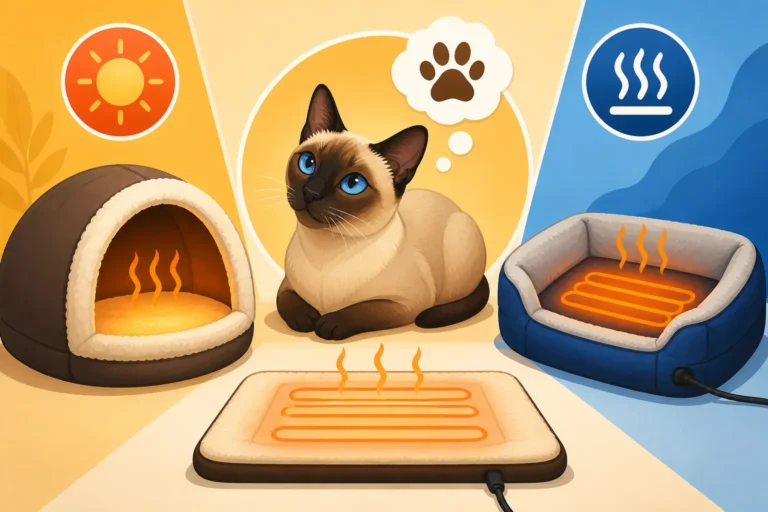
One of the easiest and most effective ways to keep a Siamese cat warm is by providing dedicated heated sleeping areas. These aren't just a luxury; for a Siamese, they can be a necessity, especially if your home fluctuates in temperature. You can find a fantastic array of options online. Heated cat beds, which often come with a low-wattage heating element that warms to your cat's natural body temperature, are a huge hit. Self-warming mats, which use reflective materials to bounce your cat's own body heat back to them, are another excellent, energy-efficient choice.
Beyond specialized products, simply providing a variety of soft, fleecy blankets or thermal throws can make a big difference. Many Siamese cats adore burrowing, so a small, enclosed bed with a soft lining or a blanket draped over a sturdy cat cave can become their favorite snuggle spot. When browsing for these items, consider reputable pet supply retailers like Chewy or check out the vast selection on Amazon for different styles and price points. It's truly amazing what a difference a cozy nook can make, which is why I always recommend thinking about Which Heated Bed Suits a Siamese Cat. Don't forget, Keeping a Siamese Cat Warm often comes down to giving them options.
Managing Your Home's Environment
Beyond individual beds, tweaking your home's overall environment can provide pervasive warmth. If you have a smart thermostat, programming it to maintain a consistent temperature, or even raising it slightly during colder parts of the day or night, can be beneficial. Identify and seal any drafts coming from windows or doors. Simple draft stoppers can make a surprising difference. In the winter months, thermal curtains can help insulate windows, keeping warm air in and cold air out.
Maximizing natural heat sources is also smart. Ensure your Siamese has clear, unobstructed access to sunny spots where they can bask. A cat tree placed near a sunny window allows them to absorb solar warmth, which is often their preferred method of heating up. Even if your house feels generally warm, remember that drafts and cold spots can exist, especially near exterior walls or large glass panes. Creating a consistently warm environment helps their body regulate without stress.
Ensuring Adequate Nutrition and Hydration
A well-fed cat has the energy reserves to generate and maintain body heat. This is particularly important for active, high-metabolism breeds like the Siamese. Ensure your cat is on a high-quality, nutritionally balanced diet appropriate for their age and activity level. If your cat is consistently cold, consult your vet about their diet; sometimes, a slight adjustment to caloric intake, especially in winter, might be beneficial to support their energy needs.
Just as important as food is consistent access to fresh, clean water. Dehydration can affect a cat's ability to regulate its body temperature and impact overall health. A water fountain can encourage many cats to drink more, ensuring they stay hydrated and their internal systems function optimally to maintain warmth. Keeping tabs on How Much an Adult Siamese Cat Eats is key, as any significant change can be a sign of underlying issues, including being too cold.
Special Considerations for Vulnerable Siamese Cats
While all Siamese cats appreciate a warm home, some stages of life and health conditions make them even more susceptible to the cold. Paying extra attention to these vulnerable felines is crucial for their well-being.
Kittens and Senior Siamese Cats
Siamese kittens, much like human babies, have a less developed ability to regulate their body temperature. Their small size means they lose heat quickly, and their internal thermoregulation systems are still maturing. A chilly environment can not only make them uncomfortable but can also lead to serious health issues, impacting their growth and immune system. They need constant, consistent warmth, often requiring supplemental heat sources even in a home that feels warm to an adult. Think of them as tiny, delicate heat-seekers who rely entirely on you for their thermal comfort.
On the other end of the spectrum, senior Siamese cats also become more susceptible to cold. As cats age, their metabolism can slow down, their muscle mass may decrease (which contributes to heat generation), and their circulatory system might not be as efficient. Arthritis and other age-related conditions can also make them less mobile, meaning they might not move around as much to warm themselves up. An older Siamese might spend more time sleeping, making them more vulnerable to ambient temperature drops. Providing extra soft, warm bedding, especially heated options, becomes paramount. It's a fundamental part of Caring for an Old Siamese Cat and a direct answer to Whether an Aging Siamese Cat Feels the Cold More. Their comfort is deeply intertwined with their warmth.
Sick or Convalescing Siamese Cats
Any illness or recovery from surgery places additional stress on a cat's body, diverting energy towards healing and fighting off infection. During these times, their ability to regulate their body temperature can be significantly compromised. A sick Siamese might be lethargic, have a reduced appetite, and generally lack the energy to seek out warm spots or generate their own heat.
Maintaining a consistently warm, draft-free environment is critical for their recovery. A heated bed or a warm, soft nest can provide immense comfort and support their body's healing process. It reduces the energy their body has to expend on staying warm, allowing that energy to be channeled into getting better. Always consult your veterinarian on the specific environmental needs for a sick or recovering cat, as their recommendations might vary based on the particular condition.
Common Misconceptions About Siamese Cat Warmth
It's easy to project our own perceptions onto our pets, but cats, especially unique breeds like the Siamese, have specific needs that can sometimes be misunderstood. Clearing up these common misconceptions can help us be better caregivers.
The "Tough Cat" Fallacy
There's a prevailing idea that "a cat is a cat" and they're all inherently tough, self-sufficient creatures, able to withstand various environmental conditions. While it's true that cats are adaptable, this doesn't mean they thrive in all conditions. The domestic cat, and especially a breed like the Siamese with its fine coat and lean build, is not designed for prolonged exposure to cold. They are far removed from their wild ancestors in many ways and rely on us to provide a safe, comfortable, and adequately warm home.
Expecting a Siamese cat to "tough it out" in a chilly house is setting them up for discomfort and potential health problems. Their domestic nature means they are accustomed to the warmth and shelter of human homes. Leaving a Siamese cat out in cold weather, even for short periods, is generally not advisable, as their slim bodies and short fur offer minimal protection. This is why addressing Whether a Siamese Cat Can Go Out in Winter is so important; their capabilities are very different from, say, a barn cat. They don't have the physiological adaptations for sustained cold exposure.
Over-reliance on Their Own Instincts
Cats are masters of finding warm spots, that's for sure. They'll locate the sunniest patch on the floor, nestle next to a warm appliance, or even curl up on your lap for shared body heat. It's tempting to think that if they're cold, they'll simply find a warm spot, and we don't need to do much more. However, this can be an over-reliance on their instincts.
While they will seek warmth, the available warm spots in a perpetually chilly home might not be sufficient or consistent enough to maintain their ideal body temperature. They might be forced to choose between a drafty window sill that catches some weak winter sun or a spot on the cold floor that's slightly less cold than another. Our role as owners is to proactively create ample, reliable warm environments for them, not just hope they manage with whatever incidental warmth they can find. This means strategically placed heated beds, blankets, and maintaining a comfortable ambient temperature throughout the living space. They might find a warm spot, but it might not be the warm spot that truly meets their physiological need.
Disclaimer
This article is for general informational purposes only and does not constitute professional advice. Laws, prices and regulations vary by location and change over time. Consult a qualified professional for guidance on your specific situation.