Which Tyrosinase Mutation a Siamese Cat Carries
If you've ever admired a Siamese cat, you've probably wondered about their stunning, signature 'points' – those dark ears, paws, tail, and face contrasted with a lighter body. It’s not just a pretty pattern; it's a fascinating genetic marvel, a direct result of a specific mutation in the tyrosinase gene. This unique genetic twist is what gives our beloved Meezers their distinctive look, and understanding it can help us appreciate their beauty and unique care needs even more deeply.
Understanding the Tyrosinase Enzyme and its Role
The journey to understanding the Siamese cat's striking coloration begins with a tiny, yet incredibly powerful, enzyme called tyrosinase. This enzyme is the unsung hero behind all the beautiful coat colors we see in the feline world, from the deepest blacks to the brightest oranges.
What Tyrosinase Normally Does
In most cats, and indeed most mammals, the tyrosinase enzyme plays a critical role in the production of melanin. Melanin is the pigment that determines the color of hair, skin, and eyes. There are primarily two types of melanin: eumelanin, which is responsible for black and brown pigments, and pheomelanin, which produces red and yellow hues. Tyrosinase acts as the catalyst, initiating a complex biochemical pathway that converts amino acids into these various melanin pigments.
Think of it like this: tyrosinase is the starting pistol at a race. Once it fires, the cells are signaled to begin synthesizing pigment. In a standard domestic shorthair, for example, the tyrosinase enzyme functions efficiently and consistently across the entire body, regardless of external factors. This allows the cat to produce a uniform coat color, whether it's a sleek black, a vibrant ginger, or a subtle tabby pattern. Without a properly functioning tyrosinase enzyme, an animal would lack the ability to produce these pigments, leading to conditions like albinism, where the fur, skin, and eyes appear white or pink due to the complete absence of melanin. It's a fundamental part of what makes each cat's individual appearance so unique.
The Siamese Cat's Unique Genetic Twist
Now, here's where the Siamese cat truly stands apart. It's not that Siamese cats lack the tyrosinase enzyme altogether; rather, they carry a highly specialized, mutated version of it. This mutation occurs on the C gene, which is often referred to as the "color locus." Specifically, the allele responsible for the Siamese pattern is known as c^s, where the 's' stands for Siamese or colorpoint.
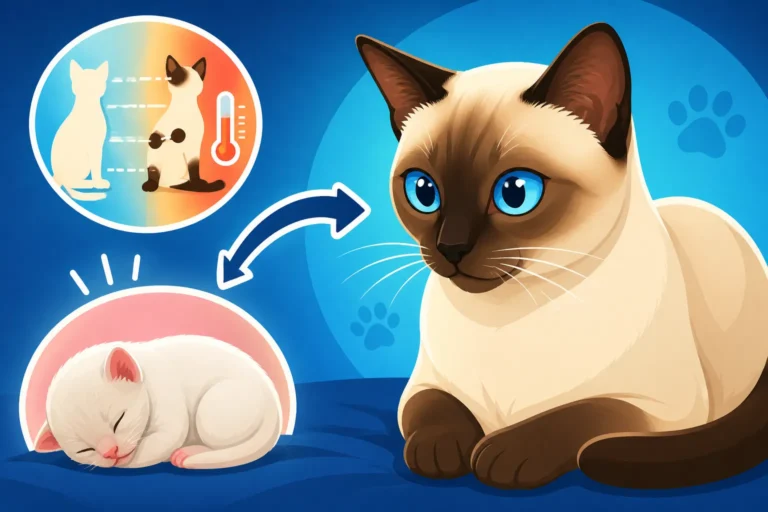
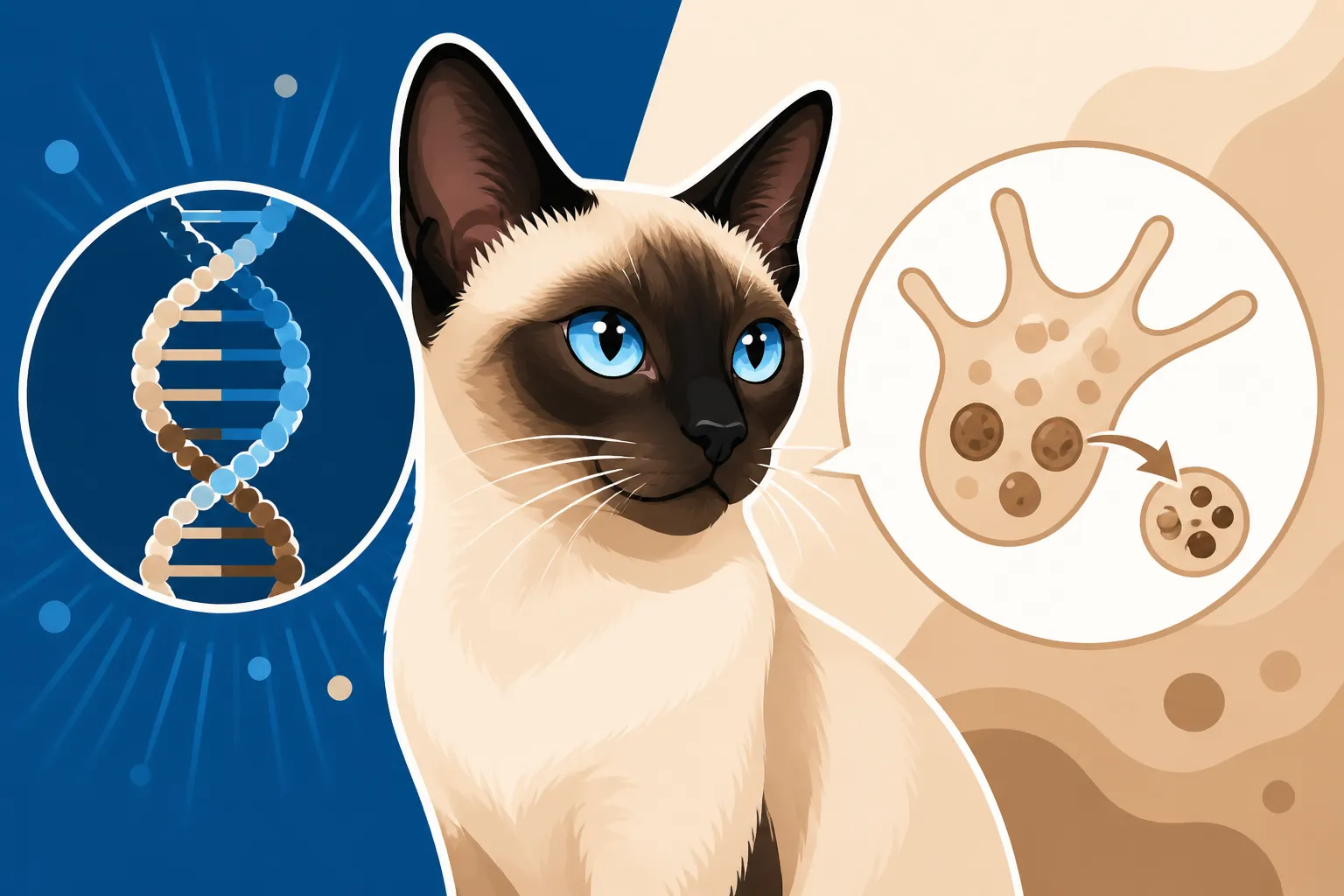
This particular mutation leads to a tyrosinase enzyme that is temperature-sensitive. What does that mean in practical terms? It means the enzyme only works effectively within a narrow, cooler temperature range. When the body temperature is warm, the enzyme becomes largely inactive, much like a tiny factory worker taking a siesta. This genetic modification is the root cause of the Siamese cat's famous point coloration, where pigment production is inhibited in the warmer parts of the body (the torso) and only allowed to flourish in the cooler extremities (the points). It's a remarkable example of how a single gene mutation can lead to such a visually distinctive and iconic breed. This unique genetic twist is truly what defines their aesthetic.
The Specific Tyrosinase Mutation in Siamese Cats (c^s)
Delving deeper into the Siamese cat's genetics, we find that the c^s allele is the specific culprit and hero behind their coloration. This isn't just a minor tweak; it's a fundamental alteration that governs how and where their body produces pigment.
The 'Temperature-Sensitive' Effect
The most captivating aspect of the c^s mutation is its direct link to temperature. For Siamese cats, the tyrosinase enzyme is only active at temperatures below approximately 100-102°F (38-39°C). This physiological threshold explains the exact distribution of their pigment. The cooler areas of their body – the tips of their ears, the end of their tail, their paws, and their face (which is naturally cooler due to air exposure and less core body heat) – are where the enzyme can successfully produce melanin. This results in the characteristic darker 'points'.
Conversely, the main body of the cat, which maintains a warmer core temperature, effectively "deactivates" the tyrosinase enzyme. Consequently, these areas produce little to no pigment, leading to the pale, cream, or off-white body color that contrasts so beautifully with their points. It’s an almost perfect natural thermostat at play, constantly adjusting pigment production based on local body temperature. This elegant mechanism is precisely Why a Siamese Cat's Pigment Only Works When Cool, leading to the visual masterpiece we adore. You can literally watch the color develop on a growing kitten as their tiny extremities are exposed to the ambient environment for the first time.
Homozygous Recessive and its Implications
The c^s allele that gives Siamese cats their distinctive colorpoint pattern is a recessive gene. This means that a cat must inherit two copies of this specific allele – one from each parent – to express the full Siamese coloration. Genetically speaking, a true Siamese cat will have a genotype of c^s/c^s. If a cat inherits only one copy of the c^s allele (e.g., from a Siamese parent, but the other parent contributes a dominant allele for full color, like 'C'), that cat would be a carrier of the Siamese gene but would appear as a normally pigmented, solid-colored cat. You wouldn't know by looking at them that they carried the gene, but they could pass it on to their offspring.
This recessive inheritance pattern is fundamental for breeders. They must ensure that both parents carry the c^s allele (either as full Siamese or as carriers) to reliably produce Siamese kittens. It also explains a truly magical phenomenon: Why a Siamese Cat Kitten Is Born White. Inside the warmth of the mother's womb, the kitten's entire body is kept at a consistent, warm temperature, which completely inhibits the tyrosinase enzyme. Therefore, pigment cannot develop. It’s only after birth, as the kitten is exposed to the cooler outside world, that their extremities start to cool down enough for the enzyme to become active, and their points gradually begin to emerge, darkening over the first few weeks and months of life. It’s a slow-motion reveal of their true colors, quite literally.
How This Mutation Influences Siamese Cat Appearance and Care
The temperature-sensitive tyrosinase mutation doesn't just create a pretty pattern; it fundamentally shapes the Siamese cat's aesthetic evolution and even hints at certain care considerations that owners should be mindful of throughout their cat's life.
The Visual Manifestation of the Mutation
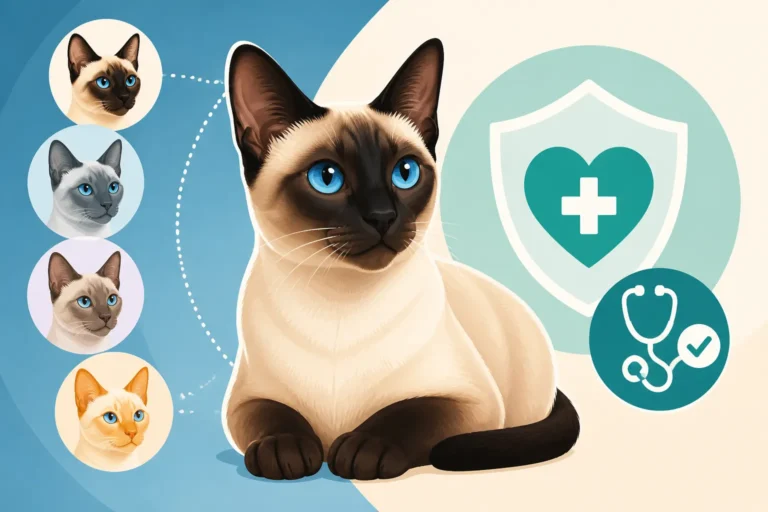
The c^s mutation is the canvas, but the underlying base color genes determine the specific shade of the points. This is why we see the four classic Siamese point colors:
- Seal Point: The darkest and most common, resulting from a cat genetically coded for black fur. The points are a deep, rich brown-black.
- Chocolate Point: A lighter, warmer brown, derived from a cat genetically coded for chocolate (diluted black).
- Blue Point: A dilute of Seal Point, giving a slate-grey or blueish hue to the points.
- Lilac Point: The dilute of Chocolate Point, resulting in a frosty, pale grey or pinkish-grey point color, often considered the palest of the traditional points.
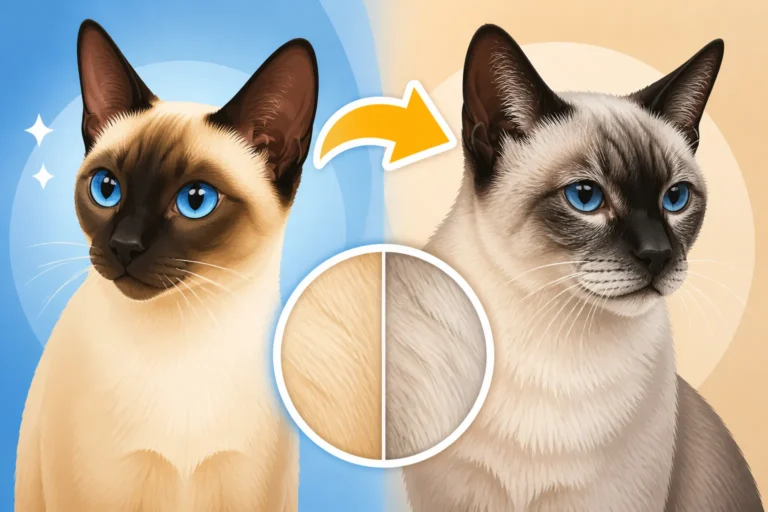
What's truly fascinating is how dynamic this coloration is. A Siamese cat's body color isn't static; it's a living, breathing thermometer reading. As a cat ages, or if they spend a significant amount of time in a cooler environment, their core body temperature can slightly drop or fluctuate, allowing more pigment to develop on their torso. This explains Why a Siamese Cat Darkens Every Winter and generally becomes a deeper shade of cream or even light brown over their lifespan. You'll often notice that Why a Siamese Cat's Ears Are Darker Than Its Back and Why a Siamese Cat's Nose and Paws Are Dark are particularly pronounced, simply because these are the parts of the body most consistently exposed to the coolest temperatures. It's a beautiful, natural process, a testament to their genetic individuality.
Practical Care Considerations Related to Color Genes
While their stunning color is harmless, the underlying genetic reason for it does have some subtle implications for their daily care. Because their fur is designed to be lightly pigmented on their core body, and they have a short, single coat lacking a dense undercoat, Siamese cats can sometimes feel the cold more acutely than their fluffier, uniformly colored counterparts. You might find your Siamese seeking out sunbeams, burrowing under blankets, or insisting on snuggling close to you for warmth. This natural inclination to stay cozy is exactly Why a Siamese Cat Feels the Cold, and it's a gentle reminder to provide them with plenty of warm spots in your home. A soft, plush bed, perhaps even a heated cat bed available from retailers like Amazon or Chewy, can be a real luxury for them, ensuring they stay comfortable, especially during the colder months.
Another interesting visual effect, directly linked to this temperature-sensitive gene, often appears after veterinary procedures. If your Siamese cat needs to be shaved for surgery, an ultrasound, or even a simple blood draw, you might notice that the fur that grows back in that shaved patch is significantly darker than the surrounding body fur. This isn't cause for alarm; it's simply because the skin in that area, now exposed to cooler ambient temperatures without the insulating fur, has allowed the tyrosinase enzyme to activate and produce pigment. The color will eventually fade and blend as the fur grows longer and provides more insulation. This phenomenon is why owners often observe The Shaved Patch That Grows Back Dark on a Siamese Cat, and it's a unique characteristic of the breed that many vets will forewarn you about. While their diet won't change their color, a high-quality, protein-rich diet can support their lean, muscular build and contribute to a healthy, lustrous coat that highlights their beautiful points.
Related Genetic Traits and Common Questions
The c^s mutation is fascinating on its own, but it's also part of a larger genetic tapestry that defines the Siamese breed. Many common questions and historically associated traits, while not directly caused by the tyrosinase gene, are part of the unique heritage of these remarkable cats.
Cross-Eyes and Kinked Tails
For a long time, the image of a Siamese cat was almost synonymous with crossed eyes (strabismus) and even kinked or knotted tails. These distinctive physical traits were so prevalent in early Siamese lines that they became embedded in the breed's folklore, often leading to charming legends about royal cats guarding precious objects, their tails kinking from gripping treasures too tightly and their eyes crossing from staring intently at them. These tales beautifully explain Why a Siamese Cat's Eyes Cross and Its Tail Kinks, intertwining myth with their physical appearance.
However, it’s vital to understand that neither crossed eyes nor kinked tails are a direct result of the temperature-sensitive tyrosinase mutation. They are separate genetic traits that were simply common in the early, more limited gene pools of the Siamese breed. Over generations, selective breeding has largely worked to minimize or eliminate these traits, as they are now considered disqualifications in most modern breed standards. While you might still encounter traditional or "old-style" Siamese cats that exhibit these characteristics, they are not indicative of the cat's purity or directly linked to their unique coloration. They are fascinating remnants of the breed's history, showcasing how far selective breeding has come.
Other Pointed Breeds
The beauty of the c^s allele is that it's not exclusively found in the Siamese cat. This remarkable genetic mutation is the foundational element for the coloration of numerous other beloved cat breeds, highlighting the Siamese's profound influence on the feline world. Breeds such as the Himalayan, Ragdoll, Birman, Javanese, Colorpoint Shorthair, and even some varieties of the Exotic Shorthair all owe their stunning point patterns to the presence of this very same temperature-sensitive tyrosinase gene.
These breeds demonstrate how a single, powerful genetic trait can be combined with different body types, coat lengths, and other genetic factors to create an incredible diversity of cat breeds, all linked by that distinctive colorpoint appearance. For instance, the What a Colorpoint Shorthair Is Next to a Siamese Cat provides a perfect example of a breed that shares the Siamese's genetics for coloration but differs in other aspects of its appearance, showcasing the versatility of the c^s allele. It's truly a testament to the Siamese cat's genetic legacy, a thread that runs through many of the most beautiful and beloved breeds we cherish today, proving that sometimes, one genetic quirk can truly change the landscape of an entire species.
| Feature | Typical Tyrosinase Function | Siamese Cat Tyrosinase Function |
|---|---|---|
| Pigment Production | Active regardless of temperature | Active only in cooler body temperatures |
| Coat Color Distribution | Uniform pigment across the body | Pigment concentrated on extremities (points) |
| Core Body Color | Pigmented according to genetic code | Pale, cream, or off-white |
| Kitten Appearance | Born with visible coat color | Born entirely white or very pale |
| Reaction to Shaving | Hair grows back original color | Hair grows back darker in shaved area |
Disclaimer
This article is for general informational purposes only and does not constitute professional advice. Laws, prices and regulations vary by location and change over time. Consult a qualified professional for guidance on your specific situation.