The Age a Siamese Cat Starts Darkening
One of the most captivating things about Siamese cats, beyond their vocal charm and intense personalities, is the mesmerizing way their coats develop. Many new owners are often surprised, and sometimes a little puzzled, when their pristine, creamy white kitten starts to develop darker patches. It's a question I hear all the time: "When will my Siamese kitten get its full color?" or "Why is my adult Siamese suddenly getting so dark?" This guide is all about demystifying that incredible process, helping you understand the timeline and the fascinating science behind your Siamese cat's ever-changing coat.
The Marvel of Siamese Point Coloration
Let's face it, seeing a pure white, blue-eyed ball of fluff as a tiny kitten is utterly adorable. But then, almost like magic, subtle shades start to appear. It's not just a random occurrence; it's a beautiful, temperature-sensitive genetic trait that makes the Siamese breed so unique. Understanding this foundational concept is key to appreciating your cat's evolving beauty.
Born White: The Genetic Blueprint
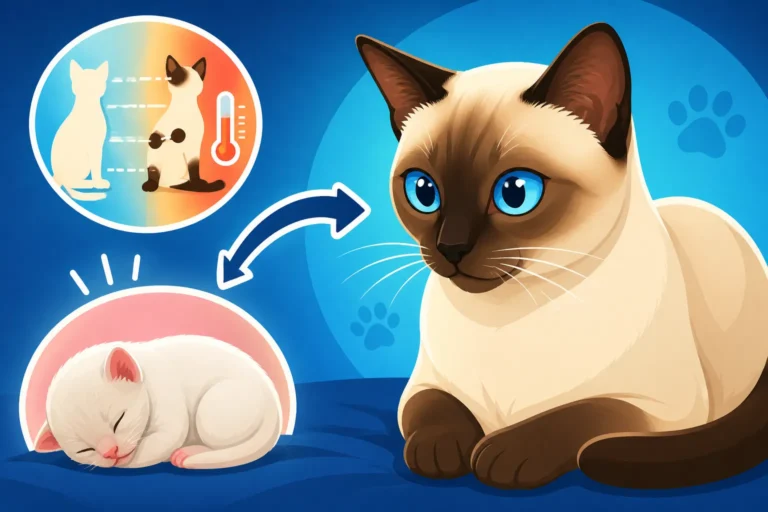
Imagine a painter, but this painter only works when the temperature is just right. That's essentially what happens with a Siamese cat's coloration! The gene responsible for their stunning "point" pattern is a temperature-sensitive enzyme called tyrosinase. This enzyme is crucial for melanin production, which is what gives fur its color. Here's the kicker: it only functions effectively in cooler temperatures.
Think about a Siamese kitten in its mother's womb. It's wonderfully warm and cozy in there, isn't it? The entire environment is consistently warm, which means that temperature-sensitive enzyme is mostly inactive. Because the enzyme isn't really working, melanin isn't being produced in significant amounts across the kitten's body. That's precisely Why a Siamese Cat Kitten Is Born White – they emerge into the world as little snowy white wonders, a blank canvas awaiting their unique transformation. This initial lack of pigment isn't a defect; it's a perfectly normal and expected part of their genetic makeup.
The First Hints of Color
Once your tiny, white bundle of joy is out in the big wide world, things start to change. The ambient temperature outside the womb is significantly cooler, even in a warm house. This subtle drop in temperature is all it takes for the tyrosinase enzyme to begin its work in the cooler extremities of the kitten's body. These extremities—the tips of the ears, the nose, the paws, and the tail—are naturally the coolest parts of a cat's body.
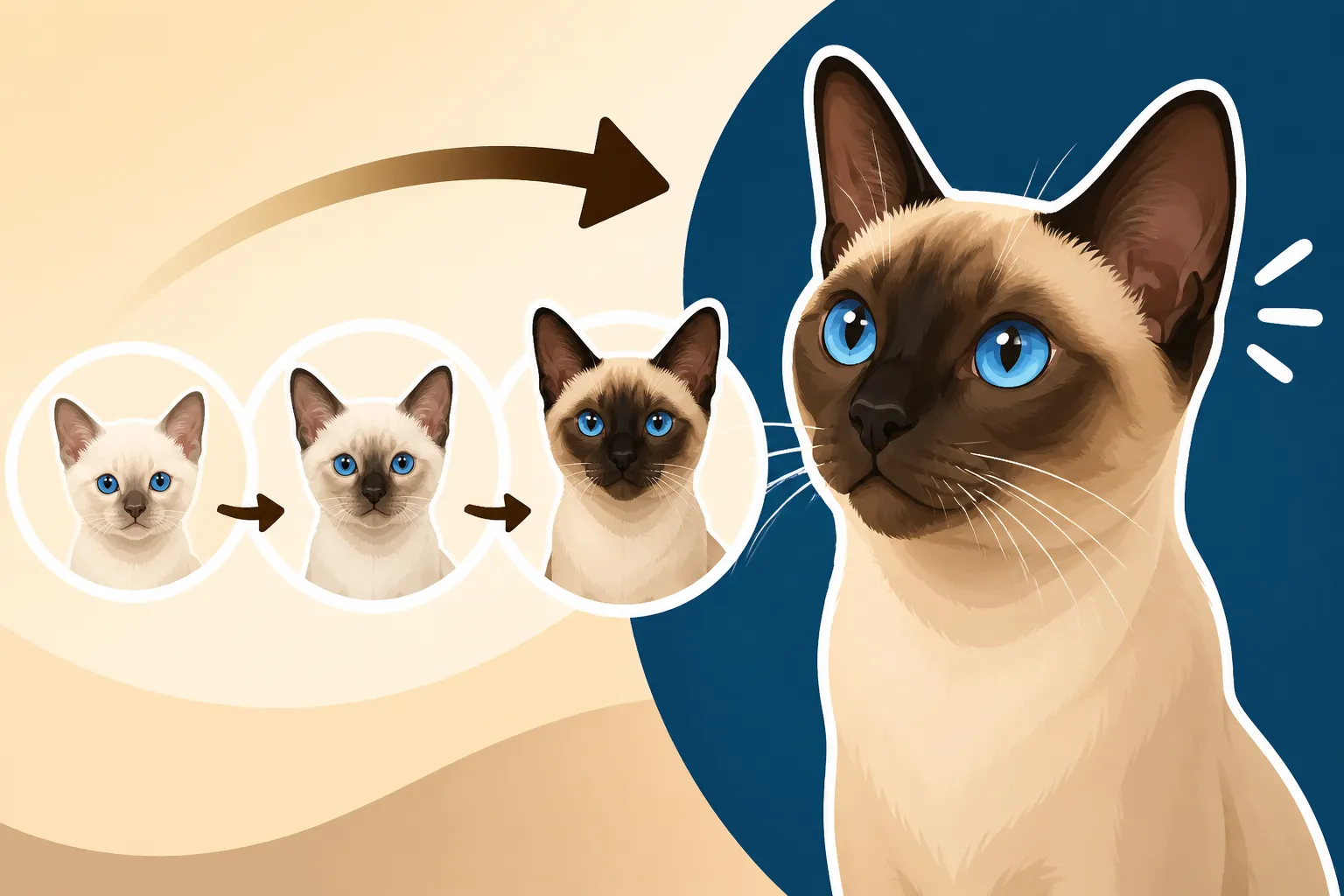
You might start to notice the very first whispers of color appearing around two to three weeks of age. It's incredibly subtle at first, often just a faint creaminess or a slight darkening on the ear tips or the nose leather. Many owners don't even realize what they're seeing until a few more days pass and the distinction becomes a bit clearer. It's like watching a photograph slowly develop in a darkroom. The color deepens gradually, becoming more pronounced over the next few weeks. By four to six weeks, it's usually undeniable that your little white fluffball is indeed becoming a beautiful pointed cat. This initial emergence of color is truly one of the joys of watching a Siamese kitten grow. If you're curious about the specifics, we have more on How Old a Siamese Cat Kitten Is When Points Show.
The Timeline of Point Development and Darkening
The darkening of a Siamese cat's points isn't a single event; it's a continuous, dynamic process that evolves throughout their entire lives. From the moment they're born until their golden years, their coat color is constantly, albeit subtly, shifting and deepening. It's part of what makes them such a captivating breed to live with.
Kittenhood to Adolescence: The Initial Transformation
After those initial faint hints of color appear, the darkening process truly kicks into gear during kittenhood and adolescence. During the first few months, you'll see a noticeable progression as the points become richer and more defined. A seal point, for instance, will develop deep, espresso-brown points. A blue point's ears and paws will transition from a pale grey to a striking slate. This isn't a sudden, overnight change, but rather a slow, mesmerizing reveal. Every week brings a slightly darker shade, a more pronounced contrast between their body and their points.
Many factors play into how quickly and deeply this initial transformation occurs. A kitten living in a slightly cooler home might develop their points more quickly and intensely than one kept in a consistently very warm environment. The very act of growing and being exposed to normal household temperatures encourages the enzyme to work its magic. By the time a Siamese cat reaches six to twelve months of age, their primary point colors are generally quite established, though they are still far from their darkest potential. It's fascinating to observe these changes, almost like watching a piece of art being painted right before your eyes. You'll often see distinct areas of color, like a dark mask forming on their face, or deep socks on their paws. This isn't just about aesthetics; it's a living testament to their unique genetic programming.
Adulthood and Beyond: Continuous Darkening
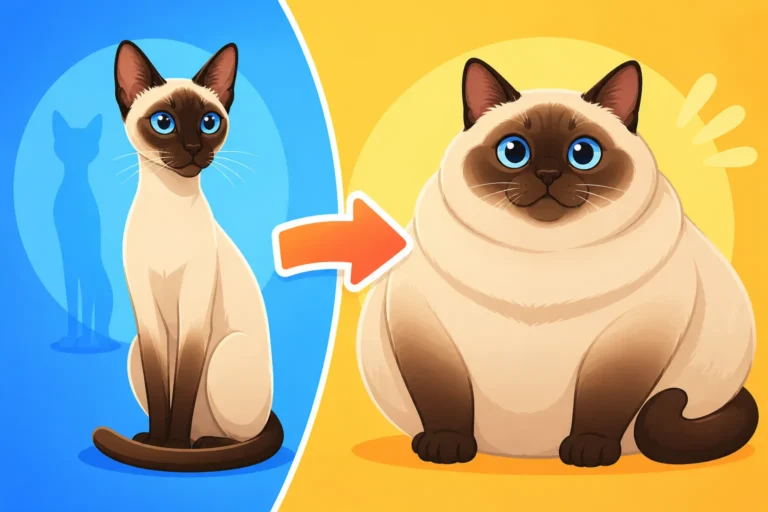
Here's a crucial point many new Siamese owners don't realize: the darkening doesn't stop once they're adults. Oh no, a Siamese cat's coat is a work in progress for their entire life! As your Siamese matures into adulthood and then gracefully into their senior years, their body fur, which might have remained a creamy ivory or pale fawn in their youth, will slowly start to deepen in color. This is why you'll often see older Siamese cats with much darker bodies compared to their younger counterparts. It's not that they're getting dirty; it's just the steady, inevitable march of time and temperature.
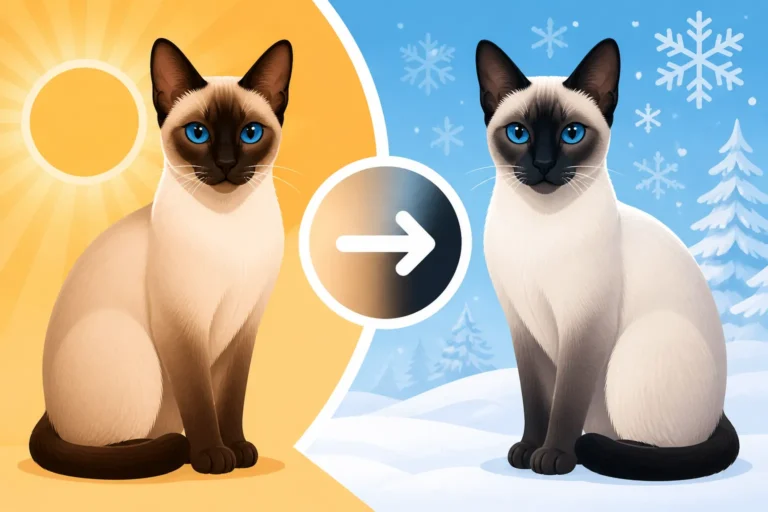
The cumulative effect of years of exposure to ambient temperatures means that the enzyme has more time to produce pigment across their entire body, not just the extremities. Seasonal changes also play a role. Many owners report that their Siamese cats darken noticeably in the colder winter months and might lighten up a touch during the warmer summer season. It's a constant ebb and flow, making their coat a dynamic canvas. So, if your beloved elder Siamese is looking a bit more like a toasted marshmallow than a delicate vanilla bean, rest assured, it's just a sign of their beautiful aging process. For more on this, check out Why an Older Siamese Cat's Body Goes Brown. This gradual darkening is a characteristic hallmark of the breed, a beautiful visual record of their journey through life.
| Age Stage | Typical Color Progression | Key Characteristics |
|---|---|---|
| Birth – 2 Weeks | Pure white to cream, faint hints of color on extremities | Born entirely white, points start to show as faint shadows on ears, nose, paws, and tail tip. |
| 2 Weeks – 3 Months | Points become more defined and noticeable | Rapid darkening of points. Ear tips, nose, paw pads, and tail are clearly pigmented. Body still light. |
| 3 Months – 1 Year | Points continue to deepen, body color remains light | Point color is largely established, though still maturing. Subtle darkening on body, but contrast remains strong. |
| 1 Year – 5 Years | Slow, steady darkening of overall body and points | Body color begins to deepen slightly, losing some of its initial creaminess. Points become richer and more intense. Seasonal changes may be observed. |
| 5+ Years | Significant overall darkening, points very rich | Body color can become a distinct shade of fawn or light brown, sometimes with subtle shading. Points are very deep and well-saturated. |
| Senior Years (10+) | Often a uniformly darker shade, less contrast with points | The stark contrast between body and points diminishes as the body fur itself accumulates more pigment over time. Points remain dark and may appear almost black (seal). |
Factors Influencing a Siamese Cat's Color Progression
While the genetic mechanism is universal for Siamese cats, the exact shade and rate of darkening can be influenced by a few factors. It's not just about the thermometer on the wall; there are other subtle elements at play that contribute to your cat's unique color story.
Genetics and Point Color Type
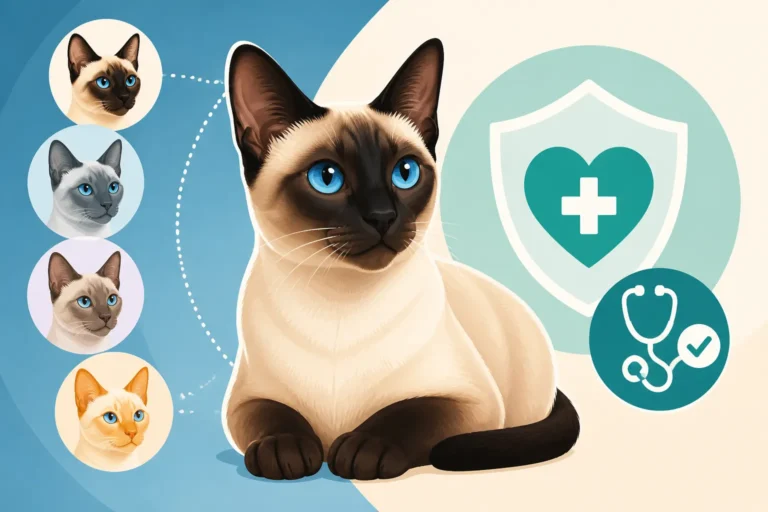
First and foremost, the specific point color your Siamese cat inherits will dictate the base shades involved. Seal points, for example, have the darkest points, appearing as a deep, rich brown, almost black, and their bodies will typically darken to a fawn or creamy beige. Blue points, on the other hand, have slate-grey points, and their bodies usually remain a cooler white or soft grey. Chocolate points are characterized by warm, milk-chocolate points, with a body that might stay a warmer ivory. Then there are lilac points, the palest of the traditional four, with delicate pinkish-grey points and a stark white body.
Naturally, a cat with genetically lighter points, like a lilac point, might appear to darken less dramatically than a seal point simply because their base pigment is lighter. However, the fundamental principle of temperature-sensitive darkening still applies to all of them. A lilac point will still show a greater contrast between their kitten white and their adult body color, and their points will still deepen over time, even if they never reach the intensity of a seal point. It's all about their individual genetic blueprint. You can sometimes even guess Which Point Color Shows Up First on a Siamese Cat based on its intensity.
Environmental and Lifestyle Impacts
This is where the fun really begins! We've already established that temperature is the superstar in this color show. A Siamese cat living in a consistently cooler environment, perhaps in a house where the thermostat is set a bit lower in the winter, will typically develop darker points and a darker body color overall than a Siamese living in a perpetually warm, tropical climate. It's a direct physiological response to their surroundings.
Beyond ambient temperature, a cat's general health and nutrition can also play a subtle role in the quality and vibrancy of their coat. A well-nourished Siamese with a healthy diet that focuses on whole ingredients will likely have a richer, shinier coat, which can make their colors appear more pronounced. While diet won't fundamentally change their genetic color, optimal health supports optimal coat condition. Similarly, a cat that spends a lot of time lounging in cooler spots around the house – say, by a window in winter, or on a tile floor – might develop darker fur in those specific areas over time. Interestingly, Whether an Indoor Siamese Cat Stays Paler is a common question, and generally, indoor cats often do, simply because they aren't exposed to the extremes of outdoor temperatures. It’s truly a living art canvas, constantly being repainted by the environment.
Perhaps the most striking real-life demonstration of this temperature-dependent darkening is when a Siamese cat has a patch of fur shaved, for example, for surgery or a blood draw. When that fur grows back, it almost invariably comes in darker than the surrounding coat! This is because the skin beneath the shaved area is now exposed directly to the cooler air, activating the tyrosinase enzyme more intensely. Over time, as the fur grows longer and provides more insulation, and as the area is no longer as consistently cool, that darker patch will gradually fade and blend back into the rest of their body color. It's a temporary but vivid example of how profoundly temperature affects their coat. We delve more into this in The Shaved Patch That Grows Back Dark on a Siamese Cat and Why a Shaved Siamese Cat Grows Back Dark.
Illness, Injury, and Other Peculiarities
While genetics and environmental factors are the primary drivers of Siamese coloration, certain health conditions or injuries can sometimes have peculiar, albeit often temporary, effects on their coat color or quality. Severe illness or prolonged stress can sometimes impact a cat's overall coat health, potentially leading to a duller appearance or even temporary changes in shedding patterns. While this doesn't directly alter the genetic mechanism of point coloration, a less healthy coat might appear less vibrant, making the colors seem less rich.
Localized injuries, especially those that involve inflammation or changes in skin temperature, could theoretically cause temporary shifts in localized fur growth or pigment, though these are rare and usually resolve as the cat heals. For instance, if a cat has an allergic reaction or a hot spot that is shaved and then needs treatment, the new fur growing back might initially be darker, similar to a surgical shave site, due to the increased exposure to ambient air. Once the fur grows out and normal insulation returns, the color typically reverts. These are generally minor and short-lived phenomena compared to the consistent, lifelong darkening governed by their unique genetics and environment. If you notice any unusual or significant changes in your cat's coat that aren't explained by the natural darkening process, it's always wise to consult with your veterinarian.
Setting Expectations for Your Siamese's Coat Color
As you embark on the journey of living with a Siamese cat, embracing their ever-evolving coat color is part of the fun. It’s a dynamic characteristic that makes each Siamese truly unique. Understanding what to expect, and what not to expect, can help you appreciate their beauty even more.
Predicting Final Color: A Bit of a Guessing Game
When your adorable Siamese kitten is still a pale fluffball, it's natural to wonder exactly what shade their points will eventually become and how dark their body will get. While you can certainly get a good idea from the parents' coloration and the specific point type (e.g., seal, blue, chocolate, lilac), predicting the exact final shade of your individual cat is a bit like guessing the future – you can make an educated estimate, but there will always be charming variations.
For example, two seal points born from the same parents might end up with slightly different depths of body color as adults, purely due to individual metabolic rates, activity levels, and their preferred lounging spots in the house. A reputable breeder can provide insights based on their lines, but even they can't give you a precise color swatch for your kitten's 10-year-old self. The beauty is in the journey, not just the destination. We have a whole article dedicated to this: Whether a Siamese Cat Kitten's Final Color Can Be Predicted. The key is to enjoy the transformation and the unfolding of their unique pattern.
Embracing the Evolving Beauty
Ultimately, the most important takeaway is to simply revel in the natural, evolving beauty of your Siamese cat. Their coat is a living, breathing testament to their genetics and their life experiences. That creamy kitten who eventually becomes a more richly toned adult cat isn't "changing" in a negative way; they're simply fulfilling their genetic destiny. It's a beautiful process to witness and appreciate.
Instead of focusing on a static ideal, consider their coat a dynamic canvas that reflects their life. The faint darkening on their back as they age, the subtle shift in point intensity through the seasons – these are all part of the unique charm of the Siamese breed. Every shade and nuance tells a story. Just ensure they're happy, healthy, and receiving good nutrition from quality brands like Chewy or your local pet store, and they'll continue to be a stunning companion, regardless of their exact shade. Perhaps you might even capture some of these moments with photos and store them on an Amazon cloud album for posterity!
Disclaimer
This article is for general informational purposes only and does not constitute professional advice. Laws, prices and regulations vary by location and change over time. Consult a qualified professional for guidance on your specific situation.