Why a Shaved Siamese Cat Grows Back Dark
It can be quite startling for a Siamese cat owner to bring their beloved feline home from a veterinary procedure only to find that the shaved area, perhaps for surgery or an IV, starts growing back in a noticeably darker shade. This isn't just a trick of the light or a fading memory of their original coat; it's a very real and common phenomenon unique to Siamese cats, and it's all tied back to their fascinating genetics. This guide will dive deep into why this happens, what it means for your furry friend, and what you can expect as their beautiful coat grows back.
The Siamese Cat's Unique Color Genetics
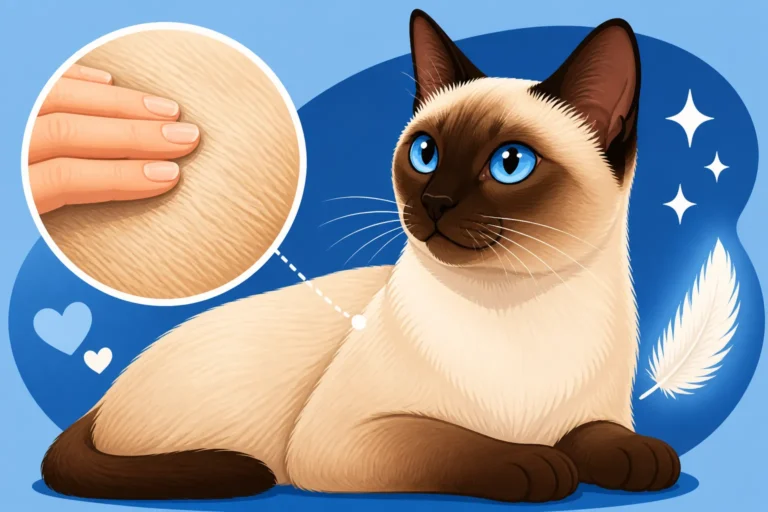
Siamese cats are famous for their stunning "point" coloration – those beautiful dark ears, paws, tail, and face mask that contrast so strikingly with their lighter bodies. This isn't just a random aesthetic; it's a direct result of a specific genetic mutation that affects pigment production in their fur. Understanding this genetic quirk is the key to unraveling the mystery of the dark shaved patch.
Understanding Point Coloration and Temperature Sensitivity
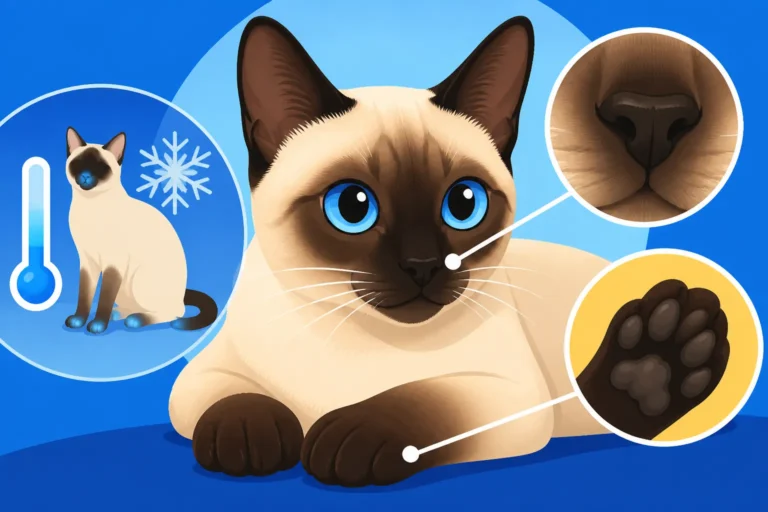
At the heart of the Siamese cat's distinctive look is a temperature-sensitive enzyme called tyrosinase. Normally, tyrosinase is crucial for producing melanin, the pigment that gives hair and skin its color. However, in Siamese cats, this particular enzyme is a bit finicky; it only works effectively at cooler body temperatures. Think of it like a tiny, furry thermometer dictating where the color goes.
This is why their extremities – the points – are dark. These areas of the body are naturally cooler than the core. Their ears, nose, paws, and tail lose heat more readily and thus allow the temperature-sensitive tyrosinase to do its job, producing rich, dark pigment. The warmer parts of their body, like their torso and belly, keep the enzyme inactive, resulting in the creamy, paler fur we associate with the breed. It's a truly remarkable example of how genetics and environment interact to create such a unique appearance. You can learn more about What Point Coloration in a Siamese Cat Is and A Siamese Cat's Points Are Made by Temperature.
Why Kittens are Born White and Points Develop
If you've ever seen a newborn Siamese kitten, you might have done a double-take – they’re almost always born pure white or a very pale cream! This is one of those charming facts about the breed that always delights new owners. There isn't a hint of those dark points you expect to see on an adult Siamese. This initial pristine white coat is another beautiful illustration of that temperature-sensitive tyrosinase at work.
Inside their mother's womb, kittens are kept wonderfully warm and cozy. The ambient temperature in the uterus is consistently high enough to keep the tyrosinase enzyme completely inactive. This means no melanin is produced, and the kittens develop with unpigmented, white fur. It’s a perfect, natural incubator that ensures their early coat is uniformly pale. It's a temporary state, of course, as the world outside the womb is a much cooler place. This consistent warmth explains Why a Siamese Cat Kitten Is Born White.
As soon as those precious kittens enter the world and are exposed to normal room temperatures, the magic begins. The cooler air starts to activate the tyrosinase enzyme in the extremities – those areas that are naturally a few degrees cooler than the body's core. Slowly but surely, over the first few weeks and months of their lives, their distinctive points begin to emerge. You’ll see the faint darkening on their ears first, then their tiny paws, followed by their tail and the adorable mask on their face. It’s a gradual process, but it’s fascinating to watch their true colors develop right before your eyes. This also explains How Temperature Controls a Siamese Cat's Color.
Why Shaved Fur Grows Back Darker
Now that we understand the intricate dance between temperature and pigment in a Siamese cat, the mystery of the dark shaved patch becomes much clearer. It’s not a medical anomaly or a cause for alarm; it’s a perfectly natural, albeit surprising, manifestation of their unique genetic makeup.
The "Cooler Skin" Theory After Shaving
When your Siamese cat has an area shaved, whether it's for a surgical procedure, to place an IV line, or even just a grooming mishap, that patch of skin suddenly loses its insulating layer of fur. Think about how a thick winter coat keeps you warm – without it, your skin feels the cold much more directly. The same principle applies to your Siamese. The absence of fur means the skin in that shaved area becomes cooler than the surrounding, insulated skin. It's a bit like creating a mini "cold spot" on their body.
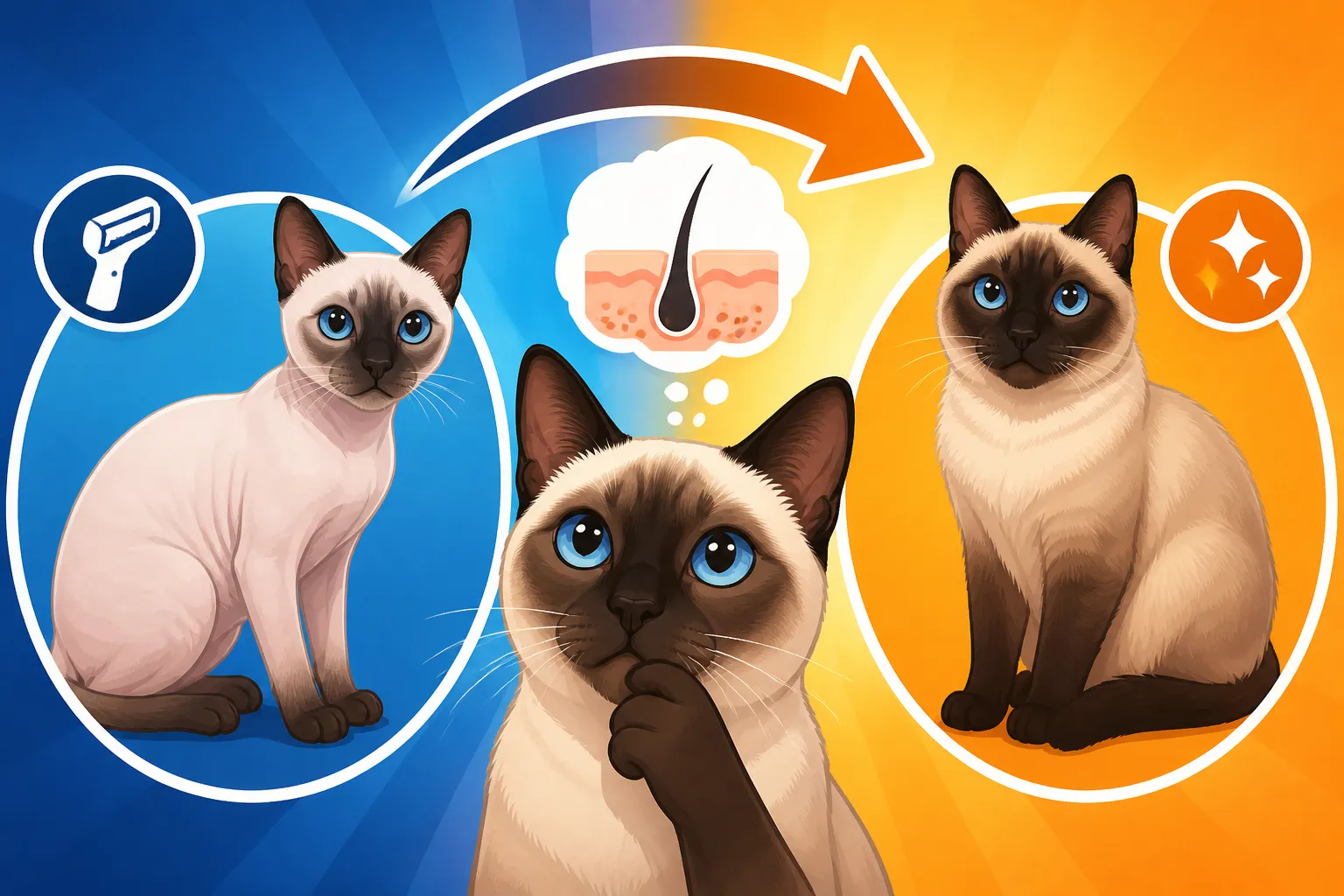
This localized drop in skin temperature is precisely what triggers the temperature-sensitive tyrosinase enzyme in that specific area to become active. Suddenly, the conditions are just right for melanin production to kick into gear where it normally wouldn't be as prevalent. This is why you often see the most dramatic darkening on areas that were completely denuded of fur, like a large surgical site on their belly or a patch on a limb where an IV was inserted. The contrast can be quite striking, turning a pale cream belly into a distinct dark brown patch. It's an internal temperature gauge at work, making the shaved area behave like a temporary "point."
Melanin Production in Cooler Areas
Let's delve a little deeper into the science, but keep it simple. When the skin in the shaved area cools down, that finicky tyrosinase enzyme, which was previously suppressed by the body's warmer core temperature, springs to life. It gets to work, diligently producing melanin, the dark pigment. This isn't just a subtle change; it can result in fur that grows back significantly darker than the surrounding, unshaved coat. If your Siamese has seal points, the regrown fur might be a very deep brown, almost black. For a lilac point, it might be a much darker taupe.
This response is completely normal and healthy for a Siamese cat. It's not a sign of infection or any problem with the hair follicle; it's simply their genetics expressing themselves under new, localized thermal conditions. You might have noticed a similar, though perhaps less dramatic, effect with Why a Siamese Cat Darkens Every Winter. The colder ambient temperatures can cause a general darkening of the body over time, but a shaved patch provides a much more localized and immediate temperature drop, leading to a more intense color change in that specific spot. It’s a vivid demonstration of how intrinsically linked their beautiful coloration is to their body temperature.
What to Expect and How to Manage It
Discovering a dark patch of fur growing back on your Siamese can be surprising, but rest assured, it’s a common and usually harmless occurrence. Knowing what to expect can help ease any worries you might have.
The Appearance of the Darker Patch and Its Duration
When that fur starts to regrow, don't be alarmed if the new hair in the shaved area looks dramatically different from the surrounding coat. It will often be a much deeper shade, almost like a temporary new "point" has formed on your cat's body. For example, if your Siamese has a pale, creamy body, the shaved patch might grow back a dark brown or even black, creating a stark, almost comical contrast. It truly highlights just how sensitive their pigment production is to temperature.
This darker fur isn't necessarily permanent, but it does tend to stick around for a while. As the new fur grows in and begins to insulate the skin again, that local area will gradually warm up to match the rest of your cat’s body temperature. Once the temperature stabilizes, the tyrosinase enzyme will become less active again, and subsequent hair growth in that spot should return to your cat's original, lighter body color. However, this transition can take several weeks or even months, depending on how quickly your cat's fur grows and how large the shaved area was. Patience is definitely a virtue here! You might be wondering How Long a Shaved Siamese Cat Stays Dark or Whether a Siamese Cat's Dark Patch Fades – the good news is, it usually does fade over time.
Caring for Your Siamese Cat After Shaving
Beyond the aesthetic of a temporary dark patch, the practical side of caring for a Siamese with a shaved area is pretty straightforward. First and foremost, ensure your cat stays comfortably warm, especially if a significant portion of their fur has been removed. Siamese cats already tend to feel the cold more than some other breeds due to their short, single coat and lean body type. A shaved area exacerbates this, making them more susceptible to drafts.
Consider providing extra cozy blankets in their favorite sleeping spots or even a heated cat bed, especially during cooler months. Brands like Amazon offer a wide range of snuggly beds, and you can find many options on sites like Chewy that cater to keeping cats warm. If the area was shaved for surgery, follow your vet's post-operative instructions meticulously, ensuring the wound stays clean and dry. Avoid any harsh rubbing or scrubbing on the regrowing fur, as the skin underneath might still be sensitive. Gentle brushing with a soft brush, once the skin has healed, can help stimulate healthy new hair growth and ensure their coat remains in good condition. You can read more about Keeping a Siamese Cat Warm and How Warm a Siamese Cat's House Should Be.
When to Be Concerned and When Not To
It's natural to be a little worried when you see a change in your pet, but when it comes to a shaved Siamese cat growing back dark fur, you can typically breathe a sigh of relief. This is almost always a normal physiological response, not a sign of a problem.
Normal Color Changes vs. Health Concerns
The darker regrowth in a shaved area is, in nearly all cases, a perfectly normal and expected genetic response in a Siamese cat. It's a direct consequence of their unique temperature-sensitive pigment gene. There's no need to panic or think that something is wrong with your cat's health simply because of this color change. It’s not indicative of an illness, skin irritation, or a poor healing process. It's just their Siamese genetics doing what they do!
However, it's always wise to distinguish this natural phenomenon from other potential skin or coat issues. If you notice any redness, swelling, discharge, persistent itching, or hair loss around the shaved area that doesn't seem to be growing back, or if the skin itself looks unhealthy, then it's time for a vet visit. These symptoms could point to an infection, an allergic reaction, or another dermatological problem that does require attention. But a simple change in fur color from pale to dark in a shaved spot? That's just your magnificent Siamese being a Siamese. It's a similar principle to how their body can generally darken with age, a process discussed in Why an Older Siamese Cat's Body Goes Brown.
Preventing Unnecessary Shaving
While the dark regrowth is harmless, it's understandable if you'd rather avoid it, particularly if the shaved patch is in a very prominent spot. The best way to prevent a dark patch from appearing is, quite simply, to avoid unnecessary shaving. Of course, sometimes shaving is unavoidable. Medical procedures, such as surgeries, ultrasound scans, or the placement of IV catheters, often require a clean, sterile field, and shaving is a necessary step. In these cases, the temporary dark fur is a small price to pay for your cat's health and well-being.
However, if you're considering shaving your Siamese for purely aesthetic reasons – perhaps to "cool them down" in summer (which isn't generally effective for cats anyway) or to reduce shedding – it’s important to reconsider. A Siamese cat's short, sleek coat is relatively low maintenance, typically requiring only Grooming a Siamese Cat Takes Five Minutes a Week. Regular brushing is usually sufficient to manage shedding and keep their coat healthy, without resorting to shaving. Your vet will often warn you that a shaved area on a Siamese will grow back dark, so it's not usually a surprise for them, but it can be for owners. It's worth having that conversation with your vet or groomer before any procedure that might involve shaving, just so you know what to expect. This can help you manage your expectations and prevent any undue surprise later on, ensuring that you understand Whether a Vet Should Warn a Siamese Cat Owner Before Shaving.
| Aspect | Shaved Area on Siamese Cat | Other Cat Breeds (Generally) |
|---|---|---|
| Color Regrowth | Often grows back significantly darker | Usually grows back the original color |
| Reason | Temperature-sensitive tyrosinase enzyme in Siamese cats | Pigment production generally not temperature-dependent |
| Duration | Darker color persists until new fur insulates and skin warms, then gradually fades | Original color grows back as normal |
| Health Impact | None, purely cosmetic/genetic | None |
| Prevention | Avoid unnecessary shaving, be aware of medical needs | Not a common concern, shaving for medical reasons is normal |
Disclaimer
This article is for general informational purposes only and does not constitute professional advice. Laws, prices and regulations vary by location and change over time. Consult a qualified professional for guidance on your specific situation.