Whether an Indoor Siamese Cat Stays Paler
It’s a common wonder among Siamese cat lovers: does keeping your beloved Meezer exclusively indoors genuinely make their beautiful, distinctive points stay lighter? You’ve probably noticed those stunning cream bodies and deep brown or blue extremities on outdoor cats, and perhaps wondered if your carefully climate-controlled home plays a role in your indoor cat’s often softer, more ethereal shades. This guide dives deep into the fascinating science behind Siamese coat color, exploring how environment and genetics weave together to create their unique appearance.
The Unique Science Behind Siamese Cat Coloration
The striking "point" coloration of the Siamese cat is truly one of nature's marvels, and it’s completely normal to find yourself endlessly fascinated by it. Unlike many other cat breeds where coat color is fairly straightforward, a Siamese cat's color is a direct conversation with its environment, particularly temperature. This isn't just an old wives' tale; it's rooted in some fascinating genetic science that explains why your cat’s fur might look different from a neighbor’s, even if they're the same color point.
The Tyrosinase Enzyme and Temperature Sensitivity
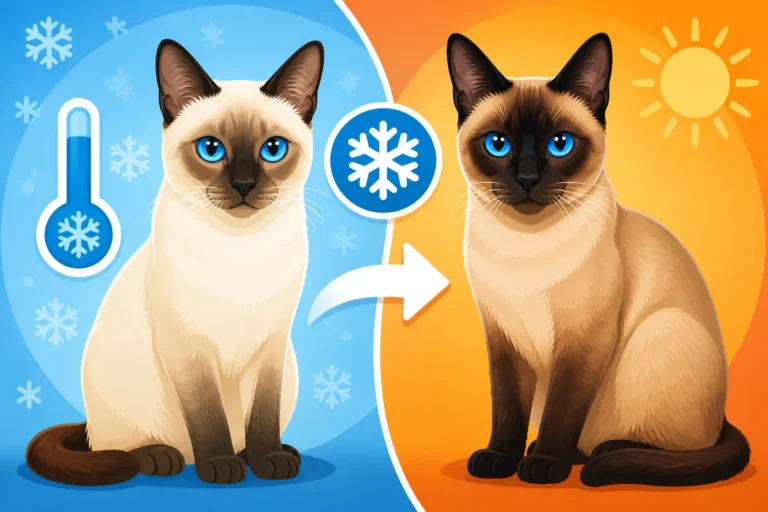
At the heart of the Siamese cat's unique coloring is a special genetic mutation affecting an enzyme called tyrosinase. This enzyme is crucial for melanin production – the pigment that gives hair, skin, and eyes their color. In most mammals, tyrosinase works efficiently regardless of temperature, creating a uniform coat. But in Siamese cats, this particular tyrosinase enzyme is temperature-sensitive. It only functions effectively, producing pigment, in cooler parts of the body. Think about that for a moment: your cat literally has a built-in thermometer dictating its fur color!
This means that areas of a Siamese cat's body that are naturally cooler – like their ears, nose, paws, and tail – produce more pigment and develop those characteristic dark points. The warmer parts of their body, especially their core trunk, inhibit the enzyme's function, resulting in very little or no pigment production, hence the pale cream or ivory body. It's a brilliant evolutionary trick that's been admired for centuries. This is why you'll often hear us talk about A Siamese Cat's Points Are Made by Temperature and how fascinating this genetic quirk truly is.
How Points Develop from Kittenhood
If you've ever had the joy of witnessing a litter of Siamese kittens, you'll know that they are born completely white or a very pale cream. It’s quite a sight, especially when you know they'll grow into such dramatically contrasted adults! This initial paleness is because the mother cat's womb is a uniformly warm environment. The tyrosinase enzyme is essentially "turned off" by this warmth, preventing any pigment from forming during gestation. This explains Why a Siamese Cat Kitten Is Born White.
As the kittens are born and exposed to the ambient temperature of the outside world, their cooler extremities begin to activate the tyrosinase enzyme. Slowly but surely, over the first few weeks and months of their lives, their points start to emerge. First, you might see a faint shadow on their ears, then the nose and paws. The tail is often one of the last areas to fully develop its deep color. The speed and intensity of this development can vary, but generally, by the time they are a few months old, their point coloration is quite evident, though it continues to deepen and mature for some time. It's a gradual reveal, much like a masterpiece being painted before your eyes. Understanding this process helps us appreciate just how dynamic their coat truly is.
How Indoor Living Influences Coat Color
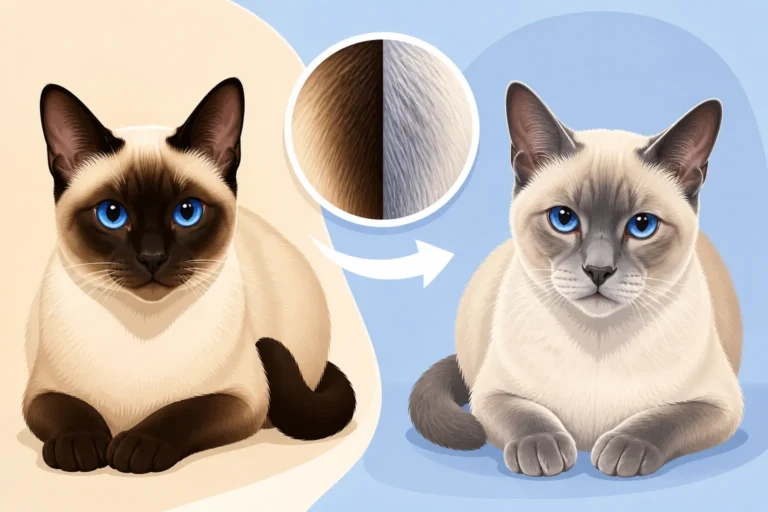
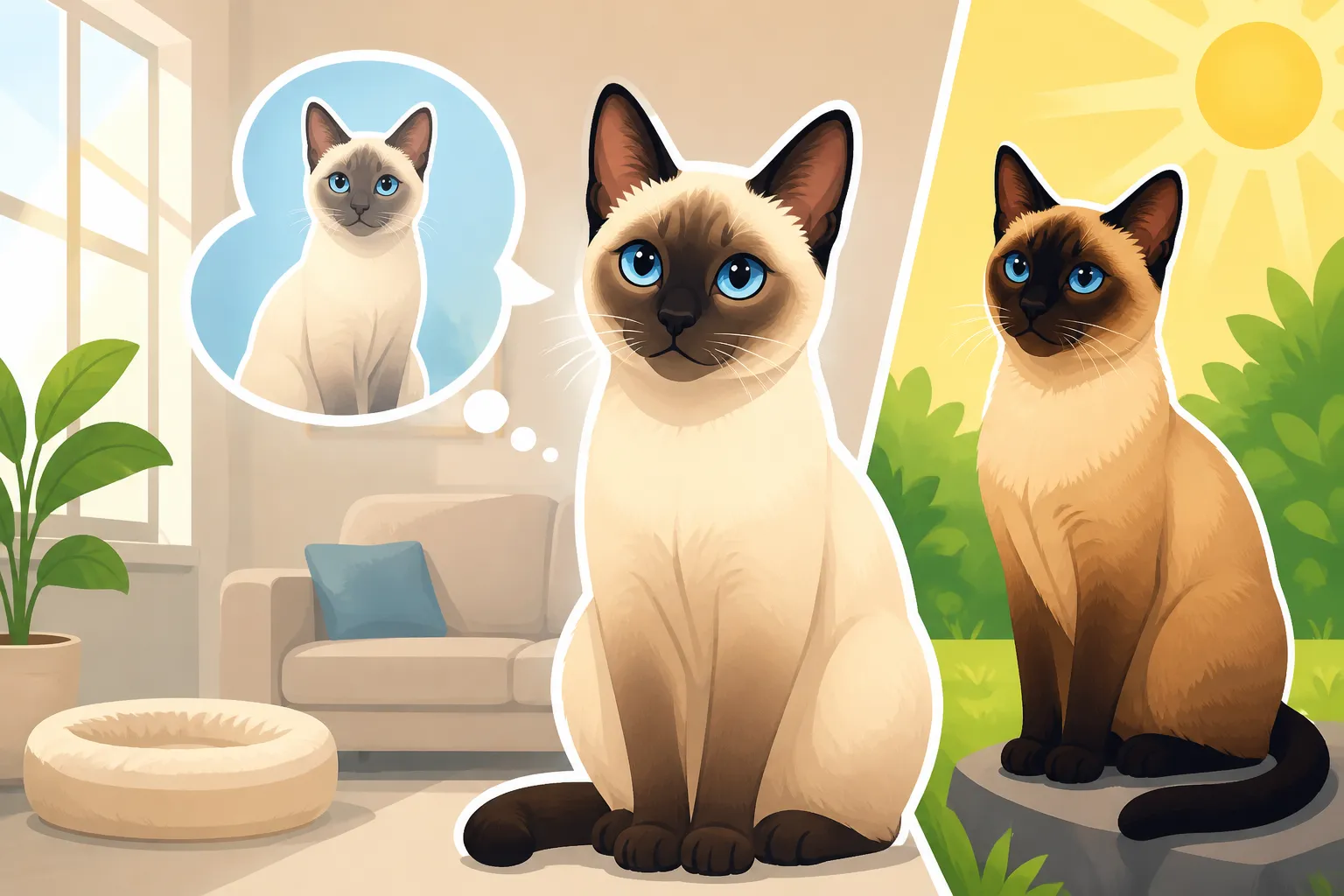
Given the temperature-sensitive nature of their coloration, it stands to reason that an indoor environment would have a significant impact on a Siamese cat's coat. And indeed, it does! The consistent, regulated temperatures inside our homes often lead to a noticeably paler body coat compared to their outdoor counterparts. It's not just a minor difference; it can be quite striking, and it's something many Siamese owners observe and appreciate.
The Impact of Consistent Indoor Temperatures
When a Siamese cat lives exclusively indoors, they are generally exposed to a much more stable and often warmer ambient temperature than a cat that spends time outdoors. Most of us keep our homes at a comfortable, moderate temperature year-round – perhaps around 68-75°F (20-24°C). This steady warmth means that the tyrosinase enzyme on the cat's core body is consistently inhibited. As a result, the body fur produces very little pigment, leading to those gorgeous, often almost pure white or very light cream bodies that are so characteristic of many indoor Siamese cats.
Think of it this way: if your home is consistently warm, the 'factory' for pigment production in your cat's core fur is mostly shut down. The points, being naturally cooler, still get enough 'activation' to produce their dark hues, creating that beautiful contrast. This is why you'll sometimes see an indoor Siamese cat with incredibly defined, rich points but an almost bleached-white body. It's a testament to the power of their unique genetics interacting with their controlled environment. This phenomenon is closely related to How Much a Siamese Cat Lightens in Summer, as warmer temperatures naturally lead to a paler coat.
Less Exposure to Environmental Extremes
Outdoor cats, on the other hand, experience a much wider range of temperatures. They bask in the summer sun, roam in cooler evenings, and certainly feel the bite of winter air. Each of these temperature fluctuations can subtly, or not so subtly, influence their coat color. An outdoor Siamese cat might have a noticeably darker body coat overall, especially if they spend a lot of time in cooler climates or during colder seasons. The prolonged exposure to lower temperatures allows more pigment to be produced across their body, even in areas that would typically remain pale indoors.
It's not uncommon for owners of indoor/outdoor Siamese cats to observe a seasonal darkening of their cat's body fur. This is exactly what we explore in topics like Why a Siamese Cat Darkens Every Winter. The absence of these extremes for indoor cats means their body coat usually maintains a lighter hue consistently. They don't get those seasonal "tanning" effects because their environment doesn't fluctuate enough to trigger significant widespread pigment production. This consistent environment provides a visual clarity to their point pattern that is often admired.
Factors Beyond Just Being Indoors
While the indoor environment undeniably plays a significant role in how pale a Siamese cat's coat remains, it's certainly not the only factor. There are other powerful forces at play, some genetic, some environmental, that contribute to the overall shade and depth of their beautiful coloration. It's a complex interplay, which makes each Siamese cat's coat truly unique.
Age and Genetic Predisposition
One of the most significant factors is age. It’s a natural process that many Siamese cat owners observe: as cats get older, their coats tend to darken, regardless of whether they live indoors or out. This isn't just anecdotal; it's a known characteristic of the breed. Over time, the tyrosinase enzyme, even in warmer body areas, can become slightly more active or less inhibited, leading to a gradual accumulation of pigment. So, even a cat that has lived a pampered, climate-controlled indoor life might start to show a general darkening of their body fur as they move into their senior years. This natural progression means that a ten-year-old Siamese will almost certainly have a darker body than they did as a two-year-old, even if both lived in the exact same conditions. We often discuss The Age a Siamese Cat Starts Darkening because it's such a universal experience for owners.
Beyond age, genetics play a foundational role. Different Siamese lines might have slightly different genetic expressions for their temperature-sensitive enzyme. Some lines might naturally produce less pigment overall, leading to a genetically predisposed paler body, even with minimal environmental influence. Others might be genetically inclined to produce richer, deeper body tones more readily. This means that two indoor Siamese cats, living side-by-side, could still have slightly different shades due to their individual genetic blueprints. It's also why specific point colors, like a Lilac Point, will always appear lighter than a Seal Point, regardless of environment, as their base genetic pigment is lighter.
Nutrition and Overall Health
While perhaps less dramatic than temperature or genetics, a Siamese cat's nutrition and overall health can also subtly influence the quality and appearance of their coat, including its color. A well-nourished cat with a healthy diet rich in essential fatty acids will typically have a shinier, healthier coat with vibrant color points. Conversely, a cat suffering from nutritional deficiencies or underlying health issues might have a duller, less lustrous coat, and its colors might appear less distinct.
For example, certain dietary components, particularly amino acids like tyrosine (a precursor to melanin), are necessary for pigment production. While most high-quality commercial cat foods provide adequate nutrition, severe deficiencies could theoretically impact coat color. However, it's generally a more subtle effect on vibrancy rather than a complete color shift. Also, illnesses can sometimes affect coat condition, and in rare cases, even cause temporary lightening or dullness, but this is more about general coat health than the temperature-sensitive mechanism. A healthy cat, however, will better express its genetic potential for beautiful, clear coloration. Sometimes, if a cat is unwell, their points might even seem to fade or become less distinct, which ties into the question of Whether a Siamese Cat's Color Says Anything About Health.
Practical Implications for Owners
As a Siamese cat owner, understanding the nuances of their unique coloration isn't just interesting trivia; it can actually inform some aspects of their care and your observations of their well-being. Knowing what to expect regarding their coat color, and why it changes, can help you appreciate their beauty even more and recognize potential issues.
Observing Color Changes
It's completely normal to notice subtle shifts in your indoor Siamese cat's coat color over time. Perhaps their points seem a little deeper after a cooler spell in the house, or their body looks slightly creamier during a heatwave. These are all part of the natural beauty of the breed! Keep an eye on consistent indoor temperatures; if you run your air conditioning colder in the summer, you might notice a very slight overall darkening compared to a home kept warmer.
However, significant, rapid, or unusual changes in coat color can sometimes be a flag for other issues. For instance, if your cat has a patch of fur shaved for a medical procedure, like a blood draw or surgery, you'll almost certainly observe that the fur grows back much darker in that area due. This is because the skin beneath the shaved fur is exposed to the ambient air temperature, which is cooler than the cat's internal body temperature. This local cooling allows the tyrosinase enzyme to activate and produce pigment more readily. This fascinating phenomenon is precisely why we have discussions around The Shaved Patch That Grows Back Dark on a Siamese Cat. It’s a visual reminder of how closely linked their coloring is to temperature. If you notice dramatic darkening over a large area without any shaving or significant change in ambient temperature, it might be worth mentioning to your vet, just to rule out any underlying skin conditions or systemic issues, although this is rare.
Maintaining Coat Health
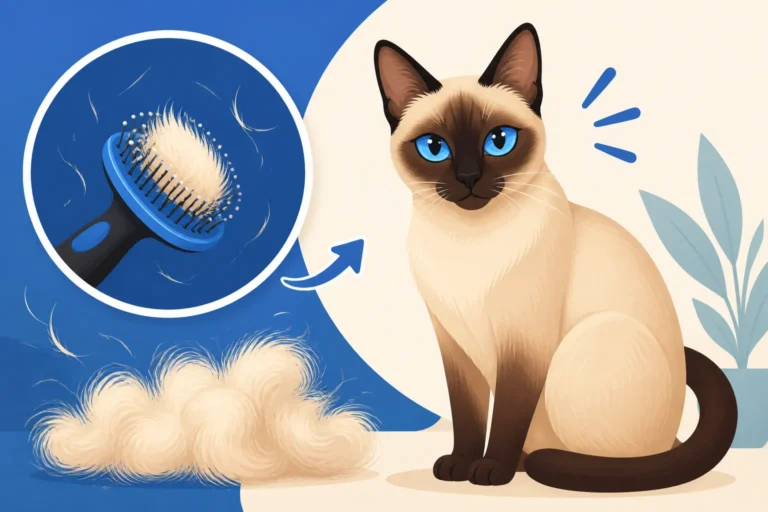
Regardless of whether your Siamese cat's body is gloriously pale or a richer cream, maintaining their overall coat health is paramount. Their short, fine coats are relatively low-maintenance, but a little regular attention goes a long way. Brushing a couple of times a week with a soft brush or a grooming mitt can help remove loose hairs and distribute natural oils, keeping their coat shiny and healthy. This routine also provides a great opportunity for you to bond with your cat and do a quick visual check for any skin issues or changes in their fur.
Ensuring your Siamese cat has a balanced, high-quality diet is also critical for a healthy, lustrous coat. Foods that are rich in Omega-3 and Omega-6 fatty acids contribute to skin and coat health, which in turn supports the vibrancy of their points and the clarity of their body color. Many reputable pet food brands, available conveniently on platforms like Amazon or Chewy, offer formulations specifically designed to support skin and coat health. Beyond diet and grooming, keeping your Siamese cat comfortable is also part of the equation. Since they don't have a thick undercoat, they can feel the cold more keenly. Providing cozy beds, blankets, and access to sunny spots helps ensure they're warm and content, indirectly supporting their overall well-being and appearance. This is why considerations like Keeping a Siamese Cat Warm are important for their comfort and health.
Understanding the Nuances of Siamese Cat Color
So, does an indoor Siamese cat stay paler? The answer is generally yes, at least compared to an outdoor cat or one exposed to colder temperatures. The consistent warmth of an indoor environment keeps the temperature-sensitive tyrosinase enzyme mostly "off" in their body fur, resulting in those beautiful, lighter bodies we often associate with the breed. However, it's never an absolute. Age will almost certainly bring a gradual darkening, and individual genetics always play a part.
Ultimately, whether your Siamese sports an ethereal ivory body or a slightly richer cream, their unique point coloration is a living, breathing testament to their remarkable genetics and the environment they inhabit. Each subtle shade, each deepening point, tells a story of their life and lineage. It's one of the many reasons we adore these vocal, intelligent, and visually stunning feline companions. Their coats are not static; they are dynamic canvases, beautifully reflecting the world around them and the passage of time.
Disclaimer
This article is for general informational purposes only and does not constitute professional advice. Laws, prices and regulations vary by location and change over time. Consult a qualified professional for guidance on your specific situation.