Which Litter a Siamese Cat Prefers
It's a familiar scene for so many of us Siamese cat parents: you invest in a new bag of litter, hoping it's "the one," only to find your discerning Meezer sniffing disdainfully, perhaps kicking a few grains out in protest, or worse, deciding the carpet just outside the box is a more suitable alternative. Finding the right litter for a Siamese cat isn't just about convenience for us; it's about respecting their highly sensitive nature and ensuring their comfort and health. This comprehensive guide will walk you through the nuances of Siamese cat litter preferences, helping you create a litter box experience that makes both you and your feline friend happy.
Understanding the Siamese Cat's Sensibilities and Litter Choices
Siamese cats are known for their striking looks, vocal personalities, and incredibly intelligent minds. What often gets overlooked is just how sensitive they are to their environment, and this extends directly to their litter box experience. They're not just being "picky"; they're responding to cues in a way that aligns with their natural instincts and refined senses.
Why Scent Matters More Than You Think
Imagine walking into a restroom that has an overwhelmingly strong, artificial air freshener. For us, it might be unpleasant, but we'd likely still use it if necessary. For a Siamese cat, that experience is magnified tenfold. Their sense of smell is incredibly acute, far surpassing our own. What we perceive as a "fresh linen" scent in a perfumed litter might register to them as a harsh chemical assault.
This isn't just about personal preference; it's about their survival instincts. In the wild, cats bury their waste to hide their scent from predators and prey. A heavily perfumed litter defeats this purpose, essentially broadcasting their presence. Many Siamese cats will strongly object to scented litters, leading to avoidance of the box altogether. This can manifest as eliminating just outside the box, or finding another, less offensive spot in your home. It’s a frustrating problem for us, but for them, it’s a clear message: "This smells wrong, and I don't feel safe using it." Always lean towards unscented options first; you'll find plenty of choices online through retailers like Chewy or Amazon.
The Paw-sitive Impact of Texture
Beyond smell, the texture of the litter under their delicate paws is paramount. Think about it: a cat's paws are their primary interface with the world. They use them for hunting, climbing, and exploring, and they're incredibly sensitive. When they go to the litter box, they're digging, kneading, and standing in that material.
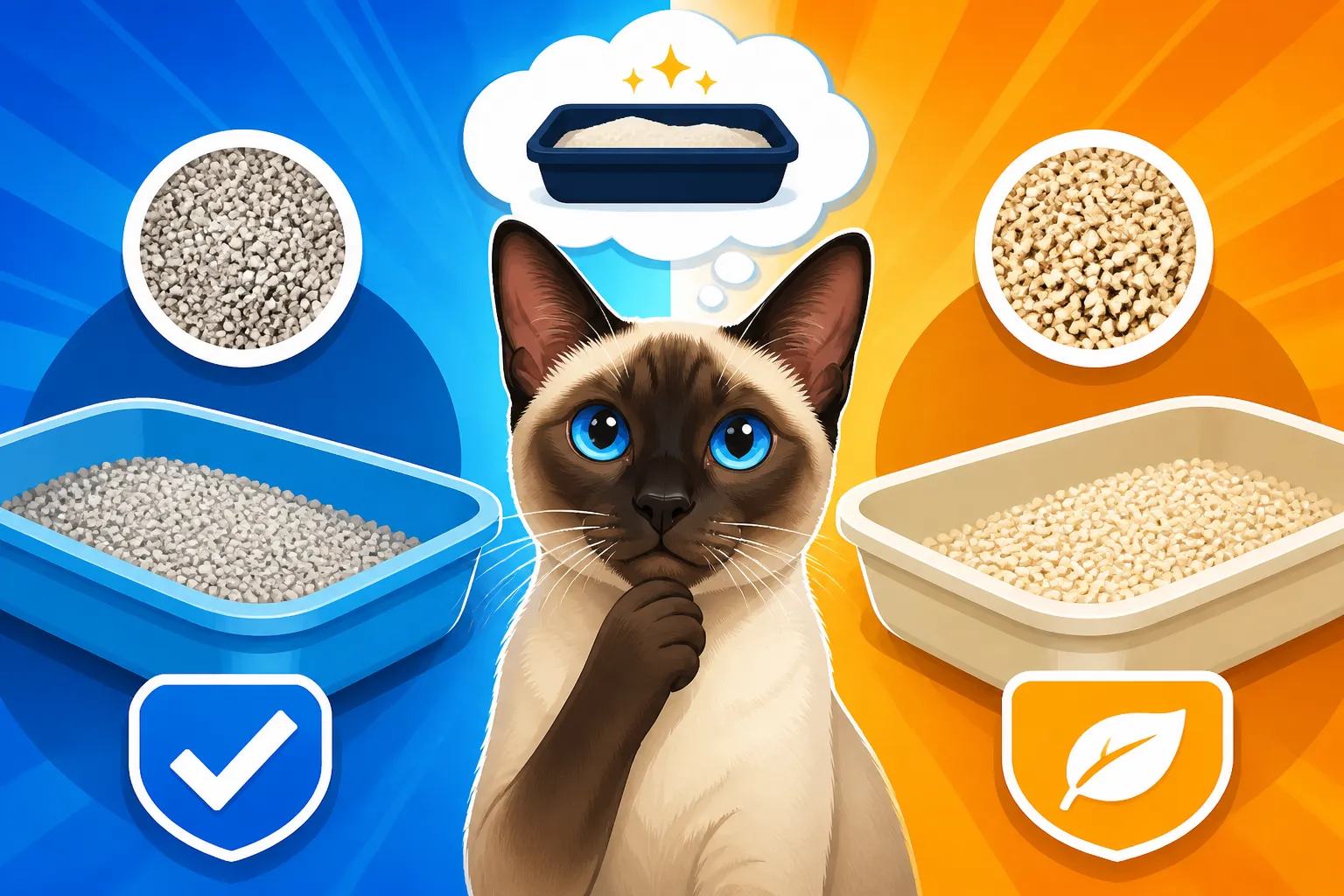
Most cats, including Siamese, show a distinct preference for fine-grained, soft litter. This often translates to a classic clay litter that feels like soft sand. It’s what mimics the natural earth they would instinctively seek out for elimination. When the litter is too coarse, too rough, or has large pellets, it can be uncomfortable, even painful, to dig in and stand on. Large silica gel crystals, for example, while excellent at odor absorption, can sometimes be a turn-off due to their sharp edges. Similarly, some wood pellet litters, while environmentally friendly, might be too large and hard for sensitive paws. If a litter causes them discomfort, they will naturally seek out a softer surface, which might unfortunately be your bathmat or a soft rug. It's not malicious, it's just their instinct to find a more pleasant spot.
Delving into Different Litter Types and Siamese Cat Reactions
The market is flooded with various types of cat litter, each with its own set of pros and cons. Understanding how each type might appeal or deter your Siamese can save you a lot of headache (and cleaning!).
Clay Litter: The Classic Choice and Its Considerations
Traditional clay litter, especially the clumping variety, remains a popular choice for a reason. Its fine, sand-like texture is often a huge hit with Siamese cats because it mimics the natural soil they’d use outdoors. Clumping clay litter also makes scooping incredibly easy, allowing you to remove waste promptly and keep the box cleaner – a big plus for fastidious Siamese.
However, clay litter isn't without its drawbacks. The primary concern is often dust. Many brands produce a significant amount of dust when poured or when your cat digs, which can be an irritant for both you and your cat. For a Siamese cat prone to respiratory issues, like those with Asthma in a Siamese Cat, excessive dust can trigger attacks. Even if your cat doesn't have diagnosed asthma, persistent dust can contribute to respiratory irritation. Look for low-dust or dust-free formulations when choosing clay litter. Major retailers like Chewy offer a wide range of low-dust clumping clay litters, making it easier to find one that suits your Siamese without compromising on texture.
Odor control in clay litters has come a long way. Many now incorporate activated charcoal or baking soda to neutralize smells rather than masking them with perfumes. This can be a good compromise if you need stronger odor control but your cat objects to scented options.
Alternative Litters: A Look at Plant-Based Options
As more cat owners seek eco-friendly and potentially healthier options, plant-based litters have gained popularity. Their suitability for Siamese cats, however, really depends on the specific material and its texture.
- Pine Litter: This often comes in two forms: compressed pellets or finer, crumbled pine. The pellets can be a problem due to their size and hardness, which can be uncomfortable for some Siamese paws. The finer, crumbled pine, however, might be more appealing. Pine has a natural, subtle scent that many people find pleasant, and some cats tolerate it better than artificial perfumes. It’s highly absorbent, but the breakdown of pellets into sawdust can be messy.
- Corn Litter: Many corn-based litters offer excellent clumping and odor control, and often come in a fine, soft texture that is agreeable to most cats. The natural corn scent is usually mild and doesn't bother sensitive noses. A potential concern with corn litter, however, is the possibility of mold growth if not kept meticulously dry.
- Paper Litter: Typically made from recycled paper, this litter is virtually dust-free and often comes in pellet form. While great for sensitive respiratory systems, the large, soft pellets might not provide the satisfying digging experience a Siamese cat craves. It’s highly absorbent but generally doesn't clump, meaning odor control relies on frequent full litter changes.
- Walnut Litter: Made from crushed walnut shells, this option is often fine-grained, good at clumping, and naturally effective at odor control. The texture is usually quite acceptable to cats, and it's biodegradable. It's often darker in color, which some owners find makes it harder to see urine clumps, but many Siamese owners report good success with it.
- Tofu/Cassava Litter: These newer plant-based litters are often hailed for their strong clumping ability, flushability (check local regulations!), and often very fine, soft texture. Many are virtually dust-free and boast natural odor absorption. These can be excellent choices for a Siamese cat who appreciates a fine texture and low dust. You can often find a good selection of these newer options at pet supply stores.
Silica Gel Litter: Pros and Cons for the Discerning Meezer
Silica gel litter, also known as crystal litter, stands out for its superior absorbency and exceptional odor control. These litters work by absorbing moisture and trapping odors within their tiny crystals, meaning they can last significantly longer between full changes compared to clay or most plant-based options. For owners who prioritize minimizing litter box maintenance, this can be a huge benefit.
However, the texture of silica gel crystals can be a sticking point for many Siamese cats. The crystals are typically larger and harder than fine clay litter, and some brands have sharper edges. This can be uncomfortable for a cat’s sensitive paws during digging and standing. While some cats adapt perfectly fine, others will flat-out refuse to use a box filled with crystals. Dust levels vary; some brands are practically dust-free, while others might still produce some fine powder. If you're considering silica gel, start with a small bag and offer it in a separate box to see if your Siamese is receptive to the texture.
Beyond the Litter Itself: Other Factors Influencing Preference
While the type and texture of litter are crucial, they are just part of the equation. A Siamese cat's "preference" is a holistic experience influenced by several environmental factors surrounding the litter box. Neglecting these can lead to problems even if you have the "perfect" litter.
The Importance of a Clean Litter Box
This might seem obvious, but for a Siamese cat, cleanliness is next to godliness. These cats are incredibly fastidious, and an unclean litter box is a major deterrent. Imagine your own bathroom facilities: you wouldn't want to use one that hasn't been flushed or cleaned in days. Your Siamese feels the same, but with their heightened senses, it's even more acute.
- Frequent Scooping: For a Siamese, the gold standard is scooping at least once, if not twice, a day. This immediately removes odors and waste, making the box inviting each time they need to use it. If you have a busy schedule, consider an automatic litter box, but ensure your Siamese isn't scared of it.
- Full Litter Changes: Even with diligent scooping, the litter itself needs to be entirely replaced periodically. How often depends on the type of litter and number of cats, but generally, clumping clay should be fully changed every 2-4 weeks, while non-clumping might need it weekly.
- Washing the Box: When you do a full litter change, don't just dump and refill. Wash the litter box thoroughly with mild, unscented soap and warm water. Strong cleaning chemicals or abrasive scents can linger and be just as off-putting as dirty litter. A clean box makes a fresh start for any new litter. A Siamese cat's fastidious nature often means they'll hold their urine or stool if a box isn't up to their standards, which can lead to serious health issues like urinary tract infections or constipation, and certainly to inappropriate elimination.
Litter Box Size and Location
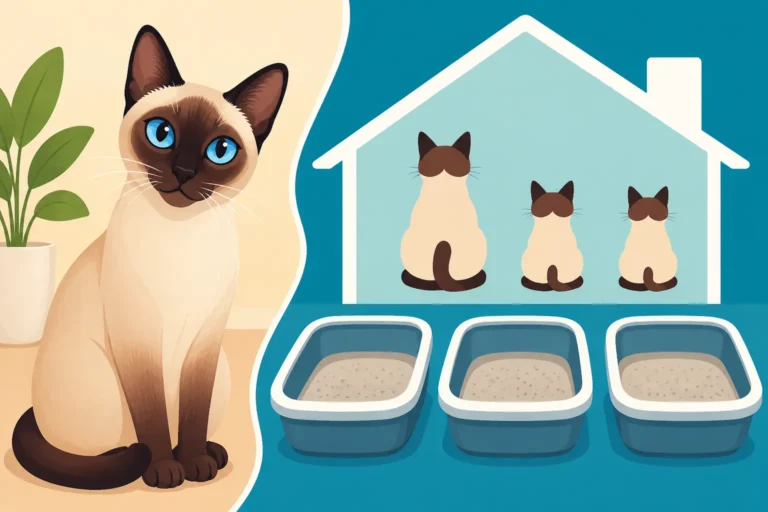
Even the best litter in the world won't be used if the box itself is inadequate or poorly placed. Siamese cats need space and privacy.
- Size Matters: The general rule of thumb is a litter box that is at least 1.5 times the length of your cat, from nose to tail tip. This gives them ample room to enter, turn around comfortably, dig, and position themselves without feeling cramped. Many standard litter boxes are too small for an adult Siamese. Look for extra-large or "dog litter boxes" for ample space. Covered boxes can feel cramped and trap odors, making them less appealing to a sensitive Siamese.
- Strategic Placement: The location of the litter box is crucial. It should be in a quiet, private area where your cat feels safe and can access it easily without feeling ambushed. Avoid high-traffic hallways, noisy laundry rooms, or next to loud appliances like washing machines. If you have a multi-level home, aim for at least one box on each floor. For very young kittens or senior Siamese cats, ensure the box isn't hidden away down a flight of stairs or in a difficult-to-reach spot, as this could lead to accidents. Cats who are aging or have mobility issues might struggle with high-sided boxes; consider a low-entry option. Caring for a Siamese Cat Past Twelve often involves adjusting their environment for ease of access.
Transitioning to a New Litter
Cats are creatures of habit, and Siamese cats, with their intelligence, can be particularly resistant to sudden changes. If you've decided to switch litter types, a gradual transition is absolutely key to success.
- Slow and Steady Wins the Race: Don't just dump out the old litter and replace it with new. Start by mixing a small amount of the new litter into the existing litter in your current box – perhaps a 90% old to 10% new ratio.
- Gradual Increase: Over the course of several days to a week, slowly increase the proportion of the new litter. Observe your Siamese closely for any signs of hesitation or aversion. If they seem bothered, slow down the transition even more.
- Offer a Choice: The best way to transition is to set up a second litter box right next to the original one. Keep the original box with the old litter, and fill the new box with the new litter type. Let your Siamese choose. Once they consistently use the new litter box, you can slowly transition the original box to the new litter as well, and eventually remove the extra box if space is an issue. This gives them agency and reduces stress.
- Consider their health: If your Siamese has a sensitive stomach, Whether Diet Helps a Siamese Cat With Amyloidosis, or other chronic health conditions, changing environmental factors can be particularly stressful. Ensure they are generally well before introducing a new litter.
Troubleshooting Litter Aversion in Your Siamese
Even with the best intentions, a Siamese cat might develop an aversion to their litter or litter box setup. It's frustrating, certainly, but understanding the signs and having a troubleshooting plan can turn things around.
Signs Your Siamese Isn't Happy With Their Litter
Your Siamese is a brilliant communicator, even if they don't use human words. Their behavior will tell you everything you need to know if they're unhappy with their litter situation.
- Eliminating Outside the Box: This is the most obvious and frustrating sign. If your Siamese is consistently urinating or defecating near the box, on soft surfaces like laundry, bathmats, or carpeting, it's a huge red flag. They might even choose a corner of a room that feels more private than their designated box.
- Excessive Digging Outside the Box: You might notice them "digging" or "scratching" at the floor, furniture, or walls around the litter box, almost as if they're trying to bury imaginary waste or expressing their discontent with the actual litter.
- Perching on the Edge: Some cats will avoid stepping fully into the litter if they dislike the texture, opting to perch precariously on the edge of the box and eliminate. This often leads to messes outside the box, despite their best efforts.
- Holding It In: This is a more concerning sign. If your Siamese seems to be delaying trips to the litter box, or you notice they haven't gone for an unusually long time, they might be actively avoiding the unpleasant litter. This can lead to serious health problems like urinary tract infections or constipation.
- Increased Vocalization Around the Box: While Siamese cats are naturally vocal (What the Siamese Cat's Meezer Yowl Sounds Like), pay attention if they start yowling or meowing more intensely than usual around the litter box area. They might be complaining about its condition, the litter, or the location.
- Over-Grooming or Psychogenic Alopecia in a Siamese Cat: Sometimes, stress over an undesirable litter box situation can manifest as excessive grooming or even fur loss in other areas of the body. While this isn't directly related to the litter itself, it's a sign of underlying stress that needs addressing.
Before assuming it's a litter preference issue, always rule out a medical problem. Any sudden change in litter box habits warrants a vet visit, as it could be a sign of a urinary tract infection, kidney issues (Signs a Siamese Cat's Kidneys Are Failing From Amyloid), or other health concerns. Signs a Siamese Cat Is Unwell can often include changes in litter box use.
The Trial and Error Process
Finding the perfect litter for your Siamese often involves a bit of detective work and experimentation. Don't get discouraged if the first alternative you try isn't a hit.
- One Variable at a Time: When troubleshooting, change only one thing at a time. If you change the litter type, the box location, and the cleaning schedule all at once, you won't know what made the difference (or made things worse). Start by trying a different litter texture or scent in one of your existing boxes.
- Small Bags for Testing: Instead of buying a huge bag of an unknown litter type, look for smaller, trial-sized bags. Many brands offer these, and it allows you to test without a significant financial commitment. You can often find these smaller bags on Chewy or Amazon, making it convenient to order a few different types to see what your Siamese prefers.
- Document Their Reactions: Keep a little notebook or a note on your phone. Jot down what litter you're using, when you introduced it, and your Siamese's reaction. Did they use it immediately? Did they dig enthusiastically? Did they hesitate? This data will be invaluable as you narrow down their preferences.
- Consider Dust Control for Health: If your Siamese has any respiratory sensitivities, prioritize low-dust options. You might even consider using an air purifier near the litter box area to help manage any airborne particles, especially if you use clay litter. Whether an Air Purifier Helps a Siamese Cat's Asthma is a related topic that explores this further.
- Remember Dental Health: While seemingly unrelated, a cat with painful Gingivitis in a Siamese Cat or other dental issues might be reluctant to spend much time in a litter box, leading to quick exits or accidents. Ensure their overall health is being monitored, including regular dental check-ups, as part of their comprehensive care. How Often a Siamese Cat Needs a Dental is a good point of reference.
Ultimately, your Siamese cat will tell you what they prefer through their behavior. Patience, observation, and a willingness to try different options are your best tools in creating a litter box setup that keeps your fastidious feline happy and healthy.
Litter Type Comparison for Siamese Cats
Here's a quick overview of common litter types and how they generally stack up for a discerning Siamese:
| Litter Type | Common Texture | Odor Control | Dust Level | Siamese Cat Preference (General) | Notes |
|---|---|---|---|---|---|
| Clumping Clay | Fine-grained, sand-like | Good to Excellent | Varies | High | Most popular. Look for "low-dust" versions. Mimics natural digging. |
| Non-Clumping Clay | Coarser granules, often larger | Moderate | Varies | Moderate | Less convenient for scooping. Odor control can be weaker. |
| Pine Pellets | Large, hard pellets | Good (natural scent) | Low | Low to Moderate | Pellets can be uncomfortable on paws. Crumbled pine is often more accepted. |
| Corn | Fine-grained, soft | Good to Excellent | Low to Moderate | High | Eco-friendly, good clumping. Watch for mold if not kept dry. |
| Paper Pellets | Soft, cylindrical pellets | Moderate | Very Low | Low to Moderate | Dust-free, but texture may not satisfy digging instinct. Doesn't clump. |
| Walnut Shell | Fine-grained, earthy | Good to Excellent | Low | High | Natural, good clumping and odor control. Darker color can hide waste. |
| Silica Gel | Small crystals (can be sharp) | Excellent | Varies | Low to Moderate | Super absorbent, long-lasting. Texture can be a deal-breaker for sensitive paws. |
| Tofu/Cassava | Fine-grained, soft (often like thin noodles) | Good to Excellent | Very Low | High | Eco-friendly, often flushable. Good clumping. Excellent for sensitive paws. |
Disclaimer
This article is for general informational purposes only and does not constitute professional advice. Laws, prices and regulations vary by location and change over time. Consult a qualified professional for guidance on your specific situation.