Why a Siamese Cat Should Not Sleep on Cold Tile
It’s a common sight for us Siamese cat owners, isn't it? We walk into a room and find our sleek, elegant companion stretched out on the coolest spot imaginable – often a cold tile floor. While it might seem like a natural instinct for a cat to seek out a cool surface, especially on a warmer day, prolonged sleeping on cold tile, particularly for a Siamese, can quietly lead to a host of health and comfort issues you might not even realize are brewing. This guide will dive into the unique reasons why cold surfaces aren't ideal for your Meezer and how to craft the perfect warm, cozy haven for them.
Understanding the Siamese Cat's Unique Physiology and Temperature Needs
Siamese cats are truly special, not just in their vocalizations and personalities, but also in their physical makeup. Their lean, athletic bodies and distinctive coats mean they experience temperature very differently from some of their fluffier feline counterparts. Understanding these differences is key to appreciating why that cold tile floor might not be their best choice for a nap.
Why Siamese Cats Feel the Cold More
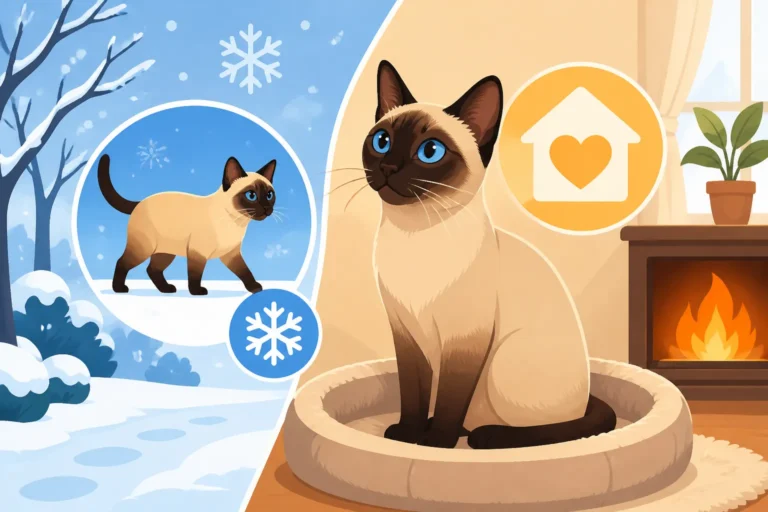
Have you ever noticed how utterly svelte a Siamese cat is? They’re built like little supermodels, with long, slender bodies and fine, short coats that lie close to their skin. Unlike many other breeds, a Siamese cat lacks the thick, insulating undercoat that provides an extra layer of warmth. This single-layer coat, while beautiful, doesn’t offer much protection against chilly temperatures. Think of it like wearing a single thin jacket in winter versus a thick, down-filled parka – the Siamese is definitely in the thin jacket camp.
Because of this physiological reality, Siamese cats are far more susceptible to feeling the cold. You might see your Siamese shivering slightly in a room you find perfectly comfortable, or notice them burrowing deep under blankets and seeking out sunny spots. This isn't just a quirk; it's a genuine need for warmth. When they stretch out on a cold tile floor, especially for an extended period, their body temperature can drop more easily than a cat with a denser coat. This constant battle to maintain body heat can put a strain on their system, diverting energy that could be used for other vital functions. They really do need a warm environment to thrive and feel truly comfortable. Many owners wonder Why a Siamese Cat Feels the Cold, and it often comes down to this unique coat and body structure.
How a Siamese Cat's Body Temperature Influences Its Coat Color
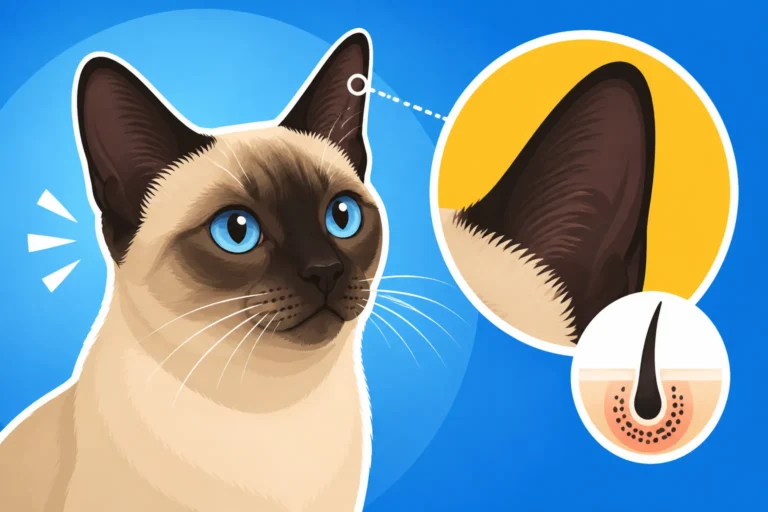
Here’s a fascinating twist to the Siamese cat’s relationship with temperature: it directly impacts their iconic point coloration. That beautiful contrast of dark points on their ears, face, paws, and tail against a lighter body isn't just for show; it's a thermoregulatory marvel. The specific gene responsible for the Siamese cat's color pattern is temperature-sensitive. It produces pigment only in cooler areas of the body, which is why their extremities, being naturally cooler, develop those darker hues. The warmer "core" of their body, however, inhibits pigment production, resulting in the paler cream or white fur.
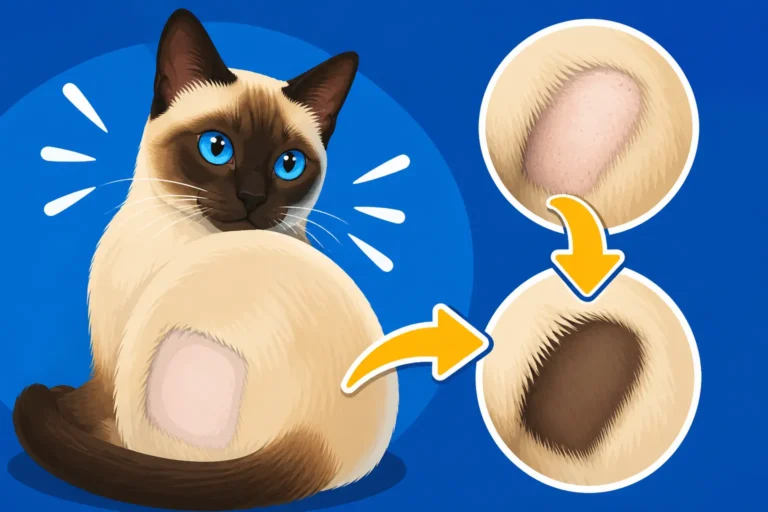
What this means for our discussion about cold tile is pretty remarkable. If your Siamese consistently sleeps in a cold environment, or on perpetually cold surfaces, it can actually cause their body fur to darken over time. While a slight darkening with age is normal—you might notice Why a Siamese Cat Darkens Every Winter as they get older—a consistently chilly home can accelerate this process, making their body color appear more muted or brown. You might have even seen this phenomenon if your Siamese ever had a patch shaved for surgery; the fur often grows back darker because the skin was exposed to cooler air. This is a phenomenon known as The Shaved Patch That Grows Back Dark on a Siamese Cat, and it's a direct result of their temperature-sensitive genes at work. It's a visual cue from your cat that their environment might be a little too cool for their comfort, indicating a consistent thermal challenge.
The Risks of Prolonged Exposure to Cold Surfaces
While a quick stretch on a cool floor might feel nice for a few minutes, turning it into a regular sleeping spot, especially for hours, can carry some significant downsides for your Siamese cat's health and long-term comfort. These aren't immediate, dramatic problems, but rather insidious issues that can creep up over time.
Joint Discomfort and Arthritis Implications
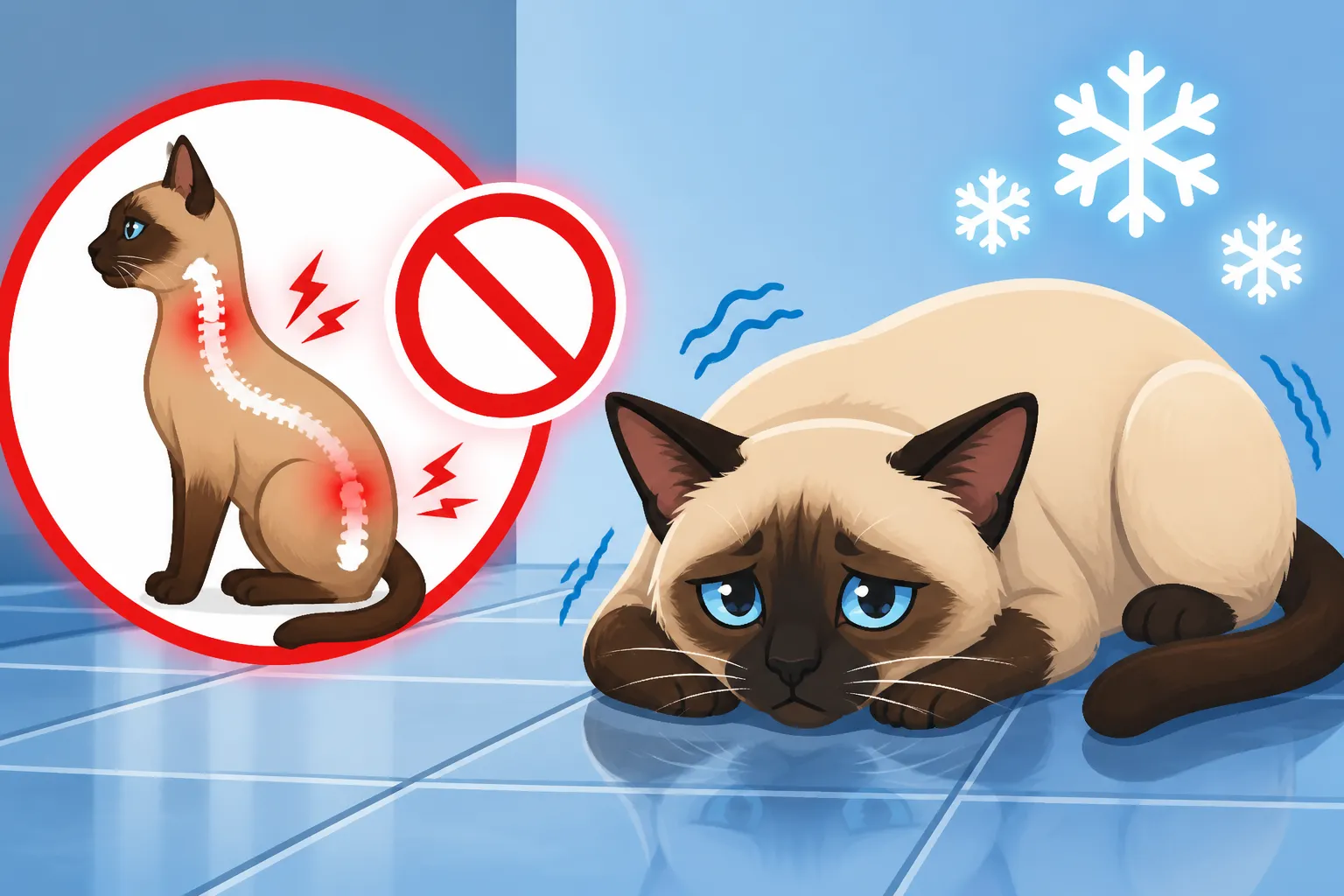
Imagine yourself sleeping on a hard, cold concrete floor night after night. You'd likely wake up stiff, achy, and with protesting joints. Our Siamese companions are no different, perhaps even more sensitive due to their lean build. Prolonged contact with cold, unyielding surfaces like tile can be incredibly hard on their joints, muscles, and even their bones. This is particularly true as they get older.
For senior Siamese cats, who are already predisposed to developing conditions like arthritis, sleeping on cold tile can exacerbate existing joint pain and stiffness. The cold can reduce blood flow to the joints, making them feel even more rigid and uncomfortable. Over time, this constant stress can even contribute to the development of new arthritic changes or worsen inflammatory conditions. Picture an older Siamese trying to stretch or jump down from a perch after spending hours on a cold floor – the effort might be visibly painful, or they might move with a distinct slowness that wasn't there when they were younger. Providing consistent warmth, especially in their sleeping areas, is a simple yet profoundly impactful way to support their joint health and overall comfort throughout their lives. You can find more insights into how age impacts their mobility in our article, Whether an Aging Siamese Cat Gets Stiff.
Weakened Immune System and Illness
A healthy immune system relies on the body having ample energy to dedicate to fighting off pathogens and maintaining overall health. When a Siamese cat, with its reduced natural insulation, is consistently forced to expend energy to keep warm because it's sleeping on cold tile, that energy is diverted from other crucial bodily functions, including immune response. It’s like running a tiny internal furnace constantly – it takes a toll.
Over time, this consistent thermal stress can subtly weaken their immune system, making them more susceptible to common illnesses. They might be more prone to catching a "chill," developing mild upper respiratory infections, or simply not bouncing back as quickly from minor ailments. While sleeping on cold tile won't directly cause a severe illness like cat flu, it can create an underlying vulnerability. A cat whose body is constantly working harder to stay warm is a cat whose immune system is less robust, potentially leading to more frequent sniffles, general lethargy, or even a duller coat. It's all about creating an optimal environment where their body can dedicate its resources to staying vibrant and healthy, rather than constantly compensating for a chilly sleeping spot.
Skin and Coat Issues
Beyond the obvious comfort factor, prolonged exposure to cold, hard surfaces can have subtle yet noticeable effects on your Siamese cat's skin and coat. Think about how your own skin feels after being exposed to cold, dry air – it can become parched, flaky, and uncomfortable. Similarly, a cat's skin can become dry and irritated from constant contact with an unheated surface.
This can manifest as a lack of natural sheen in their fur, or even mild flakiness of the skin. A truly healthy coat reflects a healthy cat, and a consistently chilly environment isn't conducive to either. Their beautiful, short, sleek fur might lose some of its luster, appearing duller or even feeling coarser to the touch. While these aren't typically severe medical issues on their own, they are indicators of discomfort and less-than-optimal health. A Siamese cat's coat is a point of pride, both for them and for us, and ensuring they have a warm, soft place to rest helps maintain that glorious shine and healthy skin barrier.
Creating a Cozy and Warm Sleeping Haven
So, you've realized that the cold tile might not be the best long-term solution for your beloved Siamese. Now, how do you go about creating a sleeping environment that's both inviting and perfectly warm? It's easier than you might think, and your cat will thank you for it with purrs and snuggles.
Ideal Sleeping Spots and Bedding Options
The first step is to redefine what a "bed" means for your Siamese. It's not just about a flat cushion; it's about warmth, security, and comfort. Elevated beds are fantastic because they lift your cat off cold floors, preventing direct heat loss to the ground. Think about a cozy hammock-style bed or a raised orthopedic bed. When it comes to bedding, soft, plush materials are your best friend. Fleece, faux fur, or even memory foam can make a huge difference. Donut beds, often made with soft, high sides, are incredibly popular with Siamese cats as they allow them to curl up and retain body heat efficiently.
Heated beds are another game-changer, especially for cats who really feel the cold or for older Siamese with achy joints. These beds often come with low-level heating elements that gently warm the surface, mimicking the feeling of a sun-warmed spot. Many brands, including those you can find on Chewy, offer a wide variety of these options, from self-warming mats that use your cat's own body heat to electric heated beds with safety features. Providing multiple options around the house ensures your Siamese always has a warm retreat, whether it's next to a window or tucked into a quiet corner. Ensuring your Siamese has access to these types of beds is crucial for Keeping a Siamese Cat Warm.
| Bed Type | Key Benefit | Material/Feature Examples | Best For |
|---|---|---|---|
| Elevated Bed | Lifts off cold floor, good air circulation | Hammock, raised orthopedic bed, fabric sling | Preventing direct cold contact, joint support |
| Donut/Cuddle Bed | Promotes curling, traps body heat | Faux fur, fleece, high bolster sides | Ultimate coziness, warmth retention |
| Heated Bed | Constant gentle warmth, therapeutic | Electric, self-warming Mylar lining | Cold-sensitive cats, seniors, joint pain |
| Thick Blanket | Versatile, familiar scent, extra layering | Fleece, wool, soft throws | Adding warmth to existing spots, nesting |
Environmental Control and Home Comfort
Beyond just the bed itself, consider the overall temperature of your home. A Siamese cat's ideal environment is generally warmer than what many humans prefer, especially in cooler climates. Aim for a consistent, comfortable room temperature. You can delve into more specifics on this in our guide, How Warm a Siamese Cat's House Should Be.
Strategically placing their new, warm beds is also important. Avoid putting them directly in drafty areas, such as near frequently opened doors or leaky windows. Instead, choose corners, alcoves, or areas away from direct air currents. If you have rooms that tend to be colder, consider using a safe, cat-friendly space heater to maintain a comfortable temperature in that specific area during the day, ensuring it's always supervised and on a stable surface. Proper home insulation, even simple fixes like draft stoppers, can make a significant difference in preventing cold spots where your Siamese might otherwise try to nap on the floor. The goal is to eliminate the need for them to seek out cold surfaces to cool down, ensuring their comfort throughout the day and night.
Encouraging Warmer Sleeping Habits
Introducing new beds or changing established sleeping spots can sometimes be a challenge with cats, who are creatures of habit. Patience and positive reinforcement are key. Try placing a favorite blanket or a piece of your clothing with your scent in the new bed to make it more appealing. A sprinkle of catnip or a few favorite treats can also encourage them to explore and settle in.
The beauty of a Siamese is their attachment to their humans. Often, they want to be where you are, and that includes sleeping. If you spend time on the sofa, a cozy, warm blanket placed nearby might become their new favorite spot. Many Siamese also love to burrow, seeking out warm, enclosed spaces. This is why you might find your Siamese happily tucked away Why a Siamese Cat Sleeps Under the Duvet – they're just looking for that ultimate warmth and security. By offering a variety of warm, soft, and inviting options in different areas of your home, you're not just providing a bed; you're offering a choice of comfortable, safe havens that cater to their innate need for warmth.
Recognizing Signs of Discomfort and When to Seek Veterinary Advice
Even with the best intentions and the coziest setups, it's vital to remain observant of your Siamese cat's behavior and physical condition. They are masters at hiding discomfort, a survival instinct from their wild ancestors. Knowing what to look for can help you identify if they're still struggling with the cold or if other health issues are at play.
Behavioral Indicators of Being Cold or Uncomfortable
Your Siamese is constantly communicating, and their body language can tell you a lot about their comfort levels. If they're consistently cold or uncomfortable, you might notice them exhibiting certain behaviors. Look for excessive shivering, even when the room temperature seems adequate. A hunched posture, where they appear to be trying to make themselves smaller, is another common sign they're trying to conserve heat. They might also become unusually withdrawn, spending more time hiding in secluded, warm spots rather than engaging with the family.
Changes in their routine are also red flags. If your typically playful Siamese is less active, shows a decreased interest in toys, or even has a noticeable shift in appetite, it could be a subtle sign of discomfort or an underlying issue. Sometimes, a cold cat will just be plain grumpy. They might not want to be handled as much, or their vocalizations might change – perhaps more insistent meows when you leave a door open, or a lower, more mournful tone. These aren't just quirks; they are often indicators that something is not quite right in their world. If you're observing these kinds of shifts, it's worth taking note.
Physical Signs and When to Act
Beyond behavior, there are physical signs that your Siamese might be too cold or unwell. Gently feel their ears and paws; if they are consistently cold to the touch, it indicates their body is struggling to maintain a healthy core temperature. Lethargy, a general lack of energy, or a decrease in their usual meticulous grooming habits can also point to discomfort or illness. Remember, a well-groomed coat is usually a sign of a healthy, comfortable cat. If their fur starts to look unkempt, it could be a subtle signal.
While providing warm sleeping options is crucial, if you notice these behavioral or physical signs persisting even after you've made changes, it's time to consult your veterinarian. These symptoms could indicate that your cat is genuinely cold, but they could also be masking other underlying health issues that require professional attention. For example, a sudden increase in seeking warmth could also be a sign of a fever or other illness. Early detection and intervention are always best for your cat's well-being. Keeping a close eye on their overall demeanor, and knowing when to escalate concerns, is a vital part of responsible pet ownership. For more general indicators of health concerns, you can check out Signs a Siamese Cat Is Unwell.
The Importance of Regular Wellness Checks
Even the most attentive cat owner can miss subtle signs, which is why regular veterinary wellness checks are so incredibly important for your Siamese cat, especially as they age. Think of these visits as proactive health management, catching potential issues before they become serious. Your vet can perform a thorough examination, including checking their temperature, assessing joint health, and discussing any behavioral changes you've observed.
These routine appointments allow your vet to establish a baseline for your cat's health, making it easier to spot deviations in the future. They can also provide tailored advice on maintaining optimal warmth and comfort for your individual cat, considering their age, any existing conditions, and your home environment. If your cat needs specific medical interventions, or even just supplements to support joint health, your vet is the best resource. After a vet visit, ensuring your cat has a soft, comfortable, and warm place to recover is paramount. You can find many excellent recovery beds and supportive items on platforms like Amazon, ensuring they have the best possible environment to rest and recuperate. These consistent check-ups are essential for their long-term health and happiness. Don't forget to review our guide on How Often a Siamese Cat Needs a Wellness Exam to stay on top of their preventative care.
Disclaimer
This article is for general informational purposes only and does not constitute professional advice. Laws, prices and regulations vary by location and change over time. Consult a qualified professional for guidance on your specific situation.