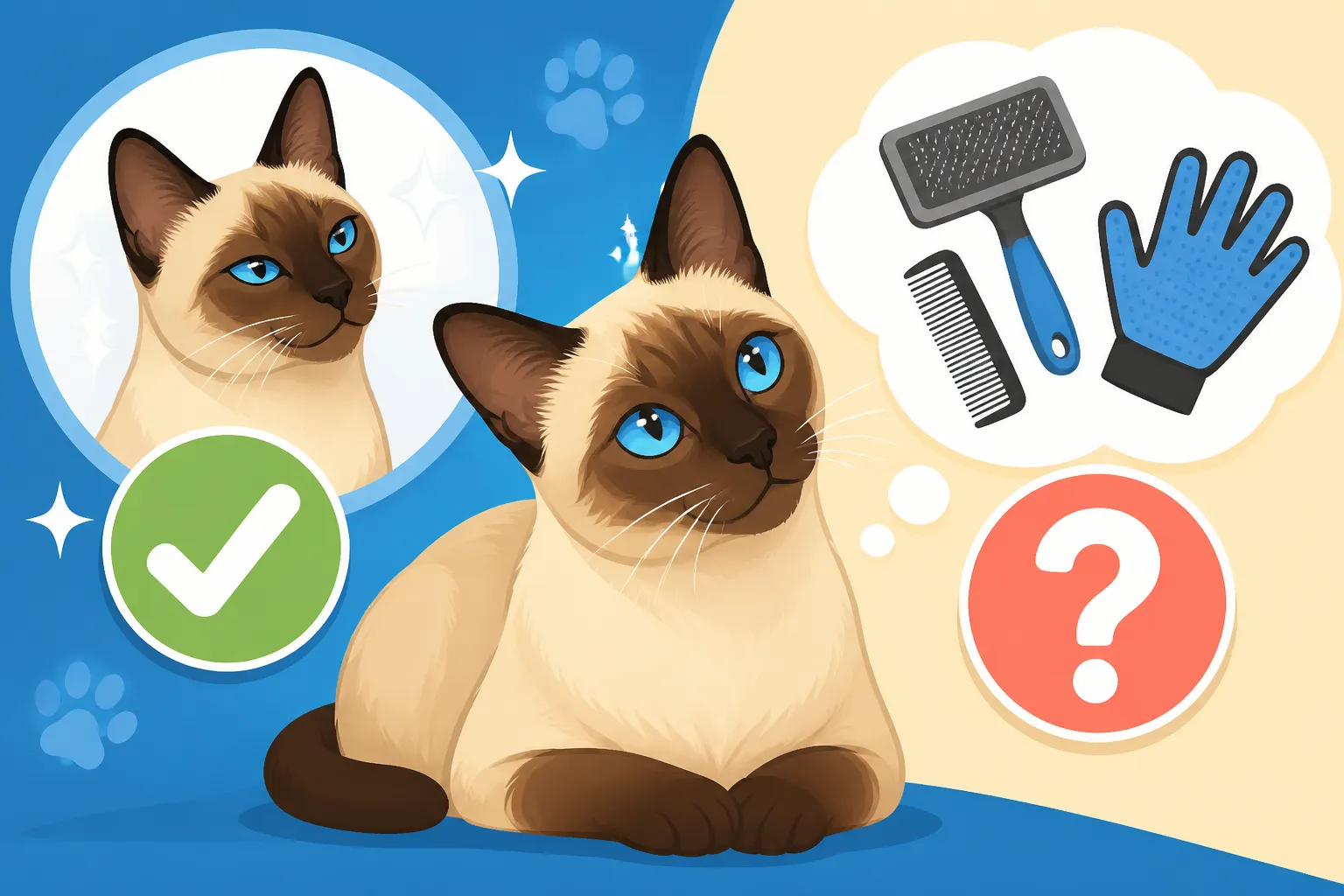
Whether a Siamese Cat Needs a Groomer
It's a common thought among Siamese cat owners: do these sleek, short-haired beauties really need a professional groomer? After all, they’re famously fastidious about their own cleanliness, and their coats don't seem to tangle or mat like a Persian's. Many of us look at our elegant Meezers, running a paw over their perfectly smooth fur, and wonder if dragging them to a salon is just an unnecessary stress and expense. This guide aims to cut through the confusion and help you understand the actual grooming needs of your Siamese, outlining when a professional touch might be beneficial and when your own loving care is perfectly sufficient.
The Naturally Low-Maintenance Glory of the Siamese Coat
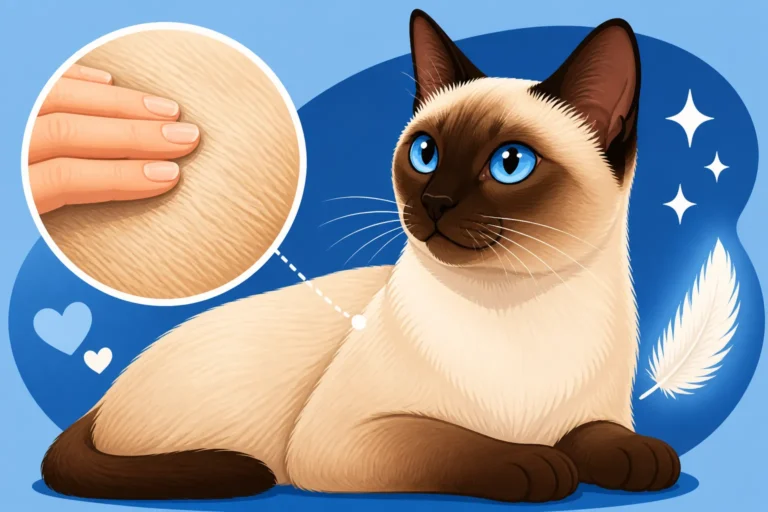
One of the many charms of the Siamese cat is their incredibly low-maintenance coat. Unlike many long-haired breeds that require daily brushing to prevent painful mats and tangles, your Siamese sports a short, fine, and close-lying coat. It feels wonderfully soft and almost satin-like to the touch, which is a key characteristic of the breed. Why a Siamese Cat's Coat Feels Like This coat type is a dream for most owners because it's designed by nature to be self-sufficient.
Siamese cats are incredibly diligent self-groomers. You’ll often see them meticulously cleaning every inch of their body, from their expressive faces to the tips of their slender tails. Their barbed tongues are excellent natural brushes, capable of removing loose fur and keeping their coat in pristine condition. This built-in grooming system means that for the vast majority of healthy, active Siamese cats, professional grooming isn't a necessity, but rather a luxury or a service for specific circumstances. If your Siamese is in good health and not facing any particular challenges, they're likely doing a fantastic job on their own.
What Your Siamese Cat Actually Needs from You for Grooming
While your Siamese is a self-grooming champion, your involvement in their routine is still incredibly important. Think of it less as "grooming" in the traditional sense and more about proactive health and bonding. Your efforts complement their natural instincts and ensure they stay not just clean, but truly healthy and comfortable.
Regular Brushing for Coat Health and Connection
Even with their short fur, Siamese cats do shed. It might not be as dramatic as a Maine Coon, but loose hair can still accumulate, especially during seasonal changes. Regular brushing, even just once or twice a week, can make a huge difference. How Much a Siamese Cat Sheds This isn't about preventing mats; it's about removing dead hair before your cat swallows it, reducing hairballs, and keeping their skin healthy. A soft rubber curry brush or a grooming glove, easily found on Amazon or Chewy, is often all you need. Many Siamese cats actually love being brushed because it feels like a massage, transforming a chore into a wonderful bonding experience. How Often a Siamese Cat Needs Brushing
Essential Nail Trimming
One grooming aspect that your Siamese can't do themselves is trim their claws, and this is where your intervention is crucial. Unkempt claws can get snagged on carpets and furniture, leading to painful tears or even ingrown nails that can pierce their paw pads. Beyond that, long claws can make walking uncomfortable and impact their posture over time. Learning how to trim your Siamese’s nails regularly, perhaps every 2-4 weeks, is a non-negotiable part of responsible pet ownership. How Often a Siamese Cat's Claws Need Cutting If you're nervous about it, your vet or vet tech can demonstrate the proper technique, showing you exactly how much to clip without hitting the quick.
Ear and Eye Care
Siamese cats, with their prominent, elegant ears, generally keep them quite clean on their own. However, it's a good practice to periodically check their ears for any signs of wax buildup, redness, or an unusual odor, which could indicate an infection or mites. A gentle wipe with a damp cotton ball is usually all that’s needed if you see a little dust. Similarly, their bright blue eyes are typically self-cleaning, but if you notice any discharge or excessive tearing, a soft, damp cloth can gently clean the area. Persistent issues with either eyes or ears, however, warrant a vet visit.
Dental Hygiene: A Top Priority
This might not seem like “grooming,” but dental care is perhaps the most critical at-home maintenance task you can perform for your Siamese. Siamese cats, like many purebreds, can be prone to dental issues, including gingivitis and tooth resorption. Teeth Are the Care Job a Siamese Cat Owner Cannot Skip Brushing their teeth daily or every other day with a cat-specific toothpaste can prevent plaque buildup and serious dental disease. If you start when they're kittens, it can become a routine they tolerate, or even enjoy. If home brushing isn't feasible, discuss other dental hygiene options with your vet, such as dental treats, water additives, or professional dental cleanings under anesthesia.
When a Professional Groomer Might Be a Beneficial Choice
While daily or weekly home care usually suffices for a Siamese, there are specific situations where enlisting the help of a professional groomer can be incredibly beneficial, even necessary. This isn't a sign of failure on your part, but rather a smart choice for your cat's well-being.
Elderly or Arthritic Cats
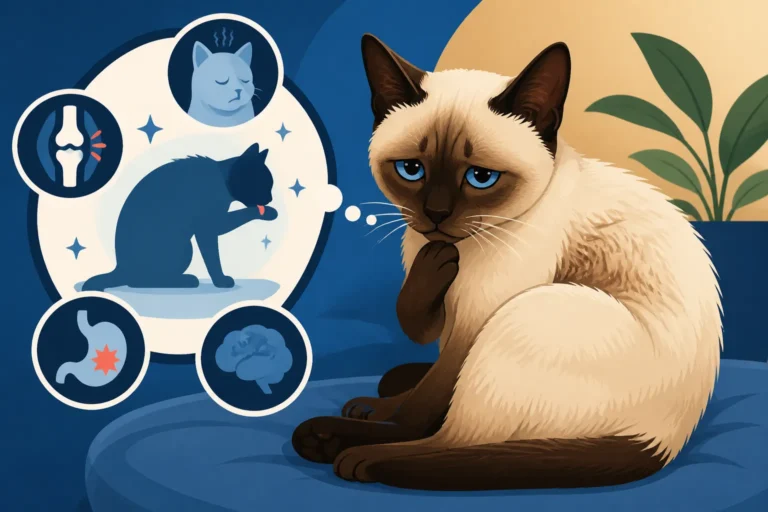
As Siamese cats age, their agility and flexibility often decline. Caring for an Old Siamese Cat An older Siamese with arthritis might find it difficult or painful to twist and turn to reach all areas of their body, leading to a dull, greasy coat, or even mats if any longer fur exists. Why an Aging Siamese Cat Stops Grooming They might also struggle to keep their hindquarters clean. A professional groomer can provide gentle bathing, thorough brushing, and even hygienic clips around the rear to help your senior feline maintain comfort and cleanliness. They have specialized equipment like non-slip tubs and gentle dryers that can make the experience less stressful for an older cat. What Changes in an Aging Siamese Cat's Coat
Overweight or Obese Cats
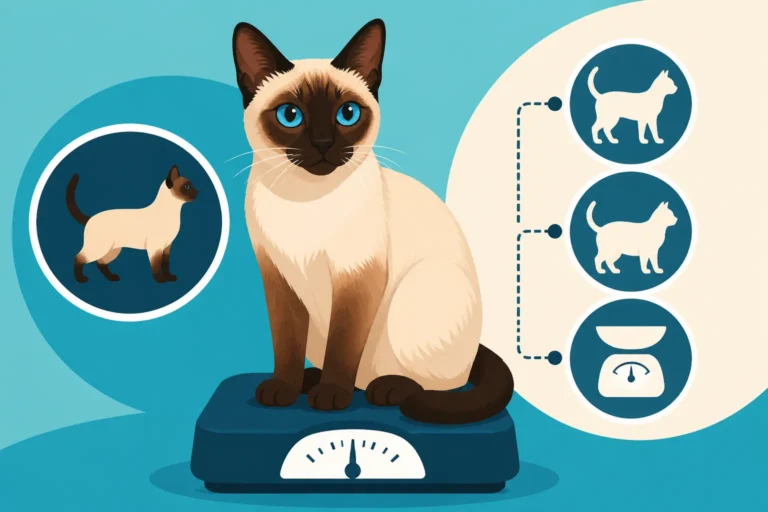
Similar to elderly cats, those carrying extra weight can find it physically challenging to groom themselves effectively. Rolls of fat can create unreachable areas, particularly along the back and at the base of the tail. This can lead to skin irritation, dandruff, and a generally unkempt appearance. A professional groomer can carefully address these areas, providing a deep clean and removing dead undercoat that might be trapped. They can also offer advice on specific brushes or techniques you might use at home, possibly even recommending certain dietary changes to help with weight management, which you can explore with your vet.
Cats with Mobility Issues or Chronic Illnesses
Any Siamese cat suffering from a condition that impairs their mobility – be it an injury, a neurological issue, or a chronic illness that saps their energy – might struggle with self-grooming. Cats who are frequently nauseous or have incontinence may also need extra help keeping clean. In these cases, a groomer can step in to ensure their coat and skin remain healthy, preventing secondary issues like skin infections or discomfort from matted fur. It’s important to find a groomer experienced with special needs cats, who will prioritize their comfort and safety above all else.
Severely Matted Fur (Though Rare for Siamese)
While highly uncommon for a Siamese with their short coats, severe matting can occur if a cat is extremely ill, neglected, or has a condition that affects their coat texture. If you were to encounter a Siamese whose fur somehow became matted (perhaps a very unusual mix, or an extreme health scenario), attempting to cut out mats yourself can be dangerous, risking cuts to their skin. A professional groomer has the right tools and expertise to safely and gently remove mats, often with specialized clippers, preventing pain and further skin damage.
Stress or Aggression During Home Grooming
Some cats simply do not tolerate home grooming, no matter how patient or gentle you are. If your Siamese becomes highly stressed, aggressive, or causes injury when you try to brush them, trim their nails, or clean their ears, a professional groomer can be a godsend. They are experienced in handling difficult cats, using techniques to minimize stress and complete the necessary tasks efficiently and safely. This saves both you and your cat from a potentially traumatic experience.
DIY Grooming for a Happy, Healthy Siamese: Your At-Home Arsenal
Most of the time, you are your Siamese cat's best groomer. With a few simple tools and a consistent, gentle approach, you can keep your feline friend looking and feeling fantastic.
Brushing: The Foundation of At-Home Care
Aim for two to three brushing sessions a week, though daily might be enjoyable for some cats. A soft rubber brush or a mitt-style grooming glove is perfect for their short coats. Which Grooming Glove Suits a Siamese Cat These tools remove loose fur, stimulate circulation, and distribute natural oils, leaving their coat gleaming.
- Technique: Use gentle, short strokes, going with the direction of the fur growth. Pay attention to areas they can't reach easily, like their shoulder blades and along their spine.
- Bonding: Make it a positive experience with soft praise and maybe a few treats. This isn't just about the fur; it's about strengthening your relationship. You can find many suitable brushes and gloves from popular online retailers like Chewy and Amazon.
Nail Care: Protecting Paws and Furniture
Regular nail trims are non-negotiable. If you hear their claws clicking on the floor, it’s definitely time.
- Tools: Invest in a good quality pair of cat nail clippers. Scissor-style clippers are often easier for beginners.
- Method: Gently press on their paw pad to extend the claw. Only snip the very tip, avoiding the pink quick (the blood vessel and nerve). If you accidentally cut the quick, don't panic; use styptic powder to stop the bleeding.
- Consistency: Start young if possible. Make it quick, offer high-value treats, and keep it positive.
Occasional Bathing: When It's Truly Necessary
Siamese cats rarely need a full bath. How Rarely a Siamese Cat Needs a Bath They are excellent self-groomers, and frequent bathing can strip their skin of natural oils, leading to dryness or irritation. However, there are times when a bath is unavoidable, such as if they've gotten into something messy, have fleas, or a vet has prescribed a therapeutic shampoo for a skin condition.
- Preparation: Gather everything beforehand: cat-specific shampoo, towels, a non-slip mat for the tub, and treats.
- Technique: Use lukewarm water and gently wet your cat, avoiding their face. Lather with a small amount of shampoo, rinse thoroughly, and then towel dry as much as possible. Keep the experience calm and quiet.
- Aftercare: Ensure your cat is warm and dry to prevent chills.
Dental Care: A Lifelong Commitment
Daily tooth brushing is ideal. If that's not possible, aim for several times a week.
- Tools: Finger brushes or small, soft toothbrushes designed for cats, along with enzymatic cat toothpaste (never use human toothpaste).
- Method: Lift your cat's lip and gently brush the outer surfaces of their teeth. Focus on the gum line.
- Alternatives: If brushing isn't tolerated, explore dental diets, water additives, or dental chews with your vet.
Here's a quick overview of typical grooming needs versus when a groomer might be considered:
| Grooming Aspect | Typical Siamese Needs (DIY) | When a Groomer Might Help |
|---|---|---|
| Coat Brushing | 2-3 times/week with a rubber brush or grooming glove. | Elderly, obese, or arthritic cats struggling to self-groom; excessive shedding (rare). |
| Nail Trimming | Every 2-4 weeks with cat-specific clippers. | If owner is fearful or cat is aggressive/uncooperative. |
| Bathing | Rarely needed; only for extreme messes or vet-prescribed treatment. | Therapeutic baths for skin conditions; full clean for elderly/immobile cats. |
| Ear Cleaning | Check weekly, clean only if visibly dirty (damp cotton ball). | If deep cleaning is needed or ear infection suspected. |
| Dental Care | Daily or every other day brushing; vet check-ups. | Professional dental cleaning under anesthesia (vet, not groomer). |
| Hygienic Trims | Generally not needed for short-haired Siamese. | For elderly/long-haired Siamese with incontinence or matting (rare). |
Ultimately, a Siamese cat's grooming needs are quite manageable for most owners. The key is consistency, patience, and a keen eye for any changes in their coat or behavior. Your bond with your Siamese is a special one, and sharing a gentle brushing session is just another way to nurture that connection.
Disclaimer
This article is for general informational purposes only and does not constitute professional advice. Laws, prices and regulations vary by location and change over time. Consult a qualified professional for guidance on your specific situation.