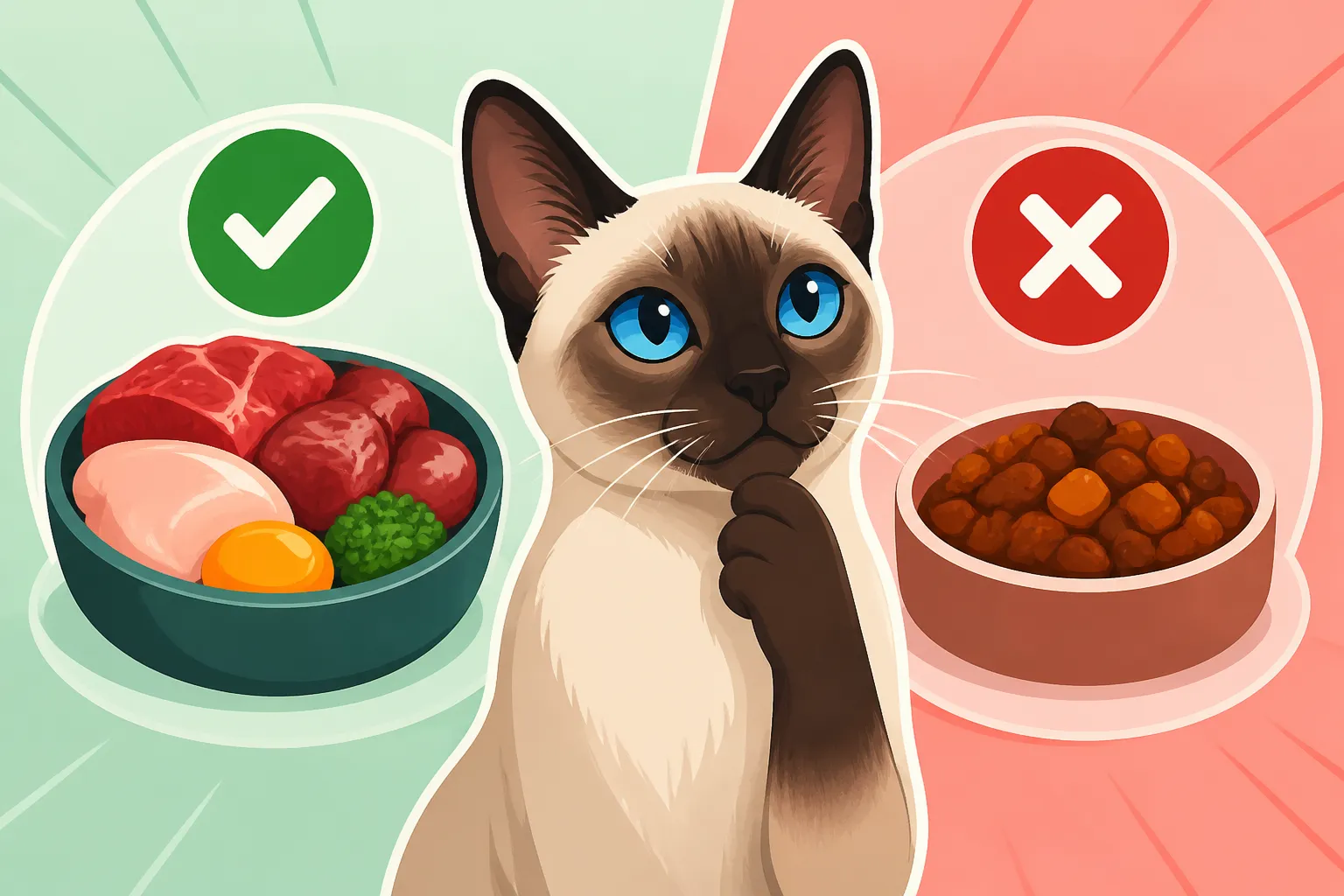
Whether a Raw Diet Suits a Siamese Cat
It's completely understandable to feel overwhelmed when trying to figure out the absolute best diet for your beloved Siamese cat. Their sleek, athletic build and boundless energy often make us question if the standard kibble is truly enough, or if there's something more "natural" out there that could help them thrive. The idea of a raw diet often comes up, promising a return to their ancestral eating habits, but it also comes with a lot of questions and even fear. This guide is here to cut through the noise, offering a realistic look at whether a raw diet truly suits a Siamese cat, breaking down the potential benefits, serious risks, and practical considerations you absolutely need to weigh before making such a significant change.
Understanding the Appeal of a Raw Diet for Siamese Cats
When you look at a Siamese cat, with their lean muscle and boundless energy, it's easy to see why many owners are drawn to the idea of a raw diet. There's a strong belief that feeding a cat what its wild ancestors would have hunted and eaten is the healthiest, most biologically appropriate choice. This isn't just a fleeting trend; it’s rooted in a fundamental understanding of feline physiology as obligate carnivores.
Tapping into Their Ancestral Diet
Imagine a wild cat. It hunts, kills, and consumes its prey – muscle, organs, bones, and all. This is the diet that millions of years of evolution have prepared their bodies for. Modern domestic cats, including our sophisticated Siamese, share nearly identical digestive systems with their wild relatives. Their bodies are designed to process raw meat, rich in protein, fat, and moisture, with a digestive tract that is short and acidic, optimized for breaking down animal tissue and killing bacteria found in fresh prey.
The premise behind a raw diet is to replicate this natural eating pattern as closely as possible. Many believe that traditional processed cat foods, whether dry kibble or even many wet foods, deviate too far from this ancestral diet. They often contain grains, fillers, and plant-based proteins that, while providing calories, aren't what a cat's body is naturally wired to digest efficiently. For a Siamese, a breed known for its high metabolism and often seemingly insatiable appetite, providing easily digestible, nutrient-dense protein sources can be incredibly appealing. We constantly worry about Why a Siamese Cat Stays So Thin, and a diet that promises maximum nutrient absorption can feel like a solid answer.
Perceived Health Benefits for a Siamese Cat
Advocates of raw feeding often point to a range of potential health benefits they observe in their cats. One of the most frequently cited is a dramatic improvement in coat quality. Owners report shinier, softer fur with less shedding, which they attribute to the higher quality proteins and fats found in raw ingredients. Given how short and fine a Siamese cat's coat is, any improvement in luster is often highly noticeable and celebrated.
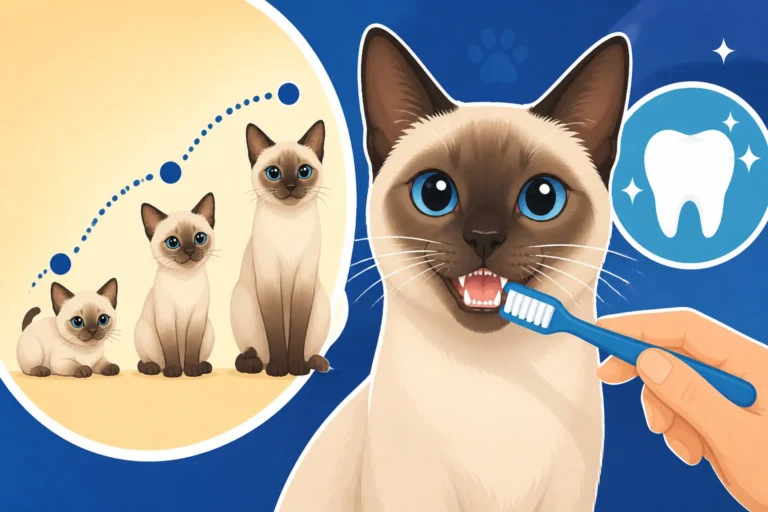
Dental health is another significant point. The act of tearing and crunching on raw, meaty bones (appropriate for a cat's size and supervision, of course) can act as a natural toothbrush, helping to scrape away plaque and tartar buildup. This is a huge draw for many, as Dental Disease in a Siamese Cat is a common and costly problem that many cats face, often requiring professional cleanings under anesthesia. Imagine if a diet could naturally reduce the frequency or severity of those procedures!
Beyond aesthetics, proponents suggest increased energy levels, better muscle tone, and a general vibrancy that seems to radiate from cats on a raw diet. Owners also frequently mention smaller, firmer, and less odorous stools, which indicates better digestion and nutrient absorption. This is because raw food contains a higher moisture content and often fewer indigestible fillers, meaning more of what goes in is utilized by the body, leaving less waste to come out. For a highly active Siamese, ensuring they're getting maximum nutritional value from every meal can seem like the ideal solution to support their energetic lifestyle.
The Essential Risks and Challenges of Raw Feeding
While the potential benefits of a raw diet for a Siamese cat sound fantastic, it's absolutely crucial to approach raw feeding with a clear understanding of the very real and serious risks involved. This isn't a decision to be taken lightly, and the challenges extend far beyond just choosing the right ingredients.
The Critical Concern of Pathogens and Contamination
This is, without a doubt, the most significant and widely discussed risk associated with raw diets, whether for humans or pets. Raw meat, regardless of how fresh or high-quality it appears, can harbor harmful bacteria like Salmonella, E. coli, and Listeria. These pathogens can cause severe gastrointestinal illness in cats, leading to symptoms such as vomiting, diarrhea, lethargy, and even life-threatening conditions. Your Siamese might be quite hardy, but these bacteria can overwhelm even a robust immune system.
Furthermore, the risk isn't confined to your cat. Handling raw meat, preparing meals, and cleaning feeding areas creates a significant potential for cross-contamination in your home. These bacteria can easily spread to countertops, utensils, pet bowls, and even your hands, posing a serious health risk to humans, especially children, the elderly, or anyone with a compromised immune system. This is a critical concern that pet food companies and veterinarians emphasize, and it's not something to be dismissed. Even commercially prepared raw pet foods, available from places like Chewy or your local pet store, have faced recalls due to bacterial contamination. If you opt for a DIY raw diet, the responsibility for sourcing, handling, and ensuring safety falls entirely on your shoulders, and the vigilance required is immense. It means scrupulous cleaning, separate cutting boards, and an almost surgical level of hygiene in your kitchen every single mealtime.
Ensuring Nutritional Completeness and Balance
Feeding a raw diet is far more complex than simply offering your Siamese a piece of raw chicken. Cats require a precise balance of muscle meat, organs (like liver and kidney), and bone to get all the essential vitamins, minerals, and amino acids they need. Incorrect ratios can lead to serious health problems over time. For example, too much muscle meat without enough bone or calcium can lead to a severe calcium deficiency, causing bone demineralization and other skeletal issues. Too much liver can lead to vitamin A toxicity, while a lack of taurine, an amino acid crucial for feline heart and eye health, can result in irreversible damage.
Achieving this delicate balance is incredibly difficult for the average pet owner attempting a homemade raw diet. It requires extensive research into feline nutritional requirements, precise measurements, and often supplementing with specific nutrients to ensure no deficiencies exist. This isn't a "wing it" kind of diet. Even subtle imbalances over time can accumulate and lead to serious, often irreversible, health issues. This is why many veterinarians express concern; they see the consequences of well-meaning but ultimately unbalanced homemade diets. While some commercial raw diets aim to be "complete and balanced," it's vital to research their nutritional profiles, sourcing, and preparation methods thoroughly. Relying on a recipe found online without veterinary nutritionist oversight is a recipe for disaster.
Practicalities and Costs of a Raw Diet
Let's be real, a raw diet is a commitment, both in time and money. Sourcing human-grade meat, organs, and bones can be expensive, often significantly more so than premium kibble or canned food. If you're buying organic or free-range ingredients, those costs escalate quickly. Then there's the storage: raw meat needs ample freezer space, especially if you're preparing meals in batches. This isn't a minor detail, particularly for those living in smaller homes or apartments.
Preparation time is another factor. Even with pre-ground commercial options, there's still thawing, portioning, and meticulous cleaning involved. If you're going the DIY route, you're looking at hours spent grinding, weighing, and mixing, potentially every week or two. This can become a demanding chore on top of an already busy schedule. Consider the full What a Siamese Cat Costs Over Twenty Years – adding a premium, labor-intensive diet can significantly bump up those figures.
What about a fussy Siamese? We all know How Fussy a Siamese Cat Is About Food. Switching to a raw diet isn't always smooth sailing. Some cats take to it immediately, while others might reject it entirely, leading to wasted expensive food and added stress. Furthermore, the handling and cleanup after each meal must be rigorous to prevent bacterial growth. Raw food bowls can't sit around for hours; they need immediate washing and sanitizing. This entire lifestyle change requires a level of dedication and consistency that not every cat owner is equipped to maintain.
Making an Informed Decision for Your Siamese Cat
Considering a raw diet for your Siamese is a big step, and it's essential to approach it with as much information and professional guidance as possible. This isn't just about what sounds good, but what's truly best and safest for your individual cat and your household.
Consulting Your Veterinarian
This cannot be stressed enough: talk to your vet first. Before you even think about buying your first pound of raw meat, have a frank discussion with your veterinarian. Many vets, while perhaps not actively promoting raw diets due to the inherent risks of bacterial contamination and nutritional imbalance, are generally open to discussing all dietary options for your pet. They know your cat's specific health history, any underlying conditions, and can provide invaluable insights into whether a raw diet is a suitable, or even safe, choice for your Siamese.
Your vet can help you understand the scientific evidence (or lack thereof) for many raw diet claims, and guide you on how to minimize risks if you do decide to proceed. They can also discuss potential alternatives if a raw diet isn't right for your cat, or if your lifestyle simply doesn't allow for the rigorous safety protocols required. Don't be surprised if your vet expresses strong reservations; their primary concern is your cat's health and safety, and they frequently see the negative consequences of improperly fed raw diets. They can also advise on necessary health checks, like What a Siamese Cat's Yearly Bloodwork Should Cover, to monitor any changes if you do transition your cat's diet. Finding a vet who is not only knowledgeable but also willing to engage in a constructive dialogue about raw feeding can be incredibly beneficial.
Exploring Commercial vs. DIY Raw Options
Once you've discussed it with your vet, you'll need to decide between commercially prepared raw foods and a homemade (DIY) approach. Each has its own set of pros and cons:
Commercial Raw Diets:
These often come in frozen patties, nuggets, or freeze-dried forms. Many commercial raw diets aim to provide a “complete and balanced” nutritional profile, making them much easier to feed than a homemade version. The convenience factor is huge; the work of grinding, mixing, and balancing is done for you. However, you still need to be diligent about safe handling, as these products can still contain bacteria. They also tend to be quite expensive, and it's crucial to research the specific brand's sourcing, quality control, and nutritional guarantees. Always check for third-party certifications or independent testing if available.
DIY Raw Diets:
This involves buying fresh, human-grade muscle meat, organs, and bones, and preparing them yourself. While it offers complete control over ingredient quality, it comes with the monumental challenge of ensuring nutritional completeness. This is where most owners make critical mistakes, leading to deficiencies or excesses that can harm their cat over time. Unless you are working closely with a board-certified veterinary nutritionist who can formulate a precise recipe tailored to your Siamese cat's needs, a DIY raw diet is generally not recommended. It's simply too difficult to get right consistently and safely. Attempting a "prey model" (whole prey) or "BARF" (Bones And Raw Food) diet requires an incredible amount of knowledge and dedication to truly replicate nature's balance without missing crucial elements. When considering Which Food Suits a Siamese Cat, you have to consider your own capacity for careful preparation as much as your cat's dietary needs.
Transitioning and Monitoring Your Siamese Cat
If, after careful consideration and veterinary consultation, you decide to proceed with a raw diet, the transition must be slow and methodical. Suddenly switching your Siamese cat's food can lead to significant digestive upset, including vomiting and diarrhea, which can be distressing for both of you.
A common approach is to gradually introduce small amounts of the new raw food alongside their current diet, slowly increasing the raw portion over several weeks. Some cats might do best with a cold-turkey switch for specific reasons, but this should only be done under veterinary guidance. During this transition, and throughout their time on a raw diet, vigilant monitoring of your Siamese cat's health is paramount. Look for:
- Changes in Appetite: Is your cat eating enthusiastically, or turning up their nose?
- Stool Consistency: Are their stools firm and well-formed, or soft, diarrhetic, or unusually hard?
- Energy Levels: Are they their usual energetic self, or are they lethargic?
- Coat Condition: Is their coat shiny, or is it dulling or showing signs of dryness?
- Weight: Are they maintaining a healthy weight, or are they losing or gaining unexpectedly?
Any adverse changes should prompt an immediate call to your vet. You need to be prepared to revert to their old diet or try a different approach if the raw diet doesn't agree with them. Knowing Signs a Siamese Cat Is Unwell becomes even more critical when introducing a new diet, as you'll be on high alert for any indications that something isn't quite right.
Here's a quick overview of the pros and cons to help you weigh your options:
| Feature | Potential Pros | Potential Cons |
|---|---|---|
| Nutritional Profile | High digestibility, bioavailable nutrients | Risk of severe nutritional imbalances if not properly formulated |
| Digestion & Stool | Smaller, firmer, less odorous stools, better absorption | Gastrointestinal upset during transition, potential for blockages |
| Coat & Skin | Shinier coat, healthier skin, less shedding | No direct correlation for all cats, individual results vary |
| Dental Health | Natural teeth cleaning with raw meaty bones | Risk of choking, broken teeth, or internal injury from bones |
| Hydration | High moisture content | Cat may still need access to fresh water; can be offset by dry treats |
| Safety & Pathogens | Proponents argue proper handling eliminates risk | High risk of bacterial contamination for pets and humans |
| Cost | Potentially lower long-term vet bills (if successful) | Significantly higher ingredient and preparation costs |
| Time & Effort | High satisfaction for owners who prepare themselves | Demanding preparation, meticulous hygiene required |
| Veterinary Acceptance | Growing interest, but many vets remain cautious | Many vets advise against due to risks and lack of scientific evidence |
Ultimately, deciding whether a raw diet suits your Siamese cat is a highly personal choice that requires deep thought, rigorous research, and a commitment to ongoing education and vigilance. It's not a magical solution, but rather a dietary path with both compelling potential benefits and significant, unavoidable risks that must be managed responsibly. The well-being of your unique, vocal, and wonderful Siamese should always be the guiding star in this decision.
Disclaimer
This article is for general informational purposes only and does not constitute professional advice. Laws, prices and regulations vary by location and change over time. Consult a qualified professional for guidance on your specific situation.