Which Food Helps a Siamese Cat With Pica
It’s incredibly distressing when your beloved Siamese cat starts chewing and eating things they shouldn't, whether it's blankets, clothing, or even plastic bags. This behavior, known as pica, isn't just annoying; it can be incredibly dangerous, leading to intestinal blockages that require expensive emergency surgery. This guide will explore how specific dietary choices can play a crucial role in managing and potentially reducing pica in your Siamese, helping you keep your chatty companion safe and healthy.
Understanding Pica in Siamese Cats
Pica, the consumption of non-food items, is a common and often frustrating behavioral issue, particularly prevalent in Siamese cats and their related breeds. It's not just a quirky habit; it can be a sign of underlying issues, both medical and behavioral, and presents significant health risks.
The Roots of Wool Sucking and Fabric Eating
For many Siamese cats, pica manifests as "wool sucking" – an irresistible urge to chew, suck, or even ingest fabrics like wool blankets, sweaters, or even carpet. This isn't just a playful nibble; it's a compulsive behavior that some experts link to their breed's genetic predisposition. Theories abound, including a genetic component inherited from their ancestral lineage, suggesting some Siamese might simply be wired differently. Early weaning can sometimes play a role, as can a lack of sufficient stimulation or comfort in their kittenhood. Imagine a kitten taken from its mother too soon, still carrying that innate urge to nurse for comfort. While they grow older, that comfort mechanism might transfer to soft, pliable fabrics. It’s not about defiance; it’s often deeply rooted, and understanding this can help us approach the problem with empathy. If your Siamese seems fixated on certain textures, it's worth considering these potential origins.
The Dangers of Ingesting Non-Food Items
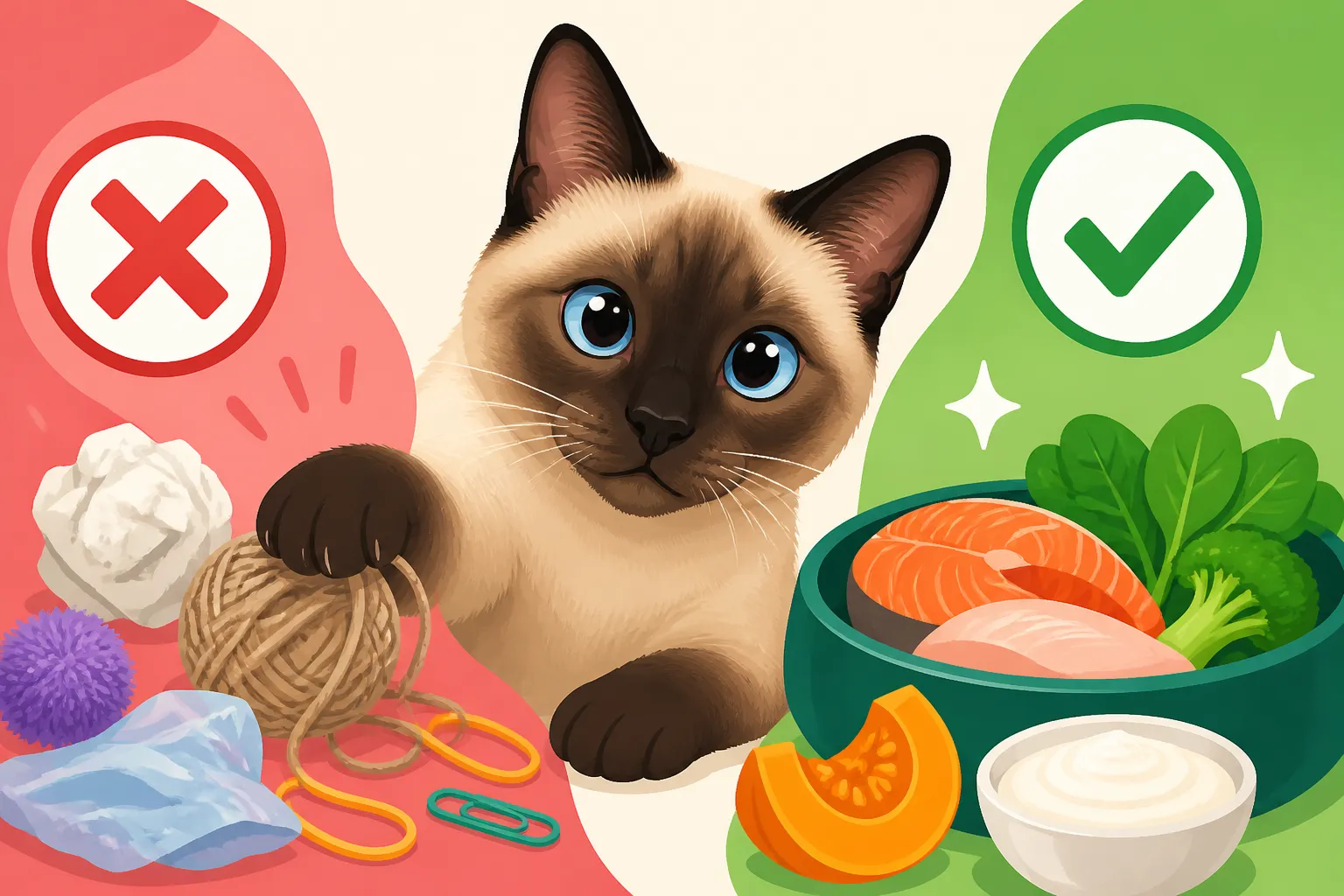
Beyond the ruined clothing and furniture, the real danger of pica lies within your cat's digestive system. When a Siamese ingests fabric, plastic, or other indigestible items, these materials don't break down. Instead, they can ball up and create a foreign body obstruction, a block in the intestines. This is a medical emergency that can rapidly become life-threatening. Signs to watch for include persistent vomiting, lethargy, loss of appetite, straining to defecate, or an abdomen that feels painful or distended. I’ve heard countless stories from frantic owners rushing their cats to the emergency vet because of a swallowed sock or a piece of blanket. A blockage means potential surgery, which is not only invasive and stressful for your cat but also carries a significant financial burden. Signs a Siamese Cat Has an Intestinal Blockage is a critical read if you suspect your cat has swallowed something. Preventing ingestion is paramount for their safety and your peace of mind.
Dietary Strategies to Combat Pica
When facing pica, dietary adjustments can be surprisingly effective. The goal is often to address potential nutritional gaps, improve satiety, and provide a healthy outlet for chewing instincts.
Increasing Dietary Fiber for Satiety and Gut Health
One of the most commonly recommended dietary changes for pica is to increase your Siamese cat's fiber intake. Think of fiber as the "filler" in their diet. It helps them feel fuller for longer, which can reduce the compulsive urge to seek out non-food items to chew. A diet lacking in fiber might leave a cat feeling unsatisfied, even if they've eaten enough calories. Fiber also plays a crucial role in healthy digestion, helping to move things along the digestive tract and potentially making ingested items less likely to form a solid blockage, though this is not a guarantee against obstruction.
You can boost fiber in several ways. Many commercial cat foods specifically formulate high-fiber options, often geared towards weight management or hairball control. These usually contain ingredients like pea fiber, cellulose, or psyllium husk. Always introduce new foods gradually over several days to avoid upsetting your cat's stomach. For a DIY approach, you might consider adding a small amount of pureed pumpkin (plain, not pie filling!) or a veterinarian-approved fiber supplement to their regular meals. A teaspoon of plain cooked pumpkin once or twice a day can make a big difference for some cats. It's about finding a balance that supports their digestive health and addresses those hunger cues that might be driving the pica. This also ties into the question of Whether More Fiber Stops a Siamese Cat's Pica.
Ensuring Adequate Protein and Nutrient Density
While fiber is important, it's equally crucial to ensure your Siamese is getting a diet rich in high-quality animal protein and essential nutrients. Siamese cats are known for their lean, muscular build and high metabolism; they burn through calories and nutrients efficiently. A diet that's too low in protein or uses poor-quality protein sources might leave them feeling perpetually hungry or nutritionally deprived, which could exacerbate pica behaviors. Their bodies need those building blocks to thrive.
Look for cat foods where meat is the first ingredient, and ideally, several meat-based ingredients feature prominently. Chicken, turkey, salmon, or beef are excellent choices. A nutrient-dense diet ensures they're getting all the vitamins, minerals, and amino acids they need. Sometimes, owners inadvertently feed lower-quality foods that fill the stomach but don't provide deep, lasting satisfaction. If your cat is constantly begging or seems restless after meals, despite eating a "full" portion, it might be worth re-evaluating the nutritional quality of their food. Consulting with your vet can help you determine the best complete and balanced diet for your individual cat's needs.
The Role of Wet Food vs. Dry Kibble
The debate between wet food and dry kibble is ongoing, but for cats with pica, wet food often has an edge. The higher moisture content in wet food can contribute to a feeling of fullness and better hydration. Many cats also find wet food more palatable and satisfying due to its stronger scent and softer texture. Imagine the difference in how satisfied you feel after a juicy steak compared to a handful of crackers – similar principle for cats.
Wet food also generally has fewer carbohydrates than dry kibble, which some theories suggest can be beneficial for reducing pica, especially if the behavior is linked to digestive discomfort or an underlying craving for bulk. If your Siamese currently eats only dry kibble, gradually introducing wet food as a portion of their diet or even switching entirely might be a beneficial step. For those on a mixed diet, increasing the proportion of wet food could also help. Ensure the wet food is complete and balanced for all life stages, and don't forget to consider a good dental hygiene routine regardless of food type, as Dental Disease in a Siamese Cat is a common concern.
Incorporating Puzzle Feeders and Slow Feeding
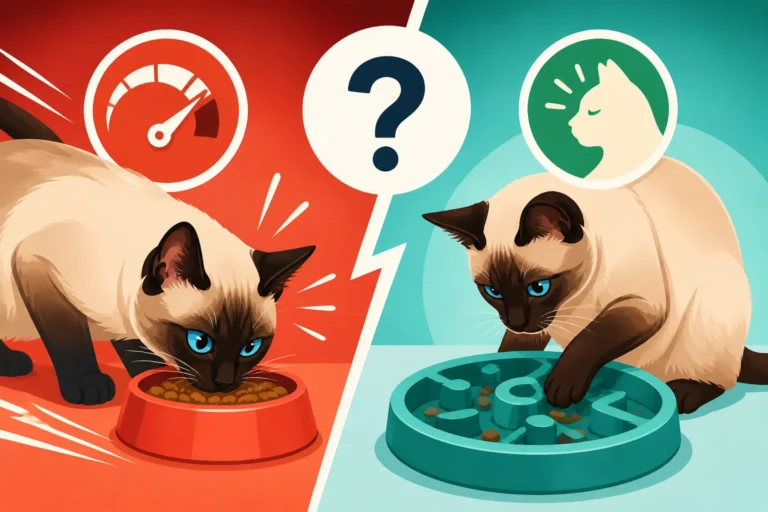
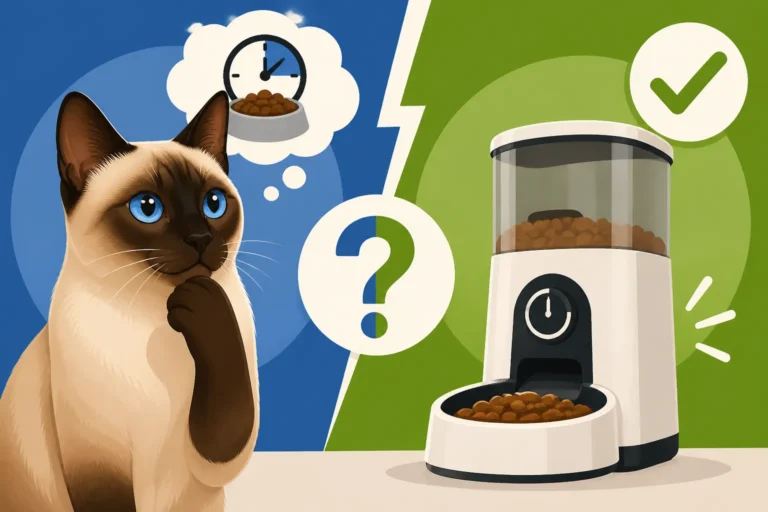
Beyond what they eat, how your Siamese eats can also impact pica. Siamese cats are incredibly intelligent and often get bored easily. Fast eaters might finish their meal in minutes and then spend the rest of their time looking for "something to do," which can unfortunately lead them back to chewing non-food items. Puzzle feeders are an excellent way to slow down mealtime and provide mental stimulation.
These feeders come in various designs, from simple balls that dispense kibble when nudged to more complex mazes. They require your cat to "work" for their food, mimicking their natural hunting instincts. This engagement can reduce boredom and provide a constructive outlet for their clever minds and energy. Spreading meals into several smaller portions throughout the day can also help keep them feeling satisfied and engaged. Instead of one or two big bowls, consider four or five small "hunts" with puzzle feeders hidden around the house. This makes mealtime an enriching activity rather than a quick gulp. What Toys a Siamese Cat Actually Uses or Whether a Puzzle Feeder Occupies a Siamese Cat are great resources to explore further on this topic.
Specific Foods and Supplements
Now that we've covered the general dietary strategies, let's look at specific types of products that can help.
High-Fiber Commercial Cat Foods
Many reputable pet food brands offer formulations specifically designed with higher fiber content. These are often labeled as "hairball control," "weight management," or "indoor cat" formulas. The increased fiber helps hair pass through the digestive tract and can also aid in satiety. When browsing options, either in your local pet store or online platforms like Chewy or Amazon, carefully check the ingredient list. Look for sources like powdered cellulose, beet pulp, or psyllium husk. It's important to remember that not all high-fiber foods are created equal, and some might include more plant-based proteins than ideal for a feline carnivore. Always consult with your veterinarian before making a drastic change to your cat's diet, especially if they have other health concerns.
Here's a comparison of common fiber sources in cat food:
| Fiber Source | Type of Fiber | Potential Benefits | Considerations |
|---|---|---|---|
| Powdered Cellulose | Insoluble | Adds bulk, helps passage of food and hairballs | Can be overused, less digestible |
| Psyllium Husk | Soluble & Insoluble | Forms gel, aids digestion, promotes satiety | Must be consumed with enough water |
| Beet Pulp | Soluble & Insoluble | Prebiotic, supports gut flora, aids stool quality | Some cats are sensitive, can be fermentable |
| Pumpkin (pureed) | Soluble & Insoluble | Natural, palatable, helps with constipation/diarrhea | Ensure it's plain, not pie filling |
| Pea Fiber | Insoluble | Adds bulk, common in grain-free formulas | Similar to cellulose, check overall ingredient list |
Fiber Supplements and Natural Additives
If a complete diet change isn't feasible or hasn't fully resolved the pica, you might consider adding specific fiber supplements or natural additives to your cat's existing food. As mentioned, plain, canned pumpkin (100% pumpkin, no spices or sugar!) is a popular and often effective choice. A small teaspoon mixed into their wet food once or twice a day can provide a gentle fiber boost.
Other options include psyllium husk powder, which can be purchased in human-grade form from health food stores or online from retailers like Amazon. A tiny pinch (start with 1/8 teaspoon) mixed into wet food can significantly increase fiber intake. Always introduce these slowly and ensure your cat is drinking enough water, as fiber needs water to work effectively. There are also specific feline fiber supplements available from brands often found on Chewy. These are formulated to be palatable for cats and may contain a blend of fibers. Before adding any supplement, it’s always best to discuss it with your vet to ensure it's appropriate for your cat and won't interact negatively with any other medications or conditions.
Addressing Nutritional Deficiencies
Sometimes, pica isn't just about feeling full; it can be a desperate attempt by the cat to compensate for a nutritional deficiency. While modern commercial cat foods are generally formulated to be complete and balanced, individual cats can have unique needs or absorption issues. For instance, if a cat isn't absorbing enough B vitamins or certain minerals, they might instinctively seek out non-food items in a misguided attempt to fulfill that need.
This is where a thorough veterinary check-up becomes invaluable. Your vet can perform blood tests to check for underlying medical conditions or deficiencies. They might recommend a prescription diet specifically formulated to be highly digestible or rich in certain nutrients. For example, some cats with psychogenic alopecia, a stress-related overgrooming that can sometimes overlap with pica, might benefit from diets containing specific calming nutrients. In rare cases, a veterinary nutritionist might even suggest a custom-blended diet if standard options aren't working. It's a journey of elimination to figure out the root cause, but ensuring a nutrient-rich diet is a crucial step.
Beyond Food: A Holistic Approach
While diet plays a significant role, successfully managing pica often requires a multi-faceted approach that addresses environmental, behavioral, and emotional factors.
Environmental Enrichment and Mental Stimulation
Siamese cats are notoriously intelligent and energetic. A bored Siamese is a mischievous Siamese, and often, a destructive one. Pica can be a manifestation of boredom or a lack of appropriate outlets for their keen minds and physical energy. Imagine being stuck in a house all day with nothing to do – you'd start finding ways to entertain yourself too!
Providing ample environmental enrichment is key. This includes interactive toys, cat trees for climbing and observation, scratching posts (vertical and horizontal), and regular play sessions with you. Think about puzzle toys that dispense treats, wand toys that mimic prey, or even supervised access to a secure catio. Rotate toys regularly to keep things fresh. Some Siamese enjoy learning tricks or going for supervised walks on a harness. The more engaged and stimulated your cat is with appropriate activities, the less likely they are to resort to self-soothing behaviors like wool sucking. Don't underestimate the power of a good play session; it can tire them out mentally and physically. Enrichment for a Siamese Cat That Gets Bored in an Hour offers fantastic ideas.
Managing Stress and Anxiety Through Routine
Siamese cats thrive on routine and can be sensitive to changes in their environment. Stress and anxiety are major triggers for many behavioral issues, including pica and excessive grooming, known as Psychogenic Alopecia in a Siamese Cat. A new pet, a house move, a change in your work schedule, or even a loud household can all contribute to a cat's stress levels.
Establishing a predictable daily routine can provide a sense of security. Feed them at the same times, play at consistent intervals, and ensure their litter boxes are always clean and accessible. Create safe, quiet spaces where they can retreat if they feel overwhelmed. Pheromone diffusers, available from pet stores and online at places like Chewy, can also help create a calmer atmosphere. If you suspect stress is a major factor, identifying and mitigating the source is crucial. Sometimes, a Siamese cat's intense bond with its owner means What Separation Anxiety Looks Like in a Siamese Cat can be a profound issue, leading to pica when left alone.
When to Consult Your Veterinarian or a Feline Behaviorist
While dietary changes and environmental enrichment can make a huge difference, sometimes pica has deeper roots that require professional intervention. It's absolutely vital to rule out any underlying medical conditions first. A trip to your vet is the first step. They can perform a thorough physical exam, blood work, and possibly imaging like X-rays or ultrasound to check for nutritional deficiencies, gastrointestinal issues, or existing blockages.
If medical causes are ruled out, your vet might refer you to a board-certified feline veterinary behaviorist. These specialists have advanced training in animal behavior and can help pinpoint the specific triggers for your cat's pica. They can develop a comprehensive behavior modification plan that might include prescription medications to help manage anxiety or obsessive-compulsive behaviors, alongside environmental and dietary adjustments. They can also offer specific advice on how to prevent your cat from accessing tempting non-food items. Dealing with pica can be a long process, and having professional guidance can be incredibly reassuring and effective.
Disclaimer
This article is for general informational purposes only and does not constitute professional advice. Laws, prices and regulations vary by location and change over time. Consult a qualified professional for guidance on your specific situation.