Whether Dental Treats Help a Siamese Cat
It’s a common scenario: you’re trying your absolute best to keep your beloved Siamese cat healthy, and their teeth often feel like a battleground. You've heard the whispers about dental treats, those seemingly magical little morsels that promise to scrape away plaque and keep those pearly whites gleaming without all the fuss of actual brushing. But do they really work, or are we just throwing money at another marketing gimmick in the hopes of dodging costly vet visits and the heartbreaking reality of dental disease? This guide is here to cut through the noise and give you a realistic look at whether dental treats actually help a Siamese cat, and what their role should truly be in your cat's oral hygiene routine.
The Silent Epidemic: Understanding Feline Dental Disease in Siamese Cats
The truth about feline dental health is often quite grim, and it’s a problem many cat owners don’t even realize is brewing until it’s quite advanced. Most cats, by the time they are three years old, already show signs of dental disease. And for a Siamese cat, with their unique physiology and sometimes more pronounced susceptibility to certain health issues, dental care is particularly critical.
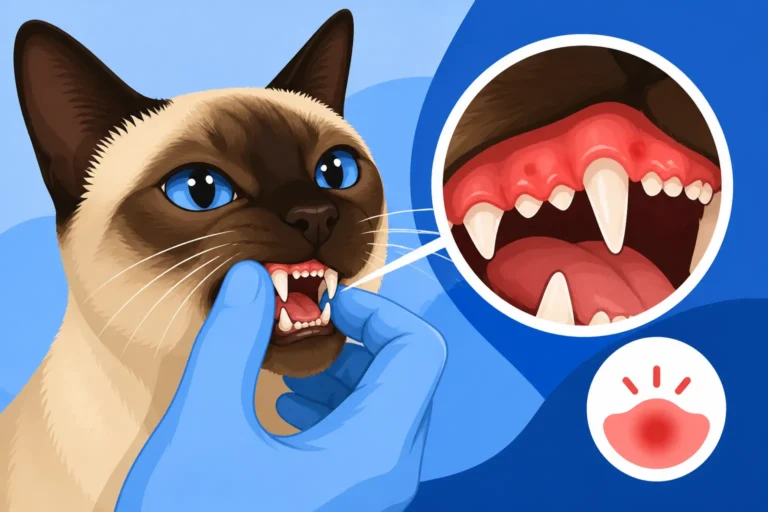
Plaque, a sticky film of bacteria, is constantly forming on your cat's teeth. If not removed, this plaque hardens into tartar, a calcified deposit that can’t be brushed away by you at home. Tartar buildup, especially along the gumline, leads to gingivitis – inflammation of the gums. You might notice redness, swelling, or even bleeding if you manage to peek inside their mouth, though cats are masters at hiding pain. Untreated gingivitis progresses to periodontal disease, a much more serious condition where the inflammation spreads below the gumline, attacking the supporting structures of the teeth. This can lead to painful gum recession, bone loss, loose teeth, and even systemic infections as bacteria enter the bloodstream, affecting organs like the heart, kidneys, and liver.
Siamese cats, while generally robust and long-lived, are not immune to these issues. In fact, some lines might even have a genetic predisposition to certain dental problems, or their mouth structure, while elegant, might create nooks and crannies more prone to plaque accumulation. Their curious, often oral nature can also sometimes lead them to chew on things that aren't ideal for their dental health, though this is usually more related to pica. The sheer intensity of their vocalizations, while endearing, doesn’t mean their teeth are getting a workout. Owners often find themselves facing extractions and expensive dental procedures as their cats age, making prevention a huge priority. If you've ever had a cat go through a dental cleaning under anesthesia, you know it's not a decision taken lightly, and the costs can be substantial. Understanding Dental Disease in a Siamese Cat is the first step in prevention.
The Promises and Pitfalls of Dental Treats for Cats
So, how exactly are these dental treats supposed to work? The idea is simple: as your cat chews, the treat's texture and shape mechanically scrub the surface of their teeth, removing plaque. Some treats also contain active ingredients designed to reduce plaque and tartar formation. It sounds like a perfect, no-fuss solution, right? A delicious snack that also cleans teeth!
However, the reality is a little more nuanced. Many treats on the market offer minimal, if any, real dental benefit. Think about it: a cat's chew isn't like a dog's. Many cats tend to gulp down smaller treats with very little actual chewing. For a treat to be effective through mechanical abrasion, the cat needs to chew it long enough, and the treat needs to be shaped and sized appropriately to reach multiple tooth surfaces. A tiny, soft treat that's swallowed whole isn't doing much. Moreover, some treats are simply packed with calories and can contribute to weight gain if not accounted for in your cat's daily diet. It's a delicate balance.
Another common pitfall is the assumption that any dental treat is effective. The pet food industry is vast, and claims aren't always backed by scientific evidence. You might pick up a bag of treats enthusiastically, only to find they offer no more benefit than a regular treat in terms of oral health. This isn't to say all dental treats are useless, but it underscores the importance of being a discerning consumer. We’re all busy, and it's easy to grab whatever looks good, but for something as important as dental health, a little research goes a long way.
Identifying Truly Effective Dental Treats: The VOHC Seal
When it comes to dental treats for your Siamese, or any cat for that matter, the absolute gold standard for effectiveness is the Veterinary Oral Health Council (VOHC) Accepted Seal. This seal isn't just a marketing ploy; it signifies that a product has met specific scientific criteria for effectiveness in retarding plaque and tartar development. The VOHC is an independent organization that reviews data from studies conducted on products designed to help control plaque and tartar in pets. When you see that VOHC seal, you know that the product has been proven to work.
How do they work? VOHC-accepted treats are often formulated with specific textures, shapes, and sometimes even ingredients that actively reduce the buildup of plaque and tartar. For example, some might have a fibrous texture that gently scrubs the teeth as the cat chews, while others contain ingredients like sodium hexametaphosphate (SHMP), which can bind to calcium in saliva and prevent tartar formation. The key is that these effects have been clinically demonstrated.
When you're shopping for dental treats, whether you're browsing the aisles at your local pet store, looking through popular online retailers like Chewy, or adding items to your cart on Amazon, always look for that VOHC seal. It’s usually prominently displayed on the packaging. Without it, you’re essentially taking a shot in the dark, hoping for a benefit that might not be there. Remember, these treats are a supplement to your cat’s dental care routine, not a replacement for brushing or professional veterinary cleanings. They can definitely be a valuable tool in your arsenal, especially for a cat that resists other forms of dental care, but they aren't a magic bullet. Consider them a supportive player, not the star of the show, especially if you're trying to prevent serious issues like Why a Siamese Cat Loses Teeth Young or Tooth Resorption in a Siamese Cat.
Here’s a quick overview of what to look for and avoid:
| Feature/Consideration | What to Look For | What to Be Wary Of |
|---|---|---|
| Effectiveness Proof | VOHC Accepted Seal | Generic "dental formula" claims without scientific backing |
| Texture & Shape | Designed for mechanical abrasion, larger for chewing | Small, soft, easily swallowed treats |
| Active Ingredients | SHMP, zinc gluconate (if VOHC approved) | Unspecified ingredients or herbal remedies without proof |
| Calorie Content | Moderate, or clearly accounted for in daily intake | High-calorie treats that contribute to weight gain |
| Cat's Chewing Habits | Your cat actually chews the treat thoroughly | Your cat gulps treats down immediately |
| Purpose | Supplement to daily routine | Sole dental care solution |
Beyond Treats: A Comprehensive Approach to Your Siamese Cat's Oral Hygiene
While VOHC-approved dental treats certainly have their place, relying solely on them would be like you only chewing gum and expecting perfect dental health. For your Siamese, a truly effective oral hygiene plan is a multi-faceted approach. Think of dental treats as one piece of a much larger, more effective puzzle.
The gold standard for feline dental care remains daily tooth brushing. Yes, I know. It sounds daunting, maybe even impossible, with a squirmy, opinionated Siamese. But even a few seconds of brushing with a cat-specific toothbrush and toothpaste can make a significant difference in removing plaque before it hardens into tartar. Start slowly, make it positive with treats and praise, and aim for consistency. Many cats, if introduced gently as kittens, can tolerate it surprisingly well. It’s certainly a commitment, but the long-term benefits for your cat’s health are immense. You can find more tips on How to Brush a Siamese Cat's Teeth.
Next up are professional dental cleanings performed by your veterinarian. These cleanings are crucial for removing tartar that has already formed. They are done under anesthesia, which allows your vet to thoroughly clean above and below the gumline, polish the teeth, and perform a full oral examination. While anesthesia always carries some risk, the benefits of preventing severe dental disease and its associated pain and systemic health issues far outweigh these risks for most cats. Your vet can determine how often your Siamese needs these cleanings, but for many, yearly or every two years is common. This helps prevent serious issues, and understanding How Often a Siamese Cat Needs a Dental is vital for planning. When considering the financial aspect, remember What a Siamese Cat's First Dental Costs and how important regular care is.
Dental diets are another excellent tool. These prescription foods are specifically formulated to help clean teeth as your cat eats, often with larger, specially textured kibble that resists crumbling and forces the tooth to penetrate deeply before breaking. Some diets also contain ingredients that help prevent tartar formation. Your veterinarian can recommend a suitable dental diet if they believe it would benefit your Siamese, especially if they are prone to rapid plaque buildup. These diets are designed to be a significant part of your cat’s nutrition, offering continuous dental benefits with every meal. If your Siamese has specific dietary needs, such as managing Whether a Siamese Cat Needs Prescription Food, discuss dental diets with your vet to ensure compatibility.
Finally, don't overlook water additives. These are solutions you add to your cat’s drinking water, which contain ingredients that can help reduce bacteria in the mouth and slow down plaque formation. They are relatively easy to administer and can provide a baseline level of dental support, particularly for cats who resist brushing. Always choose products specifically formulated for cats and approved by your vet.
In summary, dental treats are a helpful supplement but never a standalone solution. They work best as part of a comprehensive dental hygiene routine that includes regular brushing, professional veterinary cleanings, and potentially dental-specific diets or water additives. By combining these methods, you can significantly improve your Siamese cat's oral health, keeping their smile bright and their overall health robust for years to come.
Disclaimer
This article is for general informational purposes only and does not constitute professional advice. Laws, prices and regulations vary by location and change over time. Consult a qualified professional for guidance on your specific situation.