How Many Litter Boxes a Siamese Cat Household Needs
One of the most common frustrations cat parents face is when their beloved feline friend decides that the perfectly clean litter box you provided just isn't quite up to snuff, leading to accidents around the house. For Siamese cat owners, this can be particularly vexing, as these intelligent and sensitive creatures often have strong opinions about their facilities. This guide will walk you through exactly how many litter boxes your Siamese cat household truly needs, and why meeting this often-underestimated requirement can save you a lot of clean-up and heartache.
The Golden Rule: N+1 for Litter Boxes
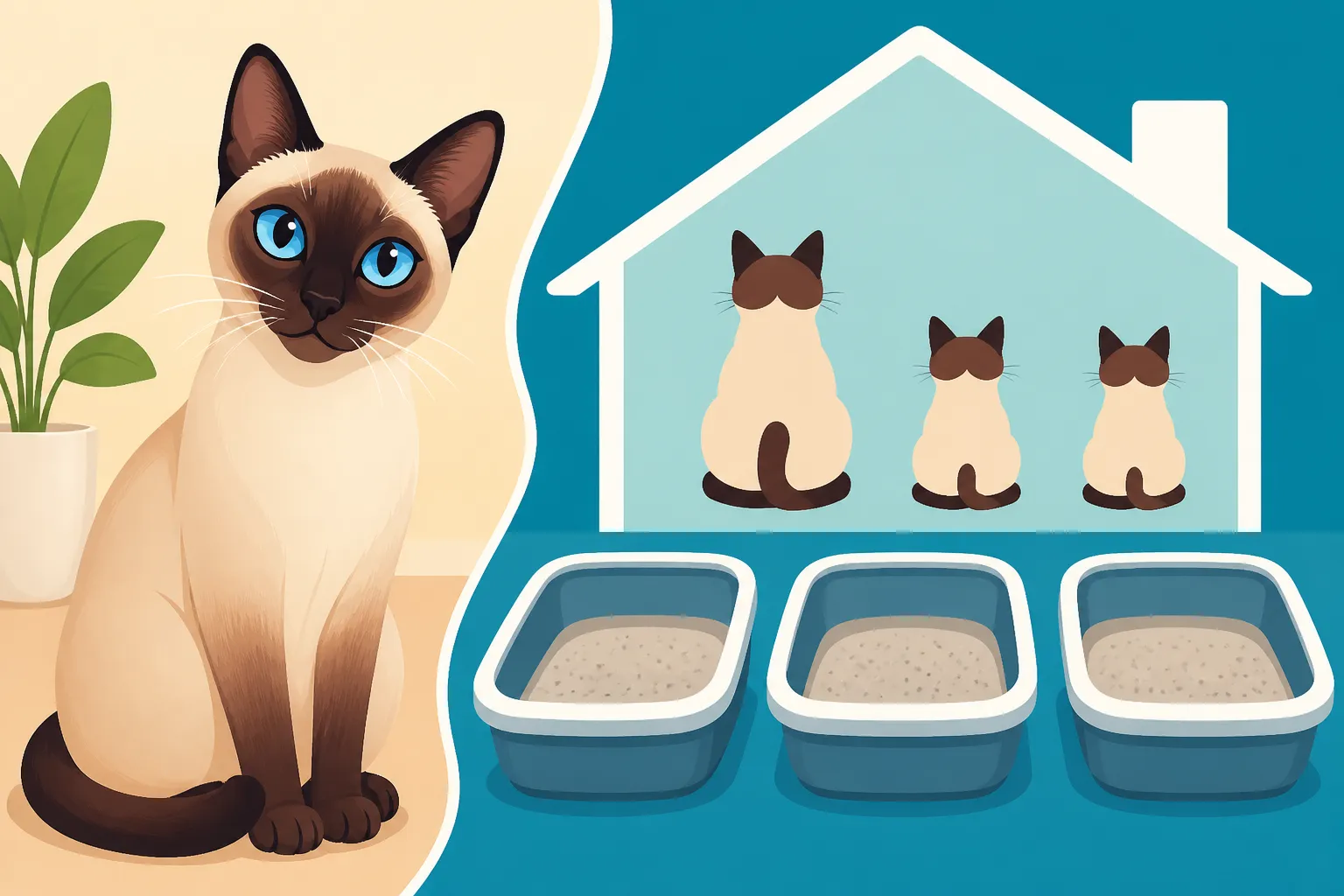
The most widely accepted and veterinarian-backed guideline for litter boxes in a multi-cat household is the "N+1" rule. This means you should have one litter box for each cat you own, plus one extra. So, if you have one Siamese cat, you'll ideally want two litter boxes. If you have two Siamese cats, you'll need three, and so on. This isn't just a random suggestion; it's rooted deeply in feline behavior and hygiene needs.
Why "N+1" Is Crucial for Feline Peace
Imagine sharing one bathroom with your entire family, where someone might not flush, or worse, not clean up after themselves. It wouldn't take long for frustrations to mount, right? Cats, especially our fastidious Siamese companions, feel much the same. Having multiple boxes provides choice, reduces competition, and ensures there's always a clean, accessible spot to do their business. This is paramount for preventing stress-related elimination issues. Your Siamese craves a sense of order and cleanliness, and they won't hesitate to voice their displeasure, sometimes by going outside the box.
Consider a scenario where you have two Siamese cats, Luna and Cosmo. If they only have one litter box, one might feel bullied or rushed by the other, especially if one cat is more dominant. Luna might avoid the box if Cosmo has just used it, preferring a pristine spot. This could lead her to find a "better" place, like your favorite rug or a laundry pile. A home with two cats and three litter boxes offers Luna the option of using one that Cosmo hasn't recently soiled, or one that's in a more private location. This simple rule often resolves unseen tension between housemates.
The "Plus One" Offers Essential Options
That "plus one" isn't just for show; it's a strategic buffer. It means if one box has been used recently or isn't quite to a cat's impeccable standards, there's always another option available. This is particularly important because cats, much like us, prefer a clean bathroom. A single cat might still prefer two boxes so they don't have to use a soiled spot. It also means if one box is temporarily inaccessible – perhaps you're cleaning it, or something is blocking it – your cat isn't left in a panic searching for an alternative. This redundancy is vital for a creature whose instinctual cleanliness drives so much of their behavior. How Many Litter Boxes a Siamese Cat Household Needs is a topic that surprises many new owners, but it's truly foundational to a harmonious home.
Why Siamese Cats Are Often Pickier About Their Facilities
Siamese cats are renowned for their intelligence, vocal nature, and often, their somewhat demanding personalities. This isn't a flaw; it's just part of their charm! However, these traits also mean they tend to be more sensitive and particular about their environment, including their litter boxes. Ignoring their preferences can lead to behavioral issues that are frustrating for everyone involved.
Their Pristine Standards and Sensitivity to Scent
Siamese cats, with their sleek coats and elegant demeanor, often have very high standards for cleanliness. They are acutely aware of scents, and a litter box that smells even slightly off to them might as well be completely unusable. Many owners mistakenly think scooping once a day is enough, but for a Siamese, even a single previous deposit can make a box unappealing. This heightened sensitivity means that the "N+1" rule provides crucial clean alternatives.
Think about it from their perspective: they use their paws to cover their waste, then walk on those same paws. If the box is already full or smelly, they might feel like they're stepping into a minefield. An unappealing box is a quick route to elimination outside the box. This isn't spite; it's a deeply ingrained instinct to seek out a clean and safe place. If they can't find it in the designated spot, they'll find it elsewhere, which is never fun for us humans.
Privacy and Location Preferences
Beyond cleanliness, Siamese cats also value privacy and feel vulnerable while eliminating. The location of their litter boxes is almost as important as the number and cleanliness. A single box tucked away in a noisy, high-traffic area, or right next to their food and water, is often a recipe for disaster. They need options that offer a sense of security.
Consider placing boxes in different parts of your home, not just all in one room. One might be in a quiet corner of the living room, another in a spare bathroom, and a third perhaps in a utility room. This gives your Siamese choices based on their mood and the activity level of the house at any given moment. For example, if you have guests over, a box in a quiet bedroom offers a retreat from the hubbub. The more options for private, clean, and accessible locations, the happier your Siamese will be, and the less likely you are to encounter unwelcome surprises.
Factors That Influence Litter Box Needs Beyond the Basics
While the "N+1" rule is an excellent starting point, several other factors can influence the ideal number and type of litter boxes for your Siamese cat. These considerations delve deeper into their individual preferences and your household dynamics, ensuring you create the most comfortable and stress-free environment possible.
Size and Type of Litter Box
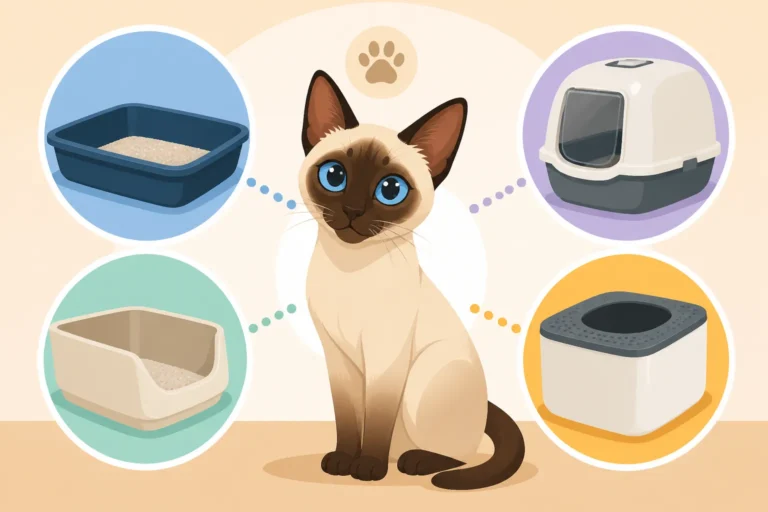
Not all litter boxes are created equal, and your Siamese may have a strong preference. The trend towards smaller, covered boxes is often driven by human aesthetics, but it can be detrimental to a cat's comfort. Many cats feel cramped or trapped in small or covered boxes, especially larger males. They also concentrate odors, which, as we've discussed, Siamese cats are particularly sensitive to.
Here's a quick comparison of common litter box types:
| Feature | Open Top Box | Covered Box | High-Sided Box | Self-Cleaning Box |
|---|---|---|---|---|
| Pros | Good ventilation, easy for cat to enter/exit, easy for owner to scoop/clean, less odor trapping. | Contains litter scatter, offers perceived privacy (for humans). | Excellent for containing litter scatter, good for "high pee-ers." | Automates scooping, reduces manual effort. |
| Cons | More litter scatter (if not high-sided), less privacy (for humans). | Traps odors, can feel cramped, harder to monitor cat's eliminations, difficult for some cats to enter/exit. | Can be harder for kittens or elderly cats to enter/exit. | Often noisy, expensive, some cats are scared of the mechanism, can still require manual cleaning. |
| Siamese Suitability | Generally preferred due to ventilation and space. | Often disliked due to odor and feeling enclosed. | Good compromise for scatter if not too high for entry. | Varies by individual cat; many find them stressful. |
Many Siamese cats prefer large, open-top litter boxes. This allows them to enter, turn around comfortably, and exit without feeling confined. For Siamese cats who love to dig and kick litter, a large, high-sided open box can be a great compromise. You can find a wide array of options on Chewy or Amazon, making it easy to experiment and see what your individual cat prefers.
Litter Choice
The type of litter you use is another critical factor. Scented litters might appeal to our human noses, but many cats, particularly the sensitive Siamese, find them overwhelming and off-putting. The strong perfumes can irritate their respiratory systems and deter them from using the box.
Unscented, fine-grained clumping litter is generally the most recommended choice for most cats. It's soft on their paws and mimics the natural substrates they would choose in the wild. Some cats, especially those prone to Asthma in a Siamese Cat, might also benefit from low-dust formulas. If you've been using a scented litter and notice your Siamese is avoiding the box, switching to an unscented variety could make a world of difference. Always introduce new litter gradually by mixing it with the old over several days.
Household Dynamics and Environment
The overall environment of your home plays a huge role in your Siamese cat's comfort and willingness to use their litter boxes. Is your home a busy hub of activity, or a quiet sanctuary? Do you have other pets, children, or frequent visitors? All these factors can impact where and how your Siamese feels safe using a litter box.
For example, if you have children who are prone to "helping" by playing in the litter box or leaving toys in it, your Siamese might decide that area is too unpredictable. If you have a dog that harasses the cat in the litter box (yes, some dogs do!), this will also create an aversion. Even the presence of a new partner or a recent house move can cause stress that manifests as inappropriate elimination. Providing multiple, well-placed boxes in different areas of the house can mitigate some of these environmental stressors. It's also important to ensure their food and water bowls are far away from their elimination spots. No one wants to eat next to their toilet!
Troubleshooting Litter Box Issues in a Multi-Cat Home
Even with the "N+1" rule in place, sometimes issues can arise. Siamese cats, being the clever and communicative creatures they are, will often try to tell you something is wrong through their behavior. It's up to us to listen and decipher their signals. This isn't just about adding more boxes; it's about understanding why a problem exists and making targeted adjustments.
When Your Siamese Stops Using the Box
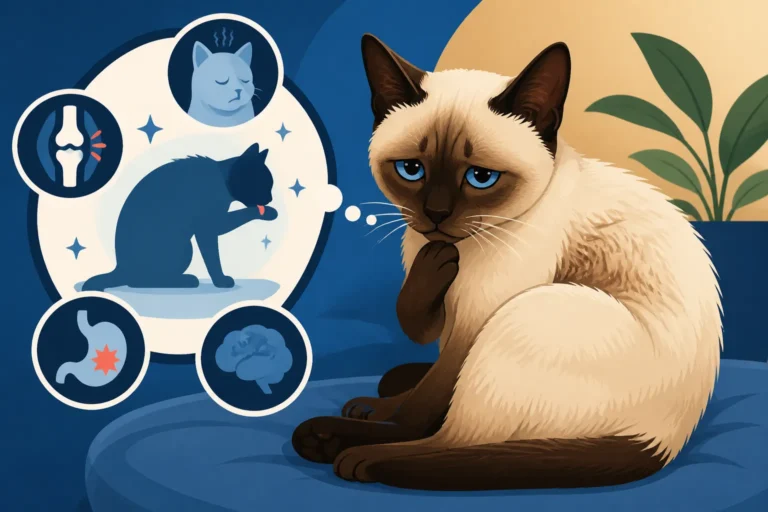
If your Siamese cat suddenly starts eliminating outside the litter box, the very first step is always a vet visit. A change in litter box habits is a classic sign that something is medically amiss, from a urinary tract infection to kidney issues or even pain from arthritis that makes getting into the box difficult. Signs a Siamese Cat Is Unwell often include these changes in routine. Don't assume it's behavioral until a vet has ruled out a physical cause.
If the vet gives a clean bill of health, then it's time to put on your detective hat and look at environmental and behavioral factors.
Common causes for litter box avoidance (after medical check):
- Cleanliness: Is the box scooped frequently enough? For a sensitive Siamese, "frequently enough" might mean immediately after each use.
- Location: Is the box in a high-traffic area, too close to food/water, or does it feel exposed?
- Type of Box: Is the box too small, covered, or difficult to enter for an older or less agile cat?
- Type of Litter: Is the litter scented, too coarse, or does it produce too much dust?
- Stress: Has there been a recent change in the household (new pet, person, furniture, schedule)? What Separation Anxiety Looks Like in a Siamese Cat can sometimes manifest as inappropriate urination.
- Competition: In a multi-cat home, is one cat preventing another from accessing a preferred box?
Strategies for Encouraging Proper Use
Once you've identified potential issues, you can implement strategies to encourage your Siamese to use the boxes.
- Scoop More Often: Seriously, more often. If you have multiple cats, aim to scoop at least twice a day, if not more. Consider investing in a heavy-duty scoop that makes the job easier, perhaps from Chewy.
- Add More Boxes: If you're not at the N+1 rule, get there. If you are, consider adding even one more, especially if you have a large home or a complex multi-cat dynamic.
- Vary Box Types and Locations: Offer a mix of large, open boxes and try placing them in different, quiet, and easily accessible areas of your home. Maybe a corner in the home office, a spot in the guest bathroom, and another in the laundry room. Make sure no cat feels trapped or ambushed while using a box.
- Experiment with Litter: If your current litter is scented, switch to unscented. If it's very coarse, try a finer grain. Remember, scent preferences for cats are often the opposite of ours.
- Address Stressors: If a new pet is the issue, work on slow, positive introductions. If it's a new baby, create quiet, safe zones for your cat. Sometimes, simple enrichment like more playtime or Enrichment for a Siamese Cat That Gets Bored in an Hour can alleviate stress.
- Clean Accidents Thoroughly: When accidents happen outside the box, use an enzymatic cleaner specifically designed to break down cat urine odors. If the scent remains, your cat is more likely to return to that spot. Products found on Amazon often receive good reviews for this.
- Consider Feliway Diffusers: These plug-in diffusers release synthetic feline pheromones that can help create a calming environment and reduce stress, sometimes alleviating inappropriate elimination.
Remember that patience is key. It can take time for your Siamese to adjust to new litter box arrangements or to overcome behavioral issues. Being consistent and observant will greatly improve your chances of success. Providing ample, clean, and well-placed litter boxes is one of the easiest ways to ensure your intelligent and sensitive Siamese cat feels safe, respected, and happy in their home. It's a small investment that pays huge dividends in peace of mind for both you and your feline companion. The Fifteen to Twenty Years a Siamese Cat Gets are much happier without litter box issues.
Disclaimer
This article is for general informational purposes only and does not constitute professional advice. Laws, prices and regulations vary by location and change over time. Consult a qualified professional for guidance on your specific situation.