What Amyloidosis Does to a Siamese Cat
It’s truly heartbreaking to learn that your beloved Siamese cat, with all their vibrant personality and striking beauty, might be susceptible to a silent, devastating illness like amyloidosis. This condition feels like a cruel twist of fate, striking without warning and often leaving owners feeling helpless and blindsided. This comprehensive guide is here to shed light on exactly what amyloidosis does to a Siamese cat, helping you understand the disease, recognize its signs, and navigate the difficult path of diagnosis and care.
Understanding Amyloidosis in Siamese Cats
The very mention of a serious genetic disease in our furry family members can send shivers down our spines. Amyloidosis, while not exclusive to Siamese cats, has a particularly strong and often tragic association with this elegant breed. It’s a condition that creeps up quietly, doing its damage before outward signs often become undeniable.
What is Amyloidosis, Really?
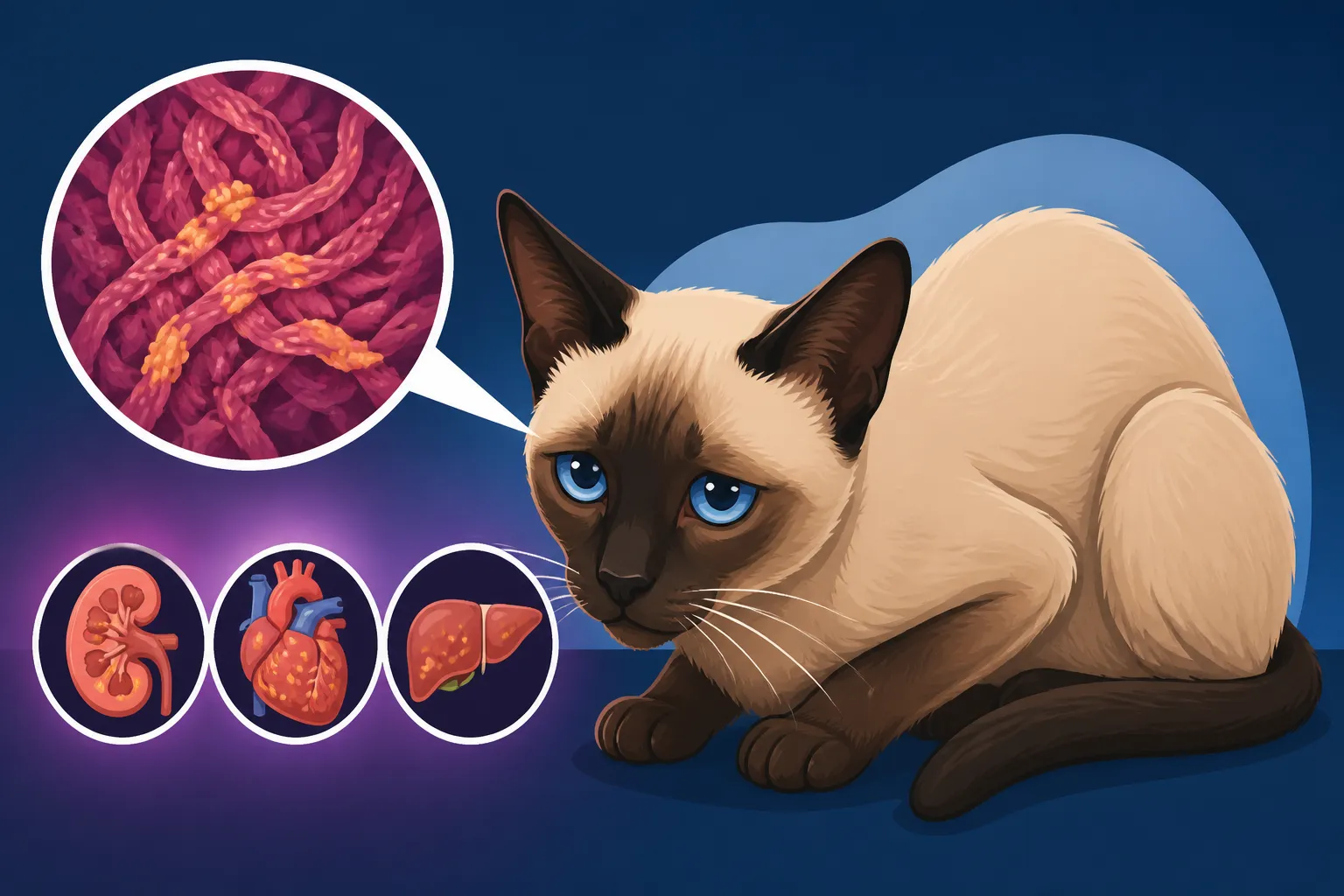
At its core, amyloidosis is a disease characterized by the buildup of abnormal protein deposits, called amyloid, within various tissues and organs. Now, when we talk about proteins, we usually think of essential building blocks for life, right? But amyloid isn't your everyday, healthy protein. Instead, it’s a misfolded, insoluble protein that clumps together, forming stubborn, waxy deposits that the body can't easily break down or remove. Imagine trying to filter water through a sieve that's slowly becoming coated in a sticky, impenetrable goo – that’s a bit like what happens to an organ affected by amyloid.
These amyloid fibrils don't just sit there innocently; they infiltrate between cells, disrupting the normal architecture and function of the organ. Over time, as more and more amyloid accumulates, it literally crowds out the healthy cells, impeding their ability to perform their vital tasks. This cellular-level chaos leads to progressive organ dysfunction. For Siamese cats, this is often a systemic issue, meaning the abnormal protein can affect multiple organs, but there’s usually one primary, devastating target.
The Genetic Link: Why Siamese Cats?
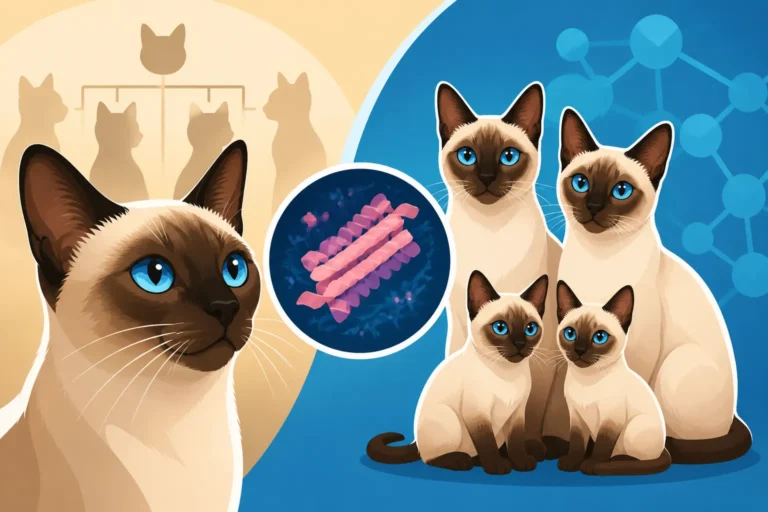
The cruel irony of amyloidosis in Siamese cats is its strong inherited component. Unlike some diseases that can be triggered by external factors, the predisposition for this condition is deeply woven into the genetic fabric of the breed. It's often considered an autosomal recessive trait, which means a kitten needs to inherit a copy of the faulty gene from both parents to be affected. Parents who carry only one copy might appear perfectly healthy themselves, making it incredibly difficult to identify and eliminate the trait from breeding lines without advanced genetic tools.
This genetic predisposition is precisely why Siamese cats are considered a high-risk breed for amyloidosis, particularly the Oriental Shorthair and Abyssinian breeds with whom they share ancestry. It leads to the frustrating reality that there is currently no DNA test for Siamese Cat Amyloidosis available to breeders or owners to definitively identify carriers or at-risk individuals before symptoms appear. This lack of a clear genetic marker means that even the most responsible breeders are often flying blind, relying on pedigree analysis and the unfortunate occurrence of the disease in past generations to make difficult breeding decisions. It's a huge source of anxiety and grief for anyone who loves this breed, knowing that a beloved companion could carry this hidden vulnerability.
The Primary Target: The Liver
While amyloidosis can theoretically affect many organs, for Siamese cats, the liver stands out as the most common and, tragically, most critically impacted organ. This makes the disease particularly insidious and often leads to acute, life-threatening crises.
How Amyloid Accumulates in the Liver
The liver, a powerhouse organ responsible for detoxification, metabolism, and producing essential proteins, becomes a prime target for amyloid deposition in Siamese cats. The misfolded amyloid protein starts to accumulate within the liver, particularly in the space of Disse, which lies between the sinusoidal endothelial cells and the hepatocytes (the main liver cells). Initially, these deposits are microscopic, slowly growing larger and more numerous. Think of it like a slow, relentless silting up of a vital waterway.
As these waxy amyloid deposits expand, they begin to compromise the liver's intricate architecture. They interfere with blood flow through the liver, impairing the exchange of nutrients and waste products. More importantly, they progressively replace healthy, functional liver tissue. This gradual "choking" of the liver means it loses its capacity to perform its many critical functions, such as producing clotting factors, detoxifying the blood, and metabolizing fats. The insidious nature of this accumulation means that the cat might show no outward signs of illness until a significant portion of the liver's function is already lost, making early detection a monumental challenge.
The Devastating Consequence: Liver Rupture
The most feared and often fatal consequence of amyloidosis in a Siamese cat is a sudden liver rupture. As amyloid builds up within the liver, it doesn't just reduce function; it physically weakens the organ's delicate structure. The deposits make the liver stiff, brittle, and prone to tearing. Even a minor bump, a playful jump, or sometimes, no discernable trigger at all, can cause the liver to spontaneously rupture. It’s a terrifying prospect, knowing that your otherwise seemingly healthy cat could be walking around with such a fragile internal organ.
When the liver ruptures, it leads to massive internal bleeding, filling the cat's abdominal cavity with blood. This catastrophic event results in hemorrhagic shock, a life-threatening condition where the cat loses so much blood that its body can no longer circulate oxygen effectively. The onset is typically acute and dramatic: sudden collapse, extreme weakness, pale gums, rapid breathing, and a distended, painful abdomen. It’s one of the most urgent veterinary emergencies imaginable, and sadly, the prognosis is often grim. Many owners are left reeling, asking "Why did this happen so suddenly?" And the answer, tragically, is often amyloidosis, a disease that can cause a Siamese cat's liver can rupture without warning, leaving little time for intervention.
Beyond the Liver: Systemic Impact
While the liver is the main culprit in many Siamese cat amyloidosis cases, it’s important to remember that this is a systemic disease. The abnormal amyloid protein can, and sometimes does, deposit in other organs, leading to a broader range of clinical signs and complications, albeit often less acutely devastating than a liver rupture.
Kidney Involvement and Renal Failure
Beyond the liver, the kidneys are the second most common organ affected by amyloidosis in Siamese cats. The kidneys are crucial for filtering waste products from the blood and maintaining fluid balance, and when amyloid deposits accumulate here, they directly impair these vital functions. The amyloid infiltrates the delicate glomeruli – the tiny filtering units of the kidneys – as well as the surrounding tubules. This damage leads to a condition known as protein-losing nephropathy, where the kidneys start leaking essential proteins, particularly albumin, into the urine.
As the damage progresses, the kidneys lose their ability to effectively filter toxins, leading to a buildup of waste products in the blood, a state called azotemia. This is the onset of renal failure. What systemic amyloidosis does to a Siamese cat's kidneys is a slow, progressive decline, often marked by increased thirst and urination, weight loss, poor coat quality, and lethargy. While kidney failure due to amyloidosis is generally slower to manifest into a crisis compared to a ruptured liver, it is ultimately just as fatal. The insidious nature of kidney disease means that by the time overt symptoms are noticeable, significant kidney damage has already occurred, and the prognosis is often guarded.
Other Organs and Less Common Manifestations
While the liver and kidneys bear the brunt of amyloidosis in Siamese cats, the misfolded proteins can theoretically deposit in almost any tissue, though less commonly and often with less immediate life-threatening consequences. For instance, amyloid can sometimes be found in the spleen, leading to enlargement, or in the gastrointestinal tract, potentially causing issues with digestion and nutrient absorption. In very rare cases, it might even affect the pancreas, adrenal glands, or thyroid, though these are far less documented as primary clinical concerns in Siamese cats compared to liver or kidney involvement.
The specific symptoms a cat might display would, of course, depend on which organ is primarily or most severely affected. If the spleen is involved, it might be an incidental finding on an ultrasound, or in rare cases, lead to a fragile spleen prone to rupture, similar to the liver. Gastrointestinal amyloidosis could manifest as chronic vomiting, diarrhea, or weight loss due to malabsorption, making diagnosis challenging as these symptoms are common to many feline ailments. However, it's crucial to reiterate that the overwhelming majority of clinically significant, rapidly progressive, and fatal cases of amyloidosis in Siamese cats are linked directly to the liver, emphasizing its role as the primary, most devastating target.
Recognizing the Silent Threat: Symptoms and Diagnosis
One of the most frustrating aspects of amyloidosis is its deceptive nature. It often progresses silently, making it incredibly difficult for even the most vigilant owner to catch it in its early stages. This makes understanding the subtle cues and the acute emergency signs absolutely critical.
Subtle Early Signs You Might Miss
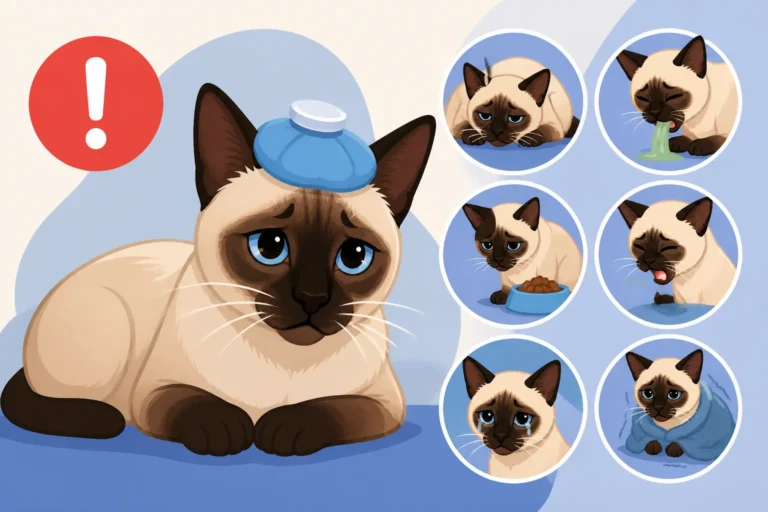
The insidious nature of amyloidosis means that early signs are often non-specific, easily mistaken for general malaise, or simply attributed to a cat "having an off day." Your Siamese cat, known for their lively and interactive personalities, might start to seem a little less enthusiastic. You might notice a slight decrease in appetite, where they don't finish their usual meals, or perhaps some pickiness. A gradual, unexplained weight loss, even if they're still eating, can be a red flag, as can intermittent lethargy or a general reduction in their usual playful energy. They might also appear to be drinking and urinating more if the kidneys are starting to be affected.
These are the kinds of changes that can be brushed off initially, especially given how good cats are at masking illness. The challenge lies in distinguishing these vague symptoms from the early stages of a fatal disease. Regular veterinary check-ups are paramount, as your vet might pick up on subtle changes like mild abdominal discomfort or early signs of jaundice (yellowing of the gums or whites of the eyes), which are more specific indicators of liver issues. Keep an eye out for signs a Siamese cat has liver amyloidosis and always consult your vet if you notice anything unusual.
Acute Crisis: Signs of Liver Rupture
While early signs are subtle, the acute crisis of a liver rupture is anything but. This is a terrifying, sudden event that requires immediate emergency veterinary attention. If your Siamese cat's liver ruptures, you will typically see a rapid and dramatic deterioration in their condition. They might suddenly collapse, appearing extremely weak and unable to stand. Their gums, usually a healthy pink, will become very pale or even white due to the internal blood loss. Their breathing will likely be rapid and shallow as their body struggles to compensate for the lack of oxygen-carrying red blood cells.
You might also notice a distended abdomen, which feels firm and painful to the touch as blood accumulates in the peritoneal cavity. The cat will often show signs of severe pain, perhaps crying out, hiding, or becoming unusually aggressive when touched. Vomiting and diarrhea can also occur. This is not a situation where you wait to see if things improve; this is a full-blown emergency where every minute counts. The speed at which a Siamese cat can die from a liver bleed is incredibly fast, making swift action the only hope for survival, however slim.
Diagnostic Challenges and Post-Mortem Confirmation
Diagnosing amyloidosis definitively in a live cat, especially before a crisis, is incredibly challenging. Routine blood work might show elevated liver enzymes, decreased albumin, or anemia, but these are non-specific and can indicate many other liver diseases. A vet might also run blood tests that flag amyloidosis in a Siamese cat through certain markers, but these are often not definitive for amyloid accumulation itself. An ultrasound can reveal changes in liver architecture, such as enlargement, abnormal texture, or free fluid in the abdomen (indicating internal bleeding), but it cannot directly identify amyloid deposits.
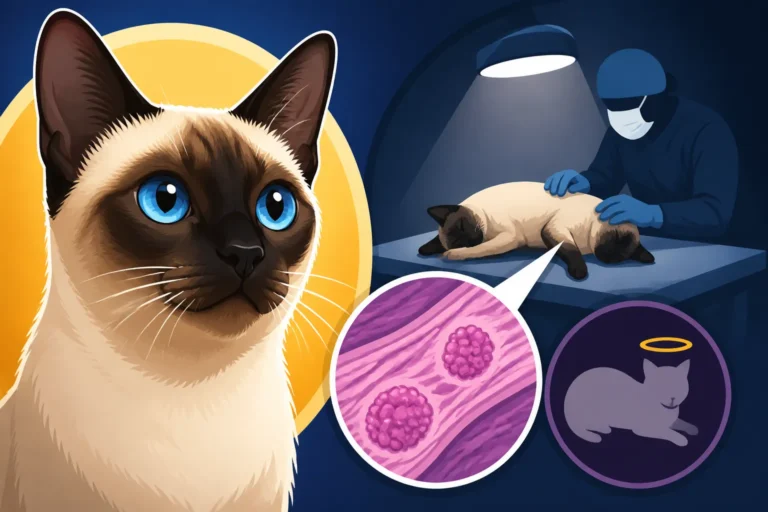
The gold standard for diagnosis is a liver biopsy, where a tissue sample is taken and examined under a microscope for the characteristic amyloid deposits. However, performing a liver biopsy on a cat with a fragile, amyloid-laden liver carries significant risks of hemorrhage, making it a dangerous procedure, especially if the liver is already compromised. Due to these diagnostic hurdles, coupled with the disease's silent progression, it's a grim reality that why Siamese cat amyloidosis is usually found after death through necropsy. This confirms the diagnosis but, tragically, comes too late for the beloved pet. This is where having comprehensive pet insurance from a provider like Healthy Paws could offer some peace of mind, knowing that if you choose to pursue aggressive diagnostics or emergency treatment, the financial burden won't be an insurmountable barrier on top of the emotional distress.
Life with Amyloidosis: Prognosis and Management
Coming to terms with a diagnosis of amyloidosis in your Siamese cat is incredibly difficult. The disease's aggressive nature, particularly when the liver is involved, often leaves owners feeling overwhelmed and searching for any glimmer of hope. Understanding the prognosis and available management options, however limited, is crucial for making informed decisions.
The Grim Reality of the Prognosis
Let's not sugarcoat it: the prognosis for Siamese cats diagnosed with amyloidosis, especially those with significant liver involvement or who have suffered a liver rupture, is generally very poor. This isn't a disease with a quick fix or a miracle cure. The underlying problem – the relentless deposition of misfolded amyloid protein – cannot be directly reversed or stopped once it has taken hold. When a Siamese cat suffers a liver rupture, the situation is dire. Even with immediate and aggressive veterinary intervention, the survival rate is low. The sheer volume of internal bleeding and the compromised liver function make recovery incredibly challenging.
For those cats diagnosed with systemic amyloidosis affecting the kidneys or other organs, the progression might be slower, but the disease is still ultimately fatal. The typical timeframe for how long a Siamese cat lives after an amyloidosis diagnosis varies greatly depending on the organs affected and the stage of diagnosis, but it often ranges from weeks to a few months, rarely extending much beyond a year. This harsh reality underscores the importance of focusing on quality of life and compassionate care during the time you have left with your cherished companion.
Supportive Care and Managing Symptoms
Since there is no direct cure for amyloidosis itself, treatment focuses entirely on supportive care and managing the symptoms to maintain the cat's comfort and quality of life for as long as possible. If a liver rupture occurs, emergency measures are paramount. This involves immediate hospitalization, intravenous fluids to combat shock, and often blood transfusions to replace lost blood and stabilize the cat. Medications to stop bleeding and manage pain are also critical. Unfortunately, surgery to repair a ruptured liver is rarely feasible due to the friable nature of the amyloid-laden tissue.
For cats with kidney involvement, supportive care includes fluid therapy to prevent dehydration and help flush toxins, dietary management with kidney-friendly foods to reduce the workload on the kidneys, and medications to control blood pressure and manage any protein loss. Appetite stimulants, anti-nausea medications, and pain relief are also vital for overall comfort, regardless of the affected organ.
One medication that has shown some promise in slowing the progression of amyloidosis in other breeds (like the Abyssinian) when diagnosed early is colchicine. However, its effectiveness specifically for liver amyloidosis in Siamese cats is less clear, and it’s often used off-label. Discussing which drugs slow amyloid in a Siamese cat with your vet is important, but expectations should be realistic. The costs associated with such intensive, ongoing supportive care, emergency interventions, and specialized medications can quickly become substantial. This is where a robust pet insurance policy, such as those offered by Healthy Paws, can be an absolute lifesaver. Knowing that the financial burden of these treatments is lessened can allow you to focus purely on your cat's well-being and pursue every possible avenue of care without added stress.
Preventing and Living with the Risk
Given the devastating nature of amyloidosis and the challenges in diagnosing it, prevention and proactive management of risk become incredibly important for Siamese cat owners and breeders. While eliminating the risk entirely might not be possible, understanding what you can do is key.
The Breeder's Role and Difficult Decisions
Responsible breeding practices are the cornerstone of reducing the incidence of inherited diseases like amyloidosis. Even without a specific DNA test, breeders have a crucial role to play. This involves meticulous record-keeping and careful pedigree analysis. A responsible breeder will track the health and longevity of all their breeding cats and their offspring, paying close attention to any instances of early or unexplained deaths, especially those attributed to liver or kidney disease. If amyloidosis is known to have occurred in a cat's lineage, ethical breeders will make difficult decisions about whether to breed that cat or its close relatives, even if the cat itself appears healthy.
This often means taking specific steps to limit the breeding of certain lines, effectively removing potentially affected or carrier cats from the gene pool. It requires honesty, transparency, and a deep commitment to the welfare of the breed. Prospective owners should always ask breeders about the incidence of amyloidosis in their lines and demand detailed health records for the parents and, if possible, their previous offspring. While challenging, this careful approach to selecting breeding animals is currently the best defense against passing on this devastating genetic predisposition. A good breeder understands that what a Siamese cat breeder should have screened goes beyond just common tests.
What You Can Do as an Owner
As an owner, living with the knowledge of amyloidosis risk in your Siamese cat can be daunting. The most important thing you can do is to be vigilant and proactive about their health. Schedule regular veterinary check-ups, ideally twice a year, especially as your cat approaches middle age. Be an active observer of your cat's behavior and habits. Any subtle changes – a slight dip in appetite, a new reluctance to play, increased thirst, or a dullness in their coat – warrant a call to your vet. You know your cat best, and your instincts are invaluable.
While diet doesn't cause or cure amyloidosis, a high-quality, balanced diet that supports overall organ health is always beneficial. Minimizing stress and providing a stable, enriched environment can also contribute to overall well-being, though it won't prevent amyloid deposits. Perhaps most importantly, consider investing in pet insurance for your Siamese cat from a reputable provider like Healthy Paws early in their life, before any symptoms emerge. If, God forbid, your cat is diagnosed with amyloidosis and requires extensive diagnostics, emergency care, or long-term supportive treatments, having that financial safety net can make an unimaginable difference. It allows you to make care decisions based on your cat's needs, rather than your wallet, offering crucial peace of mind against the sudden, catastrophic costs associated with this unpredictable disease.
Here’s a quick overview of what amyloidosis often does to the primary organs it affects in Siamese cats:
| Organ Affected | Primary Impact | Symptoms Often Seen | Acute Crisis Potential | Prognosis |
|---|---|---|---|---|
| Liver | Accumulation of amyloid protein replaces healthy liver cells, leading to impaired liver function. | Lethargy, decreased appetite, weight loss, jaundice (yellowing), vomiting. | High: Sudden liver rupture leading to massive internal bleeding and shock. | Poor to Grave, especially with rupture. |
| Kidneys | Amyloid deposits damage the filtering units (glomeruli), leading to protein loss and inability to filter toxins. | Increased thirst and urination, weight loss, lethargy, poor coat, decreased appetite. | Lower: Typically a more gradual decline, but can lead to acute renal crisis. | Guarded to Poor, progressive. |
| Other Organs (e.g., Spleen, GI tract, Adrenals) | Amyloid deposition can cause organ enlargement or dysfunction, depending on the site. | Varies greatly based on location; could include digestive upset, weakness. | Low: Less common as a primary acute crisis site compared to the liver. | Variable, generally less severe if not affecting vital organs extensively. |
Disclaimer
This article is intended for informational purposes only and does not constitute veterinary advice. The information provided should not be used as a substitute for professional veterinary care. If you have concerns about your Siamese cat's health, please consult with a qualified veterinarian immediately.