Whether the Siamese Cat Was a Temple Cat
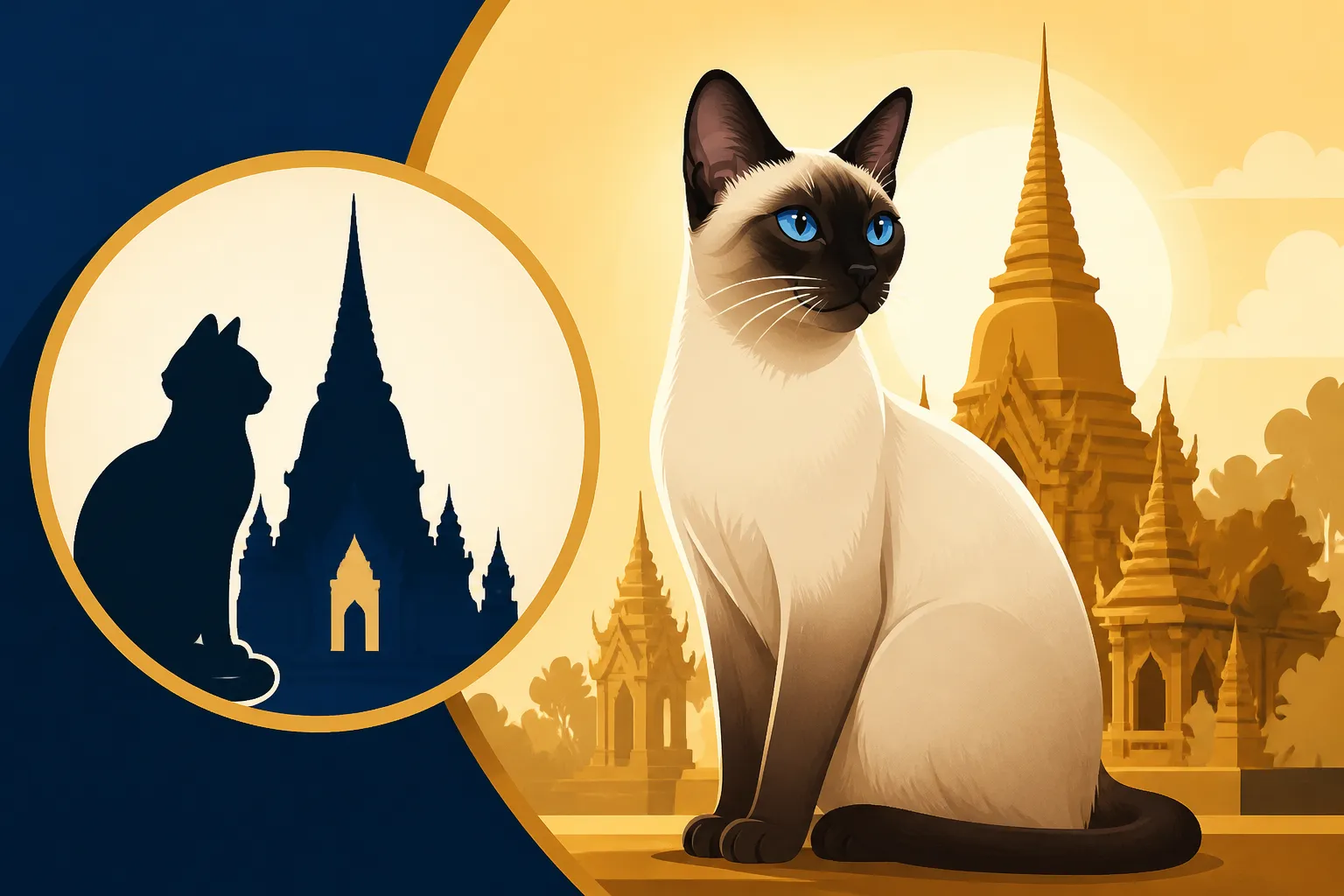
Many of us have a romantic image of the Siamese cat, envisioning them as regal guardians in ancient Thai temples, perched majestically, overseeing sacred rituals. This popular belief is deeply ingrained, perpetuated by charming stories and captivating illustrations. However, the reality of the Siamese cat's historical role is often quite different from the legends. This guide will delve into the true origins and societal standing of these magnificent felines in their homeland, separating fascinating myth from documented fact.
The Enduring Allure of the "Temple Cat" Narrative
It’s easy to understand why the idea of Siamese cats as temple guardians or sacred animals resonates so strongly with people. Their striking appearance, intelligent gaze, and distinctive vocalizations lend themselves perfectly to a mystical, ancient backstory. This narrative paints a picture of a cat breed so special, so revered, that it was entrusted with the spiritual well-being of a nation or the protection of its most sacred places. It adds an extra layer of mystique and exoticism to an already captivating animal, making them even more desirable as companions.
Why the Myth Persists
The idea of a "temple cat" often stems from a blend of genuine respect for animals in certain cultures and the romanticized storytelling that accompanies foreign breeds entering Western societies. When Siamese cats first arrived in the West, their unique look and origins from "Siam" (now Thailand) were ripe for embellishment. Tales of royalty and sacred duties made them more intriguing, more valuable, and certainly more memorable. It's human nature to gravitate towards a good story, and the notion of a cat with a spiritual calling is undeniably enchanting.
Think about how many times you’ve heard someone say, "Oh, they used to guard temples, you know," when discussing a Siamese cat. It's a testament to the power of this narrative. It taps into our desire for a deeper connection with our pets, imagining them as descendants of animals with profound historical significance. This isn't to say that cats weren't appreciated, but rather that their specific "temple guardian" role might be more fiction than fact.
The Impact of Romanticized Origins on Breed Perception
This romanticized origin story shapes how we view Siamese cats even today. Owners often feel a heightened sense of pride and connection, believing their companion embodies an ancient, noble spirit. It contributes to the breed's allure and prestige, sometimes influencing the perceived value or desirability of these cats. This perception can even affect how people search for and choose a Siamese, often seeking out breeders who emphasize the "traditional" or "ancient" lines, subconsciously linking them to these legendary tales.
It also creates a certain expectation about the cat's personality – aloof, dignified, wise – even though modern Siamese cats are known for being quite the opposite: outgoing, talkative, and extremely affectionate. The gap between the historical myth and the contemporary reality can be quite amusing for those who live with these vocal, demanding, and utterly charming companions.
Unpacking the Historical Context of Cats in Siam
To understand whether Siamese cats truly were temple guardians, we need to look at the broader historical role of cats in their native land, Siam. The region now known as Thailand has a long and rich history of coexisting with felines, but their specific functions often differed from the grand, protective roles imagined in Western folklore.
General Respect for Cats in Ancient Thailand
In ancient Thailand, as in many parts of Southeast Asia, cats were generally well-regarded. They were valued for their practical skills, particularly in keeping rodents away from food stores and homes. This practical utility naturally fostered a respectful relationship between humans and cats. Unlike some cultures that viewed cats with suspicion or as symbols of evil, Thai culture largely saw them as beneficial animals.
There's a deep-seated reverence for all life in Buddhist traditions, which is prevalent in Thailand. While not specifically elevating cats to divine status, this general ethic certainly contributed to their kind treatment. A cat was a creature to be cared for, fed, and allowed to go about its business, contributing to the household's well-being. This respect is a far cry from the utilitarian approach to vermin control sometimes seen elsewhere.
The Role of Animals in Thai Royal and Religious Life
While animals often played symbolic roles in royal and religious life, this rarely extended to specific breeds performing guardian duties within temples. Elephants, for example, held immense cultural and symbolic significance, often associated with royalty and even deities. Birds, too, had their place in symbolic art and religious narratives. Cats, while valued, didn't typically feature in the same high-profile symbolic capacities that would suggest them as temple guardians.
They were part of the natural landscape of temples and palaces, much as they might be in any large, ancient complex where food was stored and people gathered. Cats would naturally find homes in such places, benefiting from the shelter and scraps, and in turn, keeping rodent populations down. This makes them present in temples, but not necessarily guardians. It's a subtle but important distinction.
What the Tamra Maew Reveals About Siamese Cats
The most important historical document for understanding the origins of the Siamese cat is the "Tamra Maew," or "Cat Poems." This ancient manuscript, believed to date back several centuries, describes and illustrates various types of cats considered lucky in Siam. It’s our best window into how these cats were viewed and valued.
Descriptions of the Wichianmat
The "Tamra Maew" specifically describes a cat type called the "Wichianmat," which is widely considered to be the ancestor of the modern Siamese cat. The descriptions in the manuscript perfectly match the characteristics we associate with the Siamese today: the striking point coloration, the elegant body, and the distinctive blue eyes. It details their appearance and the auspicious qualities they were believed to possess.
For example, the text often highlights their contrasting points – dark ears, face, paws, and tail against a lighter body – and mentions their "sapphire" eyes. These vivid descriptions demonstrate that these cats were certainly noticed and appreciated for their unique beauty. But what exactly was that appreciation rooted in? It wasn't about martial prowess or guarding skills, but more about aesthetic beauty and the good fortune they were thought to bring. You can learn more about this by reading What the Tamra Maew Manuscripts Show About the Siamese Cat.
Absence of Temple Guardian Roles
Crucially, while the "Tamra Maew" lists various lucky cats and their physical traits, it does not describe any specific role for the Wichianmat, or any other cat, as a "temple guardian." The focus is on their appearance and the good fortune they bring to a household, not on their duties defending sacred artifacts or spiritual sites. They were seen as auspicious companions for people, often royalty or wealthy families, due to their unique beauty and perceived ability to ward off evil or bring prosperity.
If Siamese cats were truly the revered protectors of temples, you would expect such a significant role to be highlighted in a document dedicated to these very cats. The absence of such mentions strongly suggests that this popular Western myth doesn't align with the historical records from their homeland. Their value lay in their beauty and symbolic luck, not in any active protective capacity within a religious institution.
The "Royal Cat" Connection Versus Temple Guarding
Perhaps the source of the "temple cat" myth lies in a misunderstanding or conflation of the Siamese cat's actual association with royalty, which is historically supported, with the idea of religious institutions. While not temple guardians, these cats certainly had a high status.
Siamese Cats as Pets of Royalty
Historical accounts and the "Tamra Maew" itself strongly suggest that Wichianmat cats were favored pets of the Siamese royal family and nobility. Their striking appearance made them rare and valuable, symbols of prestige and good taste. Owning such a distinctive cat would have been a mark of status, much like owning exotic birds or finely bred horses in other cultures. They weren't just common household cats; they were special companions for those in power.
This connection to royalty is a documented fact and likely contributed to their elevated status and care. Imagine the envy of a commoner seeing a royal Siamese cat lounging in a palace courtyard, impeccably cared for. The journey of these cats to the West further solidified this image, as they were often presented as gifts from the King of Siam to foreign dignitaries, reinforcing their royal pedigree. For more on this, check out Whether Only Royalty Kept the Siamese Cat.
The Symbolic Power of Royal Ownership
The king and his court were often deeply intertwined with the religious life of the country. A royal pet, therefore, might indirectly be associated with religious sanctity simply by virtue of its owner. It's plausible that cats living in palaces, which were often adjacent to or contained their own chapels and temples, would be seen roaming these sacred grounds. This proximity could easily lead to the misconception that they were part of the religious establishment rather than simply pets of the royal family.
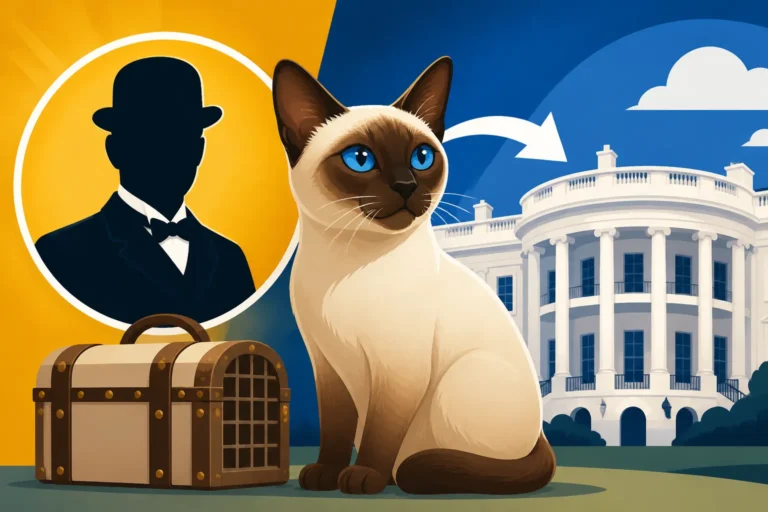
The idea of them being cherished by royalty, therefore, easily transformed into the narrative of "temple cats" as the stories traveled and were interpreted through different cultural lenses. It’s a bit like assuming a presidential dog is also guarding the national archives because it lives at the White House. The association is there, but the role is different. Modern Siamese cat owners still enjoy this connection to royalty, often treating their own cats with regal pampering, sometimes even purchasing specialty items from retailers like Chewy to ensure their "royal" pets are always comfortable and entertained.
The Evolution of the "Temple Cat" Narrative in the West
When the Siamese cat first made its way to Europe and America in the late 19th century, it arrived as an exotic rarity from a distant, mysterious land. The stories that accompanied these cats, or that were later created around them, played a significant role in shaping public perception.
Early Western Interpretations and Exaggerations
The early Western audiences were captivated by these unique cats. Their blue eyes, dark points, and slender bodies were unlike anything commonly seen. It was a time when tales of the "Orient" were often embellished with exoticism and wonder. Missionaries, explorers, and diplomats brought back not just the cats but also fragmented stories and interpretations of their lives in Siam. These stories, naturally, were often exaggerated or romanticized to make them more appealing to a Western audience.
Consider the legends about their kinked tails and crossed eyes – stories of them guarding royal goblets or staring intently at a queen giving birth. While charming, these are almost certainly folkloric explanations for physical traits, not historical accounts. The Temple Legends Behind a Siamese Cat's Kinked Tail offers a deeper dive into these fascinating tales. Similarly, the idea of "temple cats" likely grew out of a desire to attribute an even grander, more spiritual role to these already impressive animals, making them seem more mystical and ancient.
The Role of Media and Popular Culture
Over time, popular culture embraced and further solidified these romanticized notions. Books, films, and even cartoons often depicted Siamese cats in roles that hinted at their mysterious, ancient origins. Think of the "Siamese cats" in Lady and the Tramp, while certainly not accurate depictions of the breed's temperament or historical role, they nonetheless contributed to the image of exotic, clever, and sometimes mischievous felines.
This cultural reinforcement meant that the "temple cat" story became almost synonymous with the breed, regardless of historical accuracy. Once a narrative takes hold in the popular imagination, it becomes very difficult to dislodge, even with factual evidence. It's a testament to the power of storytelling and the enduring appeal of a mysterious past. Today, people still flock to cat shows and rescues, hoping to find a cat that embodies that blend of ancient mystique and modern charm, often finding everything they need for their new companion, from food to beds, conveniently at places like Chewy.
Debunking the Myths: Separating Fact From Fiction
It's important to approach these romantic tales with a critical eye, appreciating them for their charm while understanding the historical realities. The truth often isn't as grand, but it's still fascinating.
Lack of Archaeological and Textual Evidence
One of the strongest arguments against the "temple cat" theory is the sheer lack of concrete evidence. While there is a rich history of cats in Thailand, and the "Tamra Maew" provides valuable insights, no archaeological findings or additional historical texts directly support the idea of Siamese cats being designated temple guardians. There are no murals, carvings, or detailed written accounts depicting them in such official capacities within religious structures.
Contrast this with, for example, ancient Egyptian art, which frequently shows cats in various aspects of daily life, some with clear religious significance. If Siamese cats held such an important religious function, it's highly probable that some form of enduring record would exist. Their absence points to the idea being a later, Western-conceived romantic notion rather than an indigenous historical reality.
Practicalities of Temple Life
From a practical standpoint, assigning small, territorial animals like cats as "guardians" of sacred sites might not have been the most efficient or logical choice. Temples typically had human guards or other security measures for valuable artifacts. Cats, while intelligent and alert, are not known for confronting human intruders or standing sentry. Their primary "guarding" function would have been against rodents, a task they excel at, but one that falls far short of the romanticized image.
It's more realistic to imagine cats simply living within temple grounds, perhaps tolerated or even welcomed for their vermin control, much like barn cats or stable cats in other cultures. They would have been part of the ecosystem, not specifically trained or appointed guardians.
To summarize the difference between myth and reality, consider this table:
| Aspect | Popular Myth (Western Perception) | Historical Reality (Based on Thai Records) |
|---|---|---|
| Primary Role | Sacred Temple Guardians | Valued Household Pets, Rodent Control |
| Associated With | Religious Institutions, Spiritual Duties | Royalty and Nobility |
| Evidence in "Tamra Maew" | Absent | Detailed physical descriptions, auspicious qualities |
| Cultural Significance | Spiritual Protection | Good Fortune, Prestige, Aesthetic Beauty |
| Guard Duties | Active Defense of Sacred Sites | Passive Vermin Control |
The True Legacy of the Siamese Cat
So, while the "temple cat" narrative makes for a lovely story, the true legacy of the Siamese cat is perhaps even more compelling. They were cherished companions of royalty, symbols of elegance and good fortune, and practical partners in keeping homes free of pests. Their striking appearance and unique personalities made them stand out, leading them to be exported as esteemed gifts and eventually becoming one of the most beloved and recognizable cat breeds worldwide.
Their intelligence, vocal nature, and deep bond with their human families are traits that don't need the embellishment of mythical guardianship to be utterly captivating. Knowing their actual history—as favored pets of kings and queens, celebrated for their beauty and auspicious nature—is a story rich enough to stand on its own. It's a testament to their intrinsic appeal that they became so revered, even without a formal "temple guardian" title.
Conclusion: Appreciating the Real History of the Siamese Cat
The image of the Siamese cat as a temple guardian is a beautiful and enduring myth, one that adds an undeniable layer of mystique to an already enchanting breed. It's a testament to our desire to imbue our beloved pets with grand, ancient histories. However, when we look at the historical records and cultural context of Siam, the picture that emerges is one of a cat deeply cherished, but primarily as a valued companion of royalty and nobility, prized for its unique beauty and auspicious qualities, rather than as a protector of sacred sites.
The "Tamra Maew" provides clear evidence of their revered status, focusing on their distinct appearance and the good fortune they brought to a household. While cats undoubtedly roamed temple grounds, their presence was more likely due to practical reasons like rodent control and the general acceptance of animals in Buddhist societies, not a formal, spiritual guardianship. Understanding this distinction doesn't diminish the Siamese cat's allure; if anything, it enhances it. Their journey from royal pets in Siam to beloved companions across the globe is a fascinating story in its own right, one that speaks volumes about their captivating charm and enduring appeal. Whether you call them royal cats, traditional cats, or just your noisy best friend, the Siamese cat's place in history, and in our hearts, is truly special.
Disclaimer
This article is for general informational purposes only and does not constitute professional advice. Laws, prices and regulations vary by location and change over time. Consult a qualified professional for guidance on your specific situation.