Whether Only Royalty Kept the Siamese Cat
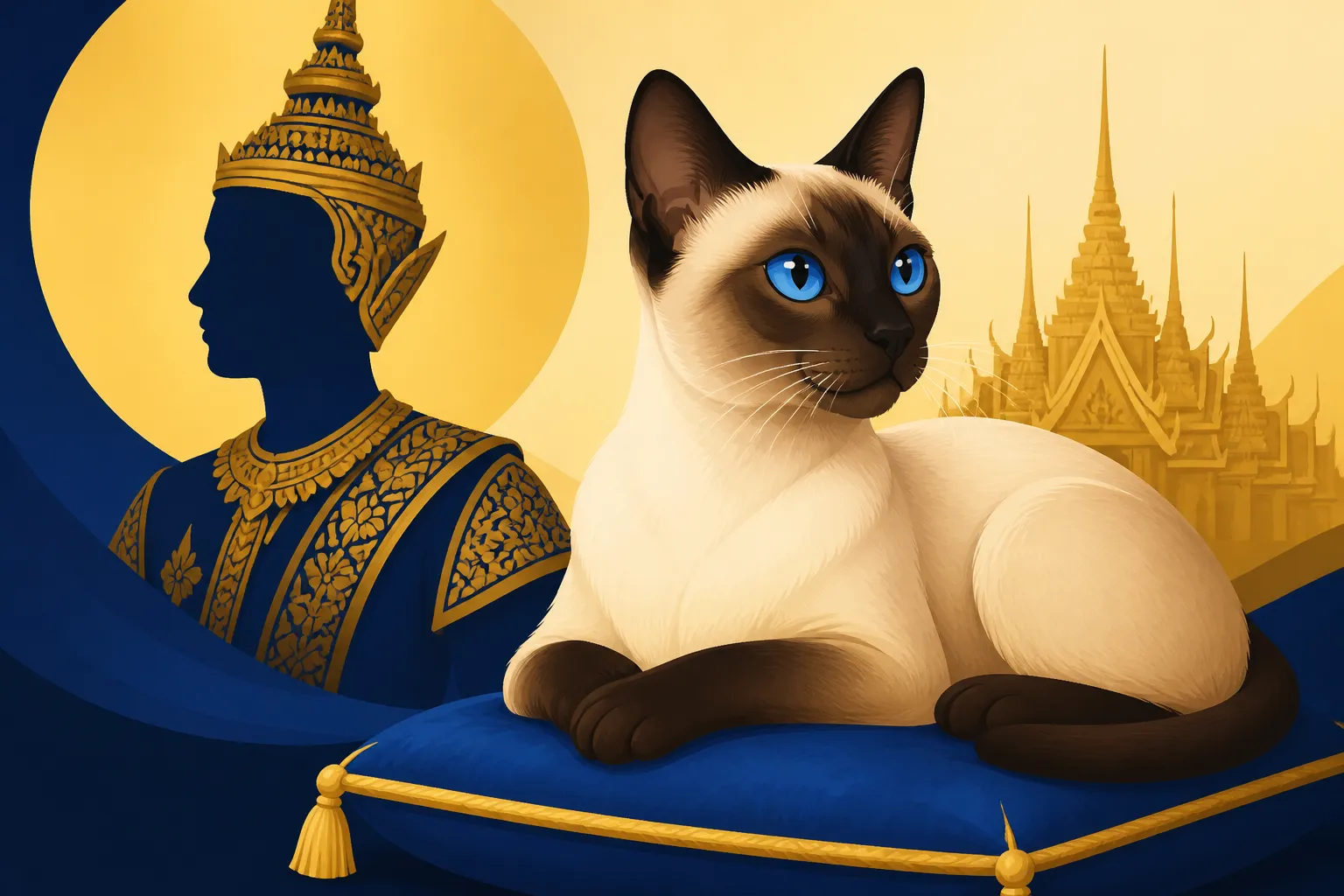
There's a persistent, romantic notion that Siamese cats, with their striking blue eyes and elegant demeanor, were once the exclusive companions of royalty in ancient Siam. We've all heard the tales of these regal felines guarding temples and accompanying kings, leading many to believe they were untouchable by common folk. But is this really the full picture? This guide will dive deep into the fascinating history and cultural significance of the Siamese cat, separating the captivating legends from the everyday realities of their lives in their homeland.
The Enduring Allure of the "Royal Cat of Siam"
The very name "Siamese" conjures images of majestic palaces and ancient ceremonies, and it's no wonder. For centuries, these cats have been associated with a certain mystique and nobility. It’s a powerful image, one that has been reinforced by stories and even the early descriptions of the breed when they first arrived in the Western world. When we imagine a cat of such distinctive beauty and vocal personality, it’s easy to believe they were reserved for the highest echelons of society.
The "Royal Cat of Siam" Title
The designation "Royal Cat of Siam" wasn't just a casual nickname; it was a title that conveyed status and reverence. In the Western world, particularly during their introduction in the late 19th century, this label was heavily emphasized. It painted a picture of rarity and exclusivity, making them even more desirable to European and American enthusiasts. This perception was often what drew people to seek out and acquire these cats, creating an aura of luxury around them. However, it's important to consider if this title reflected a strict ownership restriction or if it was more a poetic acknowledgment of their esteemed place within the culture of Siam. The cat's elegant appearance, intelligent gaze, and often demanding personality certainly lent themselves to such a grand title, making them seem like living jewels.
Legends of Royal Guardianship
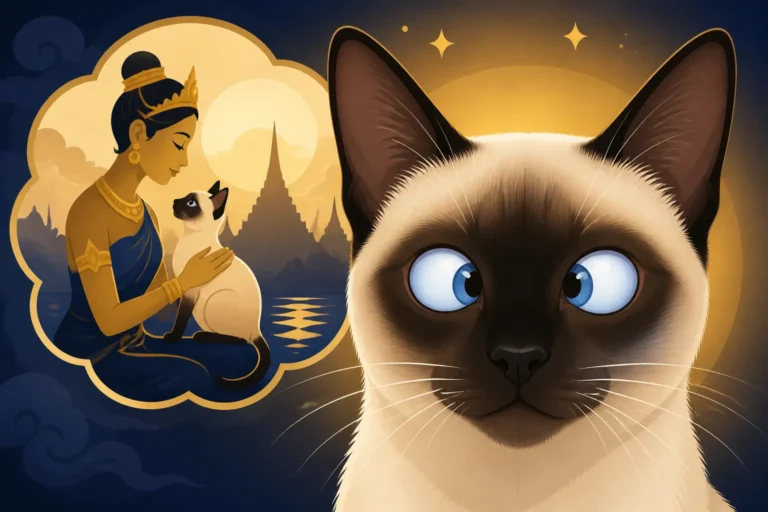
Many of the most captivating legends surrounding Siamese cats tie them directly to royalty and sacred spaces. One popular story tells of Siamese cats guarding golden chalices in temples, their tails kinking from gripping the precious objects too tightly and their eyes crossing from staring intently at the treasures. Another romantic tale describes them as companions to princesses, protecting them from danger and even serving as the vessels for souls transitioning to the afterlife. These narratives, rich in imagery and cultural significance, undoubtedly contributed to the idea that Siamese cats were not just pets, but sacred beings inextricably linked to the monarchy and religious institutions. You can read more about these tales in Which Legend Explains a Siamese Cat's Kinked Tail and Why a Siamese Cat's Eyes Cross in the Legend. These legends, whether literal or symbolic, show a profound respect for the cats and suggest a special role, even if not exclusive royal ownership.
Beyond the Palace Walls: Evidence of Siamese Cats in Common Households
While the royal connection is undeniably strong and historically significant, historical records and cultural practices suggest that Siamese cats, or at least their ancestors, were not solely confined to royal palaces or temples. The reality of ancient Siam was likely more nuanced, with these distinctive felines having a broader presence in society than the popular Western narrative often implies.
Historical Records and Local Folklore
Looking back at ancient texts and illustrations from Siam, such as the Tamra Maew (also known as "The Cat-Book Poems"), we find fascinating insights. This manuscript, which dates back centuries, describes and illustrates several different types of cats native to Siam, including the Wichianmat, which is the direct ancestor of what we know today as the Siamese cat. While some of these cats were indeed depicted in grand settings, the Tamra Maew itself was likely a guide or a record for people across different social strata, not just royalty. It details characteristics, colors, and even superstitions associated with various cats, indicating a wider familiarity and appreciation for them throughout the population.
Think about it: for a breed to develop and thrive over centuries, there had to be a certain level of interaction and breeding beyond just a tightly controlled royal lineage. Genetic diversity wouldn't have been sustainable if only a handful of royal cats were bred. Local folklore and oral traditions, though harder to verify with written records, often speak of cats like the Wichianmat being common sights in villages and homes, valued for their mousing abilities and their unique personalities. They were part of the fabric of daily life, not just ceremonial ornaments. These historical snapshots suggest that while royalty certainly cherished them, they weren't the only ones to recognize their value.
Siamese Cats as Working Animals
Before they became purely companion animals, cats, including the ancestors of the Siamese, often earned their keep. They were incredibly effective pest controllers. In an agricultural society like ancient Siam, keeping rats and mice out of granaries, homes, and even temples was crucial for survival and hygiene. A cat with the intelligence and athleticism of a Siamese would have been highly prized for its hunting prowess.
Imagine a small farming family, struggling to protect their meager rice stores from rodents. A quick, alert, and vocal cat like the Wichianmat would have been an invaluable asset, safeguarding their livelihood. These cats weren't just decorative; they were functional members of the household. This practical role contradicts the idea of them being solely ornamental pets for the elite. A cat that can keep your home clear of vermin is a cat that every household, regardless of social standing, would want. This utilitarian aspect of their lives is often overlooked in the romanticized Western view, but it paints a more realistic picture of their broad presence in Siamese society.
The Role of Monasteries and Temples: Siamese Cats as Sacred Guardians
Beyond the royal palaces, another significant domain for Siamese cats in their homeland was within the sacred walls of monasteries and temples. This wasn't necessarily an exclusive arrangement, but it certainly cemented their revered status and broadened their presence beyond just royal ownership.
Valued Companions of Monks and Priests
Buddhist monasteries in Siam were not just places of worship; they were centers of learning, community, and sometimes even places of refuge for animals. It's plausible, and indeed often suggested by historical accounts and local traditions, that cats like the Wichianmat were kept by monks and priests. These cats would have offered companionship in often solitary lives, and their calm, watchful presence would have been appreciated.
Monks, living lives of simplicity and devotion, would have valued creatures that could contribute to the peaceful and clean environment of the temple. A cat's natural hunting instincts would have helped keep vermin away from sacred texts and offerings, a practical benefit that cannot be overstated. This suggests a symbiotic relationship, where the cats found a safe home and care, and in return, they provided companionship and utility. Their presence in these holy places would have naturally imbued them with an aura of sanctity and respect, even if they weren't "owned" by royalty. Their association with spiritual leaders further elevated their status, making them revered figures without being solely the property of kings.
Symbols of Good Fortune and Protection
In many cultures, animals associated with religious institutions take on symbolic meanings. For the Siamese cat in the context of temples, this was no different. They were often seen as symbols of good fortune, bringers of prosperity, and protectors against evil spirits. Their striking appearance, particularly their piercing blue eyes, might have contributed to this perception, making them seem otherworldly or especially blessed.
This belief system meant that while a Siamese cat might not have belonged to a king, a temple cat was still a highly respected and cared-for creature. It wasn't about who held the deed to the cat, but rather the cat's inherent value and the spiritual significance it brought to its environment. This explains why they were often depicted in art and folklore in ways that transcend mere pet ownership, portraying them as integral to the spiritual well-being of the community. So, while royalty certainly revered them, the spiritual reverence extended far beyond the monarchy, highlighting their presence and importance across different societal layers.
The Great Export: How Siamese Cats Reached the West
The journey of the Siamese cat from the temples and palaces of Siam to homes around the world is a fascinating tale, largely driven by diplomacy and curiosity. This era marks a pivotal shift in how these cats were perceived and distributed.
Gifts to Foreign Dignitaries
One of the primary ways Siamese cats left their homeland was as diplomatic gifts. Kings of Siam, keen to foster good relations with Western powers, would present these exotic and beautiful cats to visiting dignitaries, ambassadors, and even heads of state. This practice, recorded in various historical accounts, solidifies their "royal" image in the minds of Westerners. It wasn't just any cat; it was a special, rare gift from a monarch.
A prime example is the Siamese cat named Siam, gifted by the King of Siam to U.S. President Rutherford B. Hayes in 1878. This event, chronicled in Who Sent Siam the Siamese Cat to the Hayes White House, was a significant moment in the breed's introduction to America. Such gestures ensured that the cats arriving in the West were initially associated with high status and international diplomacy, further strengthening the narrative of their royal origins. These were not cats purchased from a market; they were treasured tokens of friendship between nations, underscoring their unique value.
Early Western Impressions and Breeding
When the first Siamese cats arrived in Europe, particularly in Britain in the late 19th century, they were met with awe and curiosity. People had never seen anything quite like them. Their sleek bodies, distinctive point coloration, and loud, demanding voices were unlike any domestic cat known in the West. This novelty factor, combined with the stories of their royal lineage, created an immediate sensation.
Early breeders in the West took great care in establishing the breed, often working with a limited gene pool from these initial diplomatic gifts. The mystique surrounding their origins only added to their desirability. Breeders, fanciers, and the public alike were captivated by the "Royal Cats of Siam," and this impression of exclusivity became deeply ingrained. The initial rarity and the sheer cost and effort involved in importing them meant that early Western owners were typically affluent individuals, which further reinforced the idea that these were cats for the privileged. This led to a focused effort to develop the breed, carefully selecting for traits that would come to define the modern Siamese. Many contemporary Siamese cat owners still choose to feed their cats high-quality, specialty foods, readily available from online retailers like Chewy, a far cry from the unknown diets of their royal ancestors.
Dispelling the Myth: The Reality of Siamese Cat Ownership in Old Siam
It's clear that the idea of Siamese cats being exclusively owned by royalty in ancient Siam is a pervasive myth, albeit a beautifully romantic one. The truth, as often happens with history, is far more complex and interesting.
A Spectrum of Ownership
Instead of exclusive royal ownership, it's more accurate to think of a spectrum. At the top, yes, kings and queens, princes and princesses, certainly kept Siamese cats within their palaces. These cats would have enjoyed the finest care, perhaps even elaborate accessories, and would have been treated as living symbols of the monarchy's elegance and wealth. Their presence in court added to the opulence and exoticism of the royal household, much like rare birds or horses. They were a prized possession, and their vocal nature perhaps even allowed them to "speak" to their royal companions.
However, moving down the societal ladder, we would have found these cats in the homes of nobility and wealthy merchants, who could afford to keep such distinctive and perhaps rare animals. For them, a Siamese cat would have been a status symbol, a visible indicator of their prosperity and refinement. As we've discussed, temple cats held significant spiritual value, nurtured by monks and respected by the surrounding communities. And finally, in common households, these cats were likely valued as both practical pest controllers and beloved companions. They might not have eaten from golden bowls, but they would have been cherished members of the family, sharing in the daily lives of their human counterparts. It was less about who could own one, and more about who did, for varying reasons.
The Role of Accessibility and Perception
The perception of exclusivity was largely an external projection, especially once the cats began to be exported. For Westerners, encountering such a unique and visually striking animal, coupled with stories of its royal origins, naturally led to the belief that it must have been rare and restricted. In Siam itself, while certainly highly regarded, the native Wichianmat was simply a cat. A special cat, yes, but not necessarily one that was off-limits to everyone outside the palace walls.
Consider the practicalities: if only royalty owned them, how would the breed have propagated widely enough to be found in sufficient numbers to be given as gifts? The logistical challenges alone suggest a broader base. The "royal cat" narrative served as excellent marketing for Western breeders and enthusiasts, elevating the cat's status and desirability. It was a compelling story that sold well. Today, of course, anyone can own a Siamese cat, but the careful breeding practices continue, ensuring their unique traits are preserved. Modern Siamese cats, like their ancestors, benefit from good nutrition, and many owners purchase specialized food and treats from places like Chewy to ensure they get the best.
Here's a table summarizing the different historical roles of the Siamese cat in Siam:
| Role/Context | Primary Association | Nature of Ownership/Care | Cultural Significance | Exclusivity Level (in Siam) |
|---|---|---|---|---|
| Royal Palaces | Kings, Queens, Royalty | Exclusive, highly pampered, ceremonial | Status symbol, living art, diplomatic gift | High |
| Noble Households | Aristocracy, Wealthy | Prized pets, enjoyed good care | Indicator of wealth, prestige | Medium |
| Monasteries/Temples | Monks, Priests | Companionship, pest control, cared for by the sangha | Sacred guardians, symbols of good fortune | Low to Medium |
| Common Households | Farmers, Villagers | Working animals (mousers), family companions | Valued for utility, everyday affection | Low |
This table helps illustrate that while the royal connection was significant, it was far from the only context in which Siamese cats existed in their homeland.
The Modern Siamese Cat: From Sacred to Beloved Companion
Today, the Siamese cat has transcended its ancient origins and legendary status to become one of the most beloved and recognizable cat breeds worldwide. Their journey from the royal courts and temples of Siam to homes across continents is a testament to their enduring appeal.
A Global Phenomenon
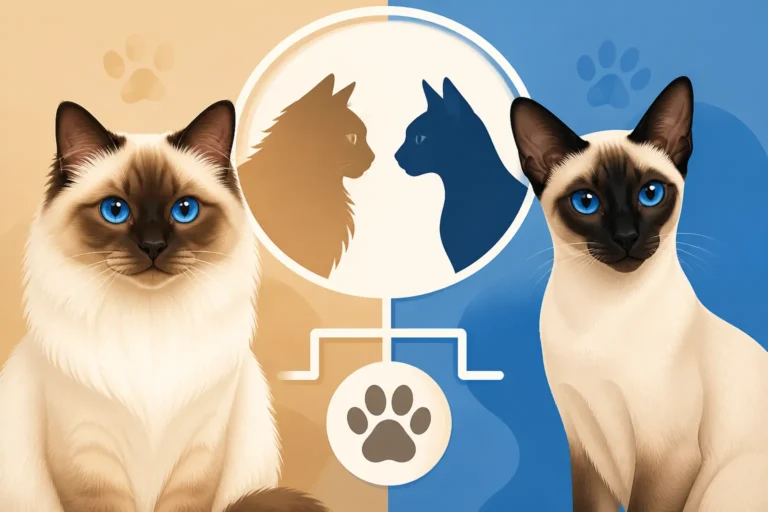
The dramatic entry of Siamese cats into the Western world led to widespread fascination. Their unique appearance, combined with their highly interactive and vocal personalities, quickly made them a favorite among cat enthusiasts. They became a symbol of elegance and exotic beauty, gracing cat shows and becoming sought-after pets. The early efforts to establish the breed and define its standards ensured its continued popularity. While their numbers might fluctuate, the Siamese cat consistently remains a top choice for those seeking a cat with personality and striking looks. The breed's development in the West also led to variations, giving rise to other breeds like the Oriental Shorthair, which shares many traits with its Siamese ancestor. More on this can be found in How the Oriental Shorthair Came From the Siamese Cat.
This global appeal means that today, you don't need royal blood or an ancient temple connection to bring a Siamese into your life. They are found in diverse households, from bustling city apartments to quiet suburban homes, proving that their charm truly knows no bounds. Their vocal nature and intense bonding with their humans make them incredibly engaging companions for anyone prepared for their unique character.
What the Legacy Means for Today's Owners
For modern Siamese cat owners, understanding the breed's rich history, including its royal and spiritual associations, adds a layer of depth to their relationship with these incredible felines. Knowing that their ancestors were revered by kings and monks alike can make you feel a connection to that ancient world. It helps explain the innate dignity and sometimes imperious nature of a Siamese cat, reminding you that you're not just living with a pet, but with a living piece of history.
It also highlights the responsibility we have as owners to provide the best possible care. While they may no longer be guarding royal chalices, they still deserve a diet that caters to their energetic metabolism and intelligent minds. Modern owners often explore options like puzzle feeders from Chewy to keep their clever Siamese stimulated, reflecting a contemporary approach to enrichment that honors their ancestors' sharp instincts. Their health, once perhaps a matter of royal decree, is now in our hands, demanding regular vet check-ups and attention to common breed-specific issues. How Healthy the Siamese Cat Actually Is offers a good overview of what modern owners need to know about Siamese health.
In essence, while the myth of only royal ownership has been largely dispelled, the royal legacy of the Siamese cat continues to inform our appreciation for these magnificent creatures. They are no longer exclusive to any class or country, but their regal bearing and captivating presence ensure they remain truly special companions for all who welcome them into their homes.
Disclaimer
This article is for general informational purposes only and does not constitute professional advice. Laws, prices and regulations vary by location and change over time. Consult a qualified professional for guidance on your specific situation.