Whether Siamese Cats Really Guarded Temple Vases
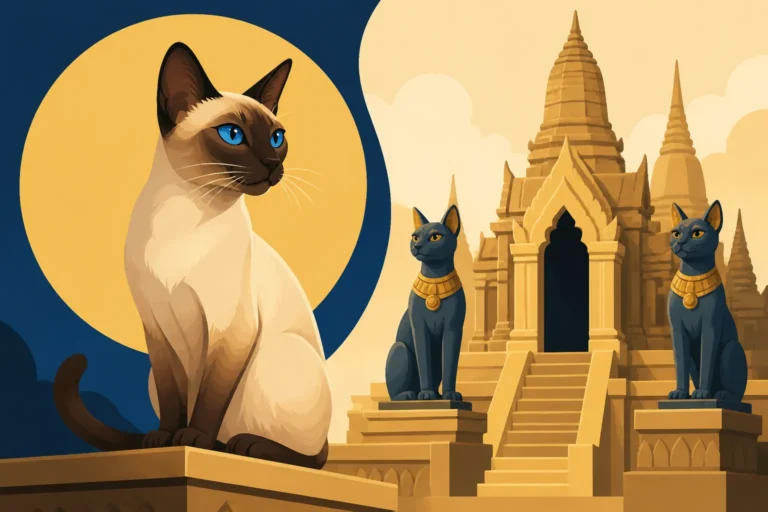
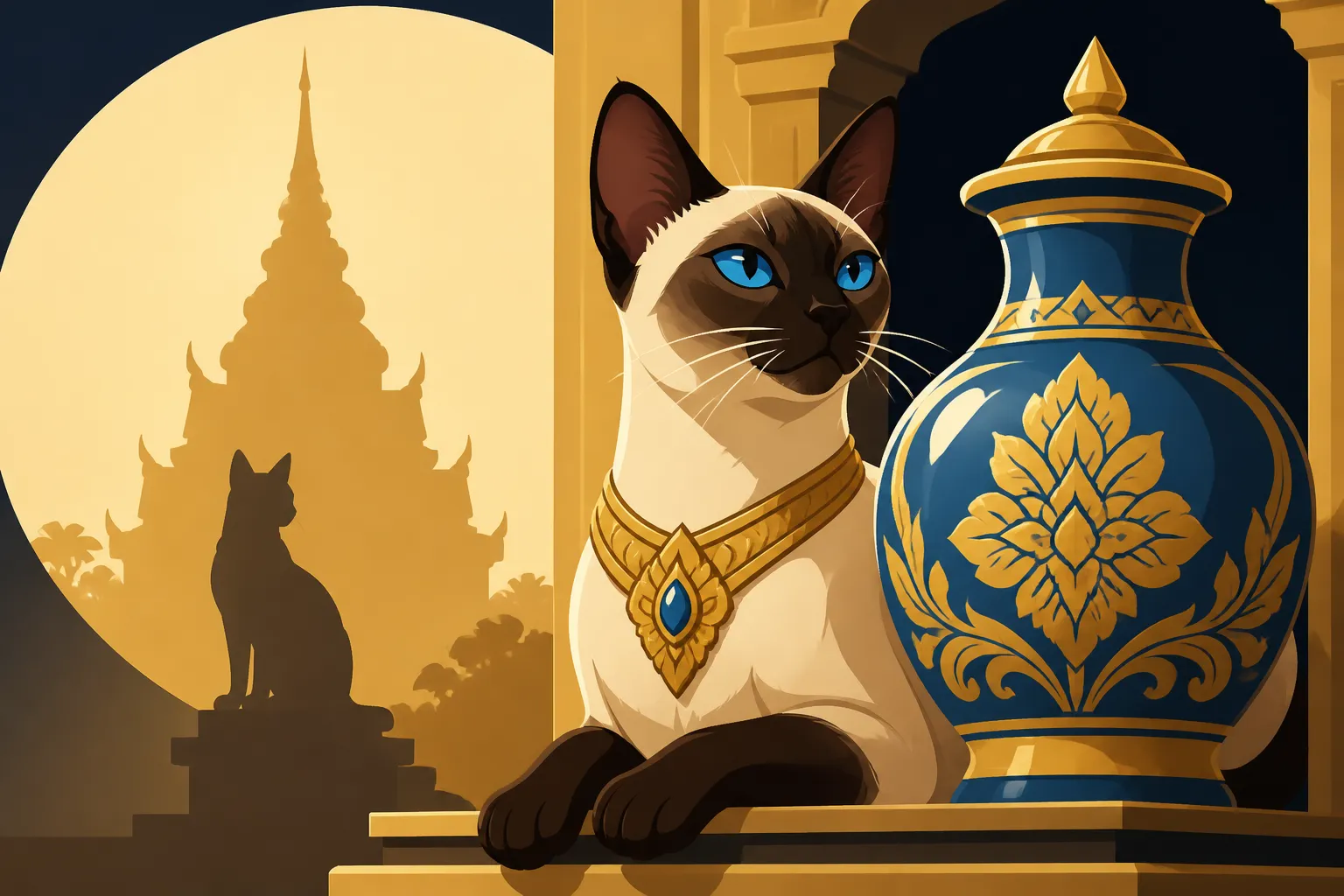
One of the most charming, yet often debated, myths surrounding our beloved Siamese cats is the idea that they once stood guard over precious temple treasures, their tails kinked around ancient vases to protect them. While it paints a wonderfully regal and mysterious picture, the reality of a Siamese cat’s true history and behavior often tells a different, equally fascinating story. This guide will dive deep into this enduring legend, separating fact from romanticized fiction and celebrating the true, captivating nature of this remarkable breed.
The Enduring Myth of Temple Guardians
It's a tale as old as the breed's introduction to the Western world: the regal Siamese, with its striking points and piercing blue eyes, descended from a lineage of temple cats in ancient Siam, tasked with protecting priceless artifacts and royal personages. This narrative has contributed immensely to the mystique and allure of the Siamese cat, making them seem even more exotic and noble. But where did this idea truly come from, and how has it shaped our perception of these chatty companions?
Where the Legend Comes From
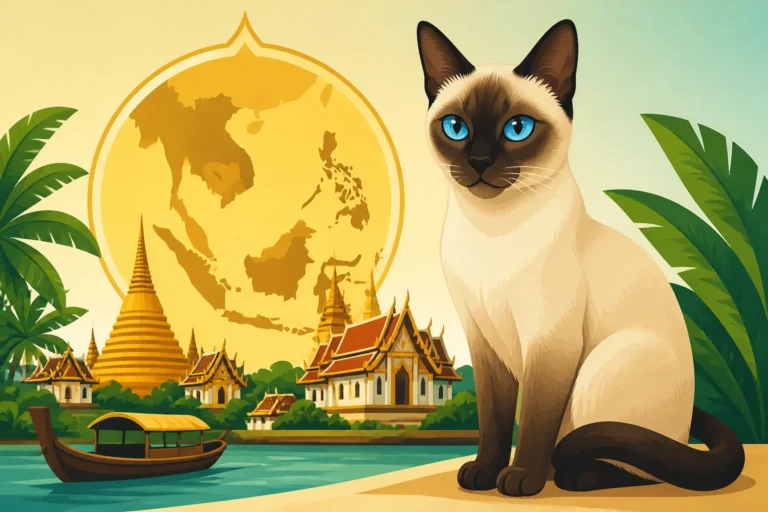
The origins of the Siamese cat are deeply rooted in the kingdom of Siam, what we now know as Thailand. For centuries, these cats were highly revered, considered sacred and often associated with royalty and religious institutions. This cultural reverence naturally led to many beautiful, often fantastical, stories about their roles. Imagine a time before widespread literacy, where tales were passed down through generations by word of mouth, growing grander and more enchanting with each telling. It's easy to see how a cat held in high esteem by temple monks or royal families could, over time, transform into an active "guardian" of their most treasured possessions.
These legends served multiple purposes. They explained the unique physical characteristics of the breed, like their crossed eyes or kinked tails, attributing them to diligent guarding duties. More importantly, they elevated the status of the Siamese cat, embedding them in the rich tapestry of Siamese culture and history. Even if concrete historical records are scarce, the romantic notion of a Siamese cat sitting sentinel, tail curled around a gilded vase, perfectly captures the exotic beauty and perceived ancient wisdom of the breed.
The Image of the Regal Siamese
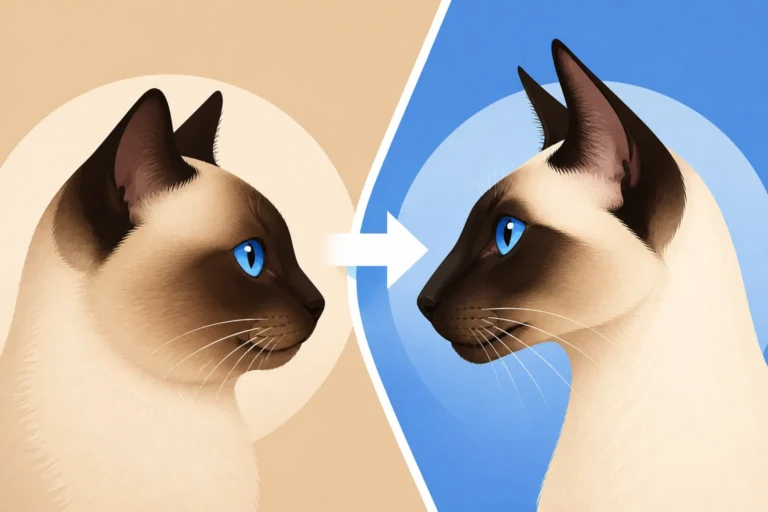
It’s not hard to see why the Siamese cat perfectly fits the image of a majestic temple guardian. With their sleek, muscular bodies, striking color points, and often intense, intelligent blue eyes, they exude an air of elegance and watchfulness. They carry themselves with a certain undeniable grace, a proud stance that suggests a deep connection to something ancient and important. Their alert posture and keen gaze could easily be misinterpreted as a constant vigilance, perfectly suited for guarding sacred spaces.
However, anyone who has ever shared their home with a Siamese knows that while they are certainly regal, they are also incredibly vocal, intensely affectionate, and often quite demanding of attention. The idea of them sitting perfectly still for hours, silently protecting an inanimate object, might make a modern Siamese owner chuckle. Their real-world personality is one of constant engagement, curiosity, and a profound need for interaction, which is a far cry from a static guard. This contrast between their mythical image and their actual lively character is part of what makes them so endlessly fascinating.
Historical Context: Cats in Ancient Siam
To understand the myth, we need to look at the real place of cats, and specifically the ancestors of the Siamese, in ancient Siamese society. They weren't just common animals; they were woven into the spiritual and social fabric of the kingdom.
The Tamra Maew and Sacred Cats
One of the most significant historical documents that sheds light on the Siamese cat's ancestry and revered status is the What the Tamra Maew Manuscripts Show About the Siamese Cat. This ancient manuscript, a collection of poems and illustrations, describes seventeen different types of cats, detailing their auspicious characteristics and what they symbolized. Among these revered felines was the "Wichianmat," which is widely considered to be the direct ancestor of our modern Siamese. The descriptions in the Tamra Maew speak of cats with pale bodies and dark points, celebrated for their beauty and believed to bring good fortune.
The existence of such a detailed and appreciative document highlights the deep respect and admiration for cats in Siam. These weren't just pets; they were integral to the cultural narrative. The cats described in the Tamra Maew were not depicted as aggressive protectors or armed guards, but rather as beings of beauty, grace, and spiritual significance. They were cherished for their aesthetic qualities and the positive energy they were thought to impart upon their owners and homes. This provides a foundational understanding that while cats were highly valued, their role was more about spiritual well-being and companionship than active defense.
The Role of Cats in Royal and Religious Life
In ancient Siam, cats, particularly those resembling the Siamese, were considered sacred creatures. They were often associated with royalty and temple life, symbolizing prosperity, good luck, and protection in a more spiritual sense. It was believed that owning such a cat would bring blessings to the household. For instance, royal cats might accompany important ceremonies, or be present in the living quarters of the nobility, adding to an aura of serenity and good fortune.
While they were revered and often present in these significant settings, the notion of them actively guarding temple vases or treasures, in the same way a guard dog or human sentry would, is likely a romantic embellishment. Their "protection" was probably more metaphorical, a spiritual safeguarding rather than a physical deterrent to thieves. The belief that a sacred cat's presence could ward off evil or ensure the safety of valuable items through its auspicious nature is a powerful one, and certainly consistent with the cultural reverence shown in Siam. So, while Whether Siamese Cats Guarded Temples is a common question, the answer leans more towards symbolic protection than literal sentry duty.
Deconstructing the "Temple Vase Guardian" Tale
The image of a Siamese cat dutifully curling its tail around a vase, or intensely staring at an artifact with crossed eyes, is wonderfully vivid. But when we actually consider the natural behavior of a cat and the logistics of such a task, the legend begins to unravel into charming fiction.
The Kinked Tail and Crossed Eyes Connection
Many variations of the temple guardian myth specifically mention the Siamese cat’s unique physical traits as proof of their ancient duties. One popular story suggests that Siamese cats developed kinked tails from wrapping them tightly around precious temple vases to protect them from theft. Another posits that their crossed eyes came from staring intently at these treasures for so long, their gaze eventually became fixed. These tales offer a delightful, if scientifically inaccurate, explanation for characteristics that were once prevalent in the breed.
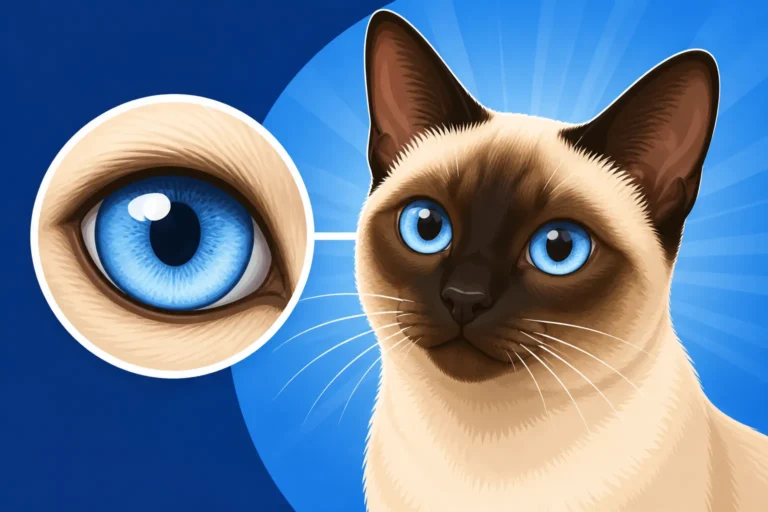
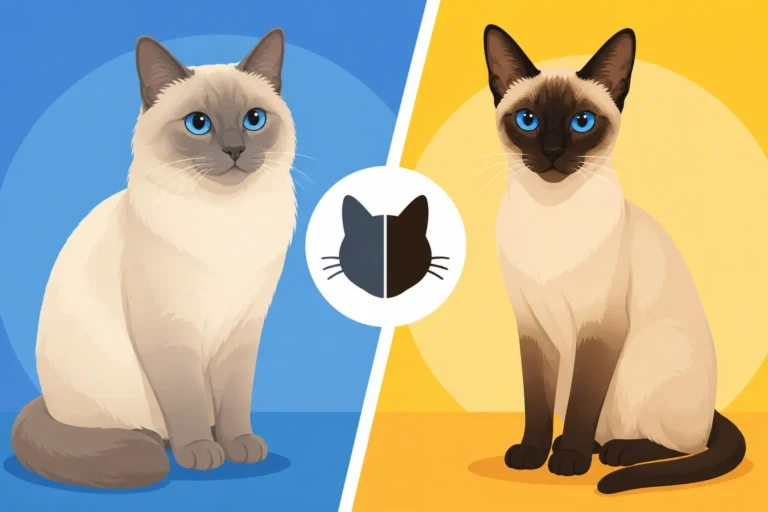
The truth, as we now understand it, is far less mystical but no less interesting. Both the kinked tail and crossed eyes in Siamese cats are genetic traits. The crossed eyes, or strabismus, are linked to the same gene that gives them their distinctive point coloration and blue eyes. It's a neurological quirk where nerve pathways from the eyes to the brain are somewhat misrouted, leading to the eyes turning inward. Similarly, Why a Siamese Cat's Eyes Cross and Its Tail Kinks confirms that a kinked tail is a simple genetic deformity, historically common in the breed due to a limited gene pool, rather than the result of a specific behavior. In fact, modern breeding standards often consider both crossed eyes and kinked tails to be faults, and breeders have worked to minimize their occurrence, though they can still appear. The legends, however, remain a testament to the breed's captivating history and the human desire to explain unique phenomena through storytelling. Which Legend Explains a Siamese Cat's Kinked Tail and Which Legend Explains a Siamese Cat's Crossed Eyes provide more detailed accounts of these fascinating stories.
Practicalities of "Guarding" Temple Vases
Let's be realistic for a moment: if you've ever lived with a cat, you know their true nature. Cats are inherently curious, independent, and notoriously difficult to command to perform a stationary task for extended periods, especially one so monotonous as "guarding" an inanimate object. A cat's natural instincts are to hunt, explore, play, and nap – often in the sunniest or highest spot in the house, certainly not always beside a vase. Can you imagine telling your own Siamese, "Okay, Fluffy, your job for the next eight hours is to stay perfectly still next to this priceless porcelain?" You'd likely get a loud "Meeooow!" in response, followed by a playful swat at the vase itself, or a demand for food or cuddles.
Furthermore, consider the actual effectiveness of a cat as a security system against a human intruder. While a cat might be a fantastic early warning system with its keen senses and vocalizations, a small feline is hardly a physical deterrent against someone determined to steal valuable artifacts. Temples and royal residences with truly valuable items would have relied on human guards, robust locks, or even guard dogs, which are far more suited to active protection. The idea of a cat preventing a theft by merely sitting next to a vase is charming, but entirely impractical from a security standpoint.
The Siamese Cat as a Companion, Not a Guard
While the temple guardian myth is enchanting, it’s far more rewarding to celebrate the Siamese for their actual, incredible qualities. They are not passive ornaments but active, intelligent participants in our lives.
Siamese Temperament and Intelligence
If you've ever had the pleasure of owning a Siamese, you know that their temperament is anything but aloof or silently watchful. These cats are renowned for being incredibly intelligent, highly interactive, and profoundly people-oriented. They thrive on companionship and participation in family life, often following their humans from room to room, eager to "help" with whatever task is at hand. This intense social need is a hallmark of the breed, making them one of the most dog-like cats you'll ever encounter. What a Siamese Cat's Temperament Is Really Like truly captures their essence.
Their high intelligence means they can be incredibly mischievous, capable of learning to open doors, cupboards, and even solve complex puzzle toys. They are often highly trainable, capable of learning tricks like fetching, sitting, or walking on a leash. However, this intelligence is paired with a strong will and an independent spirit, meaning they cooperate because they want to, not because they are passively obeying. This energetic, engaging personality makes them wonderful companions, constantly seeking interaction and affection, which is quite different from the solitary, static image of a temple guard.
Modern Interpretations of "Guarding"
In a modern home, a Siamese cat does "guard" its territory and its people, but in a very feline way. Their renowned vocalizations are a perfect example. A Siamese cat will be the first to alert you to an unfamiliar car in the driveway, a strange person at the door, or even just a falling leaf outside the window. Their distinctive, loud "Meezer yowl" can certainly act as an auditory alarm system, ensuring that you are well aware of any perceived intrusion or anomaly. What the Siamese Cat's Meezer Yowl Sounds Like describes this unique vocalization perfectly.
Beyond their vocal alerts, Siamese cats often display a protective nature towards their human family members. They form deep bonds, often choosing one person as their primary confidante, but extending their affection and watchful eye to the entire household. They might "guard" you by sleeping on your chest, sitting by the window to survey their domain, or even swatting at an overzealous guest who hasn't quite learned the cat's personal boundaries. While they won't stand sentry by your antique collection, their constant presence, communication, and affection make them invaluable members of the family, providing emotional security and constant entertainment far more effectively than any mythical vase-guarding duties.
The Enduring Allure of Siamese Legends
Despite the lack of concrete evidence for their literal temple guarding roles, these captivating myths continue to resonate and add to the mystique of the Siamese cat. There's a reason why these stories stick with us.
Why Myths Persist
The human mind loves a good story, especially one that adds a layer of mystery and grandeur to something we cherish. For centuries, people have been drawn to the unique beauty and striking personality of the Siamese cat. The idea that such a distinctive animal has an ancient, noble, and somewhat fantastical past simply makes them even more appealing. It adds depth to their character and elevates them beyond a mere pet. These stories tap into our romantic notions of ancient civilizations, hidden temples, and sacred animals, painting a picture that's far more intriguing than a simple genetic explanation for crossed eyes or kinked tails.
Furthermore, the persistent nature of these myths highlights the long and fascinating journey of the Siamese cat. Where the Siamese Cat Comes From and How Old the Siamese Cat Breed Is attest to their ancient roots, which naturally lend themselves to such grand narratives. These tales become part of the breed's identity, passed down from one generation of Siamese enthusiasts to the next, fostering a sense of connection to their historical origins, whether literal or legendary. Whether the Siamese Cat Was a Temple Cat is a question that continues to fuel this romantic fascination, proving the power of a good story.
Celebrating the Real Siamese
Ultimately, whether they guarded temple vases or not, the Siamese cat has a rich, verifiable history as a revered and cherished companion. Their true magic lies not in imagined roles, but in their actual, undeniable qualities: their profound intelligence, their talkative nature, their deep affection for their human families, and their playful antics. They are living, breathing enigmas, constantly communicating their needs and desires, demanding attention and giving boundless love in return.
Rather than fixating on ancient, unproven myths, we should focus on celebrating the Siamese for what they truly are: one of the most engaging, intelligent, and vocal cat breeds on the planet. Their presence enriches our lives with constant conversation, curious companionship, and an unwavering bond. The real-life experience of owning a Siamese is far more captivating and rewarding than any legend could ever be. Let’s appreciate their past, but truly cherish their vibrant, demanding, and utterly lovable present.
| Feature | Mythical Temple Guardian Siamese (Legend) | Real-Life Siamese Cat (Fact) |
|---|---|---|
| Primary Role | Protecting ancient temple vases and treasures | Beloved, highly interactive companion animal |
| Behavior | Sits perfectly still for long periods, focused intently on objects | Active, playful, curious, and constantly seeking interaction |
| Kinked Tail Reason | Developed from wrapping around vases to guard them | Genetic trait, historically common, now often bred out |
| Crossed Eyes Reason | Developed from staring at treasures for extended periods | Genetic trait linked to albino gene, neurological quirk |
| Vocalizations | Silent, watchful sentinel | Extremely vocal, uses a wide range of meows, chirps, and yowls |
| Motivation | Duty and ancient responsibility | Affection, attention, play, and basic needs satisfaction |
| Effectiveness | Symbolically protective, not physically guarding | Excellent early warning system, loyal companion |
Disclaimer
This article is for general informational purposes only and does not constitute professional advice. Laws, prices and regulations vary by location and change over time. Consult a qualified professional for guidance on your specific situation.