Which Legend Explains a Siamese Cat’s Kinked Tail
You've probably looked at your sleek, vocal Siamese cat and noticed something a little different about their tail – maybe a subtle bend, a noticeable curve, or even a distinct little knot. While modern breeders strive for a perfectly straight tail, many Siamese cats, especially those of older lineages or rescued cats, still carry these charming imperfections. These unique tail kinks are more than just genetic quirks; they are deeply woven into the rich tapestry of Siamese folklore, leading to some truly enchanting tales that explain why these regal felines might have a knot in their tail. This guide will unravel these ancient legends, taking you back to the mythical origins of your beloved companion's distinctive feature.
The Enduring Mystery of the Kinked Siamese Tail
For centuries, the kinked tail was not seen as a flaw in a Siamese cat; quite the opposite, in fact. It was considered a distinctive and often revered characteristic, adding to the mystique and unique appearance of these beautiful felines from Siam (modern-day Thailand). Understanding its significance requires a trip back in time, delving into how the breed was perceived and how those perceptions eventually changed.
Ancient Origins and Breed Characteristics
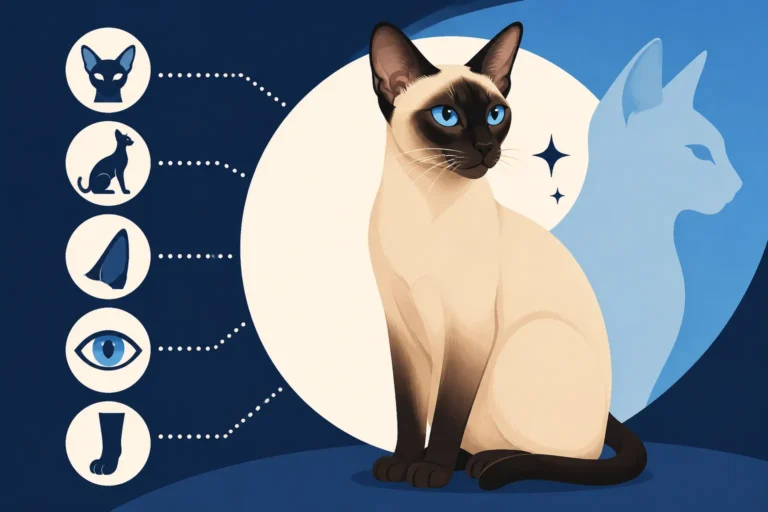
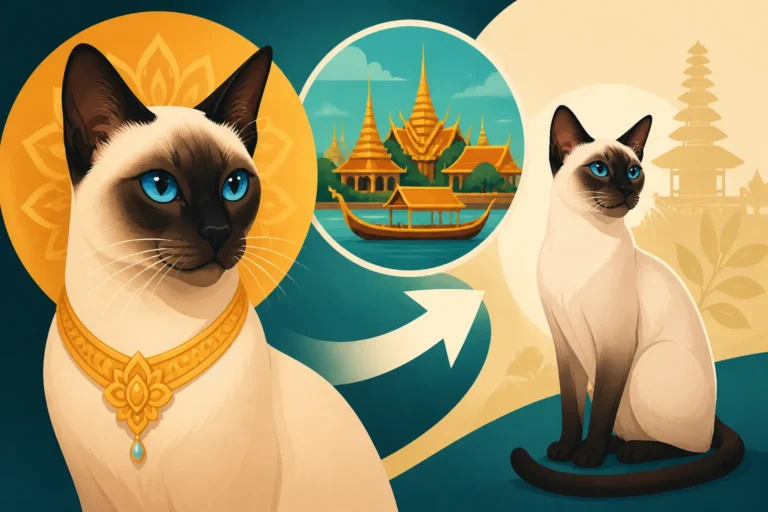
Imagine the ancient temples and royal palaces of Siam, where these striking cats, with their piercing blue eyes and distinctive coloring, were kept. The stories tell of a time when the Siamese cat was exclusively owned by royalty and priests, revered for their elegance and intelligence. In these early days, a kinked tail was far from unusual. Many of the first Siamese cats brought to the Western world in the late 19th and early 20th centuries still displayed these delightful bends and kinks. These were seen as part of their exotic charm, almost like a signature of their unique heritage. If you look at old photographs or illustrations of early Siamese cats, you'll often see these tails in all their imperfect glory. They were simply part of what made a Siamese cat a Siamese cat, along with their vocal nature and striking appearance. What the Tamra Maew Manuscripts Show About the Siamese Cat gives us a glimpse into these historical portrayals.
Why the Kink Was Bred Out
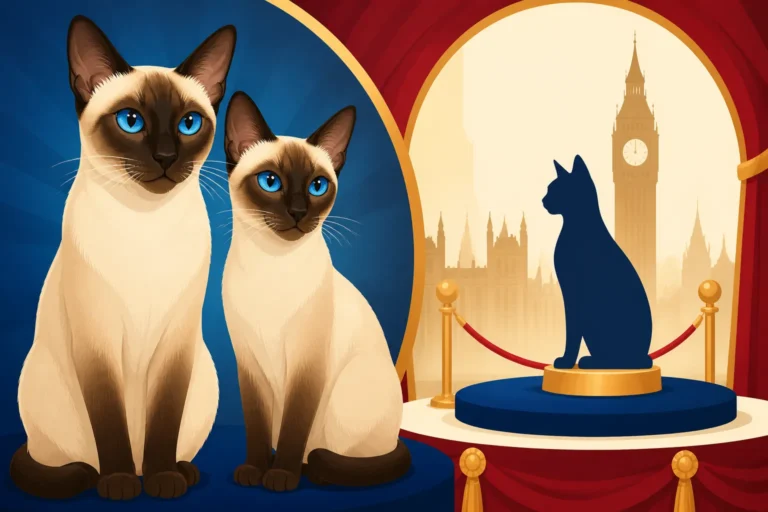
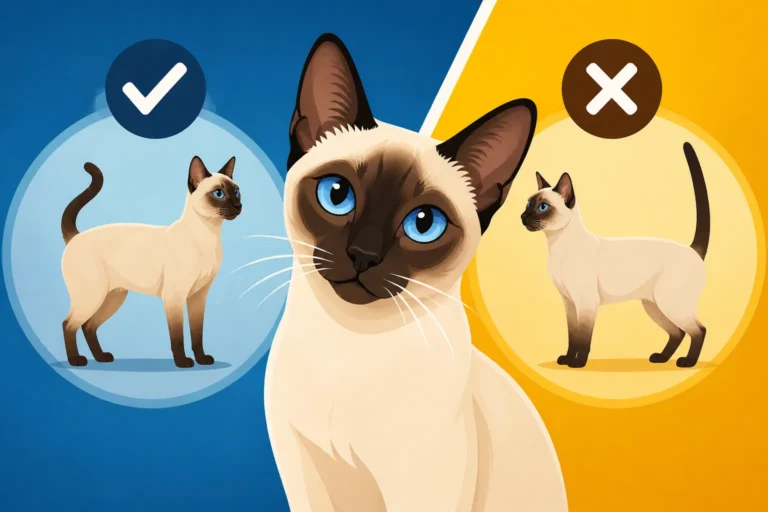
As the Siamese breed gained popularity in the West, particularly in Europe and America, breed standards began to be formalized. Cat fancy, with its emphasis on perfection and uniformity, started to influence what was considered "desirable" in a show-quality Siamese. Over time, the kinked tail, once a characteristic, slowly began to be seen as a fault. Breeders, striving for ribbons and recognition in the show ring, selectively bred for straighter tails, believing it enhanced the cat's elegant lines and sophisticated appearance. This wasn't an overnight change, but a gradual evolution driven by human aesthetic preferences rather than any inherent health or welfare issue. The focus shifted, and while many still appreciated the unique look, the official standard pushed towards a more refined, unblemished tail. This is a fascinating example of how human intervention can drastically reshape a breed's physical traits, sometimes moving away from its natural, ancient form. The question of Whether the Kink Was Ever in the Siamese Cat Standard became a point of contention and change over many decades.
The Temple Guardian Legend: The Sacred Goblet
Perhaps the most beloved and widely known legend explaining the Siamese cat's kinked tail involves their supposed role as guardians of sacred artifacts in ancient temples. This tale perfectly encapsulates the Siamese cat's intelligence, loyalty, and often curious nature. It paints a vivid picture of why such a specific physical trait might have become ingrained in their folklore.
The Princess and the Sacred Goblet
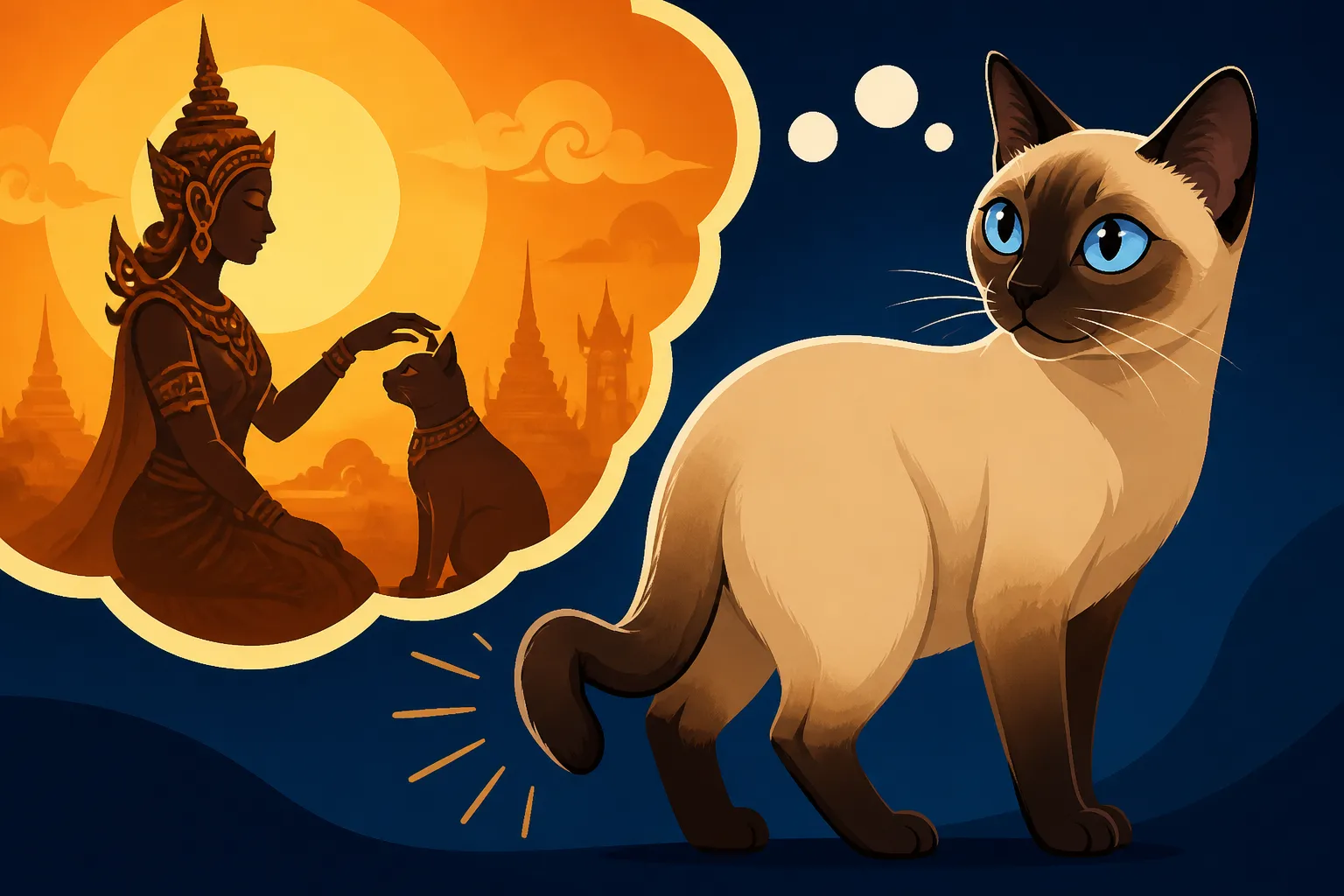
The story goes that ancient Siamese princesses, when bathing, would entrust their precious rings to their loyal feline companions. These Siamese cats, dedicated to their royal mistresses, would dutifully guard the rings by hooking their tails around them, keeping them safe while the princesses were in the water. One version of this legend, and perhaps the most famous, involves a particularly sacred goblet, a vessel of immense spiritual importance. During a time of great peril or a ceremonial occasion, it was decreed that a highly valuable goblet must be guarded at all times. A pair of Siamese cats, known for their unwavering devotion and vigilance, were chosen for this solemn task.
For days, these two loyal cats sat by the goblet, never straying, never faltering. To ensure the goblet remained absolutely safe, even in their deepest slumber, they wrapped their tails tightly around its stem. With such diligence, over generations, the constant gripping and holding of their tails around the goblet caused a permanent bend, a "kink," to develop. This kink, therefore, became a physical marker of their ancestors' profound loyalty and unwavering commitment to their sacred duty. It's a charming tale that highlights the breed's intelligence and strong bond with their human companions, a trait many modern Siamese owners can still attest to. Even today, if you buy cat toys or special beds from places like Chewy, you'll see how dedicated these cats are to their "treasures" and comfort items.
The Lingering Legacy of the Kink
This legend isn't just a pretty story; it speaks to the very soul of the Siamese cat. It explains not only the physical kink but also touches upon their intensely watchful and protective nature. Many Siamese owners will tell you that their cats are incredibly aware of their surroundings, often acting as diligent guardians of their homes and families. They notice every change, every new person, and every misplaced item. The legendary vigilance of the temple guardians resonates strongly with the real-life behavior of these cats.
Moreover, the tale implicitly praises the Siamese for their steadfastness. It suggests that this quirk, the kink, is not a defect but a badge of honor, a reminder of a noble past filled with responsibility and devotion. Even as breed standards evolved, the romantic appeal of this legend helped to maintain a certain fondness for the kink, particularly among those who appreciated the historical and cultural significance of the breed. It reminds us that sometimes, the most unique traits have the richest stories behind them, connecting our modern pets to a legendary past.
The Royal Ring Bearer Legend: A Princess's Jewels
Beyond the sacred goblet, another beautiful legend ties the Siamese cat's tail kink, and sometimes their crossed eyes, to the pampered lives of ancient Siamese royalty. This tale emphasizes the personal bond between the princess and her cat, highlighting the intimate role these animals played in their daily lives.
Princesses, Rings, and Willow Trees
This alternate legend, equally captivating, focuses on the precious rings worn by the Siamese princesses. These princesses, known for their lavish lifestyles and beautiful jewelry, would often spend their days by tranquil rivers or relaxing beneath the shade of willow trees. When it was time to bathe or simply remove their rings for safekeeping, they would place them on their loyal Siamese cats' tails.
The cats, ever faithful and eager to please their royal mistresses, would curl their tails tightly to prevent the valuable rings from slipping off and being lost in the water or grass. This constant, deliberate curling and gripping, day after day, year after year, eventually led to the development of the characteristic kinks or knots in their tails. The bend in the tail thus became a charming memento, a physical testament to their devoted service as living jewelry stands for the royal family. It's easy to imagine a scene like this, a regal cat holding its tail aloft, adorned with sparkling rings, completely focused on its important task.
How This Legend Explains the Cross-Eyed Trait Too
Interestingly, this particular legend often goes a step further, also providing a folkloric explanation for another common trait historically associated with the Siamese: their crossed eyes. The story postulates that while intently focusing on guarding the princess's rings on their tails, these dedicated cats had to stare so hard at their precious cargo that their eyes eventually became permanently crossed.
So, in this single beautiful legend, both the kinked tail and the crossed eyes are explained as endearing side effects of the Siamese cat's intense loyalty and attentiveness to their royal duties. It's a testament to how deeply ingrained these traits were in the breed's early appearance and how much they captivated the imagination of the people of Siam. Even if you're not a royal, you can still treat your modern Siamese like royalty, perhaps with a premium cat bed or a fancy food bowl from Chewy, reinforcing their regal nature! Why a Siamese Cat's Eyes Cross in the Legend delves deeper into that specific aspect.
Other Explanations and Modern Understanding
While these legends are enchanting and beautifully illustrate the historical reverence for the Siamese cat, modern science offers a more straightforward explanation for the kinked tail. However, understanding the genetic reality doesn't diminish the charm of the folklore; instead, it allows us to appreciate the intersection of culture and biology.
Genetic Causes Versus Folklore
From a scientific perspective, the kinked tail in a Siamese cat is a congenital defect, meaning it's present from birth. It's typically caused by a genetic mutation that results in fused or malformed vertebrae in the tail. This isn't unique to Siamese cats; similar anomalies can occur in many cat breeds, and even in other animals. For the Siamese, it was simply a more prevalent trait in the ancestral population, which, combined with selective breeding for the "look" of the breed in its native land, meant it was passed down through generations.
The fascinating part is how a genetic quirk became imbued with such rich cultural meaning. People observed the trait, and rather than viewing it as a fault, they created stories to explain its presence, stories that often spoke to the positive attributes they admired in these cats – loyalty, vigilance, and grace. It’s a wonderful example of how human culture interprets the natural world around it. While breeders nowadays focus on genetic screening and responsible breeding practices to avoid such congenital issues, the historical presence of the kink tells us a lot about the evolution of the breed and human-animal interaction. If you're looking for Which Health Tests a Siamese Cat Breeder Runs today, rest assured that tail kinks are considered a cosmetic, not a health, issue in most cases, though responsible breeders still aim for the straight tail defined by current standards.
Appreciating the History, Kink or No Kink
Whether your Siamese cat has a perfectly straight tail or a charming little kink, understanding these legends adds another layer of appreciation for their heritage. These tales are a window into the past, showing us how deeply intertwined these cats were with the lives of the people of Siam, from royalty to temple life. They remind us that the Siamese cat is not just a pet; it's a living piece of history, carrying echoes of ancient kingdoms and sacred duties.
Even though modern breed standards generally disqualify kinked tails in show cats, many enthusiasts and pet owners still find these historical quirks endearing. They serve as a tangible link to the breed's rich past, a subtle nod to the princesses and sacred goblets of centuries gone by. It's a reminder that beauty comes in many forms, and sometimes, the imperfections are what make something truly unique and special. For those looking for a Siamese cat, regardless of tail kink, researching a reputable breeder or considering a rescue is crucial to finding a healthy, well-adjusted companion. Organizations dedicated to the breed often list available cats, and places like Chewy are excellent resources for all the supplies you'll need for your legendary feline.
Here's a quick look at how the two main legends explain the Siamese tail kink:
| Legend Name | Primary Explanation for Tail Kink | Additional Traits Explained (Optional) | Cultural Significance |
|---|---|---|---|
| The Sacred Goblet | Cats wrapped tails around sacred goblet for safekeeping. | N/A | Symbol of profound loyalty and vigilance. |
| The Royal Ring Bearer | Cats curled tails to hold princess's rings during bath. | Crossed eyes (from staring intently) | Symbol of personal devotion and attentiveness. |
While these legends offer captivating explanations for the Siamese cat's distinctive tail kink, the actual cause lies in their genetics. Yet, it's these stories that truly bring the breed's rich history to life, transforming a genetic trait into a cherished badge of honor. So the next time you stroke your Siamese's tail, remember the tales of ancient Siam and the loyal guardians who served their royalty with such unwavering dedication. Why a Siamese Cat's Eyes Cross and Its Tail Kinks highlights the interplay of these fascinating traits. The Fifteen to Twenty Years a Siamese Cat Gets gives plenty of time to explore these historical connections with your companion.
Disclaimer
This article is for general informational purposes only and does not constitute professional advice. Laws, prices and regulations vary by location and change over time. Consult a qualified professional for guidance on your specific situation.