Whether the Siamese Cat Was Ever Exported Freely
Many cat enthusiasts are captivated by the storied past of the Siamese cat, often hearing whispers of them being the exclusive companions of royalty in ancient Siam. It naturally sparks the question: were these majestic felines ever allowed to leave their homeland freely, or was their journey to the wider world a carefully controlled and rather exclusive affair? This guide aims to peel back the layers of history, exploring the truth behind the Siamese cat's early export and how these cherished creatures ultimately made their way from the palaces and temples of old Siam to homes around the globe.
The Royal Cat of Siam: A History of Guarded Privilege
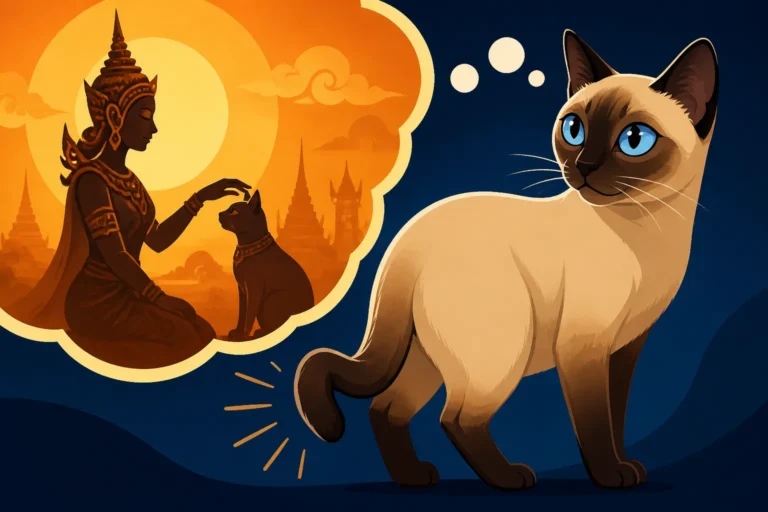
For centuries, the Siamese cat, or Wichianmat as it was known in its native land, held a truly unique and elevated status within Siamese society. These weren't just ordinary cats; they were woven into the very fabric of the culture, embodying spiritual significance and holding a place of honor. Understanding this profound connection is key to grasping why their "export" was far from free.
Sacred Status and Cultural Significance
In ancient Siam, the Siamese cat was considered a sacred animal, deeply revered and often associated with the country's royalty and religious institutions. Legends spoke of these cats guarding temples, their kinked tails and crossed eyes (traits once more common in the breed) having mystical origins tied to their duties. They were believed to be companions to monks and members of the royal family, even thought to carry the souls of the deceased into the afterlife. This spiritual weight meant they were treated with immense respect and not viewed as mere commodities.
The ancient texts, such as the What the Tamra Maew Manuscripts Show About the Siamese Cat, meticulously described and celebrated these cats, highlighting their distinctive features and revered place. These documents serve as a testament to how deeply ingrained the Wichianmat was in the national identity, marking them as treasures of the kingdom. To simply "sell" or "export" them without strict control would have been akin to selling off national heritage.
Their association with royalty was not just ceremonial; it was a matter of national pride and tradition. Only the most esteemed individuals, primarily the royal family and high-ranking nobles, were traditionally allowed to own these beautiful cats. This exclusivity naturally limited their numbers and their movement outside of these elite circles, making the idea of a "free" export quite unthinkable in the historical context of Siam. Many historians believe that Whether Only Royalty Kept the Siamese Cat is largely true for the traditional breed.
Diplomatic Gifts, Not Commercial Trade
When the first Siamese cats did eventually leave Siam, it wasn't through bustling trade routes or commercial transactions. Their departure was almost exclusively orchestrated through formal diplomatic channels. They were presented as prestigious and invaluable gifts from the King of Siam to foreign heads of state, ambassadors, and other high-ranking dignitaries. This act served as a powerful gesture of goodwill, diplomacy, and mutual respect between nations.
One of the most famous early examples of this diplomatic exchange involves "Siam," a Siamese cat gifted to U.S. President Rutherford B. Hayes and his wife Lucy in 1878 by the American Consul in Bangkok. This event, detailed in Who Sent Siam the Siamese Cat to the Hayes White House, vividly illustrates that the cats were tokens of international relations, not items purchased for personal enjoyment. Such gifts were carefully considered, reflecting the high regard in which these cats were held.
This pattern of gifting continued for several decades into the late 19th and early 20th centuries. European royalty and influential figures were among the privileged few to receive these exotic felines. Each cat that left Siam during this period carried with it the aura of its royal origins, instantly elevating its status in its new home. They were rare, exotic, and infused with the mystique of a distant, ancient kingdom, making their availability strictly limited to a very small, elite group.
Journey to the West: Controlled Dissemination and Early Breeding
The arrival of Siamese cats in Western countries marked a new chapter for the breed, but their spread remained far from "free." The initial handful of diplomatic gifts formed the foundation of what would become the global Siamese population, and their proliferation was meticulously managed by a dedicated few.
Pioneering Figures and Strict Management
Once these royal gifts arrived in the West, their new owners often became the pioneering figures in establishing the breed outside of Siam. These individuals, typically people of means and influence, didn't treat these cats as mere curiosities but embarked on serious breeding programs. The focus was on preserving the distinct characteristics of the breed and ensuring healthy bloodlines, not on mass distribution. This meant that while cats were now being bred outside of Siam, their availability remained highly exclusive.
In Britain, for example, early fanciers like Mrs. Lilian Veley, who founded the Siamese Cat Club in 1901, were instrumental in developing the breed standard and carefully managing its growth. The first Siamese cats to arrive in England, Pho and Mia, around 1884, were brought by a British Consul General. Who Brought the First Siamese Cat to Britain provides insight into these early days. The breeding of their descendants was a controlled endeavor, emphasizing quality over quantity. Kittens born from these lines were exceptionally valuable and often sold with strict contracts, sometimes even forbidding further breeding without permission, to maintain control over the burgeoning population.
This period was characterized by a concerted effort to establish the Siamese as a recognized pedigreed breed within the nascent cat fancy world. The scarcity of these cats, combined with the dedication required to breed them responsibly, meant that they commanded high prices. Prospective owners were often thoroughly vetted, expected to understand the unique care and temperament of a Siamese, making the acquisition process anything but casual or "free."
From Rarity to Recognised Pedigree
As the 20th century progressed, and the fascination with pedigreed cats grew, the demand for Siamese cats intensified. While they never became "freely exported" in the sense of being widely accessible directly from Thailand, the breeding efforts in Europe and North America gradually increased their numbers. However, even with more breeders, the Siamese retained its aura of exclusivity.
The breed's unique appearance—slender body, striking blue eyes, and distinctive point coloration—combined with its intelligent and vocal personality, captivated a growing audience. Why a Siamese Cat's Eyes Cross and Its Tail Kinks explores some of the historical traits that set them apart. The cat fancy associations, such as the CFA (Cat Fanciers' Association) and TICA (The International Cat Association), began to establish official standards for the Siamese, further solidifying its status as a pedigreed breed. This formal recognition, while increasing the breed's profile, also meant that ownership often involved navigating the world of registered breeders, show lines, and pedigree documentation.
During this time, the Siamese population grew, and variations in point colors, beyond the original seal point, became recognized. However, the foundational history of controlled export meant that the breed's genetic pool outside of Siam was initially quite narrow. This sometimes led to specific breed traits, or even genetic predispositions, becoming more concentrated. The journey from a rare diplomatic gift to a widely recognized, yet still premium, pedigreed cat was a slow and carefully managed evolution, far removed from the concept of free and open export.
| Period | Mode of Export | Availability | Purpose |
|---|---|---|---|
| Pre-1870s | Virtually none | Exclusively within Siam, royal/temple domain | Sacred, cultural, royal companion |
| 1870s – early 1900s | Diplomatic gifts from King of Siam | Extremely rare, gifted to foreign dignitaries | International goodwill, prestige |
| Early 1900s – mid-1900s | Controlled breeding by select Western fanciers | Highly exclusive, expensive, limited access | Breed establishment, preservation |
| Mid-1900s – Present | Widespread pedigreed breeding globally | More accessible but still premium/specialized | Pet companionship, show, breeding |
The Enduring Legacy of Exclusivity
Even in today's world, where you can find nearly any cat breed if you look hard enough, the historical context of the Siamese cat continues to shape perceptions of its value and unique appeal. The story of its guarded journey from Siam is not just a historical footnote; it’s an integral part of what makes the breed so special.
Shaping the Breed's Identity and Value
The historical narrative of Siamese cats being royal animals, rarely shared and never freely exported, has indelibly contributed to their enduring mystique and elevated value. This isn't just romantic lore; it's a foundational element of the breed's identity. Knowing that these cats were not merely "farm cats" in their homeland, but rather cherished companions with deep cultural and even spiritual ties, explains why their initial departure from Siam was so tightly controlled. This story helps us understand Why the Siamese Cat Was Called the Royal Cat of Siam.
The painstaking efforts of those early breeders, stemming from the few diplomatically gifted cats, ensured that the Siamese breed developed with a strong sense of its unique origins. This deliberate, slow expansion, rather than an unchecked spread, meant that the breed's initial characteristics were carefully nurtured. While this also presented challenges, such as a limited genetic pool initially, it cemented the Siamese's status as a distinct and highly valued purebred cat.
Today, this legacy translates into a continued appreciation for the breed's unique characteristics and lineage. Owners often feel a profound connection to their Siamese, recognizing they are caring for a creature with a rich and fascinating past. When seeking supplies or information for their cherished companions, they often turn to reputable sources, knowing that a breed with such a distinguished history deserves the best. Even searching for specialized diets or unique toys on platforms like Chewy is often done with an understanding of the Siamese cat's distinct needs and history.
Modern Availability vs. Historical Scarcity
Fast forward to today, and the Siamese cat is, thankfully, much more accessible than in centuries past. Reputable breeders can be found in many countries around the world, and sadly, sometimes these beautiful cats even end up in rescue organizations, desperately seeking a new home. However, it's crucial to remember that the breed's initial journey from Siam was absolutely not through free export.
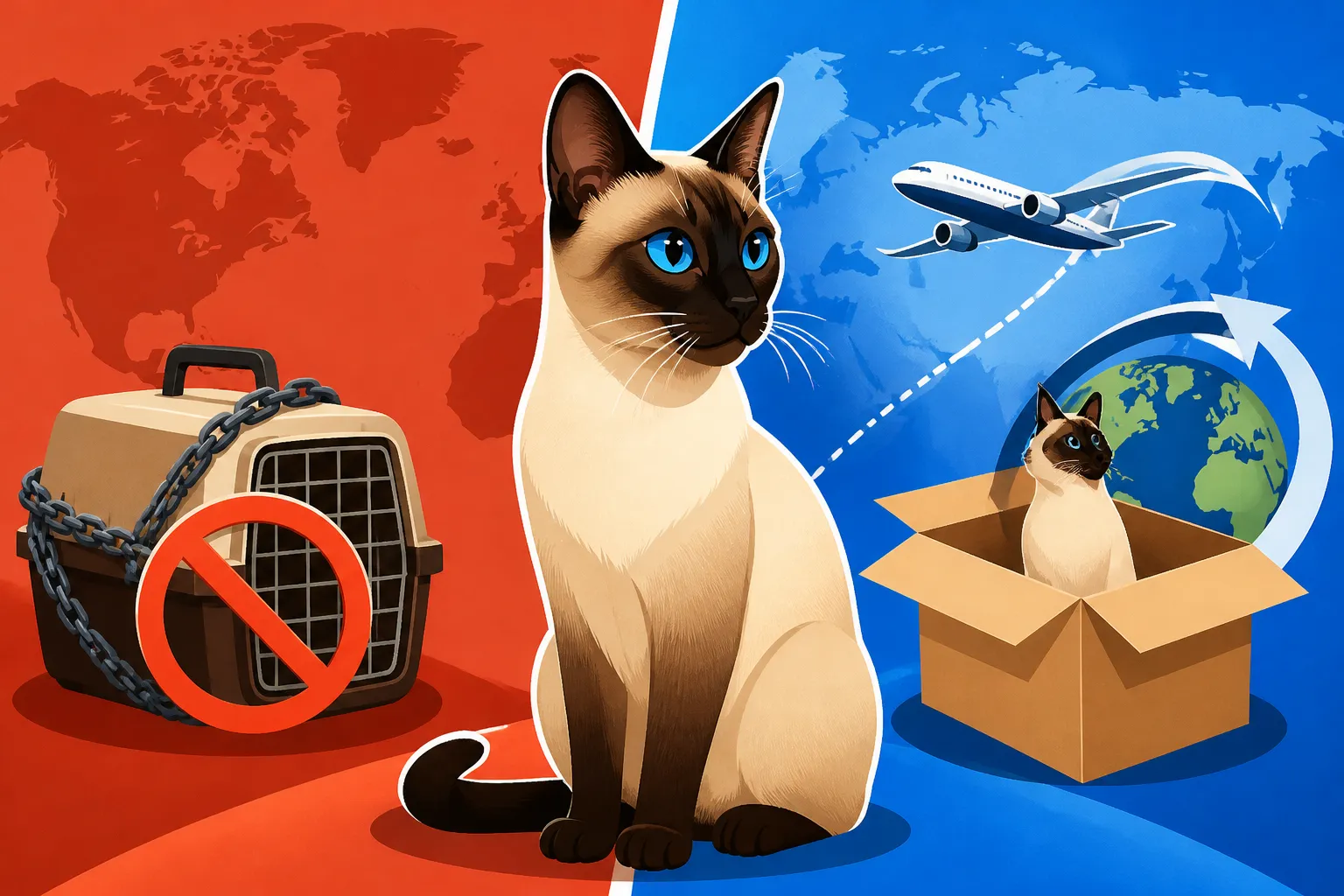
The concept of a "free export" model, where individuals could simply purchase a Siamese cat directly from Siam without official intervention, never truly existed. Instead, the global presence of the Siamese cat is a testament to those initial diplomatic gifts, followed by the tireless dedication of early cat fanciers who meticulously worked to establish and popularize the breed abroad. The initial scarcity created by these controlled departures made them highly prized, a perception that still influences their standing today.
So, while you might now find a beautiful Siamese kitten available from a qualified breeder, or even an adult Siamese seeking a loving home, it's worth reflecting on the long, winding, and highly controlled path these magnificent felines traversed. Their initial journey wasn't about open markets; it was about prestige, diplomacy, and the careful stewardship of a truly unique and ancient breed. Even as you browse for their favorite premium food or a durable scratching post from a pet supplier like Chewy, you're participating in the ongoing legacy of a cat breed that was once considered a priceless royal treasure.
The Impact of Controlled Export on the Siamese Breed
The lack of free export of Siamese cats from their native Siam profoundly influenced how the breed developed in the Western world, shaping its genetic profile and perpetuating its unique status.
Genetic Bottlenecks and Early Breed Characteristics
The fact that Siamese cats were not "freely exported" in large numbers directly from Siam had significant, lasting implications for the breed's genetic makeup. The entire foundation of the Western Siamese population was built upon a very limited number of individuals that were initially gifted. This scenario is known as a "genetic bottleneck," meaning that the genetic diversity of the global Siamese population outside of Thailand stems from a very small founder group.
This limited starting pool meant that certain genetic traits, whether physical attributes, temperament quirks, or predispositions to specific health conditions, could become more concentrated within the breed. For instance, some of the very distinct features, like the intense vocalizations or the tendency for Why a Siamese Cat's Eyes Cross and Its Tail Kinks, might have become more prevalent due to these early genetic influences. When a population is founded by only a few individuals, whatever genes those individuals carry, good or bad, become disproportionately represented in future generations.
Despite these challenges, dedicated breeders have since worked diligently to broaden the gene pool and mitigate potential health concerns. However, the origins of the breed from such a narrow selection of initial exports continue to play a role in its genetic profile today. It's a testament to the resilience of the breed and the commitment of its fanciers that the Siamese has flourished globally, despite starting from such a limited genetic foundation. This history underscores the importance of responsible breeding practices to maintain the health and vitality of the breed.
The Mystique and Value of a Royal Lineage
The historical context of the Siamese cat – being a cherished royal animal and not freely available for export – undeniably contributed to its high perceived value and mystique in the Western world. When something is rare, exclusive, and connected to an exotic, royal past, its appeal and perceived worth naturally skyrocket. This wasn't merely about their striking beauty; it was deeply intertwined with their captivating backstory, their connection to ancient royalty, and their origins in a distant, mysterious land.
This royal lineage became a cornerstone of the breed's allure. Owning a Siamese was, and in many ways still is, more than simply owning a cat; it was acquiring a piece of living history, a creature imbued with a truly fascinating, almost mythical, origin story. This aura of specialness continues to influence how the breed is viewed globally, distinguishing it from other cat breeds with less storied or more common origins. It adds an undeniable layer of pride and responsibility for those fortunate enough to share their lives with a Siamese.
Even with modern breeding making them more accessible than in the past, the echoes of their royal, guarded history persist. This influences why many prospective owners are prepared to invest in a well-bred Siamese kitten, often doing extensive research and seeking out breeders who prioritize health and temperament. It also encourages owners to invest in high-quality care, perhaps sourcing premium foods, enriching toys, or other specialized products from trusted pet retailers, understanding that they are caring for a truly unique and historically significant companion.
Disclaimer
This article is for general informational purposes only and does not constitute professional advice. Laws, prices and regulations vary by location and change over time. Consult a qualified professional for guidance on your specific situation.