Why the Siamese Cat Was Called the Royal Cat of Siam
For generations, the Siamese cat has captivated hearts not just with its striking sapphire eyes and vocal personality, but with an air of undeniable aristocracy. It’s a breed steeped in history and legend, a cat that carries itself with the dignity of a monarch. But why exactly was this particular feline dubbed the "Royal Cat of Siam"? This guide will delve deep into the fascinating historical, cultural, and symbolic reasons that cemented the Siamese cat's noble status, from ancient kingdoms to modern homes.
The Historical Tapestry: Siam's Sacred Felines
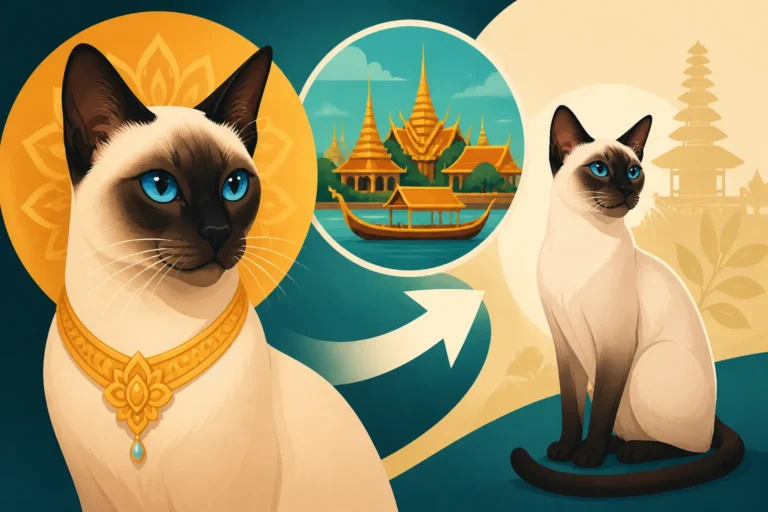
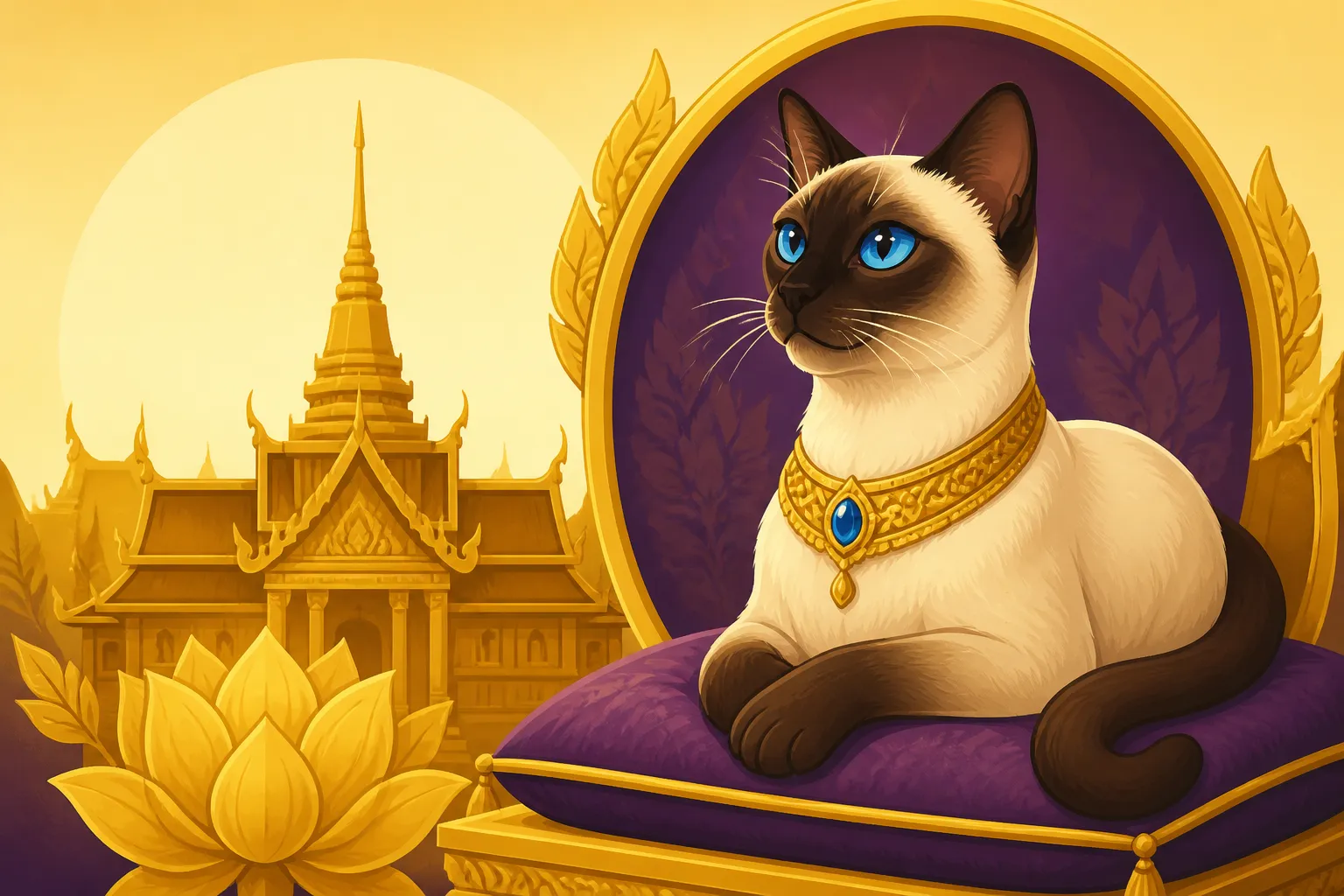
The story of the Siamese cat begins, as its name suggests, in the ancient Kingdom of Siam, which we now know as Thailand. These cats weren't just common household pets; they held a unique and revered place in society, intertwined with the spiritual and cultural fabric of the nation. Their very presence was considered a blessing, and their lives were often linked to institutions of great importance.
Ancient Roots and the Land of Siam
Imagine a world where cats weren't merely pest controllers, but cherished members of royal courts and sacred temples. That was the reality for the early Siamese cats in Siam. For centuries, these elegant felines were an integral part of life in the region, their distinctive appearance making them stand out from other native cats. Their journey from local felines to objects of veneration is a tale that speaks volumes about the Siamese people's deep respect for them. They were seen as creatures of beauty and grace, deserving of special consideration and care.
The lineage of the Siamese cat stretches back hundreds of years, making them one of the oldest natural breeds of domestic cat. While the exact moment they ascended to "royal" status is lost to time, it's clear their association with the powerful and the divine was long-standing. This deep-rooted connection to the land and its people positioned them not just as animals, but as living artifacts of a rich culture. The Siamese Cat Came From Siam, Not Thailand delves further into their geographical origins and cultural significance.
The Tamra Maew and Prized Companionship
A crucial piece of evidence for the Siamese cat's elevated status comes from ancient manuscripts, particularly the "Tamra Maew," or "Cat-Book Poems," which date back to the 14th to 18th centuries. These beautifully illustrated texts describe and depict various types of cats native to Siam, outlining their characteristics, their auspicious qualities, and even prescribing how they should be cared for. Among these descriptions, the Wichianmat, the direct ancestor of the modern Siamese, is prominently featured and highly praised.
The detailed attention given to these cats in the Tamra Maew isn't something afforded to just any animal. It indicates a profound appreciation and a belief in their special nature. The descriptions highlight their unique coloration, their intelligence, and their distinct personalities, all of which contributed to their perceived value. What the Tamra Maew Says About the Siamese Cat explores these historical documents in more detail, showcasing how deeply ingrained these felines were in Siamese culture.
These manuscripts weren't simply natural history records; they were guides for recognizing and valuing these precious creatures. The fact that royal scribes and artists dedicated such effort to documenting them speaks volumes. It wasn't just about their physical traits, but the spiritual and cultural benefits they were believed to bring. Such documentation confirms that the Wichianmat, our Siamese cat, was indeed a prized companion, well beyond the status of a common mouser.
Guardians of the Kingdom: Legends and Exclusive Status
Beyond ancient texts, a rich tapestry of folklore and societal practices cemented the Siamese cat's reputation as a creature of royalty. These cats weren't just seen; they were believed in, entrusted with roles far greater than ordinary pets.
Myths of Temple Guardians and Royal Wardens
One of the most enchanting aspects of the Siamese cat's "royal" designation stems from captivating legends. Tales abound of these cats guarding ancient Buddhist temples and even watching over members of the royal family. Imagine a grand temple, filled with priceless artifacts and sacred texts, and there, perched majestically, a Siamese cat, its intense blue eyes seemingly scanning for intruders. These stories gave them an almost mystical aura, attributing to them a heightened sense of awareness and loyalty.
These legends often tie into the unique physical traits of the breed. For instance, the traditional kink in a Siamese cat's tail was said to have occurred because they were used to guard royal chalices, wrapping their tails around the precious objects to keep them safe. Similarly, their crossed eyes, a trait that was once common, were explained as a result of constantly staring at these treasures or looking out for danger. The Temple Legends Behind a Siamese Cat's Kinked Tail dives into these charming explanations, showing how their quirks were woven into their noble narrative.
Whether these legends are historically accurate or simply charming folklore, they undeniably shaped public perception. They portrayed the Siamese cat not as a mere animal, but as a dedicated protector, a vigilant sentinel worthy of the highest respect. Such narratives elevated them beyond the mundane, positioning them as an almost magical component of the royal and spiritual landscape of Siam. It's no wonder that a cat with such a storied past would earn the moniker of "royal."
Reserved for Royalty: A Mark of Prestige
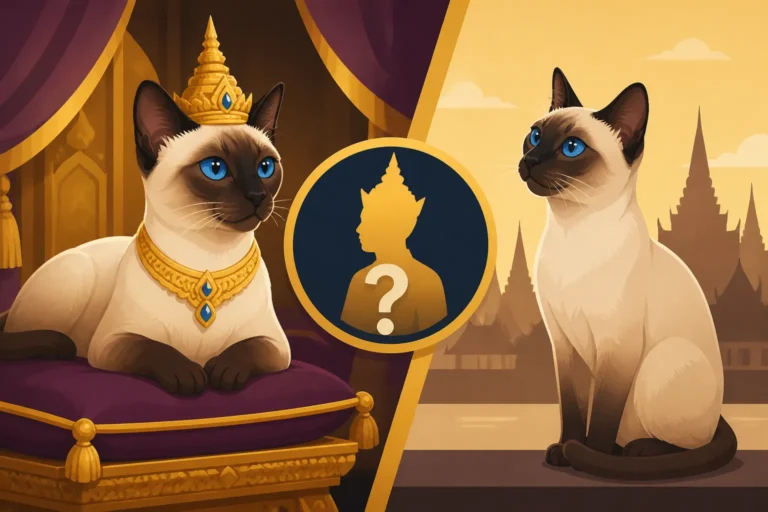
The exclusivity of Siamese cat ownership was another key factor in their royal status. Unlike many domestic animals, these cats were not widely available to the common people. Instead, they were primarily kept by the King of Siam and other high-ranking nobility. This limited access naturally made them a symbol of prestige, wealth, and power. Owning a Siamese cat was a clear indicator of one's elevated position within society.
This isn't to say no one else had them, but the overwhelming association was with the ruling class. Think of it like a rare jewel or a prized breed of horse; their value was intrinsically linked to their scarcity and the status of those who possessed them. It was a tangible mark of favor and distinction. Whether Only Royalty Kept the Siamese Cat explores the nuances of this exclusive ownership and its impact on the breed's perception.
The restricted ownership also meant that the cats lived lives of luxury, receiving the best care, food, and attention. They were pampered, revered, and integrated into the opulent lives of their royal keepers. This lifestyle, in turn, reinforced the image of a "royal" cat – a creature accustomed to comfort and privilege, an animal whose very existence was a testament to the grandeur of the court. Such an environment surely fostered their confident and demanding personalities we know today.
Diplomatic Gifts and Western Discovery
The Siamese cat's journey from the royal palaces of Siam to global recognition further solidified its noble reputation. When these cats began to leave their homeland, they did so as emissaries, carrying with them the prestige of the Siamese court.
The Cat as a Royal Gesture
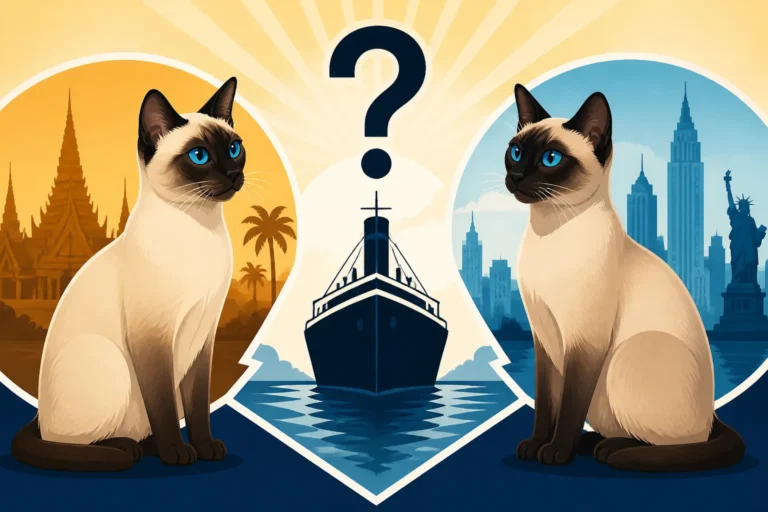
Perhaps one of the most significant ways the Siamese cat earned its "royal" title in the eyes of the world was through its role as a diplomatic gift. The King of Siam would occasionally present these treasured felines to foreign dignitaries and heads of state as tokens of goodwill and friendship. This act alone speaks volumes about their perceived value; you don't send just any cat as a gift to a president or queen.
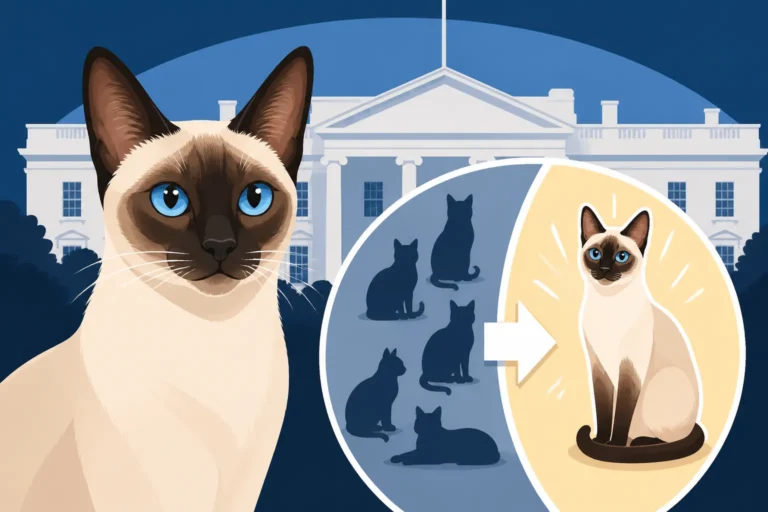
One of the most famous examples of this occurred in 1878 when the King of Siam gifted a Siamese cat named Siam to the U.S. President Rutherford B. Hayes and his wife Lucy. This single act brought the breed into the American consciousness with an undeniable aura of exotic royalty. Who Sent Siam the Siamese Cat to the Hayes White House recounts this fascinating moment in history, highlighting the impact of such diplomatic gestures.
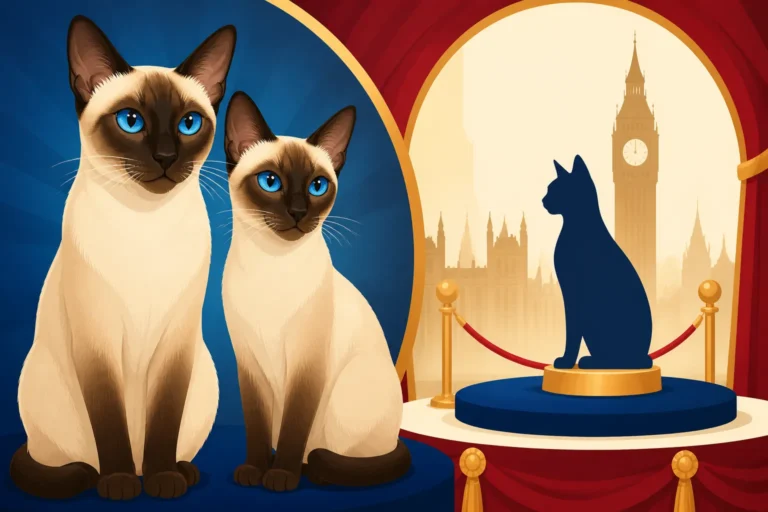
Similarly, the arrival of Pho and Mia, the first pair of Siamese cats documented in Britain, in 1884, as gifts from the King of Siam's brother to a British consul, caused a sensation. They were exotic, beautiful, and carried with them the tales of their regal origins. Pho and Mia Brought the Siamese Cat to Britain in 1884 details their journey and the stir they created, cementing the breed's unique status in the Western world. These diplomatic exchanges weren't just about sharing cats; they were about sharing a piece of Siamese culture and prestige.
Exotic Allure and the "Royal" Label Abroad
When these cats arrived in Western countries, their striking appearance and distinctive personality immediately set them apart. Their sleek bodies, elegant pointed coloration, and piercing blue eyes were unlike anything most Westerners had ever seen in a domestic cat. This exotic allure, combined with their tales of origin in royal palaces and sacred temples, perfectly fit the narrative of a "royal" creature.
The mystery and mystique surrounding their background only added to their charm. Breeders and cat fanciers in the West quickly embraced the Siamese, captivated by their intelligence, vocal nature, and interactive personalities. They weren't just pretty faces; they were intelligent, demanding, and utterly charming companions. This combination of beauty, brains, and a princely backstory ensured that the "royal cat of Siam" moniker became an inseparable part of their identity.
Even as breeding programs expanded and Siamese cats became more accessible, the initial impression of them as regal and exotic pets endured. People were drawn to the idea of owning a cat with such a noble lineage, a connection to ancient kingdoms and powerful rulers. This cultural phenomenon meant that the "royal" label wasn't just a historical footnote; it became a living descriptor of the breed's undeniable charisma.
The Enduring Legacy of a Royal Breed
Even as the world has changed dramatically since the days of ancient Siam, the legacy of the "Royal Cat" continues to define the Siamese breed. It's a title that has permeated popular culture and continues to influence how we perceive these magnificent felines.
A Title That Lasted
The initial impression of the Siamese cat as a regal and exclusive animal, combined with the historical evidence from the Tamra Maew and their role as diplomatic gifts, created an image that truly stuck. The nickname wasn't just a fleeting fancy; it became an integral part of their identity. This enduring title reflects how deeply the Siamese cat was interwoven with the prestige and cultural identity of the Kingdom of Siam. It's a testament to the power of their history and the captivating nature of the legends surrounding them.
This "royal" association has influenced everything from how the breed is depicted in art and literature to how owners perceive their own Siamese companions. Even if a modern Siamese cat might prefer a sunny windowsill to a velvet cushion in a palace, the inherent dignity and commanding presence remain. It’s hard to look at a Siamese cat without seeing a hint of their majestic past in their confident gaze and graceful movements. This cultural memory has been passed down through generations of cat enthusiasts, ensuring the title lives on.
The consistent reinforcement of this image, both through historical accounts and popular representation, meant that the "Royal Cat of Siam" became more than just a historical fact; it became part of the breed's very brand. People understood that a Siamese cat wasn't just any cat; it was the cat with a lineage stretching back to ancient royalty. This intrinsic value, based on their storied past, continues to resonate with those who love and own them.
Modern Siamese: Still Reigning Supreme
Today, while Siamese cats are certainly more accessible than they were to ancient commoners, they still maintain an air of aristocratic elegance. Many owners describe their Siamese as demanding attention, engaging in "conversations," and generally acting as though they are the rightful rulers of their homes. This commanding presence, often combined with an intelligent and somewhat opinionated personality, often feels like a direct echo of their royal heritage.
Modern Siamese cats, whether they are the sleek, modern wedge-headed type or the more robust, traditional applehead, carry themselves with confidence and an expectation of being admired. They often form deep bonds with their human companions, choosing "their" person and bestowing upon them a loyalty that feels almost proprietorial. This isn't just a pet; it's a personality, a force of nature that reminds you daily of their unique character.
Caring for a Siamese often feels like catering to a small, beloved monarch. From choosing high-quality food, perhaps from a trusted retailer like Chewy, to providing ample mental and physical enrichment, Siamese owners understand that these cats deserve the very best. They thrive on interaction and engagement, reminding us that their intelligence and demanding nature are as much a part of their charm as their beautiful appearance. Even now, the "Royal Cat of Siam" continues to rule, not over a kingdom, but over the hearts of those fortunate enough to share their lives with them.
| Feature | Role in "Royal Cat" Status | Historical Context | Modern Reflection |
|---|---|---|---|
| Origin in Siam | Provided exotic, ancient lineage | Native to ancient Kingdom of Siam (Thailand) | Breed's name still references its homeland |
| Tamra Maew | Documented and highly valued the breed | Ancient manuscripts describing auspicious cats | Highlights long-standing reverence and special status |
| Temple Legends | Attributed guardian roles and mystical qualities | Tales of protecting treasures, explaining physical traits | Adds mystique and narrative depth to the breed |
| Exclusive Ownership | Symbolized prestige and royal power | Kept primarily by the King and nobility | Still seen as an elegant, high-status companion |
| Diplomatic Gifts | Demonstrated high value in international relations | Presented to foreign dignitaries and heads of state | Bolstered global recognition as a prized breed |
| Distinct Appearance | Exotic allure captivated Western audiences | Striking pointed coloration, blue eyes, sleek build | Continues to be one of the most recognizable breeds |
Disclaimer
This article is for general informational purposes only and does not constitute professional advice. Laws, prices and regulations vary by location and change over time. Consult a qualified professional for guidance on your specific situation.