Whether Siamese Cats Were Only Owned by Kings
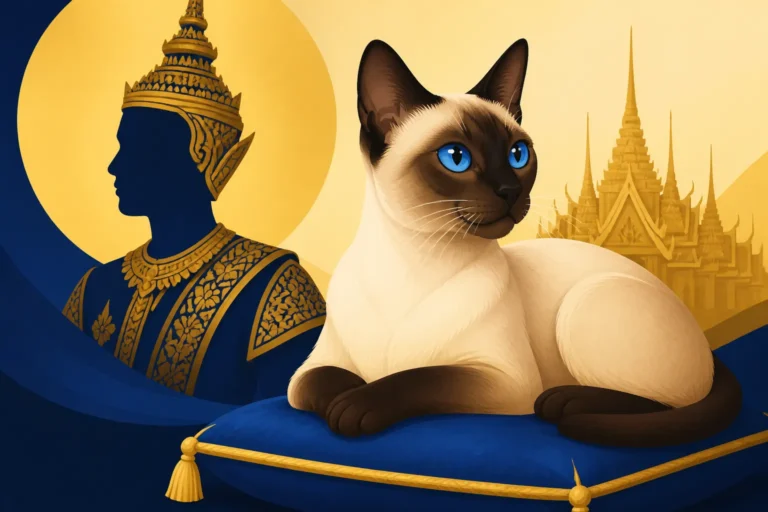
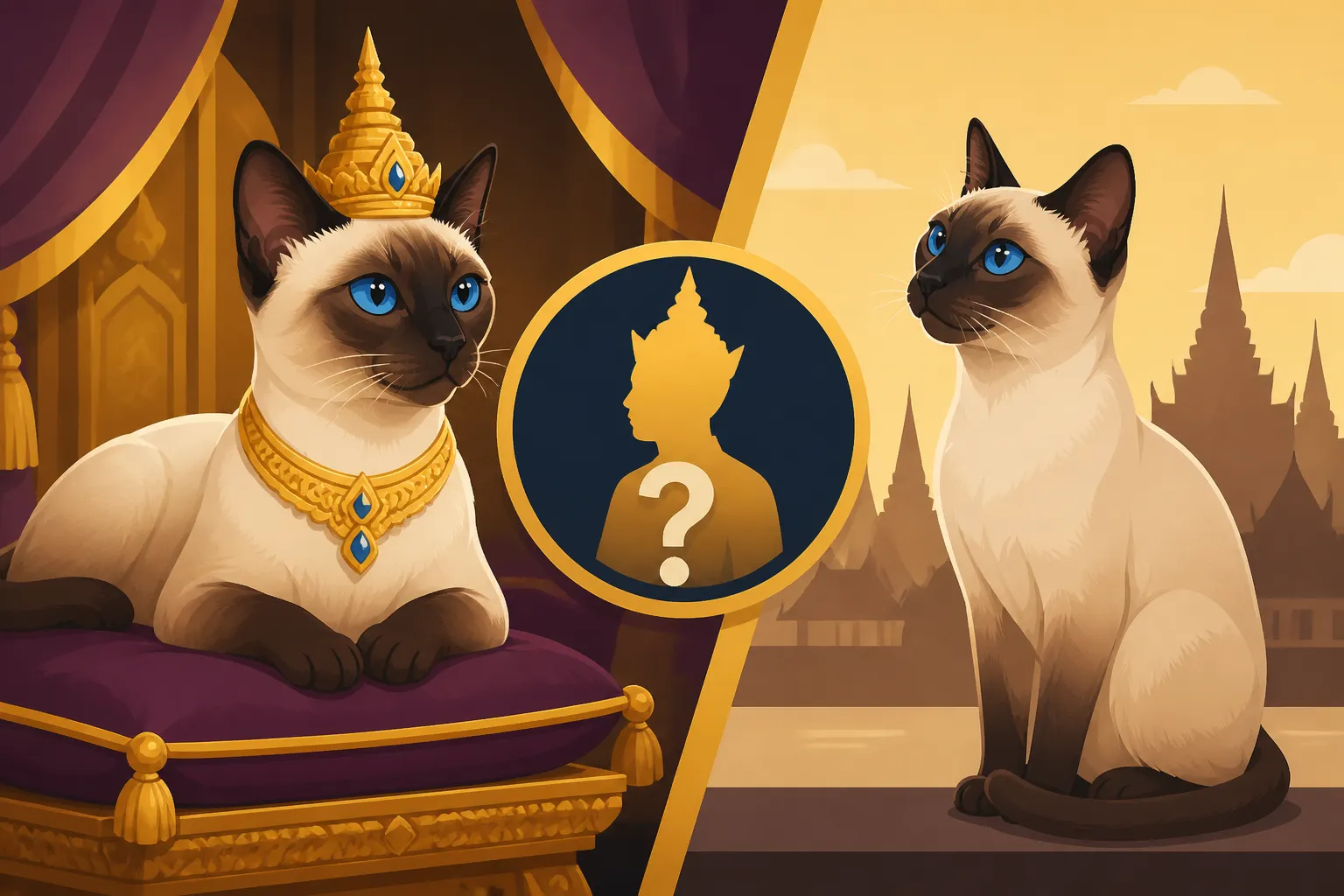
It’s a truly captivating image, isn't it? The sleek, elegant Siamese cat, often pictured draped across silk cushions in a palace, eyes gleaming with ancient wisdom, almost whispering secrets of bygone eras. For many of us who adore this breed, there's a romantic notion that these magnificent creatures were once the exclusive companions of kings and queens in ancient Siam. It’s a powerful origin story that adds to their mystique, making us feel like we’re sharing our homes with a piece of living history. This guide will dive deep into that enchanting narrative, separating the beautiful legends from the historical realities of Siamese cat ownership in their homeland.
The Enchanting Legends of Siamese Royalty
When you look into those piercing blue eyes of a Siamese cat, it’s easy to believe they’ve seen centuries of royal courts and sacred ceremonies. The stories that intertwine Siamese cats with the aristocracy of old Siam (now Thailand) are truly the stuff of legend, and they’ve certainly shaped our modern perception of the breed. It’s a heritage that makes them feel incredibly special, almost a sacred trust.
The Tamra Maew and Sacred Cats
Our understanding of ancient Thai cats, including those that would eventually evolve into what we recognize as the Siamese, often begins with the "Tamra Maew." These ancient manuscripts, essentially cat poetry books, meticulously described and illustrated different types of cats considered fortunate or unlucky. It wasn't just a casual listing; these were texts steeped in spiritual and cultural significance. The cats featured within them were seen as embodiments of various qualities, and their presence was believed to bring good fortune, prosperity, or even protection.
While these texts didn't explicitly use the term "Siamese cat" as we understand it today, they detailed cats with specific physical characteristics that strongly resemble the early forms of the breed. For instance, cats with pale bodies and darker points on their extremities were certainly among those highly valued. It wasn't just about their aesthetic appeal; it was about the feeling they evoked and the blessings they were believed to bestow upon their human companions. Imagine living in a time when your cat wasn't just a pet, but a living talisman. It's a far cry from the utilitarian view of cats as mere pest control, and certainly elevates their status to something truly profound. For a deeper look, check out What the Tamra Maew Manuscripts Show About the Siamese Cat.
Temple Guardians and Royal Companions
The legends often paint vivid pictures of Siamese cats as guardians of ancient temples, their keen senses and alert nature making them perfect protectors of sacred spaces and valuable artifacts. They’re said to have sat watch over precious golden goblets, their tails kinking from clutching them too tightly, and their eyes crossing from staring intently at the treasures within. While these are delightful tales, the reality might have been a bit more nuanced. Cats were indeed an integral part of temple life, much like they were in many spiritual centers around the world. They provided companionship, and yes, they helped keep rodents in check, ensuring the preservation of scrolls and other important items.
Beyond the temples, the idea of Siamese cats as exclusive companions to royalty is a pervasive and appealing one. It's easy to envision a king or queen with a loyal, talkative Siamese cat nestled at their side. These cats weren't just decorative; they were believed to possess a unique connection to the spiritual world, making them suitable companions for those in power. It’s not hard to see why this narrative took hold. Their striking appearance, coupled with their intelligent and demanding personalities, naturally lends itself to stories of elevated status. The very notion that they might have accompanied deceased royalty into the afterlife, their souls intertwined, further solidified their almost divine status, as explored in Whether a Siamese Cat Was Buried With Royalty. The romantic idea of these cats acting as vigilant, sentient protectors, always alert and deeply bonded to their royal masters, became a cornerstone of their mystique.
The "Royal Cat of Siam" Title
The designation "Royal Cat of Siam" didn't just appear out of thin air; it was a label that developed over time, largely influenced by Western perceptions and the narratives surrounding the breed's introduction to the Western world. When the first Siamese cats were brought to Europe and America in the late 19th century, they were exotic, rare, and captivating. They quickly captured the imagination of the public, and the idea of them being special, owned only by the highest echelons of Siamese society, certainly added to their allure and value.
This title, while not necessarily a formal decree from the Siamese monarchy stating "only kings may own these cats," was a powerful branding tool. It distinguished them from common domestic cats and cemented their image as regal, aristocratic animals. It implied exclusivity and a treasured heritage, which was undoubtedly attractive to wealthy Westerners seeking unique and prestigious pets. Think of it as a historical marketing campaign, fueled by genuine admiration for the cats themselves. This idea played a significant role in how the breed was perceived and valued, propelling it into the spotlight of early cat fancy. Understanding Why the Siamese Cat Was Called the Royal Cat of Siam sheds more light on this fascinating aspect of their history.
Beyond the Palace Walls: Ownership in Ancient Siam
While the legends of royal cats are enchanting, they only tell part of the story. The reality of cat ownership in ancient Siam was likely more diverse than a simple "kings only" narrative suggests. Cats, even those with the distinctive point coloration, were an integral part of everyday life for many, not just those dwelling within palace walls.
Cats for Everyone
In any historical society, animals serve various roles, from working animals to companions. In ancient Siam, cats were certainly appreciated for their beauty and mystique, but they also performed essential duties. For common folk, a cat was an invaluable asset for pest control, protecting precious grain stores and homes from rodents and snakes. A healthy, capable cat meant the difference between a bountiful harvest and one ravaged by pests. It's a practical aspect of cat ownership that often gets overlooked when we focus on the romanticized image of royal pets.
While the "Tamra Maew" highlighted auspicious cats, it's unlikely that every single cat fitting those descriptions was sequestered for royalty. The local villagers, farmers, and merchants would undoubtedly have had cats in their homes. These cats, through natural breeding, would have passed down their genetic traits, including the colorpoint gene that gives the Siamese its distinctive appearance. The notion that every single cat with specific characteristics was immediately scooped up by the monarchy is, while lovely to imagine, probably not entirely accurate for the entirety of What Siam Was When the Siamese Cat Was Named. It’s more realistic to picture a society where cats were a common, valued presence across all social strata, with certain individuals or types of cats held in higher esteem.
Village Life and Natural Breeding
Cats, by their very nature, are survivors and prolific breeders. In the villages and towns of ancient Siam, cats would have roamed, lived, and reproduced, creating a diverse feline population. Among these cats, those carrying the genetic mutation for colorpoint coloration would naturally have appeared. This isn't a trait that only manifests in royal households; it's a genetic lottery that happens wherever cats breed.
Imagine a busy village market, with cats weaving between stalls, seeking out scraps. Some might have had the familiar dark points, others solid colors. Over generations, these cats would have continued to breed. The selective breeding for the exaggerated features we sometimes see in modern show Siamese cats – the extreme wedge head or very slender body – was largely a Western development. In Siam, the emphasis was more on the cat's overall health, character, and the auspicious signs it might carry, rather than strict adherence to a physical standard. The diverse population of cats across Siam, from palace to humble dwelling, contributed to the gene pool from which the modern Siamese eventually emerged. It truly puts into perspective How Old the Siamese Cat Breed Is and its gradual development.
Early Exports and Western Fascination
The story of the Siamese cat truly captured the Western world’s imagination when they first arrived on foreign shores. These were not just cats; they were emissaries from a distant, mysterious land. While some early Siamese cats were indeed gifted by the King of Siam to foreign dignitaries, such as "Siam" who was sent to President Rutherford B. Hayes in 1878, as detailed in Who Sent Siam the Siamese Cat to the Hayes White House, this wasn't the only way they left their homeland.
Missionaries, traders, and travelers also brought cats back to their home countries. It’s plausible that some of these cats were acquired through less formal channels than royal decree. Once in the West, their unique appearance and charismatic personalities created an immediate sensation. The "royal cat" narrative was eagerly embraced and amplified, adding an exotic allure that boosted their popularity among breeders and enthusiasts. The fascination was so profound that more cats were sought, and soon, dedicated breeding programs began to establish the distinct Siamese breed lines we know today. This period marks a pivotal shift, where the Siamese cat transitioned from being a cherished native cat to a globally recognized and highly sought-after pedigree breed, demonstrating that Whether the Siamese Cat Was Ever Exported Freely wasn't just a matter of royal gifts.
Modern Siamese Cats: Regal in Every Home
Today, the Siamese cat is cherished by countless families worldwide, transcending its ancient origins and becoming a beloved companion. While the "kings-only" myth has largely faded from common belief, the breed's regal demeanor and captivating personality ensure that every Siamese owner feels like they have a royal in their home.
Accessibility in the Modern Era
Gone are the days when a Siamese cat might only be glimpsed in royal courts or whispered about in ancient texts. Today, these magnificent felines are widely accessible, making it possible for many to welcome their charming personalities into their lives. Reputable breeders work diligently to maintain the breed's health and temperament, while cat rescues frequently have Siamese cats or Siamese mixes looking for forever homes. This accessibility means that you don't need a crown or a palace to experience the joy of a Siamese cat; a loving home and a commitment to their well-being are all that's required.
Of course, acquiring a Siamese cat still involves a significant commitment. Researching breeders, understanding health screenings, and preparing your home for such an intelligent and vocal companion are all part of the journey. But the barriers of ancient royalty are long gone, replaced by a welcoming community of enthusiasts who appreciate the breed's unique qualities.
Treating Every Siamese Like Royalty
Even without a royal lineage, every Siamese cat deserves to be treated like the king or queen they are in our hearts. Their demanding nature and need for interaction mean they thrive when they are the center of attention and their needs are met with dedication. This "royal treatment" isn't about extravagance, but about providing a high quality of life that caters to their specific needs.
This means investing in good nutrition – a balanced diet that supports their lean, muscular build and energetic lifestyle. You might find yourself perusing options on sites like Chewy, looking for premium wet foods or specialized kibble that meets their dietary requirements. Beyond food, it's about providing ample mental and physical enrichment. Think tall cat trees for climbing, puzzle feeders to challenge their clever minds, and a plethora of interactive toys that keep them engaged and prevent boredom, which can lead to behavioral issues.
Consider their comfort: a warm, cozy bed (perhaps even a heated one, as Siamese cats can be sensitive to cold due to their lack of undercoat), clean litter boxes strategically placed, and plenty of opportunities for cuddles and conversation. A Siamese craves interaction, so regular play sessions and one-on-one time are paramount. It’s about creating an environment where their intelligent minds are stimulated, their vocal demands are acknowledged, and their affectionate nature is reciprocated. Providing them with the best, from nutritious food to engaging toys, is our modern way of honoring their magnificent heritage. For instance, finding durable toys and enriching playthings on a platform like Chewy can be a game-changer for keeping a clever Siamese entertained.
Here's a quick comparison of the historical perception versus likely reality:
| Feature | Historical Perception (Royal Legend) | Historical Reality (Likely Scenario) |
|---|---|---|
| Ownership | Exclusively owned by kings, queens, and high-ranking nobility. | Prized by royalty, but also present in temples and common households. |
| Purpose | Sacred companions, temple guardians, symbols of prestige. | Companionship, pest control, valued for auspicious qualities across society. |
| Numbers | Extremely rare, confined to palaces and sacred grounds. | More widespread, naturally breeding within the general cat population. |
| Exportation | Only granted as diplomatic gifts by the King of Siam. | Also acquired by traders, missionaries, and travelers. |
| Breeder Selection | Ancient Siamese focused on spiritual significance and natural traits. | Western breeders later developed distinct physical standards. |
The Enduring Allure
The legends surrounding the Siamese cat, while perhaps not entirely historically accurate in their exclusivity, undeniably contribute to the breed's enduring allure. There's something undeniably special about owning a cat whose ancestors were believed to walk the hallowed halls of ancient palaces. This rich backstory adds a layer of mystique and charm that few other breeds can claim.
It’s a powerful narrative that connects us to a fascinating past, even as we enjoy the companionship of our modern Siamese cats. Their striking looks, combined with their intelligent, vocal, and affectionate personalities, make them truly unforgettable. Whether they were exclusively owned by kings or simply highly valued by them, the Siamese cat has always been a cat of distinction. Today, every Siamese cat, from the one curling up on your lap to the one playfully batting at a toy ordered from a place like Chewy, carries that regal legacy, enriching our lives with their unique charm and ancient spirit.
Disclaimer
This article is for general informational purposes only and does not constitute professional advice. Laws, prices and regulations vary by location and change over time. Consult a qualified professional for guidance on your specific situation.