What Siam Was When the Siamese Cat Was Named
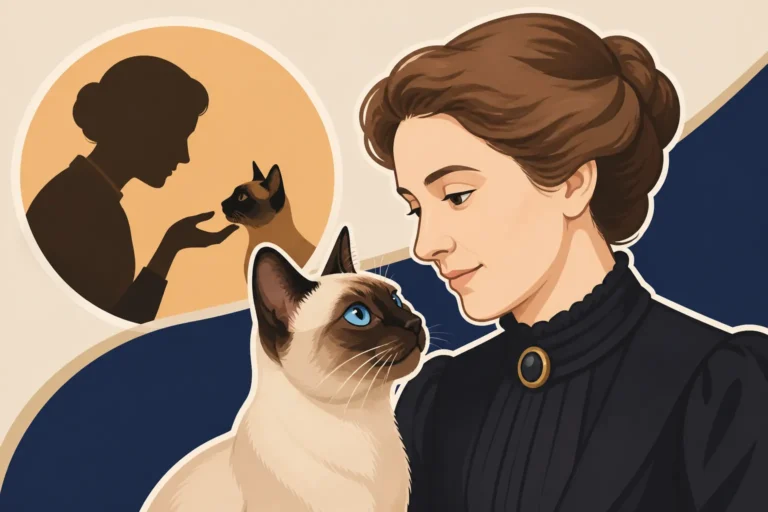
When you welcome a beautiful, vocal Siamese cat into your home, you're not just getting a pet; you're adopting a living piece of history, a feline ambassador from a distant, ancient kingdom. Many people know these cats trace their origins to Siam, but few truly understand the rich, complex tapestry of what Siam actually was when this remarkable breed first captured the attention of the Western world. This guide will take you on a journey back in time, exploring the vibrant culture, society, and spirit of the land that gave us the beloved Siamese cat, helping you appreciate the depth of their heritage.
The Kingdom of Siam: A Glimpse into its Heyday
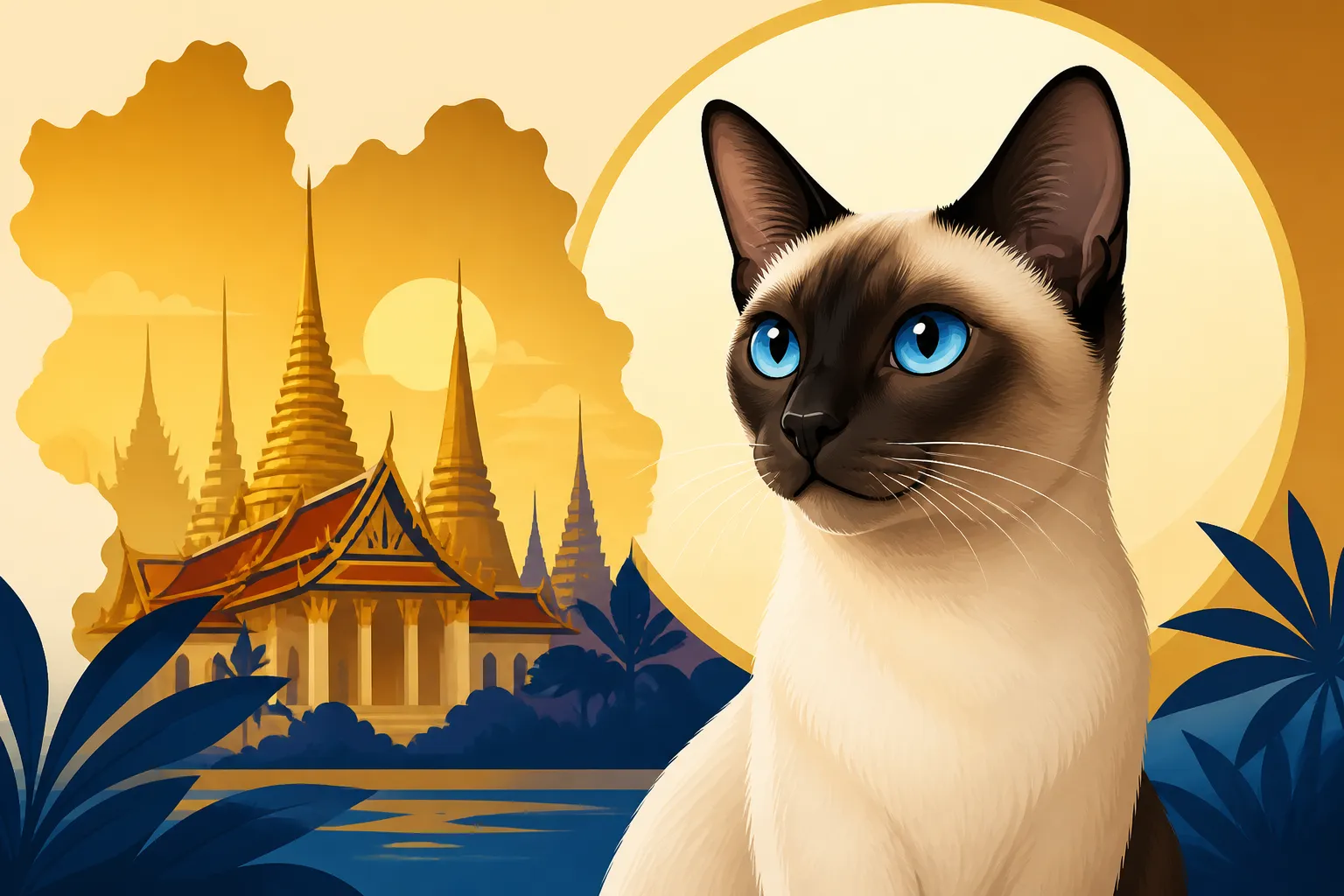
Before it became modern-day Thailand, Siam was a powerful, independent kingdom in Southeast Asia, rich in culture, tradition, and strategic importance. It was a land of intricate temples, bustling markets, and a deeply spiritual populace, shaped by centuries of history and surrounded by powerful neighbors. Understanding this backdrop is crucial to appreciating the environment from which the Siamese cat emerged.
A Land of Monarchy and Spirituality
Siam was an absolute monarchy, with a revered king at its head, considered a semi-divine figure. The monarchy was the heart of the nation, influencing every aspect of life from governance to religion and social structure. Buddhism was, and remains, the predominant religion, deeply woven into the fabric of daily life. Grand temples, or wats, dotted the landscape, serving as centers for worship, education, and community gathering. The reverence for life, including animals, was a significant aspect of this spiritual framework.
Imagine a kingdom where reverence for sacred texts and ancient wisdom guided everything. This wasn't just a political system; it was a deeply ingrained way of life that honored tradition and hierarchy. The cats that lived within this society weren't just ordinary barn cats; they held a special place, often associated with these very temples and the royal court. This deep spiritual connection is part of The Siamese Cat Came From Siam, Not Thailand's true legacy.
Economic and Cultural Vibrancy
Economically, Siam was primarily an agrarian society, with rice cultivation forming the backbone of its prosperity. However, it was also a hub for trade, strategically located on ancient maritime routes. Merchants from India, China, and later Europe, brought exotic goods and ideas, contributing to a vibrant cultural exchange. The capital cities, like Ayutthaya and later Bangkok, were magnificent centers of art, architecture, and intellectual pursuit.
Picture the bustling waterways, crowded with long-tail boats laden with goods, and the air filled with the scent of spices and jasmine. Artisans crafted intricate silverwork, silk textiles, and beautiful pottery. This was a society that valued beauty, refinement, and tradition, traits that, in a way, are mirrored in the elegant, refined appearance of the Siamese cat itself. This sophisticated environment was far from a rural backwater; it was a flourishing empire.
The Royal Cats of Siam: More Than Just Pets
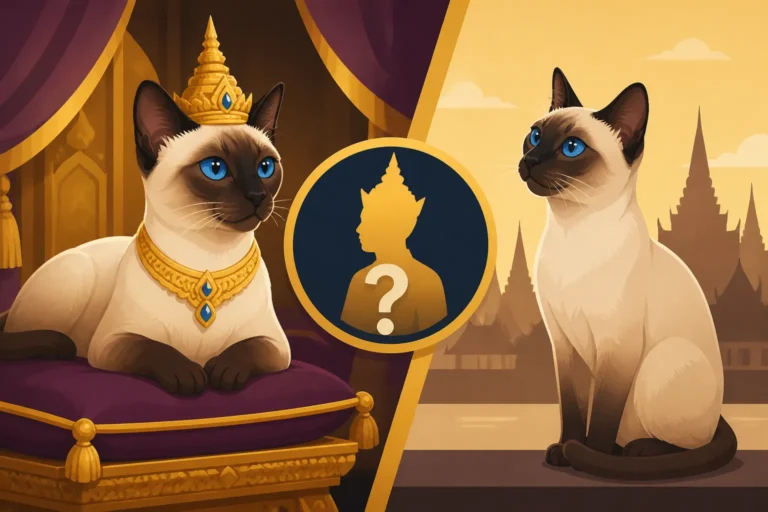
Within this rich cultural landscape, certain cats held a uniquely elevated status. The specific breed we now know as the Siamese cat was then known as the "Wichianmat," a term that translates roughly to "moon diamond." These cats weren't merely companions; they were considered guardians, companions to royalty, and even sacred beings, imbued with a special spiritual significance.
The Wichianmat and Their Mystical Aura
The Wichianmat cats were distinctive. Their striking coloration, elegant form, and piercing blue eyes set them apart. Ancient manuscripts, such as the What the Tamra Maew Manuscripts Show About the Siamese Cat, meticulously described these cats, highlighting their unique features and the beliefs surrounding them. These texts often depict them with "point" coloration, where the extremities are darker, and a body that remains paler.
It’s easy to see why these cats were considered special. Their intense gaze and almost otherworldly appearance would have captured the imagination of anyone encountering them. They were not common street cats; they were aristocratic, mysterious, and highly prized. It was widely believed that Whether Only Royalty Kept the Siamese Cat was common knowledge, reinforcing their noble standing.
Legends and Their Enduring Influence
Siam's rich oral tradition and written lore are filled with legends surrounding these cats. Tales often speak of them guarding sacred temples, protecting ancient scrolls, or serving royal princesses. One popular legend attributes the Siamese cat's crossed eyes to their diligent watching of sacred golden goblets, and their kinked tails to wrapping them around these precious items for safekeeping. These stories, whether literal truth or charming folklore, reveal the profound respect and affection the people of Siam had for these animals. You can delve more into these fascinating stories with The Temple Legends Behind a Siamese Cat's Kinked Tail.
These legends weren't just quaint stories; they were part of the identity of these cats. They helped shape how the Wichianmat were perceived and revered within Siamese society, imbuing them with a sense of purpose beyond simple companionship. This deep cultural reverence meant that when these cats eventually traveled to the West, they carried with them an aura of exoticism and noble heritage.
Siam's Encounter with the West and the Cat's Journey
The latter half of the 19th century saw Siam navigating an increasingly complex relationship with Western colonial powers. Unlike many of its neighbors, Siam managed to maintain its independence through shrewd diplomacy and strategic modernization efforts, largely under the reigns of King Mongkut (Rama IV) and his son, King Chulalongkorn (Rama V). This period of engagement with the West was pivotal for the Siamese cat's global journey.
Diplomacy, Gifts, and Global Fascination
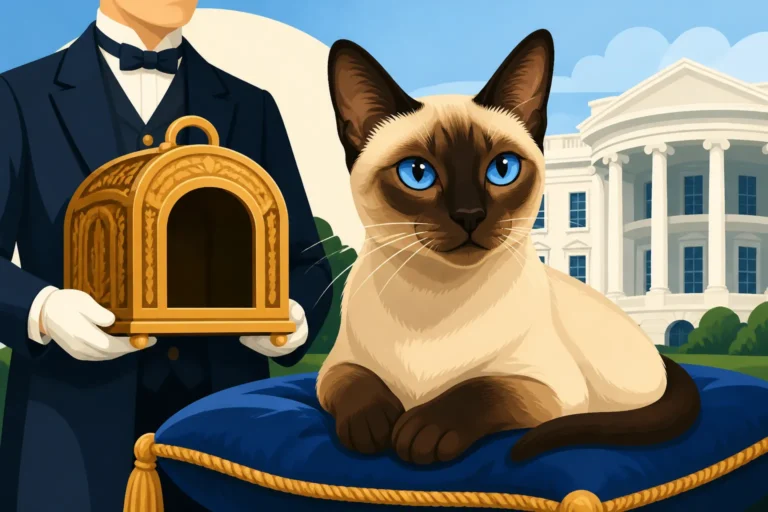
As Siam opened its doors to Western diplomats, missionaries, and traders, a fascination with its unique culture and exotic animals grew. It became customary for the Siamese monarchy to present rare and valuable gifts to foreign dignitaries as tokens of goodwill. Among these cherished gifts were the beautiful Wichianmat cats. It's truly fascinating to think that these early cats were not simply pets, but living symbols of diplomatic ties and cultural exchange.
This practice led to the first known instances of these cats leaving their homeland. Imagine the surprise and delight of a Western diplomat receiving such an elegant and unusual creature! These gifts paved the way for the breed's introduction to Europe and America, where they were immediately met with curiosity and admiration. This is where Who Brought the First Siamese Cat to Britain becomes a part of their global story.
The Formal Naming and Early Western Perception
Upon their arrival in the West, these cats were naturally referred to by the name of their country of origin: Siam. Hence, the "Siamese cat" was born, a name that inextricably linked the breed to its exotic homeland. Early Western descriptions often emphasized their unusual appearance, intelligence, and vocal nature, traits that were quite distinct from the domestic cats commonly found in Europe and America at the time.
This early perception, fueled by their royal origins and the romanticized view of "the Orient," positioned the Siamese cat as a prestigious and fashionable pet. Owning a Siamese was a statement, a nod to an exotic world that most people only dreamed of visiting. The allure of their homeland contributed immensely to their mystique and desirability. They quickly went from royal gifts to prized possessions in elite Western households, truly earning the title Why the Siamese Cat Was Called the Royal Cat of Siam.
The Lasting Echoes of Siam in the Modern Siamese Cat
While Siam has since become Thailand, and the world has undergone dramatic changes, the legacy of that ancient kingdom continues to resonate within every Siamese cat. From their distinctive appearance to their intelligent demeanor and vocal nature, the essence of their historical home remains.
Enduring Physical Traits
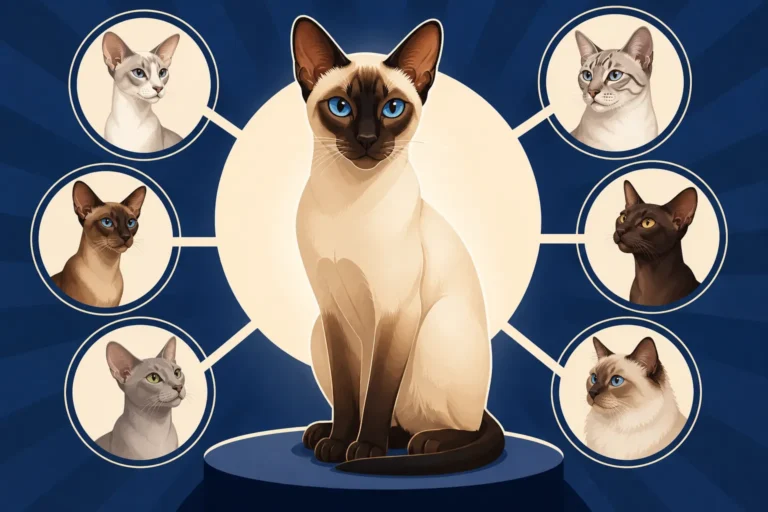
The striking point coloration of the Siamese cat, with its darker extremities and lighter body, is a direct result of the specific gene responsible for their unique thermoregulatory pigmentation. This genetic quirk, which causes pigment to develop only in cooler parts of the body, creates a visual link to their origins in a warm climate. Even today, the nuances of their color are a testament to their genetic blueprint from that distant land. What the Wichianmat Behind the Siamese Cat Is remains relevant to their physical characteristics.
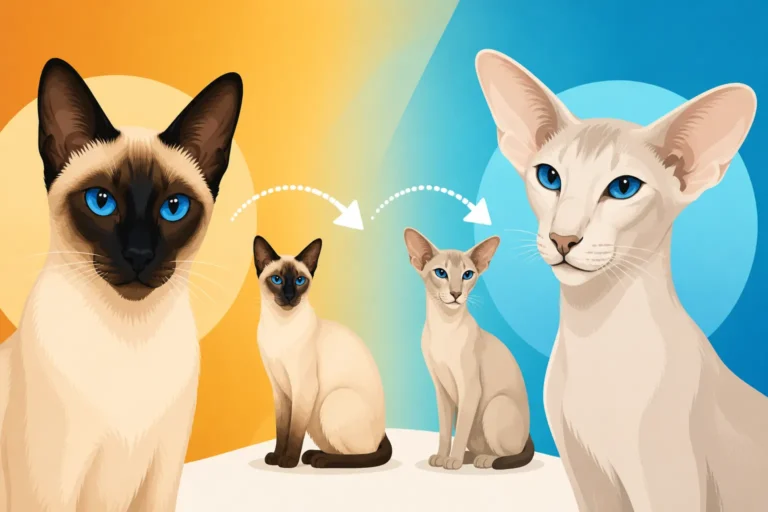
The sleek, muscular build and elegant lines of the modern Siamese still echo the descriptions found in ancient Siamese manuscripts. While breeding trends have evolved, the fundamental elegance and distinctive features that set them apart centuries ago are still very much present.
Personality Reflecting a Rich History
Beyond their looks, the personality of the Siamese cat also carries echoes of their past. Their intelligence, curiosity, and highly vocal nature—often described as a demanding "Meezer yowl"—speak to a breed that was accustomed to interaction and being heard, perhaps even within royal courts. They are not shy, retiring cats; they are assertive, engaging, and expect to be part of the family, traits that might have served them well in the bustling, interactive environment of ancient Siam.
They thrive on companionship and mental stimulation, a reflection of a breed that likely interacted closely with people, possibly even being trained or participating in household activities. This isn't a cat content to merely observe; it wants to participate, much like an active member of the household would have been in the royal courts of old.
Connecting Past and Present Care
Today, caring for a Siamese cat, while benefiting from modern veterinary science and accessible supplies, still requires an appreciation for their unique needs. Whether it’s providing ample mental enrichment, addressing their vocal tendencies, or ensuring they have a warm, comfortable environment to prevent their points from darkening too much, understanding their origins helps us be better owners. You can easily find high-quality food, stimulating toys, and cozy beds from retailers like Chewy, ensuring your modern Siamese enjoys a life of comfort and engagement, much like their royal ancestors would have, albeit with different amenities.
In a way, when you bring a Siamese into your home, you're continuing a tradition of companionship and appreciation that stretches back through centuries to the Kingdom of Siam. Even their playful antics and demanding chatter link them to a time when they were revered creatures in a land far away. And while the name Siam has changed to Thailand, the heart of the breed, often referred to fondly as What Thai People Call the Siamese Cat Today, remains vibrantly connected to its storied past.
Here's a quick look at how the perception of the Siamese cat evolved from its origins in Siam to its global recognition:
| Period | Name of Country | Cat's Status in Homeland | Western Perception After Arrival | Key Characteristic Emphasized |
|---|---|---|---|---|
| Ancient/Pre-19th Century | Siam | Wichianmat, Royal, Sacred | Unknown (not widely known) | Elegance, Mystique |
| 19th Century (Early Export) | Siam | Royal Gift, Exotic | Exotic, Aristocratic | Unique Appearance, Intelligence |
| 20th Century & Beyond | Thailand | Beloved Breed | Intelligent, Vocal, Companion | Personality, Affection |
Owning a Siamese cat is truly a daily connection to history, a vibrant and vocal reminder of an ancient kingdom that valued beauty, intelligence, and a certain regal charm. With modern resources, like the wide array of products available on Chewy, it's easier than ever to cater to these unique creatures, ensuring they continue to thrive and bring joy, just as they did in the palaces of old Siam.
Disclaimer
This article is for general informational purposes only and does not constitute professional advice. Laws, prices and regulations vary by location and change over time. Consult a qualified professional for guidance on your specific situation.