Whether a Siamese Cat Was Buried With Royalty
There's a fascinating mystique surrounding the Siamese cat, a breed steeped in royal history and ancient legends. Many of us have heard whispers of these elegant felines serving alongside kings and queens in old Siam, but one particular question often arises: was a Siamese cat actually buried with royalty? It’s a compelling thought that conjures images of devotion and spiritual significance, and it speaks to the deep connection people have always felt with these extraordinary animals. This guide dives into the rich tapestry of history and folklore to explore the truth behind this captivating question, separating the grand legends from historical fact.
The Sacred Cats of Siam: Fact and Legend
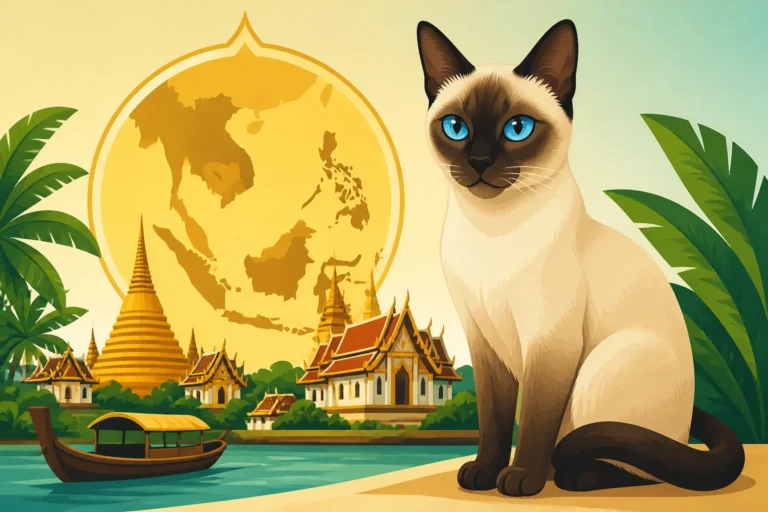
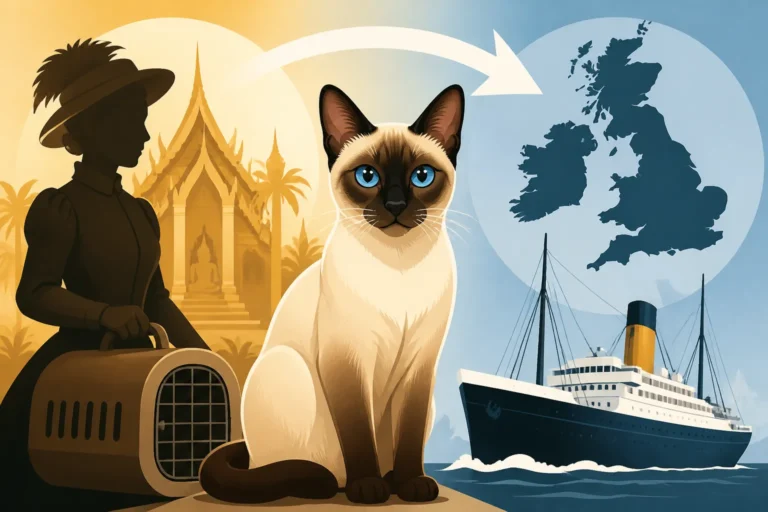
The Siamese cat, with its striking blue eyes and distinctive color points, has captivated hearts for centuries. Their origins are deeply rooted in the ancient kingdom of Siam, which we now know as Thailand, where they were far more than just pets; they were revered beings, woven into the very fabric of royal and religious life.
The Ancient Roots of the Siamese Cat
Before they were known as "Siamese" cats in the Western world, these beautiful felines were called Wichianmat in their homeland. The earliest documented evidence of these cats comes from the ancient manuscript known as the What the Tamra Maew Manuscripts Show About the Siamese Cat, or "Cat Poems," penned centuries ago. This illuminated manuscript describes various types of cats native to Siam, and the Wichianmat, with its distinctive dark points and pale body, is clearly among them. These texts don't just describe their appearance; they allude to their esteemed status and unique characteristics, hinting at the special place they held in society.
These cats weren't just common alley cats; they were considered living treasures. Their unique coloration, which scientists now understand is due to a temperature-sensitive albinism gene, was seen as a mark of distinction. Imagine these regal creatures, with their sleek bodies and intelligent gaze, moving silently through ancient palaces and temples. It's easy to see why they became so intrinsically linked with the highest echelons of society. Their very presence added an air of elegance and mystique to any setting, further solidifying their reputation as something truly special. For more about their ancient name, you can explore What the Wichianmat Behind the Siamese Cat Is.
Royal Association and Prized Companions
The prevailing narrative has always been that the Siamese cat was the exclusive companion of Siamese royalty and high-ranking Buddhist monks. This idea of them being Whether Siamese Cats Were Only Owned by Kings is a romantic one, suggesting a profound connection between these felines and the ruling class. While it's difficult to prove absolute exclusivity—historical records can be tricky—there's no doubt they were profoundly treasured by the monarchy. Kings and queens were believed to have kept these cats within palace walls, appreciating their beauty, intelligence, and unique vocalizations.
These cats weren't merely decorative; they were active, engaging companions. Their communicative nature, often described as "talking," would have made them fascinating companions in a quiet palace. They were not just animals, but almost members of the court, held in high regard for their perceived wisdom and ability to bring good fortune. The idea that they were Whether Siamese Cats Guarded Temples also speaks to this revered status, suggesting they were seen as protectors or spiritual guardians. This deep association with royalty is part of what makes the breed's history so compelling and fuels many of the legends surrounding them. Their presence in the royal court lent them an aura of sacredness and importance that has endured to this day.
The Journey to the Afterlife: Rituals and Beliefs
The most intriguing aspect of the Siamese cat's connection to royalty is undoubtedly the belief surrounding their role in the journey to the afterlife. It's a tale that speaks volumes about the spiritual worldview of ancient Siam and the profound bond between humans and animals.
The Tradition of the "Cat of Passage"
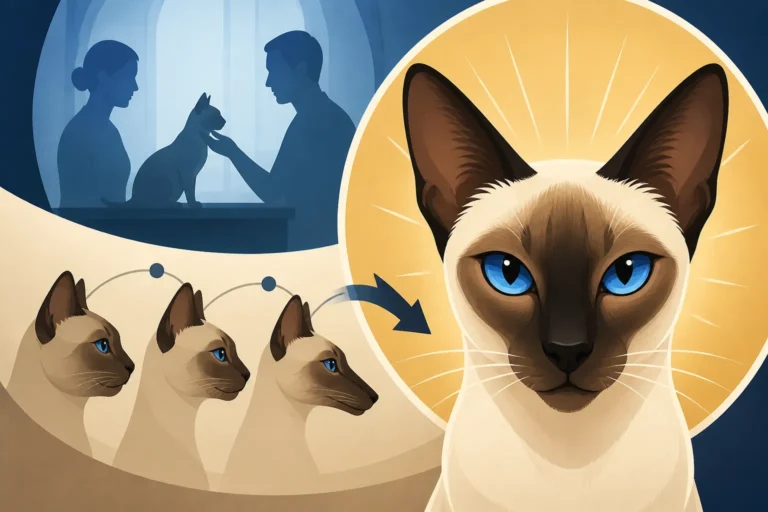
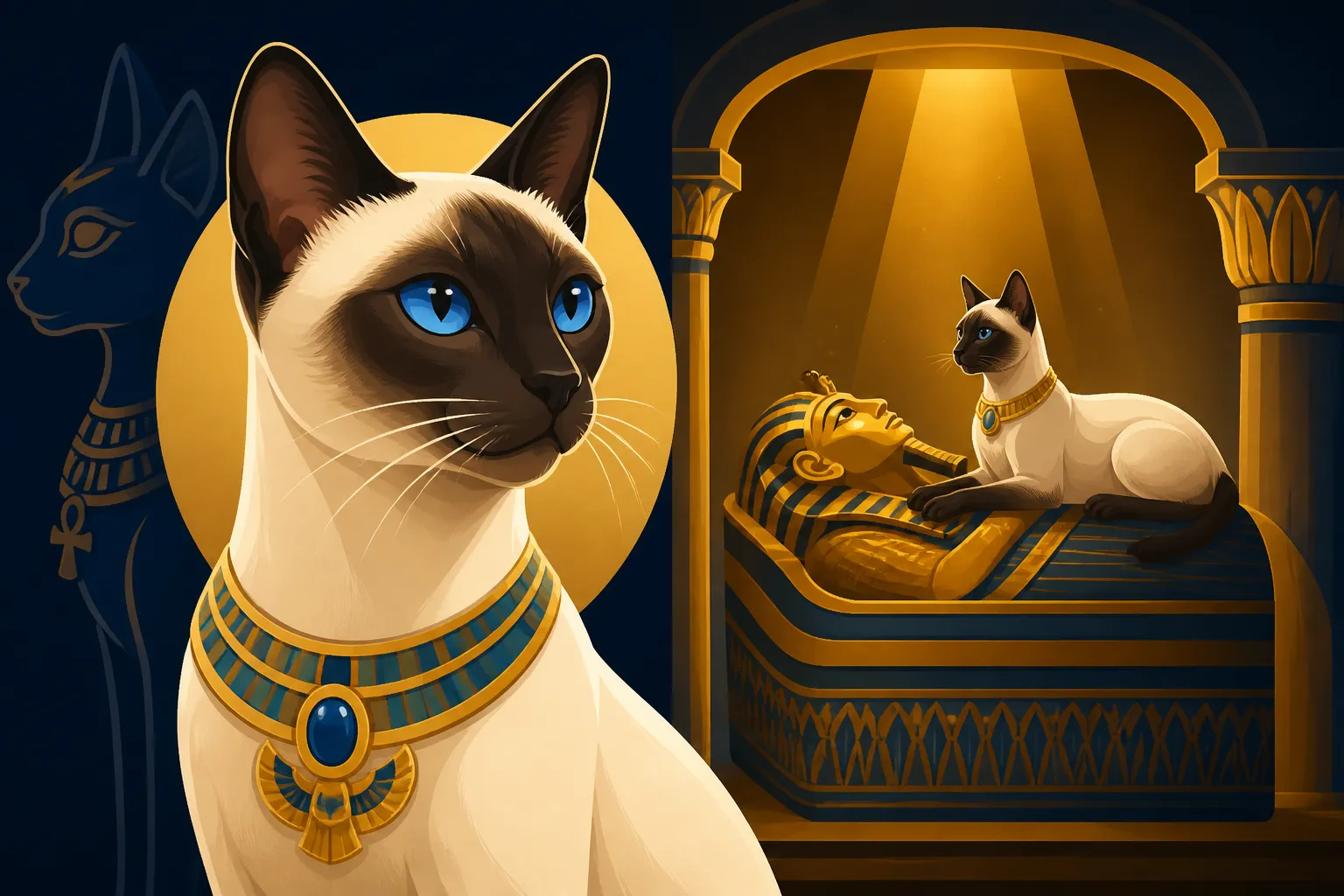
Here's where the legend truly takes hold: the notion that a Siamese cat played a crucial role in royal funeral rites. The story isn't necessarily about a cat being physically buried in the ground alongside a deceased monarch. Instead, it describes a more profound, symbolic act. When a member of the royal family passed away, a living Siamese cat, often a specific cherished pet, would be placed in or near the coffin before burial or cremation. The belief was that the departing soul of the deceased royal would then enter the body of the cat. This living cat, carrying the royal soul, would then be brought to the coronation of the new monarch, effectively signifying the continuity of the royal spirit and acting as a vessel for the monarch's presence in the next world.
Imagine the solemnity of such a ritual: the hushed reverence, the weight of tradition. The cat wasn't just a beloved pet; it was a sacred conduit, a living bridge between worlds. This "Cat of Passage" tradition wasn't about burying the cat itself, but rather about its vital role in the spiritual transition. The cat would live out its days in luxury and honor within the temple grounds, revered as a living embodiment of the departed royal. This practice highlights not only the spiritual significance attributed to the Siamese cat but also the deep respect and care bestowed upon these animals within Siamese culture.
Differentiating Fact from Folklore
It’s crucial to understand that while these stories are rich and deeply embedded in Thai culture, concrete, undisputed historical records or archaeological evidence directly confirming the literal burial of Siamese cats with royalty in the way Western cultures might bury a treasured possession are quite scarce. The tales primarily describe symbolic roles, like the "Cat of Passage," rather than actual interment. Much of what we know comes from oral traditions, anecdotal accounts passed down through generations, and interpretations of ancient texts like the Tamra Maew, which speak of the cat's revered status without explicitly detailing funeral rituals in modern archaeological terms.
The line between spiritual belief, ceremonial practice, and pure folklore can blur over centuries. These legends undoubtedly reflect the profound cultural value placed on Siamese cats. They speak to a time when animals, especially those with unique characteristics, were seen as holding spiritual power or representing a connection to the divine. The enduring popularity of these narratives shows how deeply we connect with the idea of these cats being more than just pets. It's part of what makes their history so romantic and mysterious, even if precise historical documentation for every aspect of the legend isn't readily available. This blend of fact and folklore contributes to What People Get Wrong About the Siamese Cat in various ways, but it certainly adds to their allure.
The Modern Understanding of Siamese Cat Heritage
Today, the Siamese cat remains one of the most recognizable and beloved cat breeds in the world. Its ancient heritage continues to resonate, shaping how we perceive and care for these vocal, intelligent companions.
How Legends Shape Our View of the Breed
The enchanting legends of Siamese cats, particularly their association with royalty and their symbolic role in the afterlife, have undoubtedly contributed to their enduring mystique and appeal. Even now, when we gaze into those striking blue eyes or hear that distinctive "meezer yowl," we can almost feel the echoes of ancient Siam. This rich backstory gives the breed a certain gravitas, making them feel less like an ordinary house cat and more like a living piece of history. Their reputation for intelligence, their almost dog-like loyalty, and their highly communicative nature all seem to fit perfectly with the image of a cat chosen by kings. It's a powerful narrative that draws many people to the breed, inspiring a sense of respect and admiration that goes beyond mere aesthetics.
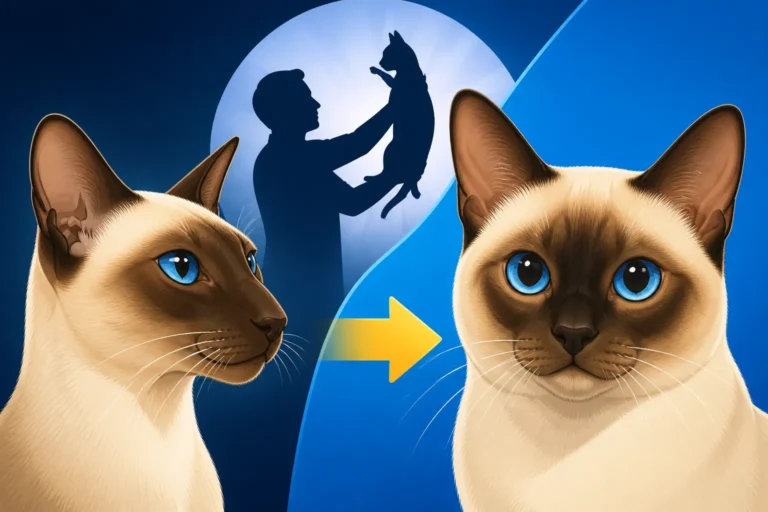
This fascination with their heritage also sparks curiosity about their physical traits, like the once-common crossed eyes or kinked tails. While modern breed standards, like those for What the Siamese Cat Standard Asks For, often consider these traits faults, their presence in ancient lore reminds us of a different era where such uniqueness might have been celebrated as a sign of their sacred origins. The history of the breed, from its ancient roots in The Siamese Cat Came From Siam, Not Thailand to its global recognition today, is intrinsically linked to these captivating stories.
Preserving the Legacy Through Responsible Ownership
For those of us lucky enough to share our lives with a Siamese cat today, preserving their legacy isn't about re-enacting ancient rituals. Instead, it's about providing responsible, loving care that honors their unique needs and celebrates their incredible intelligence and personality. This means understanding their demanding nature—their need for constant companionship, mental stimulation, and a rich, interactive environment. A bored Siamese is often a mischievous one! Ensuring they have plenty of toys, scratching posts, and engaging activities is crucial. Brands like Chewy offer a fantastic array of puzzle feeders and interactive toys that can keep these clever cats entertained for hours, preventing them from developing stress-related behaviors.
Modern care also involves a deep commitment to their health. While we no longer believe they carry royal souls to the afterlife, we certainly want them to live long, healthy lives with us. This means regular veterinary check-ups, a high-quality diet, and being attentive to any signs of illness. Understanding How Healthy the Siamese Cat Actually Is and being proactive about their well-being is paramount. Just like any cherished member of the family, they deserve the best possible care to ensure they reach The Fifteen to Twenty Years a Siamese Cat Gets that they are known for. Whether it's finding the right cat food or a cozy heated bed to keep their temperature-sensitive points warm, places like Chewy are excellent resources for everything a Siamese cat might need. Their long history reminds us that these cats are truly special, deserving of all the love and dedication we can give them.
Table: Siamese Cat Royal Legacy – Legend vs. Reality
Let's take a closer look at some of the key historical perceptions versus what we understand today.
| Aspect | Ancient Belief/Legend | Modern Understanding |
|---|---|---|
| Royal Association | Exclusively owned by royalty and temple priests, considered sacred animals; their presence signified high status. | Highly prized and strongly associated with nobility and religious figures, their distinct appearance and engaging personality certainly made them desirable, though exclusivity is hard to definitively prove. |
| Role in Afterlife | Believed to receive the departing soul of a royal family member, acting as a vessel or guide to the next world, often present during funeral rites as a "Cat of Passage." | This is primarily a cherished legend and folkloric tradition, emphasizing the cat's spiritual significance within ancient Siamese culture. Direct evidence of physical burial with royalty is rare, suggesting symbolic presence or metaphorical transfer of the soul rather than literal internment of the cat. |
| Physical Traits | Kinked tails and crossed eyes were considered signs of royalty or spiritual significance, perhaps from guarding sacred treasures or peering intently at royal processions. | These traits are genetic quirks that were historically common in the breed. While adding to their unique character, they are not signs of spiritual power. Modern breeding efforts often aim to reduce or eliminate them in show lines, but they remain part of the breed's historical charm. |
| Temperament/Intelligence | Revered for their wisdom, loyalty, and protective nature, making them suitable for guarding temples and royalty, seen as highly perceptive. | Recognized for their exceptional intelligence, vocal and interactive nature, strong bond with owners, and energetic, curious personalities. These traits would have made them captivating and valuable companions in any era, easily inspiring legends of their special status. They are often described as having a "dog-like" devotion. |
| Modern Status | A sacred animal, an emblem of Siam, a connection to the divine. | A popular, highly sought-after pedigree cat globally, known for its striking appearance and engaging, demanding personality. Its historical roots continue to fuel its mystique and appeal, making it a beloved companion. Modern owners prioritize their health, seeking products and advice from trusted sources like Chewy for their care. |
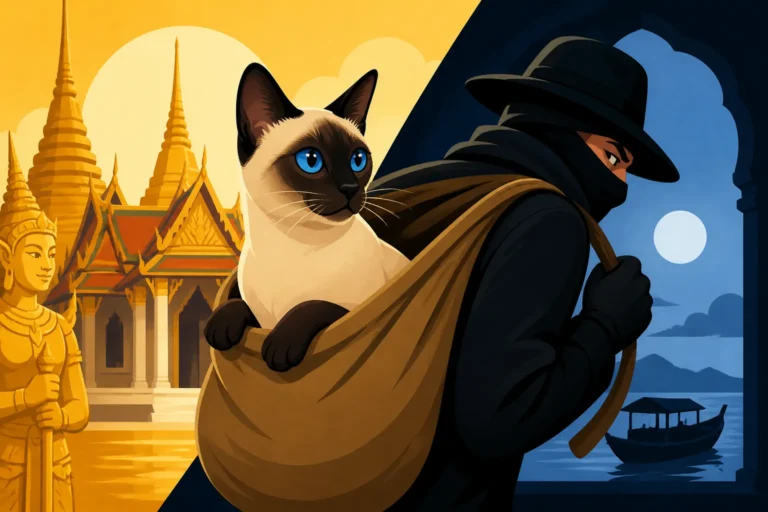
The stories of the Siamese cat, from their ancient origins How Old the Siamese Cat Breed Is to their potential role in guiding royal souls, paint a vivid picture of a breed deeply intertwined with human history and spirituality. While the literal act of being buried with royalty might be more legend than fact, the spiritual significance and reverence bestowed upon these magnificent felines are undeniable. It's a heritage that continues to make the Siamese cat one of the most intriguing and cherished companions we can have. The knowledge that they were once so revered only deepens our appreciation for their captivating presence in our modern lives. The more we learn about their history, including Whether a Siamese Cat Was Ever Exported Freely, the more we understand the profound impact these cats have had across centuries.
Disclaimer
This article is for general informational purposes only and does not constitute professional advice. Laws, prices and regulations vary by location and change over time. Consult a qualified professional for guidance on your specific situation.