Which Drugs Slow Amyloid in a Siamese Cat
Discovering that your beloved Siamese cat has amyloidosis is absolutely heartbreaking. It’s a diagnosis that often leaves you reeling, searching desperately for anything that can slow down this insidious disease and give you more precious time with your companion. The frustration is immense because you’re told there’s no cure, but that doesn’t mean you’re entirely without options. This guide will delve deep into the medical landscape, exploring the drugs currently used to manage and potentially slow the progression of amyloidosis in Siamese cats, offering a realistic look at what treatments might be available and what you can expect.
Understanding Amyloidosis in Siamese Cats
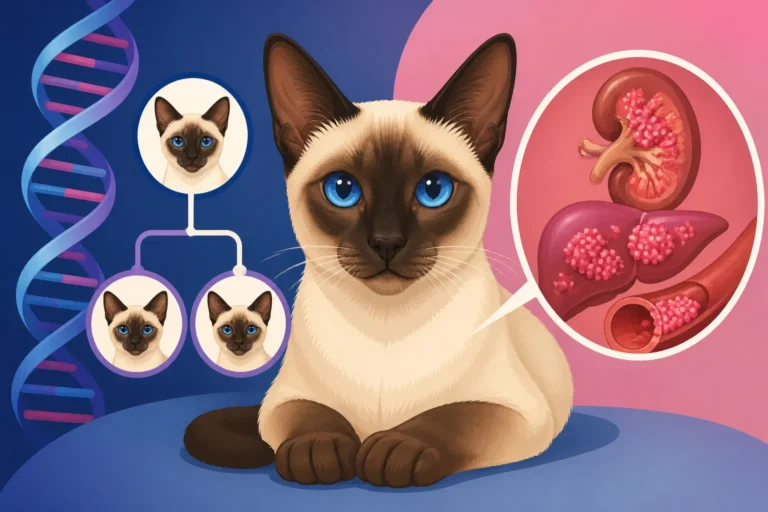
Amyloidosis is a cruel and often silent disease, particularly prevalent in our beautiful Siamese companions. It’s not just a fancy vet term; it refers to a group of diseases where abnormal proteins, called amyloid fibrils, build up in organs and tissues, eventually impairing their function. For Siamese cats, the liver and kidneys are the most common targets, though it can become systemic, affecting multiple organs. It’s a genetic predisposition, a hidden vulnerability passed down through generations, making it all the more heartbreaking when it strikes.
The challenge with amyloidosis is its stealthy nature. Our cats are masters at hiding illness, and the symptoms often don't become apparent until significant organ damage has already occurred. This late detection means that by the time a diagnosis is made, the disease might be quite advanced, leaving pet parents feeling incredibly overwhelmed and helpless. The reality is stark: there is no outright cure for amyloidosis, but that doesn't mean we throw in the towel. The focus shifts to management, slowing progression, and maintaining quality of life for as long as possible. Understanding What Amyloidosis Does to a Siamese Cat is the first step in facing this challenge.
The Frustrating Reality of Late Diagnosis
One of the most agonizing aspects of Siamese cat amyloidosis is how often it's diagnosed too late. You might notice subtle changes – a slight decrease in appetite, a bit more lethargy, perhaps some weight loss – but these are vague symptoms that could point to a myriad of issues. By the time clear signs of liver failure, such as jaundice (yellowing of the skin or eyes), or kidney disease, like increased thirst and urination, become obvious, the amyloid accumulation is typically quite substantial. This is why many cases of Why Siamese Cat Amyloidosis Is Usually Found After Death are sadly only confirmed during a post-mortem examination. It leaves you wondering if you could have done something sooner, a heavy burden to carry.
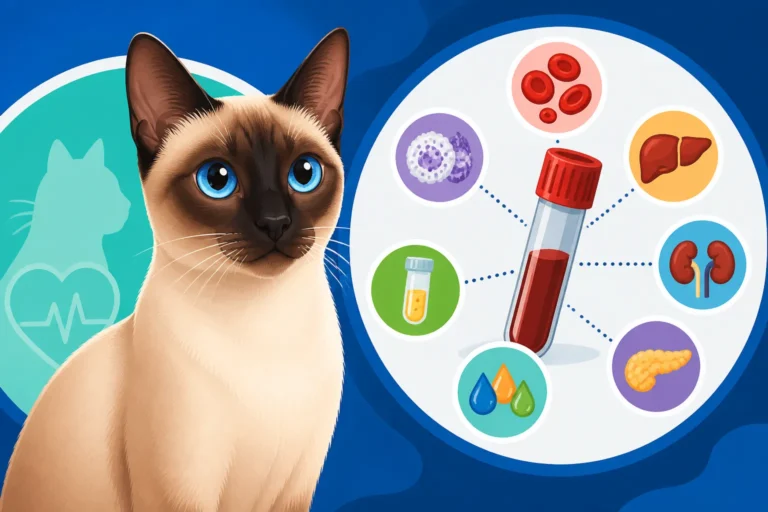
The underlying issue is that early diagnostic tests for amyloidosis are not straightforward. While blood tests can flag issues with liver or kidney function, they don't specifically pinpoint amyloidosis until damage is already underway. Which Blood Values Flag Amyloidosis in a Siamese Cat can indicate organ stress, but they aren't definitive for amyloid deposits themselves. An ultrasound might show changes in organ structure, but confirming amyloid requires a biopsy, which can be risky, especially for a cat with a compromised liver. This diagnostic dilemma adds to the frustration, making proactive treatment an uphill battle.
Medications Aimed at Slowing Amyloid Formation
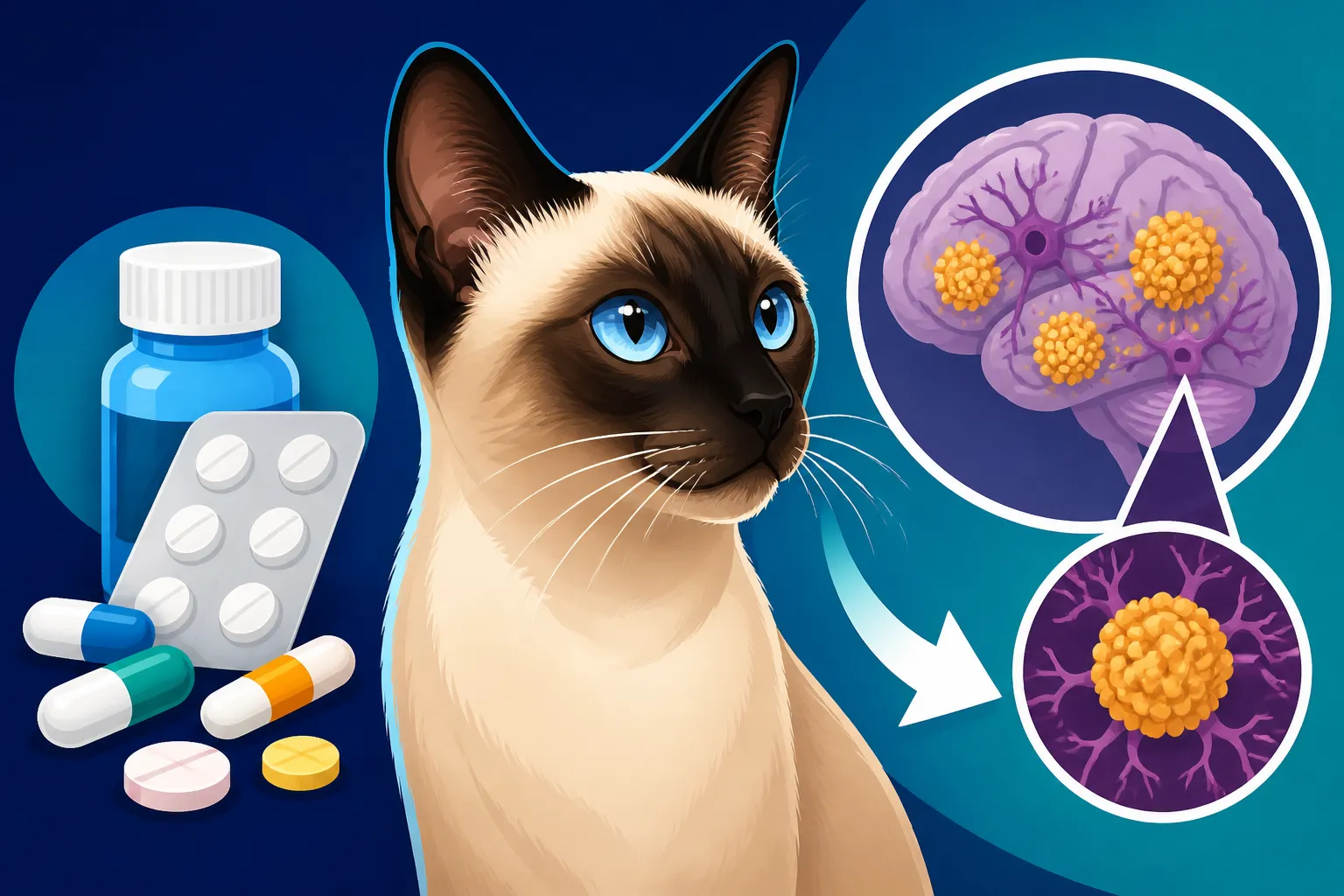
Given the irreversible nature of amyloid deposits, the primary goal of medication in Siamese cats with amyloidosis is to try and slow down the formation of new amyloid fibrils. It's a bit like trying to stop the flow of a river, rather than draining the lake it's already filled. The most commonly discussed drug for this purpose, particularly in breeds predisposed to amyloidosis, is colchicine.
Colchicine: The Primary Pharmaceutical Option
Colchicine is often the first, and sometimes only, specific drug intervention veterinarians will consider for a Siamese cat diagnosed with amyloidosis. It’s not a magic bullet, but it's believed to have properties that can interfere with the production and deposition of amyloid proteins. Colchicine works primarily as an anti-inflammatory and antigout agent in humans, but in the context of amyloidosis, its mechanism is thought to involve disrupting the inflammatory pathways that contribute to amyloid protein formation. It essentially tries to put a brake on the process.
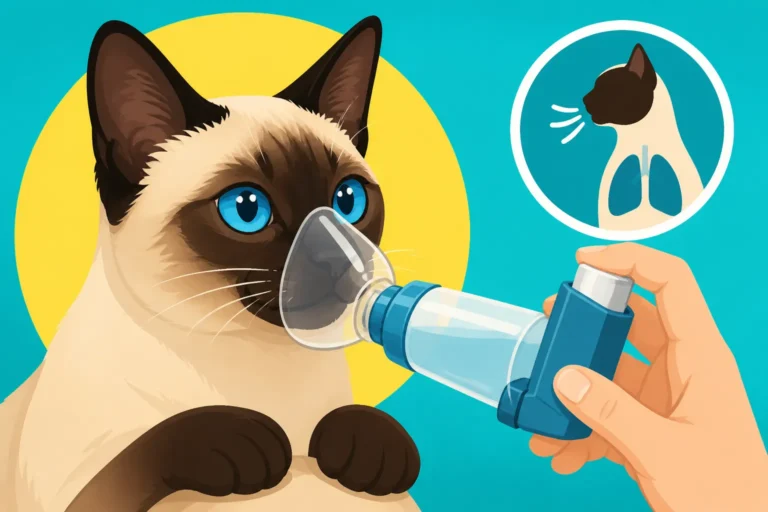
Typically, colchicine is prescribed in very small, carefully calculated doses to minimize side effects. Your vet will determine the appropriate dose based on your cat's weight and overall health. It usually comes in tablet form, which can be a challenge for some cats. Administering medication to a finicky feline often involves creativity – pill pockets, crushing it into a tiny amount of wet food, or using a pill gun. It's a daily commitment, and consistency is key for any potential benefit. Pet parents often share stories of hiding pills in special salmon-flavored pastes or tiny dollops of tuna, anything to get it down. While it won't reverse existing damage, the hope is that it can extend the period of stability and slow further decline. However, it’s important to acknowledge that its efficacy in feline amyloidosis, while suggested by some studies and anecdotal evidence, is not universally proven to halt progression completely, and more research is always ongoing.
| Drug/Supplement | Primary Action | Target Organ/Condition | Potential Side Effects | Administration Considerations |
|---|---|---|---|---|
| Colchicine | Inhibits amyloid fibril formation, anti-inflammatory | Liver, Kidneys (Systemic Amyloidosis) | Gastrointestinal upset (vomiting, diarrhea), anorexia | Daily, precise dosing, can be bitter; often requires careful hiding. |
| Benazepril/Enalapril (ACE Inhibitors) | Reduces protein loss in urine, manages blood pressure | Kidneys (Renal Amyloidosis) | Dehydration, lethargy, changes in blood pressure, kidney values | Daily, usually well-tolerated if dosed correctly. |
| Phosphate Binders (e.g., aluminum hydroxide) | Reduces absorption of dietary phosphorus | Kidneys (Renal Amyloidosis with hyperphosphatemia) | Constipation, anorexia | With meals; dosage adjusted based on blood phosphate levels. |
| Ursodiol | Improves bile flow, reduces liver inflammation | Liver (Hepatic Amyloidosis) | Diarrhea, vomiting | Daily, can improve appetite and energy. |
| SAMe (S-Adenosylmethionine) | Liver support, antioxidant, detoxifier | Liver (Hepatic Amyloidosis) | Generally few; mild GI upset | On an empty stomach for best absorption. |
Monitoring and Side Effects of Colchicine
Just like with any medication, colchicine isn't without its potential downsides. The most common side effects reported are gastrointestinal upsets, such as vomiting, diarrhea, or a decreased appetite. If your cat starts showing these signs, it's crucial to contact your vet immediately. They might need to adjust the dosage or recommend supportive care to manage these symptoms. It's a delicate balance, trying to administer a drug that helps without causing undue distress or further compromising an already fragile system. This is where pet insurance, like a plan from Healthy Paws, can be invaluable, helping to cover the costs of these necessary adjustments, vet visits, and any additional medications needed to manage side effects.
Regular monitoring with blood tests is essential when a cat is on colchicine. Your vet will want to keep a close eye on liver and kidney values, as well as blood counts, to ensure the medication isn't causing further issues. It's a partnership between you and your vet, constantly assessing the benefits against the risks and side effects. For those researching Whether Siamese Cat Amyloidosis Can Be Treated, the answer is often complex, involving a combination of specific drugs like colchicine and extensive supportive care.
Other Potential Medications and Research Avenues
While colchicine is the most recognized drug, the medical community is always searching for more effective treatments. There’s ongoing research into other compounds, though specific "drugs that slow amyloid" in cats beyond colchicine are not widely available or routinely prescribed at this time. Some approaches might involve broad anti-inflammatory medications if inflammation is a significant driver, but these are often used cautiously due to potential side effects on already compromised organs.
The focus remains largely on symptomatic and supportive care alongside any amyloid-specific treatment. However, the future might hold promise with advances in understanding the precise genetic mechanisms behind Why Siamese Cat Amyloidosis Is Inherited. This could potentially lead to targeted therapies or even gene-editing solutions down the line, but for now, we rely on the best available science and our veterinarians' expertise to navigate this challenging condition.
Supportive Care and Managing Symptoms
Even with medications aimed at slowing amyloid formation, comprehensive supportive care is absolutely paramount. Amyloidosis often leads to organ damage, and managing the symptoms arising from that damage is critical for maintaining your Siamese cat's quality of life. This often involves a multi-faceted approach, addressing issues like kidney dysfunction, liver compromise, and general discomfort.
Addressing Kidney Dysfunction
When amyloid starts accumulating in the kidneys, it leads to kidney disease, a condition that can significantly impact a cat's health. Signs like increased thirst and urination, weight loss, and lethargy are common. Your vet will likely recommend a kidney-specific diet, which is typically lower in protein and phosphorus to reduce the workload on the kidneys. Brands like Purina Pro Plan Veterinary Diets NF Kidney Function or Royal Canin Veterinary Diet Renal Support are commonly prescribed.
Beyond diet, medications like ACE inhibitors (e.g., benazepril or enalapril) might be prescribed. These drugs help to reduce protein loss in the urine and can help manage blood pressure, which is often elevated in cats with kidney disease. Phosphate binders may also be used if your cat’s phosphorus levels are high. Subcutaneous fluids, administered at home, can also be a game-changer for hydration and flushing toxins, helping to manage How Amyloidosis Damages a Siamese Cat's Kidneys. This can feel daunting at first, but many cat owners become proficient with practice, and it makes a huge difference in how a cat feels day-to-day. The financial burden of these ongoing treatments can be substantial, and having pet insurance, such as a comprehensive policy from Healthy Paws, can certainly alleviate some of that stress by covering a portion of the long-term veterinary costs.
Supporting Liver Function
If the liver is primarily affected, as is often the case in Siamese cats, the focus shifts to liver support. The liver is an incredible organ, capable of regeneration, but amyloid deposits hinder this. Medications like ursodiol (ursodeoxycholic acid) are often prescribed to improve bile flow and reduce inflammation within the liver. Antioxidants and liver protectants, such as S-Adenosylmethionine (SAMe) and milk thistle, are also commonly used to help support liver cell health and detoxification processes.
In more severe cases, or during a crisis like a ruptured liver, the supportive care becomes intensive, involving IV fluids, pain management, and sometimes blood transfusions. Learning about Signs a Siamese Cat Has Liver Amyloidosis and acting quickly if you notice any changes can be life-saving. The aim here is to bolster the liver’s remaining function and protect it from further insult, even if we can't completely remove the amyloid. The journey can be emotionally and financially taxing, but remember that every day of comfort and quality for your cat is a victory.
Pain Management and Quality of Life
Regardless of the specific organ affected, managing pain and ensuring your cat's overall comfort are paramount. Amyloidosis can cause general malaise, discomfort, and inflammation. Your vet might prescribe anti-inflammatory drugs, often low-dose steroids, or other pain medications if there's evidence of discomfort. Appetite stimulants may be needed if your cat is refusing to eat, as proper nutrition is vital for healing and maintaining strength.
It's about making sure your cat enjoys their remaining time, whether it's How Long a Siamese Cat Lives After an Amyloidosis Diagnosis for a few months or a few years. This includes providing a warm, comfortable resting place, ensuring easy access to food, water, and litter boxes, and continuing with gentle play and affection. For some Siamese cats, the disease can lead to internal bleeding, especially in the liver, which can be acutely painful and life-threatening. Knowing How Amyloid Weakens a Siamese Cat's Liver Wall can help you understand the urgency of recognizing symptoms of a crisis. Regular vet check-ups are absolutely crucial to monitor progression, adjust medications, and address any new symptoms promptly.
The Role of Diet and Lifestyle in Management
While not "drugs," diet and overall lifestyle play an incredibly significant role in managing amyloidosis in Siamese cats, working hand-in-hand with pharmaceutical interventions. You can give all the medications in the world, but if your cat’s diet isn't supporting their healing and comfort, it's an uphill battle. This holistic approach focuses on minimizing stress on the affected organs and enhancing overall well-being.
Tailoring Diet to Organ Involvement
The specific dietary recommendations for a Siamese cat with amyloidosis will heavily depend on which organs are primarily affected. As discussed, for kidney amyloidosis, a prescription renal diet is almost always recommended. These diets are carefully formulated to have reduced levels of protein, phosphorus, and sometimes sodium, which helps to ease the burden on compromised kidneys and slow the progression of chronic kidney disease. They also often include higher levels of omega-3 fatty acids, which have anti-inflammatory properties that can be beneficial.
If the liver is the main target, the dietary approach might be different. While some liver diets exist, they're not always as clearly defined for amyloidosis as kidney diets are for renal disease. Sometimes, highly digestible, moderate protein diets are recommended. The key is to provide enough nutrients to support the cat without overtaxing an already struggling liver. Often, it's about finding a palatable food that the cat will consistently eat, as maintaining body weight and preventing muscle wasting are critical. For owners asking Whether Diet Helps a Siamese Cat With Amyloidosis, the answer is a resounding "yes," but it needs to be the right diet, tailored to their specific needs.
Importance of Hydration and Environmental Enrichment
Adequate hydration is critical for all cats, but especially for those with amyloidosis, particularly if kidney function is compromised. Encourage water intake by offering multiple water bowls, a feline water fountain (many cats prefer moving water), or incorporating more wet food into their diet. As mentioned earlier, subcutaneous fluids might become a necessary part of routine care.
Beyond diet and hydration, consider the broader lifestyle. Siamese cats are known for their intelligence, vocal nature, and need for interaction. A stressed cat is a cat whose body might struggle more to cope with illness. Providing a calm, predictable environment, plenty of mental and physical enrichment, and consistent human interaction can go a long way. This might include interactive toys, puzzle feeders, regular playtime, and comfortable, safe spaces for them to retreat to. Minimizing stressors around the home helps support their immune system and overall health. For older cats or those in the later stages of amyloidosis, a cozy heated bed can provide immense comfort, helping them stay warm, especially since Why a Siamese Cat Stays So Thin means they often have less body fat to regulate temperature.
Regular Monitoring and Adaptability
Managing amyloidosis is a marathon, not a sprint. Regular veterinary check-ups are absolutely non-negotiable. These appointments allow your vet to monitor your cat’s blood work, urine, weight, and overall condition, making necessary adjustments to diet or medication. This ongoing assessment is crucial for adapting the treatment plan as the disease progresses or as your cat’s needs change. It’s important to remember that amyloidosis is a progressive disease, and there will be good days and bad days. Your ability to adapt, maintain open communication with your vet, and focus on your cat's comfort and quality of life will be your greatest tools.
The journey with a Siamese cat diagnosed with amyloidosis can be challenging, but with the right blend of medication, supportive care, and a tailored diet, you can still provide a loving, comfortable, and fulfilling life for your cherished companion. Organizations like the Cornell Feline Health Center often provide valuable resources and the latest research insights for conditions like amyloidosis, which can be a great place to stay informed.
Disclaimer
This article is intended for informational purposes only and does not constitute medical advice. Always consult with a qualified veterinarian for any health concerns or before making any decisions about your pet's medical care or treatment.