How Often a Siamese Cat Needs a Dental
One of the most insidious problems cat owners face is dental disease, a silent enemy that often goes unnoticed until it's advanced. Our beloved Siamese cats, with their unique charm and vocal personalities, are unfortunately not immune to these issues, and sometimes, they're even more prone to them. It can be incredibly frustrating to realize your cherished companion has been suffering in silence, or to feel overwhelmed by conflicting advice on how often they truly need a professional dental cleaning. This guide is here to unravel the complexities of feline dental health, specifically for Siamese cats, helping you understand when and why professional intervention is crucial, and how you can support their oral hygiene at home.
Understanding Dental Disease in Siamese Cats
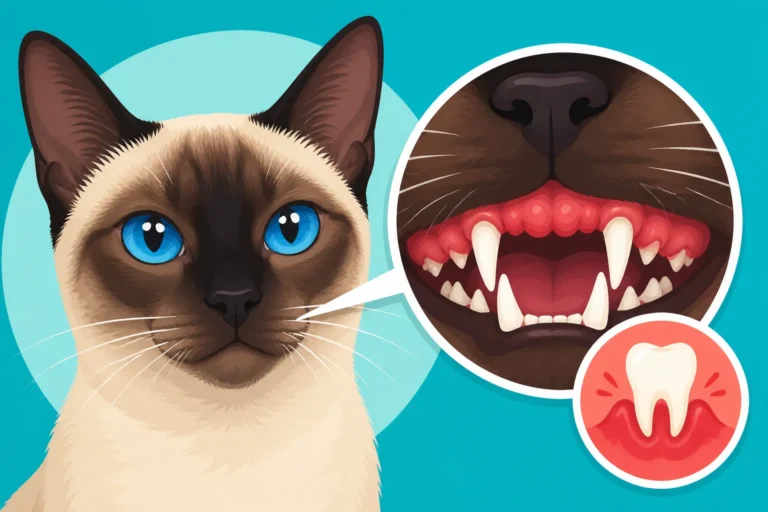
It’s easy to overlook dental health when you’re mesmerized by those striking blue eyes or engaged in a spirited chat with your chatty Meezer. Yet, ignoring their pearly whites can lead to a cascade of painful and serious health problems. Dental disease in cats, much like in humans, begins with plaque, which hardens into tartar. This accumulation then irritates the gums, leading to inflammation (gingivitis), and if left unchecked, can progress to periodontitis, which damages the supporting structures of the teeth.
Why Siamese Cats Are Prone to Dental Issues
You might wonder if your Siamese is particularly susceptible, and honestly, there's some truth to that. While all cats can develop dental disease, some breeds, including Siamese, sometimes exhibit a genetic predisposition or particular oral anatomy that can make them more vulnerable. For instance, some Siamese cats might have slightly different jaw alignments or tooth spacing, which can create pockets where food particles and bacteria accumulate more easily. This isn't a hard-and-fast rule for every Siamese, but it’s a factor worth considering and discussing with your vet. Their refined facial structure, while beautiful, can sometimes mean more crowded teeth or slight malocclusions that contribute to faster plaque buildup. This is also why many Siamese cat owners find themselves grappling with problems like Gingivitis in a Siamese Cat.
Another aspect is their typically long lifespans; the longer a cat lives, the more time there is for plaque and tartar to build up, especially if home care isn't consistently applied. Unfortunately, this means that even with the best intentions, our Siamese friends can face significant dental challenges as they age, leading to conditions such as Why a Siamese Cat Loses Teeth Young. It's a reality that we, as their caregivers, need to be prepared for, proactively seeking ways to mitigate these risks throughout their lives. Recognizing these predispositions isn't about panicking, but about empowering yourself with knowledge to provide the best preventative care possible.
Common Signs of Dental Problems
Cats are masters of disguise when it comes to pain. They are naturally stoic creatures, a trait that stems from their wild ancestors who wouldn't show weakness to predators. This means you might not see obvious signs until the problem is quite advanced and your Siamese is truly suffering. However, there are subtle clues if you know what to look for. Bad breath, or halitosis, is probably the most common and often the first indicator pet parents notice. It's not just "cat breath"; truly foul odor signifies a bacterial infection in the mouth.
Beyond bad breath, keep an eye out for changes in eating habits. Is your Siamese suddenly hesitant to eat their favorite crunchy kibble? Do they chew on one side of their mouth, drop food, or seem uncomfortable when eating? You might also observe excessive drooling, sometimes tinged with blood. Facial swelling, pawing at the mouth, or even changes in temperament – becoming more irritable or withdrawn – can also signal dental pain. Sometimes you might even see visible tartar buildup, which looks like brownish-yellow crusts on the teeth, or red, inflamed gums, which are clear signs of serious dental disease. Recognizing Signs a Siamese Cat's Gums Are Inflamed early can make a huge difference in treatment outcomes.
The Silent Suffering of Feline Dental Disease
As mentioned, cats are incredible at hiding pain, which is why dental disease is so often called a "silent killer" of feline health. What might appear as a minor gum irritation can quickly escalate into chronic pain, infection, and even systemic health issues. The bacteria from severe dental disease don't just stay in the mouth; they can enter the bloodstream and travel to vital organs like the heart, kidneys, and liver, causing secondary infections and worsening existing conditions.
Imagine living with a constant toothache or painful swollen gums – that's what many cats endure without a single yowl of complaint. This prolonged discomfort can significantly impact their quality of life, leading to lethargy, loss of appetite, and a general decline in their playful, affectionate nature. It's a heartbreaking thought for any cat owner, especially when you know your Siamese thrives on interaction and activity. This is why regular check-ups and proactive dental care are not just about keeping their teeth pretty, but genuinely about preventing immense suffering and ensuring their overall well-being. Early detection and intervention are key to avoiding severe pain and complications, and this often comes down to understanding when to seek help for issues like Tooth Resorption in a Siamese Cat.
The Importance of Regular Professional Dentals
While home care is incredibly helpful (and we'll get to that!), nothing can replace a thorough professional dental cleaning performed by a veterinarian. Think of it like your own dental visits – you brush and floss daily, but you still need your hygienist to get into those nooks and crannies and perform a deep clean. For cats, it's even more crucial because they can't effectively communicate their discomfort or clean their own teeth as we do.
What Happens During a Professional Dental Cleaning
A professional dental cleaning for your Siamese cat is much more involved than a quick brush. It's a medical procedure performed under anesthesia, which allows the veterinary team to do a truly comprehensive job. Before any anesthesia, your vet will likely recommend pre-anesthetic bloodwork to ensure your cat is healthy enough for the procedure, something every responsible owner should consider as part of What a Siamese Cat's Yearly Bloodwork Should Cover. Once anesthetized, the real work begins. The vet or a trained technician will meticulously scale away plaque and tartar from every tooth surface, both above and below the gumline, using ultrasonic and hand scalers. This subgingival cleaning is absolutely vital, as this is where the most destructive bacteria often reside.
After scaling, the teeth are polished to smooth out any microscopic etches that could attract new plaque. X-rays are also a critical part of the process, as much of dental disease happens below the gumline, hidden from plain sight. These X-rays can reveal abscesses, bone loss, un-erupted teeth, or Dental Disease in a Siamese Cat that might otherwise go undetected. If any teeth are severely diseased or fractured beyond repair, extractions will be performed. While the thought of extractions can be alarming, removing painful or infected teeth is often the kindest thing you can do for your cat, as it eliminates a source of chronic pain and infection. It's also worth noting that understanding Whether a Siamese Cat Tolerates Anesthesia is a common concern for many owners.
How Often is "Regular"? Establishing a Baseline
This is the million-dollar question for many cat owners, and the honest answer is: it varies. As a general rule of thumb, most veterinarians recommend professional dental cleanings for cats once a year, particularly once they reach adulthood. For some Siamese cats, especially those prone to rapid plaque buildup or with a history of dental issues, twice a year might even be necessary. For others with excellent genetics, diligent home care, and a slow rate of tartar accumulation, it might be every 18 months or even two years.
The key is regular veterinary check-ups where your vet can assess your Siamese's oral health. During these exams, they'll check for tartar, gingivitis, and any other red flags. They'll also consider your cat's age, overall health, and any underlying conditions. It's an ongoing conversation between you and your vet, tailoring the dental schedule to your individual Siamese. Don't be afraid to ask for a "dental grade" at each annual exam – this can help you understand the urgency and frequency needed. For many Siamese owners, the question of Why a Siamese Cat Needs More Dentals Than Other Cats often comes down to these individual factors and predispositions.
Factors Influencing Dental Frequency
So, what exactly impacts how often your Siamese will need their teeth professionally cleaned? A few key things come into play:
- Age: Younger cats typically have healthier mouths, but as they age, the risk of dental disease significantly increases. Senior Siamese cats (generally over 7-8 years) often require more frequent attention as plaque hardens faster and underlying issues like resorptive lesions become more common. Regular check-ups for senior cats are paramount for maintaining their comfort and health.
- Genetics and Breed Predisposition: As we discussed, some Siamese cats might be genetically predisposed to certain dental conditions, or their unique oral anatomy could lead to quicker plaque accumulation. If your cat's parents or siblings had significant dental problems, it's wise to be extra vigilant. This is a factor that proactive owners might want to consider when researching insurance options, as a good policy from providers like Healthy Paws can help manage the costs associated with frequent dental care or unforeseen extractions.
- Diet: While dry kibble is sometimes touted for "cleaning teeth," its effect is often minimal. High-quality prescription dental diets specifically designed to reduce plaque and tartar can make a difference, but regular kibble generally does not. A wet food diet doesn't "clean" teeth either, but it often means fewer particles getting stuck. However, without active cleaning, tartar still forms regardless of food type.
- Previous Dental History: If your Siamese has already had extensive dental work, including extractions or has chronic gingivitis, they will likely need more frequent professional cleanings to prevent recurrence and manage their condition. It's an ongoing battle for some cats, and understanding their past treatments helps inform future care.
- Home Dental Care Efforts: This is where you, the owner, play a huge role. Consistent and effective home dental care can significantly extend the time between professional cleanings. Daily brushing, dental treats, and water additives can all contribute to healthier gums and slower tartar buildup, delaying the need for another anesthetic procedure. We'll delve into home care next, because it truly is a game-changer.
Home Dental Care: The Daily Defense
While professional cleanings are non-negotiable for long-term oral health, what you do at home, day in and day out, can have a profound impact. Think of it as the daily brushing and flossing that keeps your own mouth healthy between dentist visits. For your Siamese, establishing a good home dental routine can make all the difference in delaying the onset of severe dental disease and reducing the frequency of anesthetic cleanings.
Brushing Your Siamese Cat's Teeth
Yes, you can brush your cat's teeth! It might sound daunting, especially with a notoriously opinionated Siamese, but with patience and the right approach, it's entirely achievable. The goal is to start young, if possible, introducing it as a positive experience. If you have a kitten, it's a perfect time to learn How Young to Start Brushing a Siamese Cat's Teeth.
Here’s a simple guide:
- Gather your tools: You'll need a feline-specific toothbrush (a finger brush or a small, soft-bristled brush) and enzymatic cat toothpaste. Never use human toothpaste, as it contains ingredients toxic to cats.
- Start slow and make it positive: Begin by letting your cat lick the toothpaste off your finger. It's flavored (think chicken or tuna!), so many cats enjoy it.
- Introduce the brush: Once they're comfortable with the taste, try gently rubbing your finger or the finger brush along their gumline. Keep sessions very short, just a few seconds at first.
- Gradually increase duration: Over days or weeks, slowly build up to brushing for 30 seconds to a minute, focusing on the outside surfaces of the teeth, especially the upper molars and canines, where plaque tends to accumulate most. Don't worry too much about the inside surfaces; your cat's tongue usually keeps those relatively clean.
- Reward, reward, reward: Always follow brushing with praise, a favorite treat, or playtime. You want your Siamese to associate dental care with positive outcomes.
Consistency is more important than perfection. Even brushing a few times a week is better than nothing, but daily is ideal for optimal plaque control.
Dental Diets and Treats
Beyond brushing, certain diets and treats can also contribute to better oral health for your Siamese. Look for products that have been awarded the Veterinary Oral Health Council (VOHC) seal of acceptance. This seal indicates that the product has met standards for reducing plaque and/or tartar. These diets are specifically formulated with unique kibble shapes, textures, or ingredients that help mechanically scrub the teeth or chemically reduce plaque.
For instance, kibble designed for dental health might be larger, requiring the cat to chew it thoroughly, which can help scrape plaque off the tooth surface. Some contain polyphosphates that bind to calcium in saliva, preventing it from hardening into tartar. Treats with the VOHC seal work similarly, providing a beneficial chewing action. Just remember that dental diets and treats are supplements to a comprehensive dental plan, not replacements for brushing or professional cleanings. They can, however, be a great way to add another layer of protection, especially for cats who refuse brushing. If you are struggling with your cat's oral health, a good pet insurance plan like those offered by Healthy Paws can often help cover the cost of prescription dental diets if recommended by your vet.
Oral Rinses and Water Additives
Oral rinses and water additives are another tool in your home dental care arsenal, particularly useful for Siamese cats who absolutely won't tolerate brushing. These products typically contain antiseptics like chlorhexidine or zinc salts, which help reduce bacteria in the mouth and freshen breath. They can be added to your cat's drinking water or applied directly to their gums.
However, it's crucial to understand their limitations. While they can help control bacteria and improve breath, they do very little to remove existing plaque and tartar. Think of them as a mouthwash for humans – it freshens your breath, but it doesn't replace brushing and flossing. Always choose products specifically formulated for cats, and consult your veterinarian before introducing any new oral health product, especially if your cat has pre-existing health conditions. They can advise on the best and safest options for your particular Siamese.
When to Seek Veterinary Attention Beyond Routine
Even with the best home care and regular professional cleanings, sometimes unforeseen issues arise, or signs indicate a problem that needs immediate attention. It’s important to be tuned into your Siamese's behavior and physical cues so you can act quickly when something seems off.
Red Flags for Immediate Vet Visit
While an annual check-up is a must for all of What Care a Siamese Cat Needs Its Whole Life, certain symptoms warrant a call to the vet right away, without waiting for the next scheduled appointment. If you notice any of these red flags, get your Siamese examined as soon as possible:
- Sudden, severe bad breath: A drastic change in breath odor could indicate an acute infection or abscess.
- Visible swelling: Swelling on the face, under the eye, or around the jaw often points to an abscessed tooth.
- Excessive drooling, especially with blood: This is a clear sign of pain or injury in the mouth.
- Refusal to eat or severe difficulty chewing: While many things can cause appetite loss, if accompanied by other dental symptoms, it's a major red flag.
- Pawing at the mouth or rubbing the face: This indicates significant discomfort.
- Loose or broken teeth: These are painful and can lead to infection.
- Changes in gum color: Gums that are very pale, very dark red, or bluish can indicate serious health issues beyond just dental disease.
These symptoms mean your cat is likely in significant pain and could be facing a serious infection that requires urgent veterinary care. Prompt action can prevent further suffering and more complicated treatments down the line.
The Cost of Neglecting Dental Health
It's a tough truth, but neglecting your Siamese cat's dental health can end up costing you far more in the long run, both in terms of your cat's well-being and your wallet. Regular, preventative dental cleanings are an investment. They might seem expensive at the time, with costs for the anesthesia, scaling, polishing, and X-rays. For example, What a Siamese Cat's First Dental Costs can vary widely by region, but it's a necessary initial expense. However, these costs pale in comparison to what you might face if dental disease progresses unchecked.
Advanced periodontal disease often requires multiple extractions, which significantly increase the cost of the procedure. We're talking about things like What Extractions Cost a Siamese Cat Owner – multiple teeth can add hundreds or even thousands to a bill. If infections spread to other organs, you could be looking at expensive diagnostics, medications, and even hospitalization for systemic treatments. Imagine if your Siamese developed kidney or heart problems partly due to chronic oral infection; the long-term management of those conditions would be far more costly and impactful on their quality of life. This is precisely why having comprehensive pet insurance, such as a plan from Healthy Paws, can be an absolute lifesaver. It helps mitigate the financial burden of these unexpected, and often preventable, severe dental problems, allowing you to prioritize your cat's health without financial strain.
Proactive Care for a Longer, Happier Life
Ultimately, being proactive about your Siamese cat's dental health is one of the best ways to ensure they live a long, comfortable, and happy life. Their vibrant personalities, their endless chatter, and their loving companionship all hinge on their overall health, and good oral hygiene plays a surprisingly central role. Dental disease is not merely an inconvenience; it's a chronic, progressive, and painful condition that can severely diminish your cat's quality of life and even shorten their lifespan.
By committing to a routine of home dental care, keeping up with regular veterinary check-ups, and scheduling professional dental cleanings as recommended by your vet, you are actively protecting your Siamese from unnecessary suffering. You're safeguarding their ability to eat comfortably, interact without pain, and enjoy all the playful moments that make them such cherished family members. It’s a commitment, yes, but one that pays dividends in purrs, head boops, and many more years of joyful companionship.
| Dental Care Aspect | Description | Frequency | Benefits | Cost Implications |
|---|---|---|---|---|
| Home Brushing | Manually cleaning teeth with a feline toothbrush and enzymatic toothpaste. | Daily (ideal) | Removes plaque, freshens breath, slows tartar buildup. | Low (initial cost for brush/toothpaste) |
| Dental Diets/Treats | Specially formulated foods/treats to reduce plaque/tartar. | Daily with meals/as treats | Supplements brushing, provides some mechanical abrasion. | Moderate (higher cost for specialized food/treats) |
| Oral Rinses/Additives | Antiseptic liquids for water or direct application. | Daily | Controls bacteria, freshens breath, does not remove plaque. | Low-Moderate |
| Vet Check-ups | Oral exam by veterinarian during routine health check. | Annually | Identifies early signs of disease, informs cleaning schedule. | Part of annual vet visit cost |
| Professional Cleaning | Full scaling, polishing, and X-rays under anesthesia by a vet. | Annually to Bi-annually (varies) | Removes hardened tartar (calculus) and subgingival plaque, addresses existing disease. | High (cost for anesthesia, procedure, extractions if needed); often covered by Healthy Paws. |
Disclaimer
The information provided in this article is for general informational purposes only and is not a substitute for professional veterinary advice. Always consult with a qualified veterinarian regarding your Siamese cat's dental health and any medical conditions.