Why a Siamese Cat Feels Bony
It’s a common moment for many Siamese cat parents: you reach down to give your beloved Meezer a loving pat, and instead of soft fluff, your fingers meet bone. A sudden jolt of worry hits you – is my cat too thin? Is something wrong? This guide is here to reassure you that often, a bony feel is perfectly normal for this unique breed, but also to help you understand when it might signal a deeper health concern, providing peace of mind and actionable steps.
Understanding the Natural Siamese Build
Siamese cats are, by their very nature, slender, elegant, and almost ethereal in their build. They aren't built like the fluffy, stocky cats we might be more accustomed to. If you’ve ever compared your Siamese to a Maine Coon or even a domestic shorthair, you’ll immediately notice the stark difference in their physical structure. This isn't a flaw; it's a defining characteristic of the breed, one that has been cherished for centuries.
The Distinctive Physique
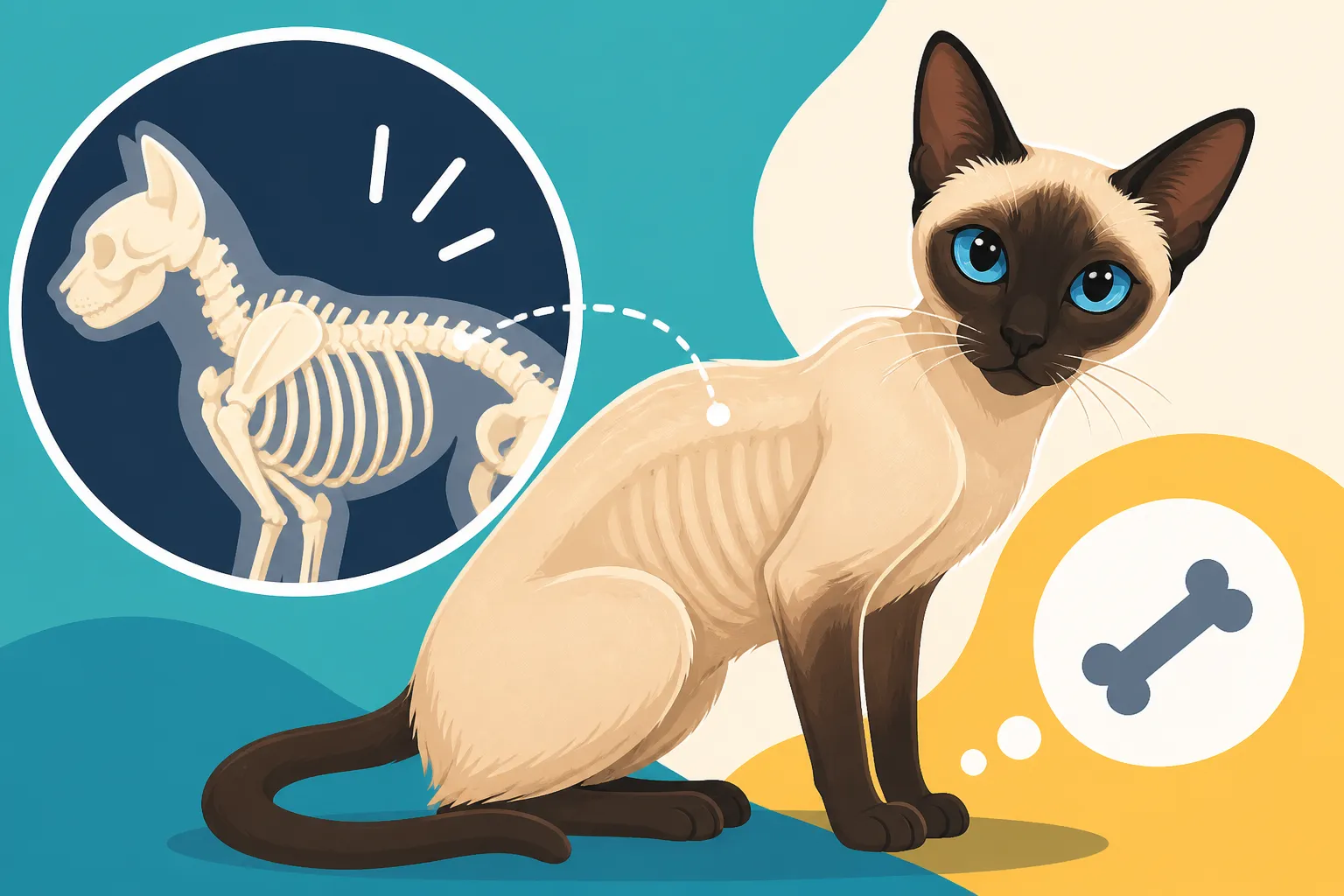
When you look at a Siamese, you see a cat designed for grace and agility. They possess a long, tubular body, fine boning, and incredibly sleek, muscular lines. Their legs are long and slender, their tails whip-like and tapering. They truly embody the phrase "lean and mean" – but in the most beautiful, refined way possible. This physical structure means they simply don't carry much fat or bulky muscle, which translates directly to that "bony" feeling when you stroke them. Their short, fine coat, which lies close to their body, further accentuates this lean profile. There isn't a thick undercoat to cushion their frame, as you might find on a Persian or even some British Shorthairs. Every contour of their athletic form is visible and palpable. This is just part of What a Siamese Cat Looks Like by the Standard. Many owners find themselves asking Why a Siamese Cat Feels Bony, when often, it's just their natural state.
For instance, if you run your hand along your Siamese’s back, you’ll likely feel their spine quite distinctly. Their ribs, too, will be noticeable without much effort. This isn't usually a sign of malnourishment but rather a testament to their naturally athletic and svelte physique. Think of them as the supermodels of the cat world – tall, lean, and not an ounce of unnecessary bulk. Other breeds, with their denser bone structure or luxuriant fur, might feel more substantial, but that's just a difference in breed genetics, not an indication that your Siamese is underweight by default. It's truly a marvel how efficient and streamlined their bodies are, a direct result of generations of selective breeding that emphasized these elegant traits.
High Metabolism and Energy Levels
Beyond their inherent skeletal and muscular structure, Siamese cats are also known for their incredibly high metabolism and boundless energy. They are not typically sedentary lap cats who spend their days napping in sunbeams. Oh no, a Siamese is usually a whirlwind of activity, constantly exploring, playing, and interacting with their environment and their humans. This constant motion burns a significant number of calories throughout the day, even when they appear to be just "chilling out" – they're often still mentally engaged and ready to spring into action.
Their energetic nature means they're constantly fueling their bodies. They often eat more than you'd expect for their size, yet they struggle to put on weight because they're burning it all off. It's a common observation that Why a Siamese Cat Stays So Thin is due to this almost hyperactive metabolism. Imagine a small, sleek engine constantly running at high RPMs; that's your Siamese cat! This also contributes to the perception of them feeling bony. They simply don't store much fat. While their wild ancestors might have relied on this lean efficiency for hunting, today's pampered Siamese uses it to chase feather wands, conquer cat trees, and engage in elaborate games of fetch. This high energy is part of their charm, but it's also a crucial factor in their body composition.
When "Bony" Might Signal an Issue
While a lean physique is standard for a Siamese, there's a fine line between naturally slender and unhealthily thin. It's important for owners to know how to distinguish between the two, as a noticeable loss of condition can indeed be a red flag for underlying health problems. The concern isn't just about feeling bones, but about whether those bones are too prominent, indicating a lack of muscle and fat cover that even a Siamese should have.
Assessing Body Condition Score
The best way to objectively assess your Siamese cat's "boniness" is by using a Body Condition Score (BCS). This is a tool veterinarians use, typically on a scale of 1 to 9 (or 1 to 5), where 1 is emaciated and 9 is obese. For a Siamese, you'll naturally be aiming for the lower end of the healthy range, perhaps a 4 or 5 on a 9-point scale, but certainly not a 1 or 2. This helps us gauge What a Siamese Cat Should Weigh relative to their ideal health.
Here's how you can do a quick check at home:
- Ribs: Gently run your fingers along your cat's side, just behind their front legs. You should be able to feel their ribs easily, but they shouldn't protrude sharply or be visible from a distance. If they feel like they're directly under the skin with no cushioning, that's a concern.
- Spine: Stroke your cat's back. You should feel the bumps of the vertebrae without much difficulty, but they shouldn't feel like sharp, distinct knobs that stand out. There should be a slight muscle cover.
- Hip Bones: Feel around their hips, near the base of their tail. Again, you should be able to feel these bones, but they shouldn't be sticking out prominently.
- Waistline: Look at your cat from above. They should have a distinct waist, narrowing behind their ribs. From the side, their belly should tuck up slightly, not sag.
Here's a simplified table based on a 5-point scale, which is often easier for owners to interpret:
| BCS | Description | What You Feel/See |
|---|---|---|
| 1 | Emaciated | Ribs, spine, hip bones, shoulder blades easily visible from a distance. No discernible body fat. Severe abdominal tuck. |
| 2 | Very Thin | Ribs, spine, hip bones easily visible. No palpable fat. Minimal abdominal tuck. |
| 3 | Ideal (for a Siamese) | Ribs easily palpable but not visible. Spine and hip bones palpable with minimal fat cover. Good abdominal tuck. |
| 4 | Slightly Overweight (Rare for Siamese) | Ribs palpable with slight difficulty. Obscure abdominal tuck. Rounder appearance. |
| 5 | Obese | Ribs, spine, hip bones difficult to palpate due to heavy fat cover. No abdominal tuck. Broad, rounded body. |
If your Siamese falls into a BCS of 1 or 2, it's definitely time for a vet visit. Even if they're a 3, but you've noticed a recent change or they seem less energetic, a vet check-up is warranted. Remember, you should always be able to feel their bones, but they shouldn't feel like they're just skin and bone without any underlying tissue.
Identifying Potential Health Concerns
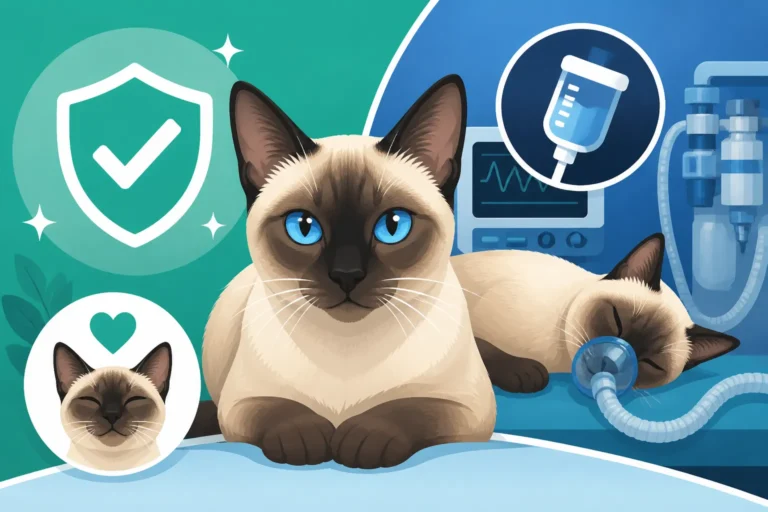
When a Siamese cat goes beyond its naturally lean build and starts to appear unhealthy or genuinely underweight, it's crucial to consider potential medical causes. While they are generally considered a healthy breed, as explored in How Healthy the Siamese Cat Actually Is, they are unfortunately predisposed to certain conditions that can manifest as weight loss or a bony appearance. Early detection and treatment are key, and having good pet insurance like Healthy Paws can be a real lifesaver when facing unexpected diagnostic and treatment costs.
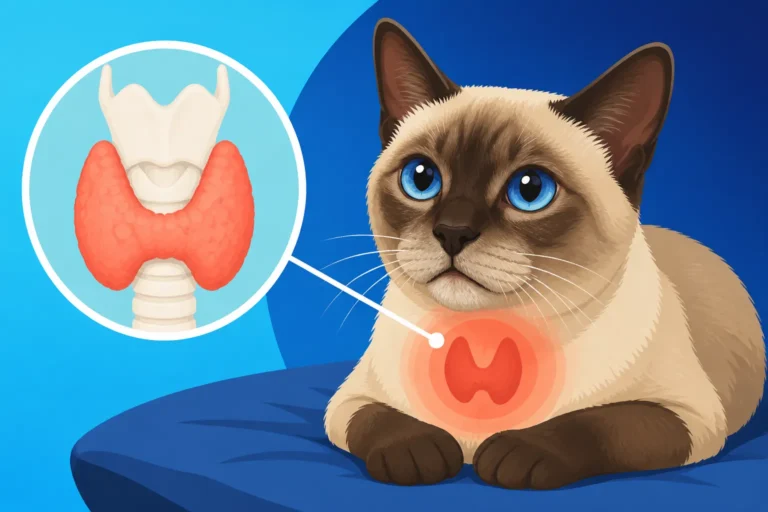
One of the most common culprits, especially in older Siamese cats, is hyperthyroidism. This condition causes the thyroid gland to produce excessive hormones, leading to a drastically accelerated metabolism. Cats with hyperthyroidism often eat voraciously, sometimes even more than usual, but still lose weight at an alarming rate. They might also become restless, vocal, and have poor coat quality. If your older Siamese is suddenly eating like a horse but looking gaunt, this is definitely something to investigate.
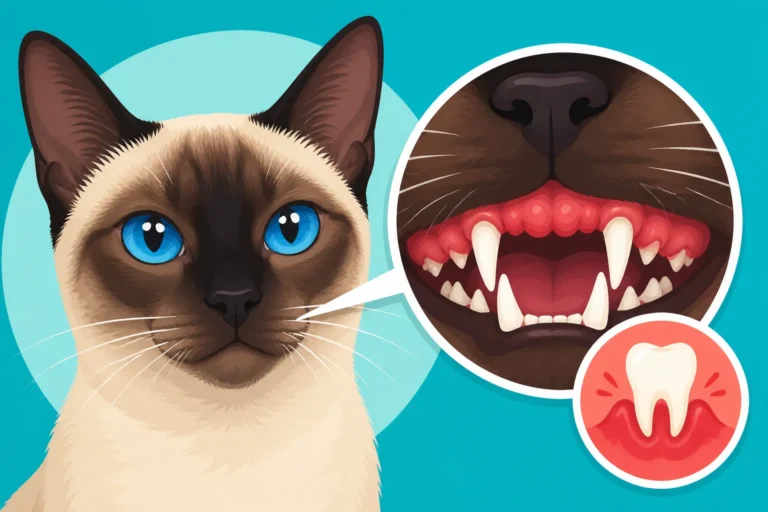
Dental Disease in a Siamese Cat is another often-overlooked cause. Severe dental pain from gingivitis, periodontal disease, or tooth resorption can make eating incredibly painful, leading to a reduced appetite and subsequent weight loss. Cats are masters at hiding pain, so you might not notice mouth issues until they are quite advanced.
Kidney Disease in an Older Siamese Cat can also lead to weight loss and muscle wasting. As kidney function declines, toxins build up in the blood, leading to nausea, decreased appetite, and a general malaise that results in a loss of condition. You might also notice increased thirst and urination.
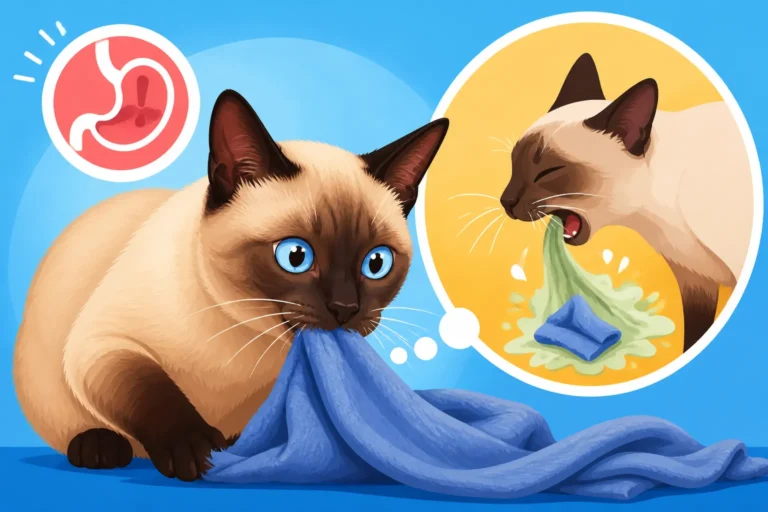
Gastrointestinal issues such like Inflammatory Bowel Disease (IBD) or even parasitic infections, can impair a cat's ability to absorb nutrients, regardless of how much they eat. Chronic vomiting or diarrhea are obvious signs, but sometimes the only symptom is gradual weight loss.
Diabetes in a Siamese Cat is another condition where you might see weight loss despite a good appetite, often accompanied by increased thirst and urination. The body isn't processing glucose correctly, so calories aren't being utilized, leading to the cat "starving" despite eating.
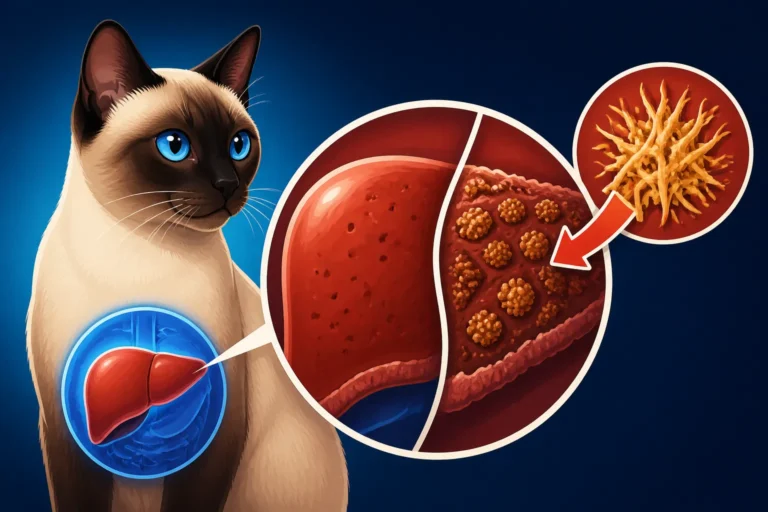
Finally, while less common, certain cancers can also cause cachexia, or severe weight loss. Lymphoma, for example, especially Mediastinal Lymphoma in a Young Siamese Cat, can lead to a cat looking unwell and losing condition rapidly. This is why regular vet check-ups are so important – they can catch these serious issues early. While it’s rare for a Siamese to have a ruptured liver, conditions like What Amyloidosis Does to a Siamese Cat can lead to a general decline in health and a bony appearance as the disease progresses and impacts Which Organs Amyloidosis Hits in a Siamese Cat, often the liver and kidneys. Staying vigilant and recognizing changes in your cat's body condition is a critical part of being a responsible Siamese owner.
Nutritional and Environmental Considerations
Once you've ruled out underlying medical conditions with your veterinarian, and if your Siamese is simply naturally lean, then focusing on their diet and environment becomes paramount. These intelligent and active cats have specific needs that, when met, contribute to their overall health and ideal body condition.
Tailoring Their Diet
Given their high metabolism, Siamese cats often require more calories per pound of body weight than many other breeds. It’s not about overfeeding them to make them "fat," but ensuring they receive enough high-quality, nutrient-dense food to fuel their energetic lifestyles. Skimping on calories or quality can lead to them looking too bony.
Firstly, focus on high-quality protein. Cats are obligate carnivores, and a diet rich in animal-based protein is crucial for maintaining their lean muscle mass. Look for cat foods where meat is the first ingredient, not grains or fillers. Brands like Royal Canin or Hill's Science Diet often offer breed-specific or high-energy formulas that can be beneficial. Many Siamese owners find success with feeding multiple small meals throughout the day rather than just one or two large ones. This mimics their natural hunting behavior and keeps their fast metabolism humming along steadily, preventing dips in energy or excessive hunger. How Much an Adult Siamese Cat Eats can vary widely, but typically, they'll consume more than you'd expect for their size.
Secondly, consider wet food. While dry kibble can be convenient, wet food provides vital moisture, which is excellent for kidney health, and often contains higher protein content with fewer carbohydrates. A combination of wet and dry food can work well, offering variety and ensuring they get both hydration and crunch. If your Siamese is particularly picky, which some can be, experimenting with different protein sources (chicken, turkey, salmon) and textures can help ensure they consume enough. Some cats might even benefit from a veterinary-prescribed "recovery" diet if they've been ill or are struggling to maintain weight, designed to be highly palatable and calorie-dense. Discussing these options with your vet is always a good idea.
Enrichment and Stress Management
A well-fed Siamese is only truly healthy if their mental and environmental needs are also met. These are highly intelligent and social creatures who thrive on interaction and stimulation. A bored or stressed Siamese can display a variety of behavioral or physical issues, including changes in appetite or metabolic function.
Physical and Mental Stimulation: These cats need to play! They require significant daily interaction to burn off energy and satisfy their inquisitive minds. Dedicated play sessions with wand toys, laser pointers (used carefully to avoid frustration), and puzzle feeders can make a huge difference. Without enough outlets, their high energy can turn destructive or anxious. If you're wondering How Much Play a Siamese Cat Needs, the answer is usually "a lot!" Investing in tall cat trees, shelves, and window perches gives them vertical space to explore and observe their territory, fulfilling their natural instincts. A catio, a secure outdoor enclosure, can also be an amazing way to provide safe stimulation.
Companionship: Siamese cats are often described as "dog-like" in their devotion and need for companionship. They typically do not do well being left alone for long periods. If you have a busy lifestyle, considering a companion cat can be beneficial. Another energetic, playful cat can provide the social interaction and wrestling matches your Siamese craves, keeping them mentally engaged and physically active. Before getting a second cat, it's wise to consider Whether a Siamese Cat Needs a Companion Cat and if your home environment can support another feline friend. Without adequate companionship or stimulation, a Siamese can become stressed, which can sometimes lead to issues like over-grooming (What Psychogenic Alopecia Does to a Siamese Cat) or even affect their digestive health and ability to maintain weight. Creating a predictable routine, providing safe spaces, and ensuring consistent positive interaction are all crucial for a happy, healthy, and optimally conditioned Siamese cat.
Working with Your Veterinarian
Ultimately, your veterinarian is your best partner in ensuring your Siamese cat maintains a healthy weight and overall well-being. Even if you suspect your cat's "boniness" is normal, a professional opinion is invaluable, especially as they age or if any changes in their condition arise.
Regular Check-ups and Monitoring
Consistent veterinary care is the cornerstone of preventative health for any pet, and Siamese cats are no exception. Regular wellness exams allow your vet to establish a baseline for your cat's health, monitor their weight and body condition over time, and catch any potential issues early. For a Siamese, knowing How Often a Siamese Cat Needs a Wellness Exam can help you plan. During these visits, your vet will perform a thorough physical examination, checking their teeth, fur, skin, listening to their heart and lungs, and palpating their abdomen.
They’ll also track your cat’s weight and body condition score. If your cat has consistently been a healthy BCS 3 for years and suddenly drops to a 2, that's a significant red flag, even if they're still eating well. These routine appointments are also the perfect opportunity to discuss any concerns you have about your cat’s appetite, energy levels, or general demeanor. Your vet can offer tailored advice on diet, enrichment, and preventative care strategies that are specific to your Siamese's individual needs. Early detection of conditions like hyperthyroidism or dental issues can often lead to more effective and less invasive treatment options, saving both your cat from discomfort and you from potentially higher medical bills down the line. What a Siamese Cat's Yearly Bloodwork Should Cover is also a key discussion point during these check-ups, ensuring any subtle changes in organ function are caught promptly.
Diagnostic Steps for Weight Loss
If your Siamese cat starts to lose weight or appears unusually bony beyond their normal lean frame, your veterinarian will likely recommend a series of diagnostic tests to pinpoint the cause. This proactive approach is essential because, as we've discussed, unexplained weight loss can be a symptom of various underlying health problems.
The initial steps often include a complete blood count (CBC) and a biochemistry panel. These tests provide a wealth of information about organ function, red and white blood cell counts, and electrolyte balance. For instance, a biochemistry panel can detect signs of kidney disease, liver issues, or hyperthyroidism, all of which can lead to weight loss. A urinalysis is also typically performed to assess kidney function, check for infections, or detect diabetes. Depending on the initial findings and your cat's symptoms, your vet might suggest further diagnostics. This could include fecal analysis to check for parasites, abdominal ultrasound to visualize internal organs, or even X-rays to look for masses or other abnormalities. In some cases, if gastrointestinal issues are suspected, specific blood tests for malabsorption or a diet trial might be recommended.
For particularly challenging cases, or if your vet suspects a condition like IBD, they might even recommend an endoscopy or a biopsy. It’s important to remember that while these tests can feel overwhelming, they are crucial for getting an accurate diagnosis and formulating an effective treatment plan. Having pet insurance, such as a comprehensive policy from Healthy Paws, can significantly ease the financial burden of these diagnostic procedures, allowing you to focus on getting your beloved Siamese the care they need without worrying about every bill. Don't hesitate to ask your vet to explain each test and why it's necessary; a good understanding empowers you to make the best decisions for your furry family member.
Disclaimer
The information provided in this article is for general informational purposes only and is not a substitute for professional veterinary advice. Always consult with a qualified veterinarian for any health concerns or before making any decisions related to your pet's health or treatment.