What a Siamese Cat Costs Over Twenty Years
So, you're dreaming of a sleek, vocal Siamese companion, picturing years of purrs and playful antics? That's wonderful! But before you dive in, let's talk about the often-underestimated financial journey that comes with committing to one of these magnificent creatures for potentially two decades. Many people assume a cat is a "low-cost" pet, but the reality of a Siamese, with their unique needs and potential for a long lifespan, means careful budgeting is essential. This guide will walk you through the various expenses you can realistically expect over a Siamese cat's long and loving lifetime, from initial setup to senior care, ensuring you're prepared for the full financial picture.
The Initial Investment: Bringing Your Siamese Home
The very first set of costs you'll encounter when adding a Siamese cat to your family are those associated with their acquisition and setting up their new home. These aren't just one-time fees; they lay the groundwork for a comfortable and safe environment for your feline friend for years to come.
Acquisition Costs and Breeder Choices
The price of a Siamese kitten can vary quite a bit, primarily depending on where you acquire them and the lineage. If you're looking for a registered, pedigreed Siamese from a reputable breeder, expect to pay a premium. These breeders often invest heavily in health screening their breeding cats for inherited conditions, providing initial vaccinations, and sometimes even microchipping before the kitten leaves their care. This higher upfront cost reflects their dedication to the breed's health and standards. Don't be surprised if the price tag feels significant; it's often a reflection of the care and effort put into ensuring a healthy kitten. For those curious about the specifics, you might want to read What a Siamese Cat Kitten Costs From a Breeder.
On the other hand, adopting an adult Siamese from a rescue organization or shelter will typically have a much lower adoption fee. These fees usually cover spaying/neutering, initial vaccinations, and sometimes even a microchip. While you might not get detailed lineage information, you're giving a deserving cat a second chance, and many rescue Siamese are already socialized and litter-trained. It's a fantastic option for many families, and the love you receive is just as profound.
Essential Startup Supplies
Once your Siamese is on their way, you'll need to outfit your home. This isn't just a basic food bowl and litter box; it's about creating a stimulating and safe environment. Consider durable, easily cleanable food and water bowls – perhaps a ceramic or stainless steel option. A comfortable, washable bed is a must, and many Siamese love to burrow, so a cave-style bed or a soft blanket in a favorite sleeping spot can be a great idea. Don't forget an appropriate carrier for vet visits and safe travel; a secure, well-ventilated carrier is non-negotiable for their safety and comfort.
Then there's the litter situation. You'll need at least one litter box per cat, plus one extra, and don't skimp on quality litter. Dust-free, unscented options are often best, especially given that some Siamese can be prone to respiratory sensitivities like asthma. Toys are crucial for these intelligent and active cats. Think a variety: wand toys for interactive play, puzzle feeders to challenge their minds, and a selection of small, durable toys they can bat around. A sturdy cat tree or climbing structure is also essential, offering vertical space, scratching opportunities, and a vantage point for their curious minds. For more on enrichment, check out Enrichment for a Siamese Cat That Gets Bored in an Hour.
Ongoing Annual and Monthly Expenses
After the initial excitement of bringing your Siamese home, the financial reality shifts to consistent, predictable outlays. These are the day-to-day costs that will form the backbone of your budget for the next two decades.
Nutrition and Dietary Needs
Feeding a Siamese cat isn't just about pouring kibble into a bowl. These cats are known for their lean, athletic builds and often a surprisingly robust appetite! Their high metabolism means they can burn through calories quickly, so choosing a high-quality, protein-rich diet is crucial. This might mean premium dry kibble, wet food, or a combination of both. Many owners find that a mix provides the best balance of hydration and nutrition. Some Siamese can also be a bit finicky or develop sensitivities, which might lead to the need for specialized prescription diets down the line, adding to the cost.
For those looking into fresh, human-grade food options, specially formulated meal plans can be delivered right to your door. This can be a fantastic way to ensure your Siamese is getting top-notch nutrition, though it typically comes at a higher price point than conventional kibble. Alternatively, bulk buying quality dry food or cases of wet food from online retailers like Chewy can sometimes offer cost savings and the convenience of home delivery. Remember, consistency is key; sudden diet changes can upset a cat's stomach, so finding a good quality food and sticking with it is often the best approach for both health and budget.
Litter and Hygiene Supplies
Ah, the never-ending quest for the perfect litter box setup! Litter is a significant ongoing expense, and choosing wisely can impact both your cat's health and your home's cleanliness. Many Siamese cats prefer unscented, dust-free litter, which can sometimes be pricier but is well worth it to avoid potential respiratory issues for your cat (and for you!). The type of litter matters too – clay, silica gel, or natural options like corn or wood pellets each have their pros and cons regarding absorbency, odor control, and dust.
Beyond the litter itself, you'll need regular litter box liners (if you use them), scoops, and replacement litter boxes over the years. Over a twenty-year span, plastic litter boxes will need replacing periodically as they can absorb odors and become scratched, making them difficult to clean. And let's not forget waste bags for disposal. While seemingly small, these items add up over time, and investing in good quality, odor-controlling solutions can make a big difference in daily life. You might find some excellent deals on various litter types and accessories when you shop through a platform like Chewy.
Routine Veterinary Care and Preventative Medicine
Preventative care is paramount for a long and healthy life for your Siamese. This means annual wellness exams, vaccinations (which may vary based on your cat's lifestyle and local regulations), parasite prevention (for fleas, ticks, and heartworm), and regular deworming. Even if your Siamese lives indoors, internal and external parasite prevention is usually recommended by veterinarians, as parasites can hitch a ride into your home on other pets or even your shoes. These routine visits are crucial for catching potential health issues early, which can save you a lot of heartache and money in the long run.
During these annual check-ups, your vet will perform a thorough physical examination, looking for any subtle changes that might indicate an underlying problem. They'll also discuss your cat's diet, weight, and behavior. As your Siamese ages, blood work and urine tests may become a more frequent part of their routine care to monitor organ function, especially for conditions like kidney disease or hyperthyroidism, which are more common in older cats. Being proactive with these regular appointments is one of the best ways to ensure your Siamese stays in peak condition.
Grooming and Basic Maintenance
Siamese cats have short, sleek coats that are relatively low-maintenance compared to long-haired breeds. However, "low-maintenance" doesn't mean "no maintenance." Regular brushing, perhaps once or twice a week, is still beneficial to remove loose hair, distribute skin oils, and reduce shedding. This also gives you a chance to check their skin for any issues and strengthens your bond. A simple grooming mitt or a soft-bristled brush is usually all that's needed.
Beyond their coat, dental care is a major area for Siamese cats, who are sadly prone to dental disease. Regular tooth brushing at home, ideally daily, can significantly reduce the need for professional dental cleanings under anesthesia. However, even with diligent home care, most Siamese will need professional dental procedures periodically throughout their lives, which can be a significant expense. Nail trims are another routine task; you can learn to do these at home with proper clippers, or your vet tech can do it during routine visits. While these individual costs may seem small, their cumulative effect over two decades is substantial. For details on dental care, see Dental Disease in a Siamese Cat.
Healthcare Throughout Life: From Minor Ailments to Major Emergencies
One of the biggest variables in the cost of owning a Siamese cat is healthcare, particularly when unexpected issues arise. While routine care is somewhat predictable, a long life can bring a spectrum of medical challenges.
Common Siamese Cat Health Issues
Siamese cats, while generally robust, are known to have a predisposition to certain genetic and breed-specific conditions. One of the most heartbreaking is amyloidosis, a disease where abnormal proteins deposit in organs, often the liver or kidneys, leading to organ failure. What Amyloidosis Does to a Siamese Cat details this devastating condition. Other concerns include progressive retinal atrophy (PRA), which can lead to blindness, and certain types of cancer like mediastinal lymphoma, especially in younger cats. Respiratory issues such as asthma are also seen more frequently in Siamese cats compared to some other breeds.
Managing these conditions can range from long-term medication and dietary adjustments to specialized diagnostics and even emergency surgery. For instance, if a Siamese cat develops asthma, they might require daily inhaled medications delivered via a special feline inhaler and spacer, a consistent expense for the rest of their lives. These conditions, while not affecting every Siamese, are important to be aware of and factor into potential long-term financial planning.
Emergency Care and Unexpected Illnesses
Even the healthiest Siamese can experience an accident or a sudden, severe illness. This is where emergency veterinary care comes into play, and it can be incredibly costly. Imagine your adventurous Siamese deciding to chew and ingest a piece of string or fabric – a common issue for some Siamese, known as pica or wool sucking – leading to an intestinal blockage requiring emergency surgery. This isn't a rare occurrence and can incur a hefty bill. What a Wool Sucking Siamese Cat Costs in Surgery touches on this.
Other emergencies might include sudden injuries, poisoning, or acute onset of conditions like a ruptured liver from amyloidosis. These situations often require immediate veterinary attention, advanced diagnostics (like X-rays or ultrasounds), overnight hospitalization, intravenous fluids, and potentially complex surgical procedures. The emotional toll is immense, and the financial impact can be just as shocking. Having an emergency fund or pet insurance is absolutely critical for these scenarios.
Pet Insurance Options and Benefits
This is where pet insurance can be a game-changer. While not a cure-all, it can significantly mitigate the financial stress of unexpected medical emergencies or chronic conditions. Companies like Healthy Paws offer various plans that can cover accidents, illnesses, surgeries, medications, and sometimes even diagnostic tests. You typically pay a monthly premium, and in return, the insurance company reimburses a percentage of your vet bills after you meet a deductible.
It's important to understand the details of any policy: what's covered, what's excluded (pre-existing conditions are usually not covered), deductibles, reimbursement percentages, and annual limits. For a long-lived breed like the Siamese, a policy obtained when they are young and healthy is often the most beneficial, as it helps to ensure that future conditions aren't deemed "pre-existing." While it's an added monthly expense, many owners consider it an invaluable investment in their peace of mind and their cat's health, particularly given the breed's predispositions.
Enrichment and Comfort Over Two Decades
A Siamese cat isn't just a pet; they're an intelligent, active, and highly social companion who thrives on interaction and a stimulating environment. Providing for their mental and physical well-being contributes significantly to their overall happiness and your bond, but it also comes with costs that endure over their long lives.
Toys, Scratching Posts, and Interactive Play
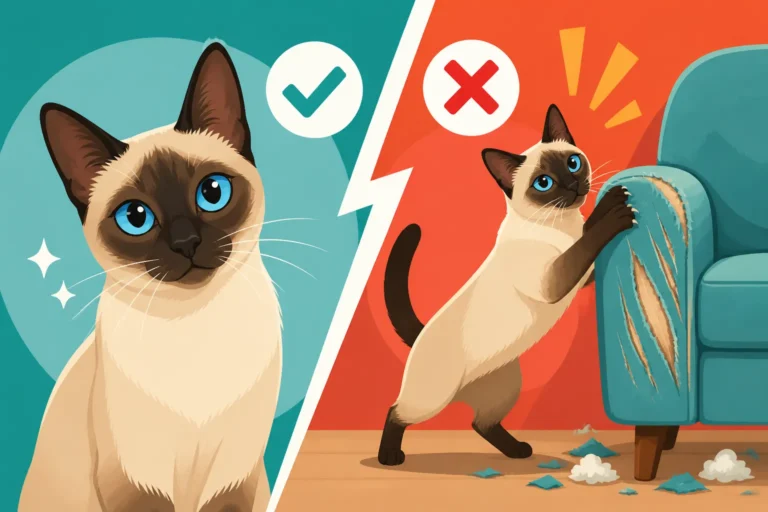
Siamese cats are notoriously intelligent and energetic, which means they get bored easily. A bored Siamese can quickly become a destructive Siamese, turning to furniture or household items for entertainment. To prevent this, a steady supply of engaging toys is essential. This isn't just about a few catnip mice; it means a variety of interactive toys, puzzle feeders, and robust wand toys for daily play sessions. These items wear out, get lost under furniture, or simply lose their appeal, so you'll be replacing them regularly.
Scratching posts and cat trees are also vital. Siamese cats need appropriate places to scratch to maintain healthy claws and stretch their muscles. Investing in sturdy, tall scratching posts (vertical and horizontal options) and multi-level cat trees is crucial. These aren't just for climbing; they offer vantage points, hiding spots, and exercise opportunities. High-quality ones can be a significant upfront cost, but they are more durable and provide better enrichment, ultimately saving your furniture and sanity. Over twenty years, you'll likely go through several cat trees and countless scratching surfaces.
Beds, Cozy Retreats, and Environmental Adjustments
Siamese cats have short coats and, without an insulating undercoat, can be quite susceptible to the cold. Providing warm, cozy sleeping spots is not just a luxury; it's a necessity, especially during colder months or for older cats. This might include plush beds, heated cat beds, or simply soft blankets in sunny spots or near radiators. Many Siamese love to snuggle under blankets with their humans, so expect to share your duvet!
As your Siamese ages, their needs may change. They might develop arthritis or joint stiffness, making it harder to jump onto high surfaces. You might need to invest in ramps or pet stairs to help them access their favorite perches or beds. Modifying their environment to ensure accessibility and comfort for an aging cat is a thoughtful but potentially costly aspect of long-term ownership. Caring for a Siamese Cat Past Twelve offers more insights into the needs of senior Siamese.
Cat Sitters, Boarding, and Travel Expenses
While your Siamese cat will undoubtedly be your best friend, there will be times when you need to be away. Siamese cats are highly social and can suffer from separation anxiety if left alone for too long. This means that options for care while you're away become a significant consideration. Boarding at a reputable cattery or vet clinic can be expensive, especially for longer trips. They offer supervised care, feeding, and attention, but the cost accumulates quickly.
Alternatively, hiring a professional pet sitter to visit your home offers the comfort of familiar surroundings for your Siamese. While often preferred by cats, this also comes with a per-visit or daily fee. If you plan to travel with your Siamese, there are costs associated with proper carriers, sometimes special airline fees, and vet checks required for travel. Over two decades, these intermittent costs for care when you're absent can add up significantly, so it's wise to factor them into your long-term budget.
The Senior Years: Specialized Care and End-of-Life Planning
As your beloved Siamese enters their golden years – typically starting around 10-12 years of age – their needs shift, and with them, the associated costs. The latter half of a Siamese cat's potentially long life often involves more specialized care and considerations.
Increased Veterinary Care for Aging Cats
Just like humans, aging cats are more prone to a range of health issues. Conditions like kidney disease, hyperthyroidism, diabetes, and various forms of cancer become more prevalent. This often means more frequent veterinary visits, not just for annual check-ups, but for monitoring chronic conditions, adjusting medications, and running diagnostic tests (blood panels, urine tests, ultrasounds, X-rays) more regularly. Each of these tests and treatments contributes to a rising veterinary bill.
For instance, managing kidney disease might involve special prescription diets (which can be more expensive), daily subcutaneous fluids at home, and regular blood work to track progression. Hyperthyroidism might require daily medication, special radioactive iodine therapy (a one-time, high-cost treatment), or surgical intervention. These medical interventions are designed to extend and improve the quality of life for your senior Siamese, but they come with a significant financial commitment. Kidney Disease in an Older Siamese Cat provides further information on this common issue.
Specialized Diets and Supplements
With age, your Siamese cat's nutritional needs will likely change. Many senior diets are formulated to support kidney health, joint function, or maintain a healthy weight. These specialized foods, often available only through a veterinarian or specific pet supply stores, can be more expensive than their adult counterparts. Furthermore, older cats may become pickier eaters, requiring you to experiment with different brands or types of food, including palatable wet food, to ensure they maintain their appetite and get adequate nutrition.
Beyond food, your vet might recommend various supplements to support aging joints, cognitive function, or boost overall vitality. Glucosamine for arthritis, omega-3 fatty acids for skin and coat health, or specific probiotics for digestive issues are common examples. While these supplements can improve your cat's quality of life, they represent another ongoing expense that wasn't present in their younger years.
End-of-Life Decisions and Services
This is perhaps the most difficult, but also a crucial, part of long-term pet ownership. Eventually, you will face decisions regarding your Siamese cat's end-of-life care. This can include palliative care to manage pain and discomfort in their final days, which involves medications and specialized veterinary consultations. When the time comes, euthanasia services are available, either at a veterinary clinic or in the comfort of your home, which many owners prefer for a peaceful passing.
Following euthanasia, you'll need to consider aftercare options. Cremation services (private or communal) are available, and many owners choose to receive their cat's ashes back in an urn. Burial is another option, often in a pet cemetery or on private property where legally permitted. These services carry their own costs, which, while emotionally charged, are an important part of honoring your beloved companion's life and saying a final goodbye.
The "Hidden" Costs and Contingencies
Beyond the more obvious categories, there are several "hidden" costs and unexpected expenses that can significantly impact the overall financial commitment of owning a Siamese cat over two decades. Ignoring these can lead to unpleasant surprises down the road.
Damage to Property and Household Items
Siamese cats are incredibly curious, intelligent, and often very active. While they bring immense joy, their playful nature can sometimes lead to property damage. Think of chewed charging cables, clawed furniture, knocked-over vases, or even intricate damage to blinds and curtains. Some Siamese are also prone to wool sucking or pica, which means they might chew and ingest fabric items like blankets, sweaters, or even bathmats. This doesn't just damage the item; it can lead to serious internal blockages, as discussed earlier.
Replacing these items or repairing damage can add up over twenty years. While providing plenty of appropriate scratching posts and stimulating toys can mitigate some of this, a determined Siamese can still find ways to redecorate your home in unexpected ways. It's a cost that's hard to predict but wise to acknowledge as a possibility. For those considering a Siamese, it's worth asking Whether a Siamese Cat Wrecks Furniture.
Training, Behavior Consultation, and Enrichment Devices
Siamese cats are highly intelligent and trainable, but their strong personalities can also lead to behavioral challenges. Excessive vocalization (their famous "Meezer yowl"), separation anxiety, litter box issues, or aggression towards other pets can sometimes arise. While some issues can be resolved with consistent training and environmental enrichment, more complex problems might require the expertise of a professional cat behaviorist. These consultations, often involving in-home visits and follow-up plans, can be a significant expense.
Additionally, keeping a Siamese mentally stimulated often means investing in more than just basic toys. Puzzle feeders, cat wheels (for very energetic cats), and even outdoor catios can be wonderful enrichment tools but represent an investment. They're not just gadgets; they're vital for preventing boredom and fostering a well-adjusted cat, thus indirectly preventing costly behavioral issues. How Trainable a Siamese Cat Really Is can give you an idea of their capabilities.
Time as an Investment and Opportunity Cost
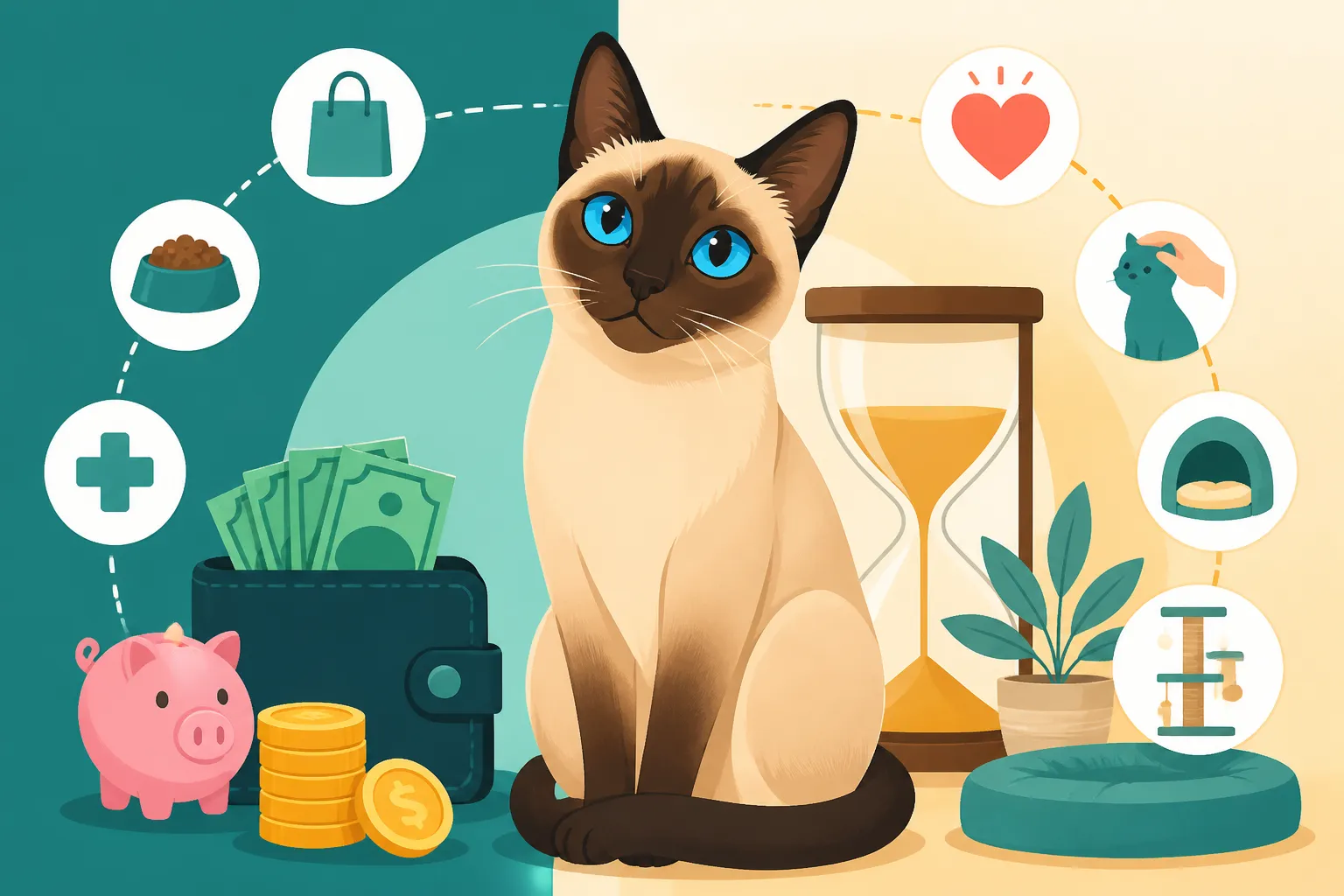
Perhaps the most overlooked "cost" is the investment of your time. A Siamese cat demands interaction, playtime, and mental stimulation daily. They thrive on companionship and can become distressed if left alone for extended periods. This means dedicating time each day to play, cuddle, groom, and simply be present with them. This isn't a financial cost in the traditional sense, but it's an opportunity cost – time you might otherwise spend on other hobbies, work, or social activities.
Over twenty years, this commitment to daily interaction is substantial. It means making lifestyle choices that prioritize your cat's well-being, such as choosing pet-friendly housing, arranging pet sitters for vacations, and being home more often than you might otherwise. While this time is immeasurably rewarding, it's a real commitment that shapes your daily life and shouldn't be underestimated when considering the full "cost" of Siamese ownership.
The Twenty-Year Financial Outlook
Let's break down the general financial journey over a Siamese cat's long lifespan, considering the changing needs and associated costs at different stages. While specific numbers are impossible to give, understanding the pattern of expenditure is key.
| Category | Kitten (0-1 year) | Adult (1-10 years) | Senior (10+ years) |
|---|---|---|---|
| Acquisition | High (one-time) | Low/None | Low/None |
| Initial Setup | High (one-time) | Low/None | Low/None |
| Food & Litter | Moderate | Moderate | Moderate/High |
| Routine Vet Care | Moderate/High | Moderate | High |
| Preventative Meds | Moderate | Moderate | Moderate |
| Grooming/Dental | Low/Moderate | Moderate | High |
| Toys & Enrichment | Moderate | Moderate | Low/Moderate |
| Emergency Fund/Ins. | Moderate (premium) | Moderate (premium) | Moderate (premium) |
| Specialized Care | Low | Moderate | Very High |
| End-of-Life | None | None | High (one-time) |
Total Financial Commitment Over a Lifetime
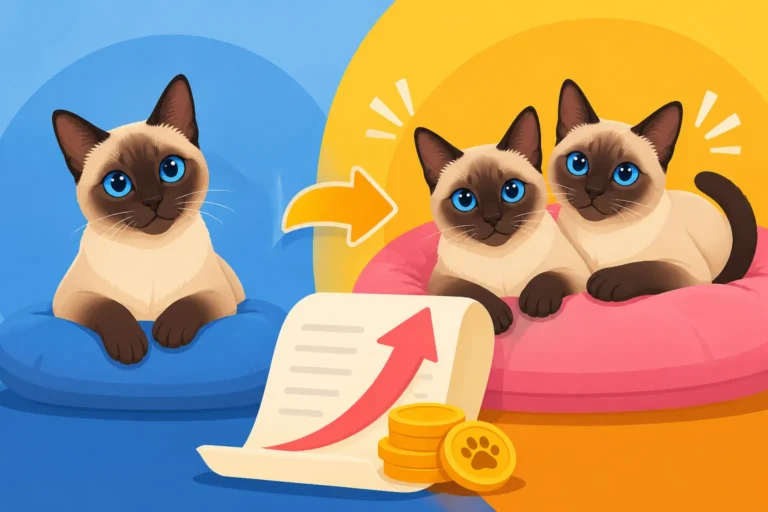
As you can see from the table, the financial commitment shifts. The initial year is often high due to the purchase price, initial vet visits (spay/neuter, vaccinations), and setting up their environment with beds, scratchers, and carriers. The adult years tend to be more stable, with ongoing costs for food, litter, routine vet check-ups, and replacements for worn-out toys or scratching posts. This is where pet insurance, like a policy from Healthy Paws, can really smooth out any unexpected bumps.
The senior years, however, often see a significant increase in expenditure. This is due to the higher likelihood of chronic health conditions requiring more frequent vet visits, specialized diets, medications, and diagnostic tests. It's not uncommon for the annual veterinary bill for a senior Siamese to be several times higher than that of a healthy adult cat. Planning for this increase is crucial, whether through dedicated savings or robust pet insurance coverage. Ultimately, the total cost of a Siamese cat over twenty years is a substantial sum, reflecting two decades of care, companionship, and commitment. It's a beautiful investment, but one that requires forethought and consistent budgeting.
This article is for general informational purposes only and does not constitute professional advice. Laws, prices and regulations vary by location and change over time. Consult a qualified professional for guidance on your specific situation.