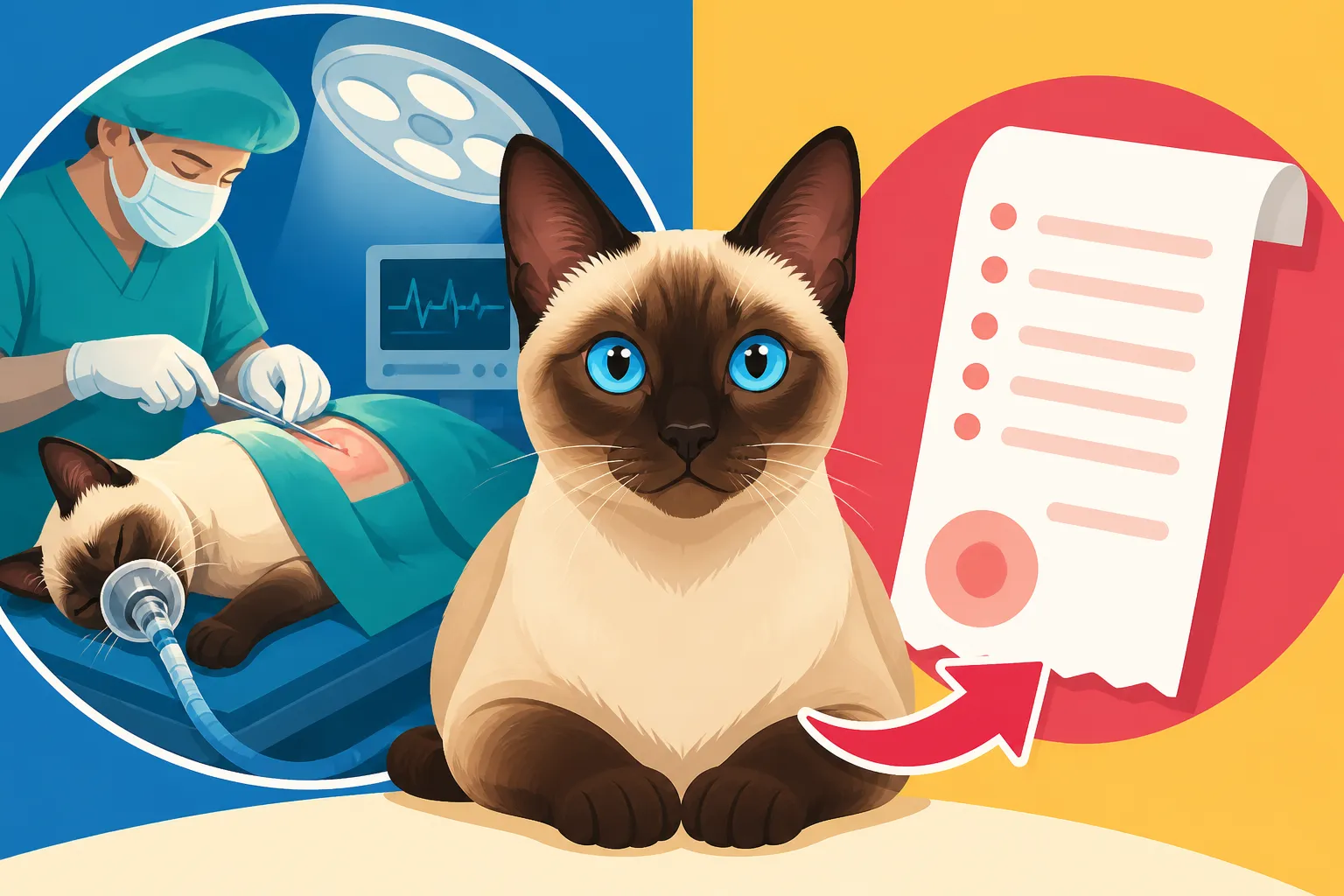
What a Siamese Cat’s Blockage Surgery Bill Looks Like
It's every Siamese cat owner's worst nightmare: you notice your vocal, active companion is suddenly withdrawn, lethargic, and perhaps even trying to vomit without success. When these symptoms appear, especially in a breed known for its playful, sometimes mischievous habits of investigating and even ingesting odd objects, an intestinal blockage immediately leaps to mind. This guide aims to shed light on the daunting financial reality of what a Siamese cat's blockage surgery bill can entail, helping you understand the costs involved during such a stressful, time-sensitive emergency.
The Alarming Reality of Intestinal Blockages in Siamese Cats
Siamese cats are renowned for their intelligence, curiosity, and often, their tendency towards pica — the eating of non-food items. This behavior, sometimes linked to genetics or early weaning, can tragically lead to serious health complications, with intestinal blockages being one of the most severe. Discovering your cat has ingested something it shouldn't have, leading to a life-threatening obstruction, is a moment filled with dread, panic, and immediate financial concern.
Why Siamese Cats Are Prone to Pica and Blockages
Many Siamese owners will tell you stories of their cat's peculiar chewing habits. Some will suck on wool blankets, while others might gnaw on plastic bags, shoelaces, or even electrical cords. This isn't just a quirky habit; it's a deeply ingrained behavior known as pica, and it's particularly common in Siamese cats and their related breeds. When these ingested items are indigestible, they can get stuck in the gastrointestinal tract, forming a blockage that prevents food and water from passing through. The longer a blockage goes untreated, the more serious the damage becomes, potentially leading to tissue death, perforation, and peritonitis, a life-threatening abdominal infection.
The stress of realizing your beloved cat is facing such a crisis is immense. You're not just worried about their survival; you're also acutely aware that saving them will come with a significant price tag. Owners often feel a wave of guilt, wondering if they could have prevented it, even when they’ve taken every precaution. It's a heavy burden, both emotionally and financially.
Initial Veterinary Consultation and Diagnostic Costs
When your Siamese shows signs like repeated vomiting, loss of appetite, lethargy, abdominal pain, or an inability to pass stool, your first port of call is an emergency veterinary visit. This initial visit alone, especially after hours or on a weekend, will typically incur an emergency examination fee. But that’s just the start.
To definitively diagnose a blockage and determine its location and severity, your vet will need to perform several diagnostic tests. These usually include X-rays, which might reveal the foreign body or signs of gas build-up. Often, multiple views or even contrast studies (where your cat ingests a special liquid) are needed to get a clear picture, adding to the cost. An abdominal ultrasound is also incredibly valuable, providing a real-time view of the digestive tract and helping identify the exact nature of the obstruction, such as if it's a linear foreign body or a mass. Blood tests are also crucial to assess your cat's overall health, hydration, and organ function, especially before anesthesia. All these diagnostic steps accumulate rapidly, sometimes reaching several hundred dollars or more before any treatment even begins. Signs a Siamese Cat Has an Intestinal Blockage explores this further.
Breaking Down the Costs of Blockage Surgery for Your Siamese
Once a blockage is confirmed and deemed untreatable by less invasive means (like endoscopy, if the object is small and accessible), surgery becomes the only option. This is a complex abdominal procedure, and the bill reflects the specialized care, equipment, and expertise involved.
Pre-Operative Care and Anesthesia
Before your Siamese can undergo surgery, there's a period of crucial pre-operative stabilization. This might include intravenous fluids to combat dehydration and electrolyte imbalances, pain medication, and sometimes antibiotics if infection is suspected. These treatments are essential to give your cat the best chance during and after surgery.
Anesthesia for a cat, especially one who is already compromised by illness, is not a simple matter. It requires careful monitoring by dedicated veterinary staff, using specialized equipment to track heart rate, blood pressure, oxygen levels, and temperature. The cost will include the anesthetic drugs themselves, the time of the veterinary anesthetist, and the use of the monitoring equipment. Given that Siamese cats can have specific reactions, such as Whether a Siamese Cat Tolerates Anesthesia, this careful monitoring is even more critical.
The Surgical Procedure Itself
The core of the expense is the enterotomy or gastrotomy—the actual surgery to open the abdomen and remove the foreign body from the stomach or intestines. This involves a skilled veterinary surgeon, sterile operating room conditions, and a team of surgical technicians. The complexity of the surgery can vary wildly; a simple removal of a single object from the stomach is less involved than meticulously extracting a linear foreign body that has pleated the intestines, or dealing with damaged, devitalized sections of bowel that need to be resected.
The surgeon's fee will be a significant portion of the bill, reflecting their expertise and the time spent in the operating room. Beyond the surgeon, there's the cost of using the surgical suite, all the sterile instruments, drapes, sutures, and other disposable supplies. If part of the intestine needs to be removed and the healthy ends reconnected (a procedure called anastomosis), this further increases the complexity and duration of the surgery, directly impacting the final cost. It's not uncommon for these surgical fees to quickly climb into the thousands of dollars.
| Cost Component | Description | Estimated Impact on Bill (Relative) |
|---|---|---|
| Emergency Exam | Initial check-up, often higher outside regular hours | Low to Medium |
| Diagnostic Imaging | X-rays, ultrasound, contrast studies | Medium |
| Bloodwork | Pre-anesthetic panel, electrolyte checks | Low to Medium |
| IV Fluids | Rehydration, medication delivery | Low to Medium |
| Anesthesia | Drugs, monitoring, veterinary anesthetist time | Medium |
| Surgeon's Fee | Expertise, time, complexity of procedure | High |
| Operating Room | Use of sterile facilities, instruments, supplies | Medium |
| Post-Op Hospitalization | Monitoring, pain management, IV fluids, feeding tubes | Medium to High |
| Medications | Pain relievers, antibiotics, anti-nausea for home | Low |
| Follow-up Visits | Suture removal, wound checks, general recovery monitoring | Low |
Post-Operative Hospitalization and Care
The surgery isn't the end of the line, and neither is the billing. Your Siamese will require intensive post-operative care, often involving several days of hospitalization. During this time, they will need continuous monitoring for signs of complications, continued intravenous fluids, pain management, and sometimes anti-nausea medications. Some cats may even require a feeding tube if they are reluctant to eat.
Veterinary technicians provide round-the-clock care, monitoring vital signs, administering medications, changing bandages, and ensuring your cat is comfortable. This labor-intensive care, along with the use of hospital facilities, contributes significantly to the overall bill. Each day your cat remains hospitalized adds to the expense, and in critical cases, this stay can be prolonged. It’s a necessary cost, as early detection of issues like infection or leakage from the surgical site is vital for recovery.
Beyond the Surgery: Post-Operative Care and Potential Complications
Bringing your Siamese cat home after such a traumatic event is a relief, but the journey to full recovery isn't over. There are further costs and considerations, both expected and unexpected, that owners must be prepared for.
Recovery at Home and Follow-Up Costs
Once your cat is discharged, they'll likely come home with a regimen of medications, including pain relievers and antibiotics, to ensure a smooth recovery. You'll also need an Elizabethan collar to prevent them from licking or chewing at their incision site, which can cause infection or disrupt sutures. What a Siamese Cat's Blockage Surgery Bill Looks Like is heavily influenced by the extent of post-op care.
There will be follow-up appointments with your vet to check the incision, remove sutures, and monitor their overall progress. Sometimes, additional blood tests or even X-rays might be recommended if concerns arise. Special recovery diets might also be necessary, and you can often find suitable options through retailers like Chewy, offering digestible and palatable foods that aid healing. Ensuring your Siamese is eating well and gaining strength is paramount, and your vet might recommend specific brands or formulations to support their recovery.
Dealing with Complications and Re-obstruction
Unfortunately, even with successful surgery, complications can arise, which can add substantially to the bill. These might include wound infections, which require further vet visits and stronger antibiotics. More seriously, internal complications like leakage from the surgical site (dehiscence) can lead to peritonitis, demanding immediate, often life-saving, emergency surgery, which starts the entire costly process all over again.
For Siamese cats with a history of pica, there's also the heartbreaking risk of re-obstruction. If the underlying behavioral issue isn't managed, your cat might ingest another foreign body. This means another emergency, another diagnosis, and potentially another surgery. This recurring risk highlights the importance of addressing the root cause of pica, which can involve behavioral modification, increased mental and physical enrichment, and sometimes even medication. Learning How to Stop a Siamese Cat Eating Fabric becomes critical.
The Role of Pet Insurance and Prevention
Given the substantial costs associated with emergency surgery for blockages, many owners find themselves wishing they had pet insurance. Policies from providers like Healthy Paws can significantly mitigate the financial burden, covering a large percentage of emergency veterinary bills, including diagnostics, surgery, and hospitalization, after your deductible. While it won't cover pre-existing conditions, having a policy in place before an emergency occurs can be a literal lifesaver for your budget and peace of mind. What Insuring a Siamese Cat Costs a Month delves into this important consideration.
Beyond insurance, active prevention is the most effective way to avoid these devastating bills. This means diligent “cat-proofing” your home, removing tempting items your Siamese might try to ingest, and providing plenty of appropriate toys and enrichment. For Siamese cats with persistent pica, dietary changes might also be explored, potentially incorporating novel protein or high-fiber diets. Some owners find that carefully selected, high-quality food can keep their cats satisfied and less inclined to seek out non-food items, though this varies greatly by individual cat.
Strategies to Manage and Prevent Future Blockages (and Their Costs)
Preventing future blockages in a Siamese cat, especially one prone to pica, is an ongoing commitment. It's not just about avoiding another huge vet bill; it's about safeguarding your beloved companion's health and well-being in the long term. This requires a multi-faceted approach, combining environmental control, behavioral management, and careful monitoring.
Proactive Environmental Management and Enrichment
The first and most critical step is to make your home as "cat-proof" as possible. Think of your Siamese as a highly intelligent, inquisitive toddler who can jump and climb. Put away any string, yarn, elastic bands, small toys, plastic bags, or any other non-food item that could be ingested. Secure cabinets, especially those containing cleaning supplies or medications. Even seemingly innocuous items like blankets or clothing made of wool or fleece can be targets for wool-sucking Siamese cats, so consider storing these in inaccessible places or using deterrents.
Beyond simply removing tempting items, providing ample appropriate enrichment is vital. A bored Siamese is a mischievous Siamese. Invest in sturdy cat trees, puzzle feeders (which can also slow down eating and provide mental stimulation), and a variety of interactive toys. Daily play sessions with wand toys or laser pointers can burn off energy and satisfy their hunting instincts. Some Siamese cats even enjoy walking on a harness and leash, offering safe outdoor exploration. Keeping their minds and bodies engaged can significantly reduce their urge to seek out inappropriate chewing objects. Enrichment for a Siamese Cat That Gets Bored in an Hour offers many ideas.
Dietary Adjustments and Veterinary Guidance
For some Siamese cats with pica, dietary factors might play a role. While not a universal solution, sometimes increasing the fiber content in their diet can help them feel more satiated and potentially reduce wool-sucking behaviors. Discuss with your veterinarian whether a high-fiber diet or a change in food type might be beneficial for your particular cat.
Your vet can also rule out any underlying medical causes for pica, such as nutritional deficiencies or gastrointestinal discomfort, although often it's purely behavioral in Siamese cats. They might recommend specific brands or formulations, or even advise on frequency of feeding to keep your cat from feeling overly hungry. If the pica is severe and persistent, despite environmental and dietary changes, your vet might discuss behavioral modification techniques or, in rare cases, medications to help manage compulsive behaviors.
Ongoing Vigilance and Preparedness
Even with the best preventative measures, accidents can happen. Maintaining ongoing vigilance is key. Regularly inspect your home for new hazards, and pay close attention to your Siamese cat's eating habits and litter box behavior. Any sudden changes in appetite, vomiting, lethargy, or straining to defecate should prompt immediate veterinary consultation. Early detection of a potential blockage can sometimes allow for less invasive interventions or at least quicker surgical resolution, potentially reducing the severity of complications and the overall bill.
It’s also wise to have a financial contingency plan in place. Whether it's a dedicated savings account for veterinary emergencies or a robust pet insurance policy, being financially prepared can make all the difference in a crisis. Knowing that you have the means to provide life-saving care without crippling financial stress is an invaluable comfort for any Siamese cat owner. What the First Year With a Siamese Cat Costs and Twenty Years of a Siamese Cat, Priced Out highlight the importance of planning for the unexpected throughout their long lives.
Disclaimer
This article is for general informational purposes only and does not constitute professional advice. Laws, prices and regulations vary by location and change over time. Consult a qualified professional for guidance on your specific situation.