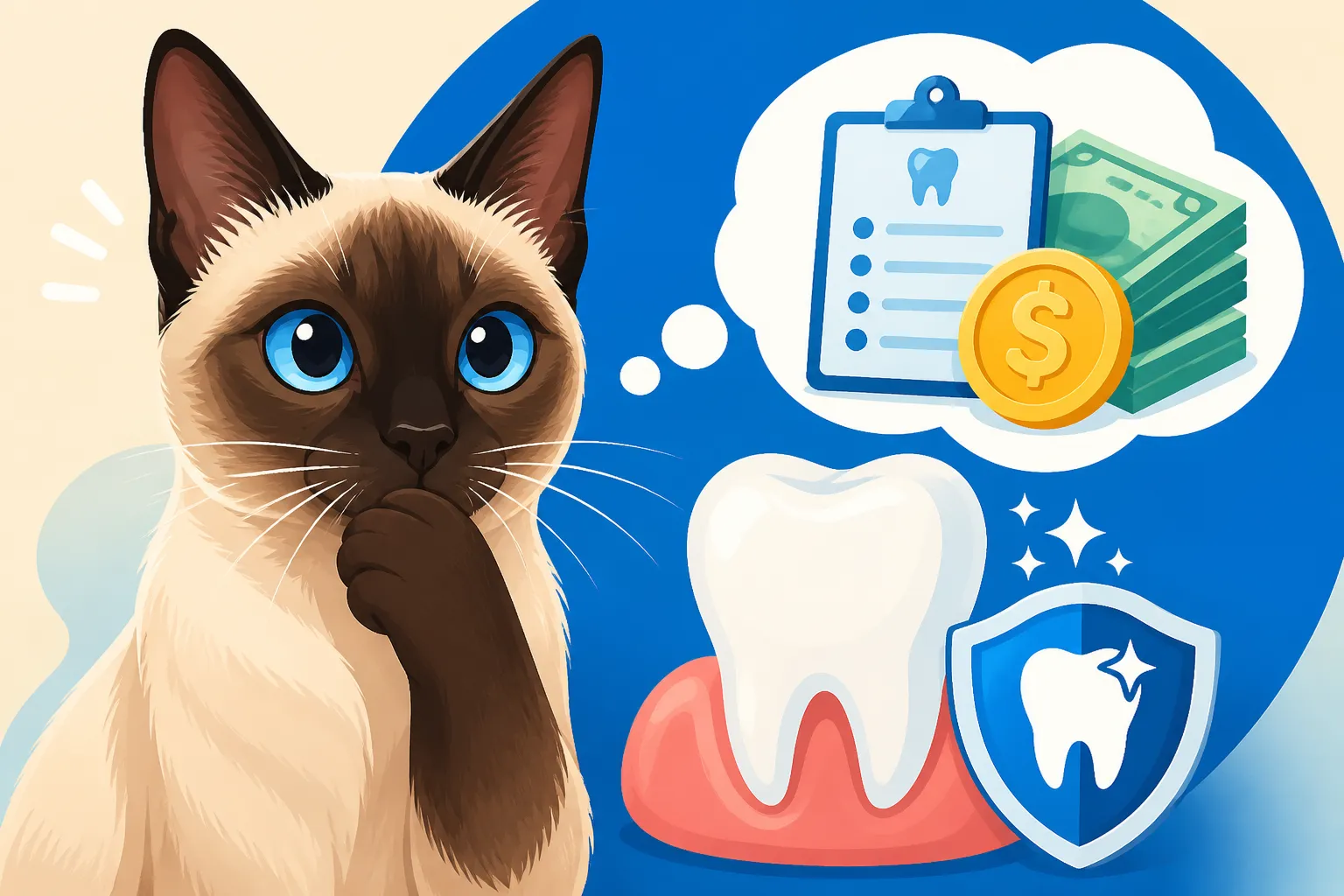
What a Siamese Cat’s Dental Costs
It's a heartbreaking reality that many of us face: that moment when the vet looks at your beloved Siamese and says those dreaded words, "We need to talk about their teeth." Dental disease in cats is far more common and serious than many people realize, and the associated costs can be a real shock. This guide is here to walk you through what to expect when budgeting for your Siamese cat's dental care, from routine cleanings to more complex procedures, and how you can take proactive steps to protect their health and your wallet.
Why Siamese Cats Are Prone to Dental Issues and What It Means for Their Health
Our sleek, vocal Siamese companions are known for their striking looks and captivating personalities, but like many purebred cats, they can have certain predispositions. Unfortunately, dental problems often top that list. It’s not just about bad breath; untreated dental disease can lead to significant pain, infections, and even systemic health problems affecting vital organs.
The Unique Oral Anatomy of Siamese Cats
Siamese cats, with their elegant, somewhat refined head shape, sometimes have jaw structures that can contribute to dental crowding. When teeth are too close together, it creates more nooks and crannies where food particles and bacteria can hide, making it harder for natural cleaning processes (like eating kibble) or even home brushing to be fully effective. This crowding, combined with the often-observed narrowness of their mouths, can accelerate plaque and tartar buildup. Think of it like trying to floss a really tight space – it's just more challenging, and if left unchecked, that buildup becomes a perfect breeding ground for bacteria. This isn't something you can prevent entirely, but understanding it helps us be more vigilant.
Common Dental Problems Faced by Siamese Cats
The most common culprit we see is periodontal disease, which encompasses gingivitis (inflammation of the gums) and periodontitis (destruction of the tissues supporting the teeth). You might first notice red, swollen gums or perhaps a noticeable smell from their mouth. If it progresses, you can actually see the gumline receding, exposing the root of the tooth. Another problem that seems to hit Siamese cats particularly hard is tooth resorption, which is incredibly painful. This condition involves the tooth structure itself breaking down from the inside out, often starting at the gum line. It's insidious because it often goes unseen until your cat is already in a lot of discomfort. Dental Disease in a Siamese Cat explores these issues in greater detail. Beyond these, fractured teeth from chewing on hard objects or trauma, and even oral masses, can occur, all requiring veterinary intervention. Ignoring these signs isn't an option; your cat is likely in constant pain, even if they're masters at hiding it.
Breaking Down the Typical Dental Cleaning Bill for Your Siamese
A professional dental cleaning for your Siamese isn't just a quick brush-up. It's a comprehensive medical procedure that involves a team of veterinary professionals, specialized equipment, and careful monitoring. Understanding each component can help demystify the final bill.
Initial Assessment and Pre-Anesthetic Workup
Before your Siamese can even go under anesthesia for a cleaning, a thorough physical exam is crucial. Your vet needs to assess their overall health, listen to their heart and lungs, and check for any underlying conditions that could make anesthesia riskier. This is often followed by pre-anesthetic bloodwork. This isn't an optional add-on; it's a critical safety measure. These tests check organ function, particularly the liver and kidneys, to ensure your cat can metabolize anesthetic drugs safely. They also look for any hidden infections or blood clotting issues that might complicate the procedure. Depending on your cat's age and health status, your vet might recommend additional diagnostics, like urinalysis or even chest X-rays, especially for older cats or those with suspected heart murmurs. What a Siamese Cat's Yearly Bloodwork Should Cover gives you an idea of what tests are typically included.
The Anesthesia Itself
This is often the largest single component of a dental bill, and for good reason. General anesthesia in cats is complex and requires constant monitoring by a trained veterinary technician. They'll be watching your Siamese cat's heart rate, breathing, blood pressure, oxygen saturation, and temperature throughout the entire procedure. The cost covers the anesthetic drugs themselves, the necessary equipment (like an intubation tube and anesthetic machine), and the dedicated staff member who provides that vigilant supervision. While pet insurance plans like Healthy Paws often cover a significant portion of unexpected illness and accident costs, it's worth checking their policies specifically for routine dental cleanings and any anesthetic complications, as coverage can vary. The duration of the anesthesia also impacts the cost; a simple cleaning is less expensive than a cleaning combined with multiple extractions.
The Professional Cleaning Process
Once your Siamese is safely under anesthesia, the real dental work begins. This isn't just scaling the visible tartar; it's a meticulous process. First, an ultrasonic scaler is used to remove plaque and tartar from the crown of the tooth and, crucially, below the gum line, where most periodontal disease hides. This subgingival cleaning is impossible to do on an awake cat and is vital for preventing disease progression. After scaling, each tooth is polished to smooth out any microscopic etches left by the scaler, making it harder for new plaque to adhere. But the most important part of the cleaning, and often what uncovers the true extent of dental disease, is the full mouth dental X-rays. Just like in human dentistry, X-rays reveal problems lurking beneath the gum line that are invisible to the naked eye – things like bone loss around tooth roots, abscesses, un-erupted teeth, or even Tooth Resorption in a Siamese Cat. Without X-rays, a significant portion of dental disease could be missed, leading to ongoing pain for your cat down the line.
Post-Procedure Care and Medications
After the cleaning and any necessary extractions are complete, your Siamese will be carefully monitored as they recover from anesthesia. The post-procedure care includes pain management, which is paramount, especially if extractions were performed. Your vet will likely send your cat home with oral pain medication, and sometimes antibiotics if there was a significant infection or multiple extractions. These medications are a crucial part of ensuring a comfortable recovery and preventing secondary infections. You might also receive instructions on at-home dental care to maintain their newly cleaned teeth, along with recommendations for specific dental diets or chews you can find on sites like Chewy. The cost of these medications and any follow-up appointments (which are often brief checks to ensure healing) will be added to your total bill.
Understanding the Variables That Drive Up Dental Costs
You might wonder why your friend's tabby had a dental cleaning for one price, while your Siamese's estimate is significantly higher. Several factors come into play, making each dental procedure unique in its cost.
Geographic Location and Clinic Differences
Just like real estate, veterinary costs can vary dramatically depending on where you live. A procedure in a bustling metropolitan area, where overhead costs are higher, will generally be more expensive than the same procedure in a rural town. Within any given area, different clinics also have different pricing structures. A state-of-the-art facility with specialized dental equipment, board-certified veterinary dentists, and 24/7 emergency care might charge more than a smaller, general practice. It’s always a good idea to get a detailed estimate upfront and understand what’s included. Don't be afraid to ask questions about why certain tests or procedures are recommended.
The Severity of Your Cat's Dental Disease
This is perhaps the biggest variable in the final cost. A young Siamese cat needing a routine cleaning for mild gingivitis will have a much lower bill than an older cat with advanced periodontal disease, multiple resorptive lesions, and potential abscesses requiring complex extractions. The "grade" of dental disease, from Grade 1 (mild gingivitis) to Grade 4 (severe periodontitis with extensive bone loss), directly impacts the time needed under anesthesia, the complexity of the procedures, and the amount of post-operative care required. Early intervention is always cheaper, both financially and in terms of your cat's comfort. Gingivitis in a Siamese Cat often marks the beginning of these more severe issues.
Additional Procedures Beyond a Basic Cleaning
Many dental estimates provide a range because a veterinarian often won't know the full extent of the problem until your Siamese is under anesthesia and dental X-rays are taken. If X-rays reveal painful, infected teeth that need to be extracted, this adds significant cost. Extractions require more time, specialized tools, local anesthetic blocks, and often suturing of the gum tissue. Similarly, if extensive bone grafting or other advanced periodontal treatments are necessary, these will drive up the price. Sometimes, a biopsy of suspicious oral growths might be needed, adding pathology lab fees. These unexpected findings are precisely why vets emphasize the importance of diagnostics like X-rays – they prevent guessing and ensure your cat gets the care they truly need.
When Things Get Serious: Costs for Advanced Dental Care
Sometimes, a routine cleaning turns into something much more involved. When dental disease has progressed significantly, or when other oral health issues arise, the procedures and their associated costs become more substantial. These are the scenarios where having a financial plan, whether through insurance or savings, truly pays off.
Surgical Extractions and Root Canals
If a tooth is severely diseased, fractured, or suffering from advanced Tooth Resorption in a Siamese Cat, extraction becomes necessary. Unlike pulling a loose human tooth, feline extractions, especially of multi-rooted back teeth, can be intricate surgical procedures. They often involve cutting the gum, drilling away bone surrounding the tooth, and then carefully removing the tooth fragments. This adds significant time under anesthesia, requires skilled surgical hands, and demands more pain management afterwards. Sometimes, if a tooth is fractured but healthy, a root canal might be an option, particularly for vital fangs. This procedure, performed by a veterinary dental specialist, is aimed at saving the tooth but comes with a specialist fee that can be quite high. It's a testament to how advanced veterinary dentistry has become, offering solutions that were once unheard of for our feline friends.
Treating Periodontal Disease
Periodontal disease isn't just about cleaning; it's about managing an ongoing inflammatory condition. For advanced cases, treatment might go beyond simple scaling and polishing. This could include applying antiseptic gels under the gumline, guided tissue regeneration procedures to encourage the regrowth of supporting structures, or even minor surgeries to reshape gum tissue. These are typically performed by veterinary dentists and reflect their specialized training and equipment. The goal is to halt the progression of the disease, alleviate pain, and preserve as many teeth as possible. Without such interventions, a Siamese cat can experience chronic pain, difficulty eating, and the risk of bacteria entering the bloodstream and affecting organs like the heart, liver, and kidneys. This is also why we link to Why a Siamese Cat Loses Teeth Young, as severe periodontal disease is a major factor.
Managing Oral Tumors or Fractures
Beyond periodontal disease, Siamese cats, like all cats, can develop oral tumors. Discovering a mass in your cat's mouth during a dental exam is a scary moment. The costs here can quickly escalate, involving biopsies to determine if the mass is benign or malignant, extensive surgery to remove the tumor, and potentially follow-up treatments like radiation or chemotherapy if it's cancerous. Similarly, a fractured jaw or severely fractured tooth that compromises the pulp can necessitate reconstructive surgery or complex extractions. These are often emergency situations that require immediate, specialized care, highlighting the unpredictable nature of pet ownership expenses. Such situations reinforce the value of robust pet insurance or a dedicated savings fund.
Proactive Steps to Mitigate Future Dental Bills
The best way to manage dental costs is to try and prevent serious problems from developing in the first place. A proactive approach to your Siamese cat's oral hygiene can save you a lot of heartache and money down the line.
Daily Oral Hygiene at Home
I know, I know, brushing a cat's teeth sounds like a nightmare. But hear me out! Starting when they're young, even just getting them used to having their mouth handled and rubbing their gums with your finger, can make a huge difference. Gradually introduce a finger brush or a soft cat toothbrush with pet-safe toothpaste (never human toothpaste!). Aim for daily brushing if possible, focusing on the outside surfaces of their teeth, especially the upper molars where plaque tends to accumulate fastest. Even if you can only manage a few times a week, every little bit helps. It might take patience and positive reinforcement, but it's genuinely the most effective way to remove plaque before it hardens into tartar. We have a detailed guide on How to Brush a Siamese Cat's Teeth that can help you get started.
Choosing the Right Diet and Dental Aids
While brushing is king, certain diets and dental aids can complement your efforts. Look for dental-specific kibble that is designed with a unique shape and texture to scrub the teeth as your cat chews. Some brands formulate food with additives that help reduce plaque accumulation. While not all foods are specifically dental-focused, a good diet contributes to overall health, including oral health. You can also find a variety of dental treats and water additives on sites like Chewy that are scientifically proven to help reduce plaque and tartar. Always look for products with a Veterinary Oral Health Council (VOHC) seal of acceptance – this means they meet specific standards for plaque and/or tartar control. Remember, these are aids, not replacements for brushing or professional cleanings. Which Food Suits a Siamese Cat is a good resource to consider when selecting diet.
Regular Veterinary Check-ups and Early Intervention
Routine veterinary visits are your first line of defense against escalating dental problems. During your Siamese cat's annual wellness exam, your vet will perform an oral examination. While they can't see below the gum line or X-ray without anesthesia, they can identify early signs of gingivitis, tartar buildup, or other obvious issues. Early detection means less invasive, less expensive treatment. If your vet recommends a dental cleaning, don't put it off. Waiting until your cat is showing obvious signs of pain (like dropping food, pawing at their mouth, or refusing to eat) often means the disease has progressed to a severe stage, requiring more complex and costly interventions. Regular check-ups, as discussed in How Often a Siamese Cat Needs a Wellness Exam, are key to catching problems early.
Financial Planning: Insurance and Budgeting for Siamese Cat Dentals
The reality is that veterinary care, especially specialized procedures like dentals, can be expensive. Having a financial strategy in place can alleviate stress and ensure your beloved Siamese gets the care they need without breaking the bank.
Navigating Pet Insurance for Dental Coverage
Pet insurance can be a lifesaver, but understanding dental coverage is crucial. Most standard pet insurance policies, such as those from Healthy Paws, will cover the costs associated with dental trauma (like a broken tooth from an accident) or illness (like treating an abscess or severe periodontal disease that requires extractions). However, routine dental cleanings and preventative care are often considered "wellness" or "preventative" benefits and are typically not included in basic accident and illness plans. Many providers offer optional wellness add-ons that do cover a portion of routine cleanings, but these come with an additional premium. It's essential to read the fine print, understand what your policy covers, and what it excludes. Also, be aware of waiting periods and pre-existing condition clauses; if your cat already has dental disease when you enroll, treatment for that specific condition might be excluded. What Insuring a Siamese Cat Costs a Month can help you evaluate options, and it's also worth checking Whether Insurance Excludes a Siamese Cat's Inherited Disease as some conditions could be seen that way.
| Dental Procedure | Typical Components Covered | Cost Drivers | Preventative Measures |
|---|---|---|---|
| Routine Cleaning (Grade 1-2) | Exam, bloodwork, anesthesia, scaling, polishing, dental X-rays, minor pain meds | Anesthesia duration, location, clinic type | Daily brushing, dental diets, vet check-ups |
| Moderate Dental Disease (Grade 2-3) | All above + possibly simple extractions, advanced pain management, antibiotics | Number of extractions, complexity, additional medications | Early detection, consistent home care |
| Severe Dental Disease (Grade 3-4) | All above + surgical extractions, local nerve blocks, extensive pain meds, follow-ups | Advanced surgical skill, prolonged anesthesia, specialized equipment | Regular professional cleanings, vigilant home care |
| Oral Surgery (Tumors, Fractures) | Exam, diagnostics, advanced anesthesia, specialized surgery, intensive post-op care | Specialist fees, prolonged hospital stay, medication, follow-up treatments | Regular oral exams, preventing trauma |
Setting Aside Funds for Routine and Emergency Care
Even with insurance, or if you choose not to get it, having a dedicated fund for veterinary care is a smart move. You can set up a separate savings account specifically for your cat's health needs, contributing a small amount each month. Think of it as your "feline dental savings fund." This way, when the vet recommends a cleaning, or if an unexpected dental emergency arises, you're not caught completely off guard. Many vets also offer payment plans or work with third-party financing options like CareCredit. Discussing these options with your veterinary clinic's front office staff can help you understand what's available. Budgeting for preventative care is always a wiser financial strategy than scrambling to pay for emergency, advanced treatments that could have been avoided. Thinking about What a Siamese Cat Costs Over Twenty Years really puts the importance of these regular expenses into perspective.
Disclaimer
This article is for general informational purposes only and does not constitute professional advice. Laws, prices and regulations vary by location and change over time. Consult a qualified professional for guidance on your specific situation.