Whether a Siamese Cat Wrecks Furniture
One of the biggest worries many prospective Siamese cat owners have, especially those who cherish their home decor, is whether bringing home one of these intelligent and energetic felines means saying goodbye to pristine furniture. It's a valid concern; these cats are known for their strong personalities and active natures, and tales of feline-induced chaos abound. This guide will delve deep into the reality of Siamese cats and furniture, exploring why they might engage in destructive behaviors and, more importantly, how you can proactively protect your beloved belongings while keeping your Meezer happy and stimulated.
The Siamese Cat's Drive to Damage
Let's be honest, no cat sets out with a malicious plan to "wreck" your sofa. When a Siamese cat damages furniture, it's almost always an expression of an unmet need, an instinctual behavior, or a response to their environment. Understanding these underlying drives is the first step toward managing them. It’s not about being a “bad cat”; it's about being a cat, often a very smart and active one.
Scratching: A Natural Instinct, Magnified
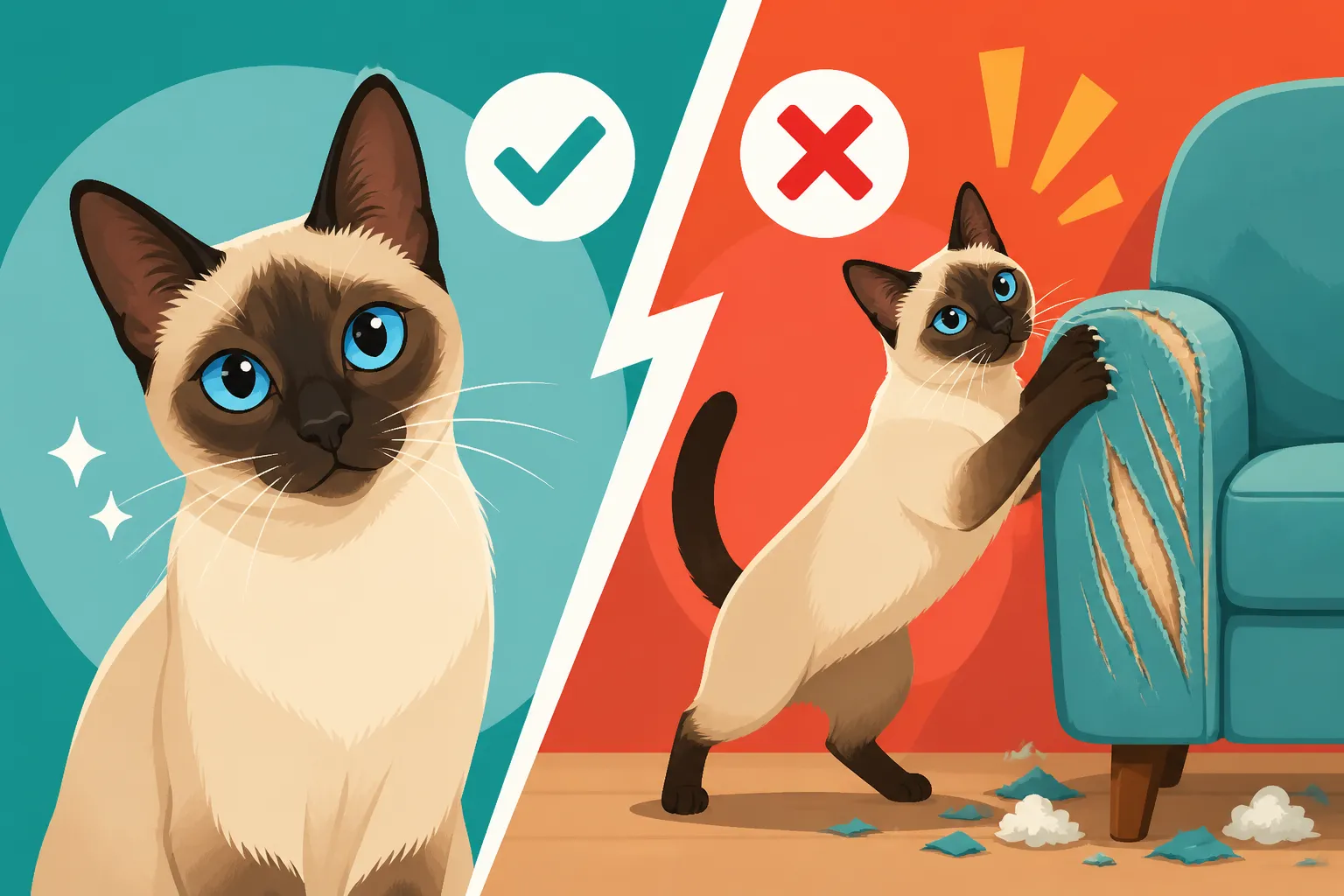
Every cat scratches. It's an essential, non-negotiable part of being a feline. They scratch to stretch their muscles, to shed old claw sheaths, to mark their territory visually and with scent glands in their paws, and frankly, because it feels good. For a Siamese cat, known for their athleticism and strong personalities, this instinct can sometimes feel amplified. If they don't have suitable, appealing alternatives, your sofa's armrest or that expensive rug can look like the perfect scratching post.
Imagine a Siamese, full of vim and vigor, stretching out after a nap. Their claws extend, finding purchase, pulling through the fabric. It’s satisfying for them. If the scratching post you provided is flimsy, wobbly, or not tall enough for a full stretch, it's not going to cut it. They need something robust, something that allows them to really dig in and express that instinct. It's not personal; it's just cat logic: if it feels good and nothing better is available, the furniture becomes fair game.
Chewing and Pica: More Than Just Naughtiness
While scratching is universal, chewing on furniture is less common but can be more destructive. When a Siamese cat chews on furniture, especially fabric, blankets, or even wooden legs, it can be a sign of pica. Pica is the compulsion to eat non-food items, and it's a behavior Why a Siamese Cat Sucks Wool delves into more deeply. Siamese cats, along with other Oriental breeds, are particularly prone to this. It's not just a cute quirk; it can be dangerous if they ingest indigestible materials, potentially leading to blockages.
If your Siamese is chewing on cushions, blankets, or even electrical cords, it's crucial to address it. Sometimes, it's a comfort-seeking behavior, reminiscent of nursing as a kitten. Other times, it can be a sign of stress or anxiety. It could even be a response to a nutritional deficiency, though this is less common with a good quality diet. Regardless, it's a behavior that needs intervention, not just because of your furniture, but for their own safety. If you find your Siamese chewing on an item from Chewy, for instance, that isn't meant for chewing, it's a sign to reassess their needs.
The Energetic Explorer: Knocking Things Over
Siamese cats are famously curious, intelligent, and incredibly active. They're not content to simply observe; they want to interact with their environment. This means they'll jump, climb, explore high places, and investigate every nook and cranny. Sometimes, in their enthusiastic exploration, things get knocked over. A vase on a precarious shelf, a lamp near a favorite window perch, or even delicate decor on a console table can become collateral damage in their quest for adventure.
Think of them as tiny, furry wrecking balls, not out of malice, but pure, unadulterated energy and curiosity. They want to know what's up there, how it feels, and if it moves. If your home isn't set up to provide safe, stimulating vertical spaces and secure items, you might find yourself constantly picking up after them. It’s their way of interacting with the world, and if that interaction involves a bit of accidental chaos, well, that's just a Tuesday for a Siamese. This isn't just about furniture; it's about anything on or near the furniture.
Understanding Why They Might Target Your Furniture
Knowing what they might damage is one thing, but understanding the why is truly key to prevention. It’s rarely out of spite, but rather a manifestation of their complex needs and intelligence.
Boredom and Lack of Mental Stimulation
A bored Siamese cat is a destructive Siamese cat. These are incredibly smart, high-energy animals who thrive on interaction and mental challenges. If they're left alone for long periods without adequate stimulation, they will find ways to entertain themselves. And often, those ways involve your furniture. They might scratch to burn off energy, chew to relieve anxiety, or explore in ways that lead to items being knocked over. What a Bored Siamese Cat Destroys goes into more detail about how their intelligence can turn to mischief.
Consider a cat who has spent hours watching birds from the window, but then the birds disappear, and there's nothing else engaging them. That energy has to go somewhere. They might start "redecorating" by pulling threads from your rug or attempting to climb the drapes. It’s not personal; it’s simply a quest for engagement. A home that doesn't provide enough interactive play, puzzle feeders, or engaging toys is an open invitation for a Siamese to invent their own fun, often at the expense of your belongings.
Stress, Anxiety, and Seeking Comfort
Just like people, cats can experience stress and anxiety, and they often express these feelings through behavioral changes. Destructive behavior can be a coping mechanism. A Siamese cat that suddenly starts scratching furniture excessively, chewing on items they never did before, or hiding and then emerging to cause a ruckus, might be feeling anxious. This could be triggered by changes in the home, such as a new pet, a move, or even a change in your work schedule.
Pica, in particular, can be a symptom of anxiety, where chewing on fabric provides a soothing, self-comforting action. Why a Stressed Siamese Cat Licks Itself Bald highlights how stress can manifest physically, and destructive behavior is another avenue. If you suspect stress is the root cause, identifying the stressor and working to alleviate it is paramount. This might involve creating a more predictable routine, providing safe spaces, or even using calming diffusers.
Inadequate Scratching and Chewing Outlets
This is perhaps the most straightforward reason for furniture damage. If your Siamese doesn't have appropriate, appealing, and accessible outlets for their natural behaviors, they will use what's available. If your scratching posts are too short, too wobbly, or covered in a material they dislike, they'll seek out your expensive upholstered pieces instead. Cats are particular, and a Siamese is no exception.
The same goes for chewing. If pica is an issue, providing safe, durable chew toys can sometimes redirect the behavior. But if these aren't offered, or if the cat doesn't find them appealing, they'll continue to seek out household items. It's a simple equation: natural instinct + no acceptable outlet = damaged furniture. Many owners underestimate the importance of variety and quality when it comes to cat furniture. Why a Siamese Cat Destroys Cheap Cat Trees emphasizes that investing in quality can save your sofa.
Strategies to Protect Your Furniture (and Your Sanity!)
Now that we understand the 'why,' let's focus on the 'how' – how to minimize furniture damage and foster a happy, healthy relationship with your Siamese. It's all about proactive management and meeting their needs.
Providing Appropriate Outlets for Natural Behaviors
This is non-negotiable. You must give your Siamese appealing alternatives to your furniture.
- Scratching Posts Galore:
- Variety is Key: Offer different types of scratching surfaces: sisal rope, cardboard, carpet, and wood. Some cats prefer vertical scratching (posts), others horizontal (mats or boards). Have both.
- Sturdy and Tall: Invest in tall, heavy-duty scratching posts that won't wobble and allow your Siamese to stretch to their full height. The bigger, more stable, and more "tree-like" the better. Products found on Chewy often have excellent reviews for durability.
- Strategic Placement: Put scratching posts in prominent, high-traffic areas where your cat spends time and where they might otherwise be tempted to scratch your furniture. If they like to scratch the corner of the sofa, put a post right there.
- Safe Chew Toys: If your Siamese is prone to pica or chewing, provide safe, cat-specific chew toys. Look for durable rubber or silicone toys designed for chewing, or even certain dental treats. Avoid anything small enough to be swallowed or that can fray into indigestible strings. Consult your vet for recommendations, especially if pica is severe.
Enrichment and Engagement: Keeping Their Minds Busy
A tired Siamese is a good Siamese. These cats need a lot of mental and physical exercise.
- Interactive Play: Dedicate at least two 15-minute sessions daily to interactive play with wand toys, laser pointers (ending with a physical toy catch to prevent frustration), or feather teasers. This helps them burn off energy and satisfies their prey drive. How Much Play a Siamese Cat Needs is a great resource here.
- Puzzle Feeders: Instead of just putting food in a bowl, use puzzle feeders to make them "work" for their meals. This engages their problem-solving skills and slows down eating. Chewy offers a wide selection of these, from beginner to advanced.
- Vertical Space: Siamese cats love to climb. Provide cat trees, shelves, or catio access where they can survey their kingdom from above. The more interesting and elevated their environment, the less they'll feel the need to climb your drapes or bookcases. Ensure these are stable and safe.
- Rotation of Toys: Don't leave all toys out all the time. Rotate them regularly to keep things fresh and exciting, preventing boredom with old favorites.
Behavior Modification and Training
Siamese cats are incredibly intelligent and trainable! Don't underestimate their capacity to learn. How Trainable a Siamese Cat Really Is showcases their smarts.
- Positive Reinforcement: When your cat uses a scratching post or plays with a designated toy instead of the furniture, reward them instantly with praise, a favorite treat, or a quick play session.
- Redirection: If you catch them in the act of scratching or chewing furniture, calmly interrupt the behavior (a clap, a loud "no"), and immediately redirect them to an appropriate scratching post or toy. As soon as they use the correct item, reward them.
- Scratch Deterrents: You can use deterrents on furniture you want to protect. Double-sided sticky tape (cats dislike the feeling), citrus sprays (many cats dislike the smell), or furniture protectors can be effective. Just be sure to offer an alternative immediately nearby.
- Nail Trims and Soft Paws: Regular nail trims (every 2-4 weeks) can reduce the severity of scratching damage. For persistent scratchers, Soft Paws (vinyl nail caps) can be an option, but always consult your vet first to ensure they are applied correctly and safely.
Physical Barriers and Deterrents
Sometimes, prevention is simply about making certain areas less appealing or inaccessible.
- Furniture Covers: For highly tempting pieces, consider using a sturdy slipcover or even just a thick blanket during prime "playtime" hours. Some materials are less satisfying to scratch than others.
- Clear Clutter: If your Siamese likes to knock things off surfaces, clear delicate or breakable items, especially from shelves and tables they can easily access. If it's not there, they can't knock it over.
- Secure Cables: If chewing on cords is an issue, invest in cable protectors or hide cords away in conduit. This is as much about safety as it is about protecting your electronics.
| Behavior | Underlying Reason | Prevention Strategy | Key Tools |
|---|---|---|---|
| Scratching | Instinctual stretching, claw care, territory marking | Provide appealing alternatives | Sturdy scratching posts (various textures/orientations), cat trees, nail trims |
| Chewing/Pica | Boredom, anxiety, comfort, possibly nutritional | Offer safe chew outlets, enrichment, manage stress | Cat-safe chew toys, puzzle feeders, veterinary consultation |
| Knocking Items | Curiosity, energy, exploration | Provide climbing outlets, secure items | Cat trees, wall shelves, interactive toys, clear clutter, secure delicate items |
| General Mischief | Boredom, lack of stimulation, stress | Consistent engagement, predictable environment | Daily play, puzzle feeders, consistent routine, calming aids |
When to Seek Professional Help (and What It Might Mean for Your Wallet)
While many destructive behaviors can be managed with environmental changes and training, there are times when professional intervention is necessary. Don't hesitate to reach out if you're feeling overwhelmed or if the behavior is escalating.
Persistent or Dangerous Destructive Behavior
If your Siamese cat's destructive behavior is persistent, escalating, or poses a danger to themselves (e.g., ingesting foreign objects that could cause a blockage, which can result in costly emergency surgery as described in What a Siamese Cat's Blockage Surgery Costs) or to your home (e.g., chewing electrical wires), it's time to call in the experts. Ignoring these signs can lead to serious health consequences for your cat and significant repair bills for you.
Sometimes, what appears to be behavioral might have a medical root. For example, excessive chewing could stem from dental pain, and a sudden increase in energy leading to destructiveness could be a symptom of hyperthyroidism in an older cat. Don't rule out physical causes. Your vet can perform a thorough examination to rule out any underlying health issues contributing to the behavior.
Consulting Your Veterinarian or a Feline Behaviorist
Your first stop should always be your veterinarian. They can assess your cat's overall health and rule out any medical conditions that might be contributing to the destructive behavior. They can also offer initial advice on behavior modification and recommend trusted feline behaviorists if needed.
A certified feline behaviorist specializes in understanding cat behavior and can help you identify the root cause of the issue. They can then develop a tailored plan to address it, which might include specific training techniques, environmental modifications, or even medication in severe cases of anxiety or compulsive behaviors. While consulting a behaviorist or vet will incur costs, it's often a worthwhile investment to save your furniture, prevent further damage, and ensure your Siamese cat is happy and healthy. Many pet insurance plans, like those offered by Healthy Paws, might help cover behavioral consultations if they are deemed medically necessary or linked to a diagnosed condition. Discussing these options with your insurance provider early can provide peace of mind.
Ultimately, a Siamese cat's potential to "wreck" furniture is largely within your control. By understanding their needs, providing appropriate outlets, offering mental and physical stimulation, and being proactive with training and environmental management, you can have a wonderfully interactive and affectionate companion without sacrificing your sofa. It's about channeling their incredible energy and intelligence into positive behaviors, enriching both their life and yours.
Disclaimer
This article is for general informational purposes only and does not constitute professional advice. Laws, prices and regulations vary by location and change over time. Consult a qualified professional for guidance on your specific situation.