How Loud a Siamese Cat’s Meow Measures
Anyone who has ever shared their home with a Siamese cat knows one undeniable truth: these aren't your average, quiet feline companions. If you've found yourself wondering, often late at night, just how loud your Siamese cat's meow actually measures, you're not alone. It can be startling, a bit overwhelming, and sometimes even lead to worried glances from neighbors. This guide is here to shed some light on the incredible vocal capabilities of the Siamese cat, what contributes to their legendary loudness, and how you can better understand and live with your chatty companion.
Understanding the Siamese Cat's Vocal Prowess
Let's be honest, the Siamese cat isn't just a little vocal; they are often described as the opera singers of the feline world. Their distinct meow is a hallmark of the breed, a defining characteristic that owners either adore or find themselves constantly trying to manage. It's a sound that cuts through the quiet, demands attention, and has earned them their well-deserved reputation as talkative creatures.
The Unique "Meezer Yowl" and Its Characteristics
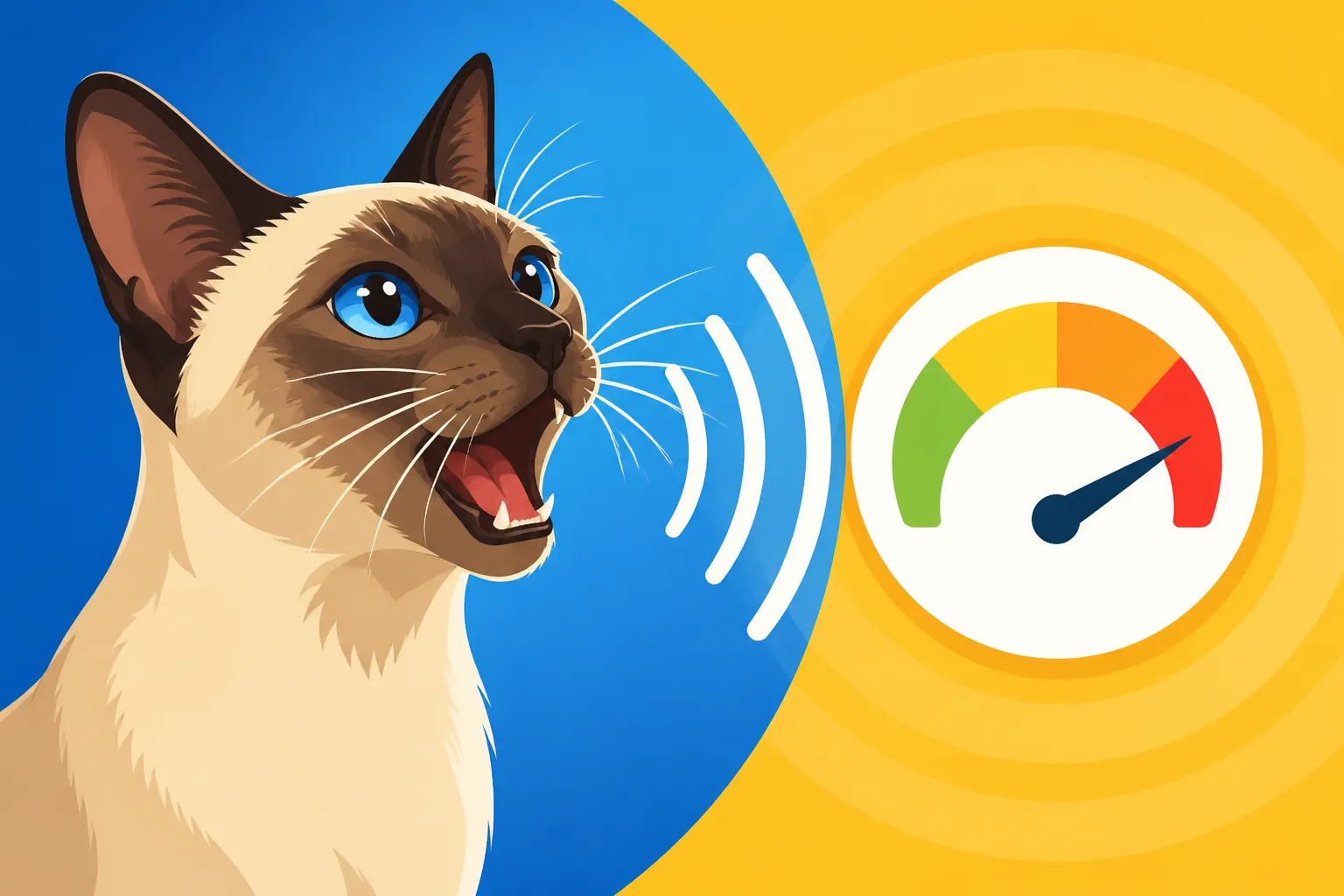
When we talk about a Siamese cat's voice, we're not usually talking about a polite little mew. We're talking about the "Meezer Yowl," a deep, resonant, and often piercing vocalization that sounds less like a cat and more like a small human child in distress. This isn't just an occasional outburst; for many Siamese cats, it's a regular part of their daily communication.
Imagine sitting down for a quiet evening, perhaps reading a book or watching television. Suddenly, a sound erupts from the other room – a long, drawn-out MAAAA-OOOWWW! that reverberates through the house. You might jump, your heart might race a little, and you'll inevitably find your Siamese looking at you with wide, demanding eyes, as if to say, "What's taking you so long?!" This intensity is what truly sets them apart. Other cat breeds might offer a gentle chirp or a soft request, but a Siamese often insists. Their vocalizations are varied, too, ranging from chirps and trills to full-blown conversations, but it's that loud, insistent yowl that typically catches people off guard. It's a frequency and volume that most other cats simply don't achieve, and it can be a real source of frustration for owners who expected a quieter companion.
Why Their Anatomy Contributes to Volume
It's not just a personality quirk; the Siamese cat's physical makeup actually plays a significant role in their ability to produce such a formidable sound. These aren't huge, bulky cats; in fact, they're quite slender and elegant. But don't let their lean physique fool you.
Their slender, tubular bodies and comparatively large, open throats act like natural resonating chambers. Think of a megaphone: the shape helps amplify sound. A Siamese cat's vocal cords, while not inherently different from other cats, are used with a remarkable intensity. They seem to put their whole being into each meow, engaging their diaphragm and chest muscles to really project their voice. It's almost as if their entire skeletal and muscular structure is designed to facilitate maximum sound output. This means that when your Siamese decides to "speak," they are truly speaking with their whole body. This anatomical predisposition, combined with their strong personality, creates a cat that is genetically wired to be heard. It's not something they can simply "turn off," much like a husky can't just stop howling on command. It's part of their intrinsic design, a beautiful, albeit sometimes overwhelming, aspect of their breed.
Quantifying the Decibels: What the Research (and Experience) Says
Pinpointing an exact decibel level for a Siamese cat's meow is a tricky business. Unlike a consistent machinery hum or a controlled sound experiment, a cat's vocalizations are fluid, varying based on their mood, needs, and environment. However, both scientific observations and anecdotal evidence from countless Siamese owners confirm that their meows are significantly louder than those of most other domestic felines.
The Challenge of Measuring a Cat's Meow
Measuring the precise decibel level of a cat's meow is far more complex than it might seem. Decibel readings are highly dependent on factors like the distance from the sound source, the environment (e.g., hard surfaces reflect sound, carpets absorb it), and even the specific sound meter used. A cat's meow is also not a constant tone; it has varying pitches and intensities.
For instance, a Siamese cat's happy greeting chirp might register much lower than their urgent "feed me now!" yowl. Their "I'm bored and need attention" wail might be different from their "I saw a bug!" excited squawk. The emotional context dramatically influences the volume and frequency. So, while you might hear figures tossed around, like "a Siamese cat can reach X decibels," these are often averages or maximums recorded under specific conditions. What truly matters to an owner isn't an exact number, but the perceived loudness and how it impacts daily life. Many owners report feeling like their Siamese can easily hit levels comparable to a loud conversation (around 60-70 dB) or even a vacuum cleaner (around 70-80 dB) when they're really trying to make a point. It's this insistent, penetrating quality that makes it so noticeable, especially in a quiet home.
Comparing Siamese Vocalizations to Other Breeds
To truly appreciate the Siamese cat's vocal prowess, it helps to compare them to their more subdued cousins. Most typical domestic shorthair cats are content with an occasional soft meow to request food, a gentle trill when happy, or a subtle purr. These sounds are usually easy to ignore or blend into the background of daily life.
The Siamese, on the other hand, operates on a completely different auditory spectrum. Their vocalizations are not just louder; they are also more frequent and more varied in their inflections, often sounding like they are having a full-blown conversation with you. Where a normal cat might meow once, a Siamese will offer a string of urgent, increasingly loud yowls. It's why many people say living with a Siamese is like having a perpetual toddler in the house – constantly communicating their needs, desires, and opinions, often at full volume.
Here's a quick comparison to give you an idea of the perceived differences:
| Vocalization Type | Typical Domestic Shorthair | Siamese Cat |
|---|---|---|
| Everyday Meow | Soft, moderate, infrequent, polite | Frequent, insistent, mid-volume, demanding |
| Attention-Seeking | Persistent meows, subtle body language | Loud, drawn-out "yowls," unmistakable, demanding |
| Excitement/Play | Chirps, trills, occasional meows | Enthusiastic chirps, trills, loud "conversational" meows, rapid |
| Distress/Alarm | Sharp, urgent meows, growls, hisses | Intense, piercing "meezer yowl," sustained, very loud, frantic |
| Volume Perception | Generally moderate to quiet, easily ignored | Consistently loud, often piercing, hard to ignore |
As you can see, the Siamese isn't just a little louder; they have a fundamentally different approach to communication, one that prioritizes being heard above all else. What the Siamese Cat's Meezer Yowl Sounds Like delves deeper into the specific characteristics of their famous sound.
When is Loudness a Concern? Deciphering Your Siamese Cat's Calls
While the Siamese cat is known for its vocal nature, it's crucial for owners to differentiate between normal, albeit loud, communication and vocalizations that signal a problem. A sudden or drastic change in their vocal habits can sometimes be the first indicator that something isn't quite right.
Normal vs. Excessive Vocalization
For a Siamese, a lot of meowing and yowling is, believe it or not, perfectly normal behavior. They are genuinely talkative cats who thrive on interaction and express themselves vocally. If your Siamese is consistently loud, has been that way since kittenhood, and there are no other signs of distress, it's likely just "them being them." This constant "chatter" is often a sign of a happy, engaged Siamese who feels comfortable enough to express their every thought and desire. They might meow at you when you walk into a room, demand attention with a yowl when you're busy, or offer a running commentary on the birds outside the window. This is the charming, albeit noisy, personality of the breed. How Many Sounds a Siamese Cat Makes can help you recognize the variety of their communication.
However, it's important to pay attention to any changes in vocalization. If your normally chatty Siamese suddenly goes quiet, that's a red flag. Conversely, if a moderately vocal Siamese suddenly becomes incessantly loud, especially at unusual times or with a different tone, it's time to investigate. This could include:
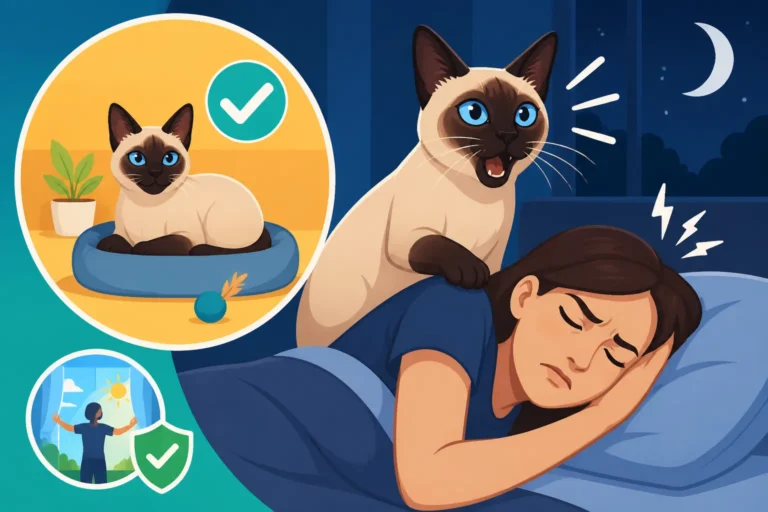
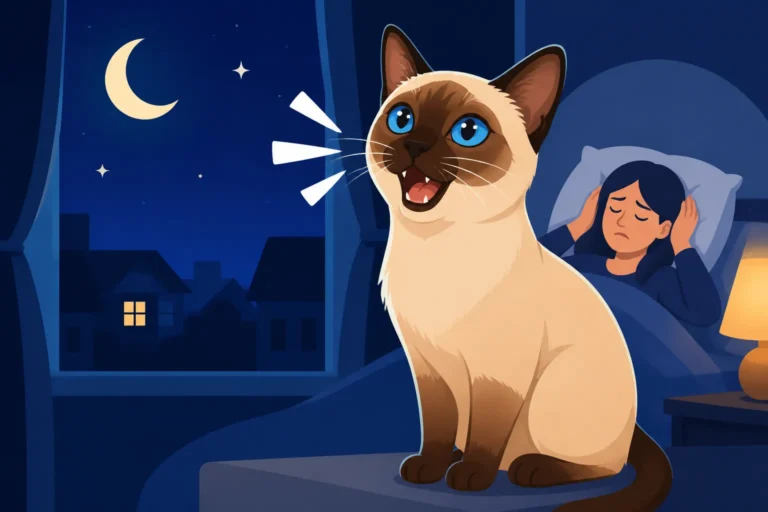
- Increased Nighttime Yowling: While some Siamese cats are naturally vocal at night, a new or intensified pattern could indicate anything from boredom and loneliness to a medical issue. Why a Siamese Cat Yowls in the Middle of the Night is a common concern.
- Persistent Cries of Distress: A truly distressed yowl sounds different from an attention-seeking one. It's often more frantic, higher-pitched, or more desperate.
- Vocalization During Eating, Urinating, or Defecating: This can signal pain or discomfort.
- Vocalization Accompanied by Other Symptoms: Look for changes in appetite, litter box habits, lethargy, hiding, or aggressive behavior.
In older Siamese cats, increased vocalization, particularly disorientation or yowling at nothing, can be a sign of cognitive dysfunction or age-related conditions like hyperthyroidism or kidney disease. When a Siamese Cat's Meowing Means Pain is a critical read if you suspect a health issue. Always err on the side of caution and consult your vet if you notice a significant shift in your cat's vocal habits.
Tools and Strategies for Managing Perceived Loudness
Even if your Siamese cat's vocalizations are "normal" for the breed, living with constant high-volume demands can be trying. The good news is there are strategies to help manage the perceived loudness and create a more peaceful home environment. It's not about silencing your Siamese completely – that's often impossible and undesirable – but about redirecting, understanding, and mitigating the impact.
First, consider the environment. Soundproofing your home can make a surprising difference. Think about heavy curtains or blinds on windows, rugs on hard floors, and even strategically placed furniture. These elements absorb sound waves, reducing echoes and overall noise levels. If your Siamese's yowls are particularly disruptive, you might even look into acoustic panels for a specific room, available through retailers like Amazon. White noise machines, also readily available on Amazon, can also help mask some of the more piercing vocalizations, especially at night, allowing you (and perhaps your neighbors) to get better rest.
Next, address the why behind the vocalizations. Most Siamese cats yowl for attention, food, or because they're bored.
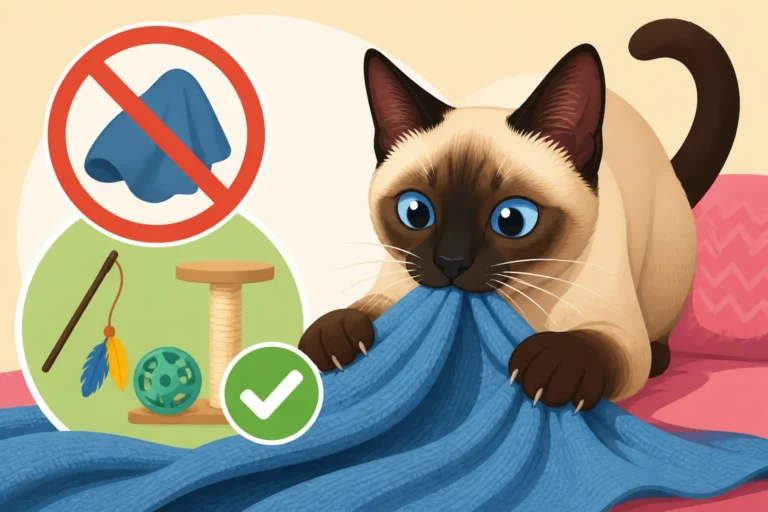
- Scheduled Playtime: Regular, intense play sessions, especially before bed, can tire them out and fulfill their need for interaction. Interactive toys, like those found on Amazon, that mimic prey can be highly effective.
- Mental Enrichment: Puzzle feeders can keep their clever minds occupied, slowly dispensing kibble as they "work" for it. This can reduce boredom-induced yowling.
- Consistent Routines: Cats thrive on routine. Stick to consistent feeding times and play schedules. This predictability can reduce anxiety and the need to yowl for what they expect.
- Do Not Reinforce Negative Behavior: If your cat yowls for attention, and you immediately give it, you're teaching them that yowling works. It's tough, but sometimes ignoring the vocalization (unless you suspect pain or real distress) until they quiet down, and then rewarding them, can help. This teaches them that calm behavior gets results.
- Consider a Companion: Siamese cats are highly social. If your cat spends a lot of time alone, another cat (especially another Siamese or a similarly social breed) might provide the companionship they crave, reducing loneliness-induced yowling. When a Siamese Cat Needs a Second Cat explores this in depth.
- Veterinary Check-up: Always rule out underlying medical issues, especially if the vocalization is new or suddenly excessive. Your vet can advise on treatments if there's a health cause, or even discuss anti-anxiety medications in severe behavioral cases.
Managing a loud Siamese takes patience and consistency, but by understanding their nature and implementing these strategies, you can foster a more harmonious home. For more detailed advice on calming your vocal friend, check out How to Quiet a Siamese Cat.
Living with a Vocal Siamese: Embracing the "Talker"
Ultimately, living with a Siamese cat means embracing their vocal nature. While their loudness can be challenging at times, it's also an integral part of their charm and what makes them such unique and engaging companions. Instead of fighting it, many owners learn to cherish the constant "conversations" and interpret the nuances of their cat's extensive vocabulary.
The Bond Through Conversation
One of the most remarkable aspects of owning a Siamese cat is the deep, communicative bond you form. These aren't aloof, independent felines who tolerate your presence; they actively seek out interaction and consider themselves full participants in your household. Their vocalizations are their way of engaging with you, expressing their affection, demanding your attention, and sharing their thoughts on everything from the weather to the injustice of an empty food bowl.
Think of it as their way of having a constant dialogue. They meow when you enter a room, they yowl when they want to play, they chirp happily when you pet them, and they purr with an intensity that often vibrates through your whole body. For many Siamese owners, this constant stream of communication is precisely what they love most about the breed. It fosters a feeling of being truly connected, almost as if you share a secret language. You quickly learn to distinguish between their "I'm hungry" meow, their "pet me" yowl, and their "I'm just being chatty" trills. Why a Siamese Cat Answers When You Talk highlights this incredible connection, as they genuinely seem to listen and respond to your words. This deep conversational bond creates a truly unique relationship that's far more interactive than with many other cat breeds.
Environmental Considerations for a Vocal Cat
While embracing their chattiness, it's also important to consider the practicalities of living with a consistently loud cat, especially if you live in close quarters. Apartment dwellers, in particular, often worry about their Siamese cat's vocalizations disturbing neighbors.
It's a valid concern, and one that many Siamese owners face. Their sharp, insistent yowls can easily penetrate walls, especially if they're not very soundproof. If you live in an apartment, investing in sound-dampening measures like heavy curtains, rugs, and ensuring your cat's main "yowling stations" (like windows or near doors) are minimized can help. Providing plenty of enrichment, as discussed earlier, can also reduce attention-seeking yowls, which are often the most problematic for neighbors. A timed feeder can prevent dawn chorus demands, and making sure they have ample play and mental stimulation during the day can lead to a quieter night.
Consider your lifestyle too. If you work from home, a constantly vocal Siamese might be a charming distraction or a genuine impediment to your concentration. If you travel frequently, a Siamese left alone for extended periods might become stressed and vocalize excessively. How Long a Siamese Cat Can Be Left Alone touches on the separation anxiety they can develop.
It's about finding a balance between allowing your Siamese to express themselves and managing their noise levels responsibly within your living situation. While it might require a bit more planning and consideration than with a quieter breed, the joy and companionship a vocal Siamese brings are, for many, well worth the effort. Whether Neighbors Hear a Siamese Cat and Whether a Siamese Cat Suits an Apartment Building offer more insights into these specific living situations.
Disclaimer
This article is for general informational purposes only and does not constitute professional advice. Laws, prices and regulations vary by location and change over time. Consult a qualified professional for guidance on your specific situation.