When a Siamese Cat Needs a Second Cat
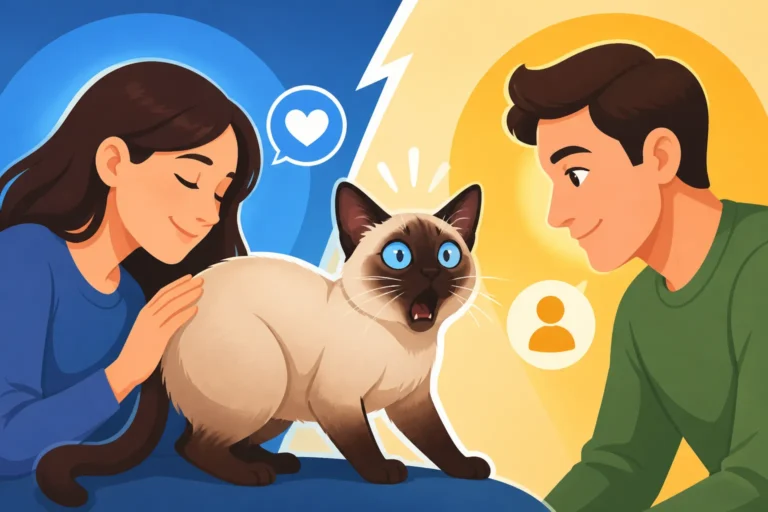
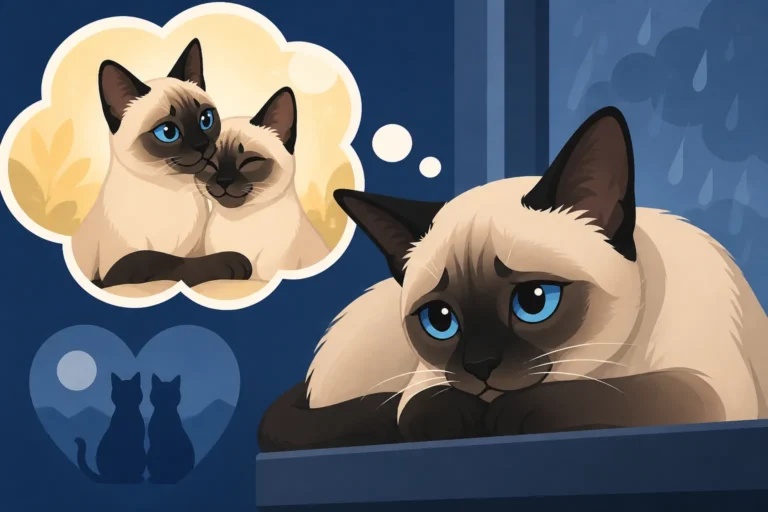
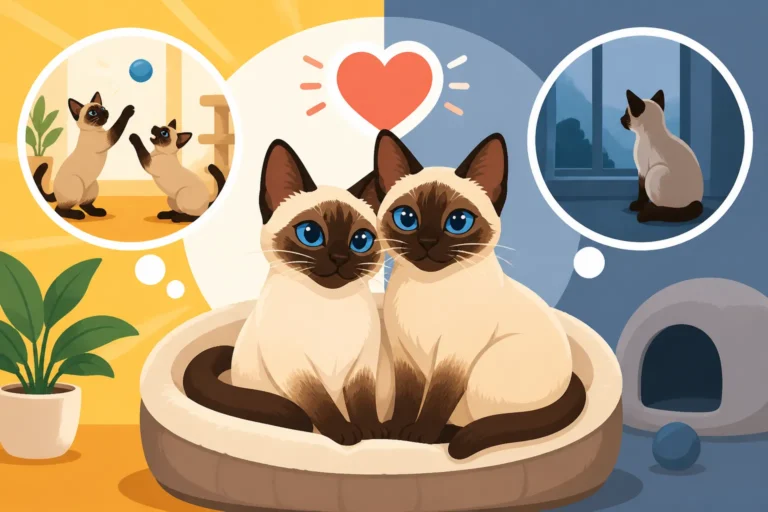
One of the most common heartbreaks for a Siamese cat owner is seeing their beloved, intelligent companion display signs of loneliness or stress. These highly social, incredibly smart felines can truly struggle when they don't have enough stimulation or interaction, often leaving their human guardians wondering if a second cat is the answer. This guide will help you understand the unique social needs of the Siamese, identify the tell-tale signs your cat might be longing for a friend, and walk you through the considerations of bringing another feline into your home.
The Social Nature of the Siamese Cat
Let's be real, Siamese cats aren't your typical aloof feline companions. They are a breed apart, known for their vocal, engaging, and deeply affectionate personalities. They're often described as "dog-like" because of their strong bonds with their humans and their desire to be involved in everything. This isn't just a quirky trait; it's a fundamental aspect of their well-being, stemming from centuries of development in their native Siam.
Born for Company
Siamese cats have always been prized for their companionship. Historically, they were kept by royalty and monks, often in multi-cat households or with constant human interaction. This long history has shaped them into creatures who thrive on connection, not solitude. They aren't meant to be decorative pieces; they are participants in your life. Leaving a Siamese alone for long stretches without adequate mental and social engagement can genuinely lead to distress, much like a highly social dog might suffer from separation anxiety. You might notice them waiting at the door, greeting you with intense purrs and a barrage of meows the moment you return, almost as if they're recounting their day. This isn't just excitement; it's often a release of pent-up energy and a craving for connection. A Siamese Cat Should Not Live Alone is a mantra many seasoned owners live by, understanding this innate need for interaction.
The Talkative Tendencies
Anyone who's lived with a Siamese knows they're not shy about expressing themselves. Their famous "Meezer yowl" isn't just for demanding dinner; it's a tool for communication, a way to engage with their world and their family. If your Siamese is often left alone, this vocalization can escalate. It can become a lonely lament, a persistent plea for attention, or even a sign of anxiety. Imagine being a Siamese cat, with a mind buzzing with thoughts and observations, and no one to share them with! They'll talk to you, to the birds outside the window, to their toys, and sometimes, it feels like they're just talking to themselves, trying to fill the silence. A companion can provide a reciprocal conversationalist, a presence that understands their subtle chirps, trills, and chatters, reducing the burden on you to be their sole confidant. What the Siamese Cat's Meezer Yowl Sounds Like is something many learn to distinguish between a "hello" and a "I'm bored!"
High Intelligence and Energy Needs
Beneath that sleek, elegant exterior lies a brain that's constantly at work. Siamese cats are incredibly intelligent and energetic. They don't just nap all day; they observe, they plan, they explore. Without enough mental and physical stimulation, this sharp mind can turn destructive. Think of a child who's bored—they'll find something to do, and it might not be what you want them doing! A Siamese is similar. They need puzzles, interactive toys, and opportunities to "hunt" and play. A second cat, especially one with a similar energy level, can provide endless opportunities for chase, wrestle, and explore together, fulfilling those primal instincts in a safe, engaging way. It's not just about physical activity; it's about the complex social interactions, the shifting dynamics of play, and the mutual grooming that keep their intelligent minds stimulated and content. How Much Play a Siamese Cat Needs is often underestimated by new owners.
Recognising the Signs Your Siamese Needs a Friend
It's one thing to understand the breed's needs, but another to see those needs manifest as distress in your own home. Our cats can't tell us directly, "Hey, I'm lonely!" so we have to become expert interpreters of their behavior. It's like deciphering a secret code, but once you learn it, the signs become clear.
Excessive Vocalization and Attention-Seeking
This is probably the most obvious sign. If your once moderately talkative Siamese has suddenly turned into a non-stop chatterbox, constantly meowing, yowling, or chirping, especially when you're busy or when you've just come home, it could be a cry for more interaction. They might follow you from room to room, weaving between your legs, jumping onto your lap the moment you sit down, and generally making it impossible to ignore them. They're not being "naughty"; they're desperate for connection. If you've ruled out medical issues (always the first step!), then this incessant need for your presence might indicate a deep-seated loneliness that a feline companion could help alleviate. This isn't just a minor annoyance; it's a genuine indicator of their emotional state, and it’s a strong sign that they're not getting enough social interaction. Signs a Siamese Cat Is Unwell should always be considered before jumping to behavioral conclusions, but persistent meowing without other physical symptoms often points to emotional needs.
Destructive Behaviors and Boredom
A bored Siamese is a destructive Siamese, pure and simple. If you start noticing shredded toilet paper, claw marks on furniture where there weren't any before, or items knocked off shelves, don't immediately assume malice. These can be clear signs of boredom and pent-up energy. A Siamese needs to use its brain and body. Without a playmate, that energy can be directed towards things you'd rather keep intact. They might start opening cupboards, batting objects around, or exploring areas they previously ignored. This isn't mischief for mischief's sake; it's an attempt to create their own stimulation, often because they lack a proper outlet for their intelligent minds. A companion can redirect this energy into healthy play, like wrestling, chasing, and mock hunting, saving your curtains from an untimely demise. Many owners find that investing in sturdy Amazon cat trees and durable toys only goes so far when the cat craves interactive play, not just solo entertainment.
Changes in Appetite or Grooming
Sometimes, the signs are more subtle and can even mimic health issues, which is why a vet check is always crucial. However, once medical causes are ruled out, changes in appetite or grooming can be indicators of stress or loneliness. A Siamese might become overly anxious and start eating less, or conversely, eat more out of boredom. More commonly, you might observe psychogenic alopecia, where they excessively lick or chew their fur, leading to bald patches. This self-soothing behavior is a classic sign of anxiety and stress in cats. A lonely cat might also groom less, allowing their coat to become dull or matted, simply because they lack the motivation for self-care or the comforting presence of another cat to model good grooming habits. These behaviors are their way of coping with emotional distress, and a companion can offer a sense of security and reduce their overall anxiety. What Psychogenic Alopecia Does to a Siamese Cat highlights how stress can manifest physically.
Choosing the Right Companion for Your Siamese
So, you've decided your Siamese needs a friend. Excellent! But hold your horses—this isn't a "grab the first cute kitten" situation. Choosing the right companion is crucial for a harmonious household. It's like setting up a blind date for your best friend; you want to make sure they're compatible!
Another Siamese or Similar Breed
For many Siamese owners, the ideal companion is another Siamese. Why? Because they "speak the same language." Another Siamese will match their energy levels, intensity of play, and vocal communication style. They understand each other's boundaries during wrestling matches and their need for deep conversation. This isn't to say other breeds won't work, but a Siamese often benefits from a companion who can keep up with their antics. Breeds like Oriental Shorthairs, Sphynx, or even some high-energy domestic shorthairs can also be good matches, as they tend to share that same outgoing, intelligent, and social temperament. The key is to find a cat that won't be overwhelmed or annoyed by the Siamese's dynamic personality, but rather embrace it as part of their shared life. Which Companion Suits a Siamese Cat often boils down to a personality match.
Temperament Match is Key
Regardless of breed, temperament is paramount. You want a companion who is confident, playful, and tolerant. A shy, timid, or overly sensitive cat might become stressed by a boisterous Siamese. Conversely, an aggressive cat could lead to constant conflict. Look for a cat that shows curiosity, a willingness to engage, and a generally laid-back attitude when it comes to sharing space and attention. If adopting from a rescue, spend time observing potential companions. Ask the shelter staff about their history, how they interact with other cats, and their general demeanor. A good rescue organization will often be excellent at pairing cats based on personality. Remember, you're looking for a friend for your cat, not just a warm body.
Age and Energy Levels
Consider the age and energy level of your current Siamese. A playful, 3-year-old Siamese might thrive with a kitten or another young adult who can match their zest for life. An older, more sedate Siamese, however, might prefer a calmer, equally mature companion who enjoys quiet companionship rather than boisterous play. Introducing a high-energy kitten to an elderly cat who prefers naps might lead to frustration for both parties. The goal is a balanced relationship where both cats benefit from the companionship, not one constantly irritating the other. While a young kitten can sometimes re-energize an older cat, it's essential to ensure the older cat isn't just tolerating the kitten but genuinely enjoying its presence. The Age a Siamese Cat Is Considered Senior might influence your choice of a companion.
Navigating the Introduction Process
Bringing a new cat home isn't about throwing them into the same room and hoping for the best. That's a recipe for disaster and stress for all involved. A successful introduction requires patience, planning, and a step-by-step approach. Think of it as a carefully orchestrated diplomatic meeting, not a wrestling match.
The Scent Swap Method
The nose knows! Cats rely heavily on scent to understand their world. The first step in introducing new cats is to introduce their scents long before they ever see each other. Start by confining the new cat to a separate room with food, water, litter, and a comfortable bed. Then, take a soft cloth, blanket, or even a pillowcase and gently rub it on your resident Siamese, gathering their scent. Do the same with the new cat. Swap these scented items, placing the new cat's scent in your Siamese's favorite sleeping spot and vice-versa. Observe their reactions. Are they curious? Indifferent? Hissing? Repeat this process multiple times a day, gradually building positive associations with the new cat's scent by offering treats or praise near the scented items. You can also feed them on opposite sides of a closed door to create a positive association (food) with the new cat's presence. Many owners find success with pheromone diffusers, available on Amazon, placed in both areas to help reduce anxiety during this initial phase.
Controlled Visual Contact
Once they seem comfortable with each other's scents (no hissing or growling at the swapped items), you can move to controlled visual contact. A baby gate or a screen door can work wonders here. Allow them to see each other, but not touch. This allows them to observe each other's body language and vocalizations from a safe distance. Again, keep these initial visual sessions short and positive. Offer high-value treats to both cats during these times, reinforcing the idea that seeing the other cat leads to good things. If either cat shows signs of stress (flattened ears, hissing, growling, tail thrashing), calmly separate them and try again later, reducing the time or distance. Remember, slow and steady wins the race when it comes to feline friendships.
Supervised Playtime
After several successful visual sessions, you can gradually move to supervised, direct interactions. This should always be in a neutral territory, never cornering either cat. Keep the sessions short, perhaps 5-10 minutes initially, and always end on a positive note, before any tension arises. Use wand toys or feather teasers to encourage parallel play, allowing them to engage in separate activities in the same space without direct confrontation. Never force interaction. Provide plenty of escape routes and high perches for both cats if they feel overwhelmed. Over time, as they become more comfortable, you can increase the duration of these sessions. The goal is to build a positive relationship based on shared experiences, whether that's eating side-by-side or chasing a toy mouse together. How to Introduce a Siamese Cat to a Resident Cat covers this process in more detail.
| Introduction Stage | Key Goal | Duration (Approx.) | Signs of Success |
|---|---|---|---|
| Scent Swapping | Familiarization | 3-7 days | Curiosity, no aggression to scent |
| Visual Contact | Observation | 5-10 minute sessions, multiple times daily for 3-7 days | Calm observation, eating near gate |
| Supervised Play | Positive Interaction | 5-15 minute sessions, gradually increasing | Parallel play, no sustained hissing |
| Unsupervised Time | Co-existence | Gradually increase | Sleeping in same room, mutual grooming |
The Owner's Role When a Second Cat Isn't an Option
Sometimes, despite your best intentions, bringing a second cat into the home simply isn't feasible. Perhaps your living situation doesn't allow for it, or you truly feel you can only provide for one feline companion. If that's the case, don't despair! You can still provide a fulfilling and stimulating life for your single Siamese. It just means you need to step up and be their primary source of enrichment and interaction.
Increasing Interactive Play
Since your Siamese won't have a feline playmate, you become their designated play partner. This means dedicated, interactive play sessions multiple times a day. Siamese cats thrive on games that simulate hunting: chasing feather wands, batting at toys on strings, or pouncing on laser pointers (always end laser play with a tangible toy they can "catch"). Puzzle feeders, which dispense treats when manipulated, are fantastic for engaging their intelligent minds and satisfying their hunting instincts. Aim for at least two to three 10-15 minute play sessions daily. This isn't just about physical exercise; it's about the mental engagement and the bonding experience it provides. Consider setting up a rotation of toys to keep things fresh and exciting; a large variety of engaging toys can be found easily on Amazon.
Mental Enrichment Strategies
Beyond physical play, a single Siamese needs substantial mental enrichment to prevent boredom. Think about their natural curiosity and intelligence.
- Vertical Space: Provide plenty of climbing opportunities with cat trees, shelves, or wall-mounted perches. Siamese cats love to survey their domain from high vantage points.
- Window Perches: Give them safe access to watch the "cat TV" of birds and squirrels outside.
- Puzzle Toys: These are invaluable. They challenge your cat to work for their food or treats, simulating hunting and problem-solving.
- Training: Yes, you can train a Siamese! They are incredibly intelligent and enjoy learning. Teach them tricks like "sit," "stay," "fetch," or even walking on a leash. This provides mental stimulation and strengthens your bond. How Trainable a Siamese Cat Really Is might surprise you.
- Food Dispensing Toys: Rather than just a bowl, make mealtime a game.
- Rotating Toys: Keep a stash of toys and rotate them every few days to maintain novelty and interest.
Routine and Predictability
Siamese cats, like many felines, thrive on routine. A predictable schedule for feeding, playtime, and cuddle sessions can provide a sense of security and reduce anxiety. Even if you have to leave them alone for periods during the day, they will feel more secure knowing when you'll return and what activities they can look forward to.
- Morning Rituals: Engage in a play session before you leave for work, and then feed them.
- Evening Wind-Down: Another play session when you get home, followed by dinner and cuddle time.
- Consistent Interaction: Even when you're busy, make sure to acknowledge your cat with a gentle stroke, a quick chat, or a blink. A Siamese Cat Will Not Be Ignored, and acknowledging them regularly helps.
While a second cat offers unique benefits, a dedicated and engaged owner can still ensure a single Siamese lives a rich, happy life. It simply requires more intentional effort on your part to be their world.
Potential Challenges and Considerations
While the idea of a second cat sounds lovely, it's essential to go into this decision with your eyes wide open. There are practicalities and potential challenges that need careful consideration, as bringing a new family member, furry or otherwise, always has an impact.
Increased Costs and Logistics
Two cats, naturally, mean double the expenses. You'll have increased costs for:
- Food: More mouths to feed.
- Litter: More litter, more frequently.
- Vet Care: Initial vet visits for the new cat, vaccinations, spay/neuter if not already done, and then annual check-ups for two. Emergency vet bills could also double.
- Supplies: You'll need extra litter boxes (the general rule is one per cat, plus one extra), more bowls, potentially another cat tree, and definitely more toys.
- Pet Insurance: If you insure your pets, your monthly premiums will increase.
Beyond the money, consider the logistics. Do you have enough space for two active cats? Will they have enough vertical territory, quiet spots, and private litter boxes? Traveling or finding a pet sitter for two can also be more complex and expensive. What a Second Cat Costs a Siamese Cat Owner is a significant consideration, and it's wise to budget carefully.
Personality Clashes
Even with the most careful introductions, there's always a possibility that personalities simply won't mesh. Cats are individuals, and sometimes, despite our best efforts, they just don't become the best of friends. You might end up with two cats who tolerate each other but don't actively interact, or worse, who are in constant low-level conflict. This can be incredibly stressful for everyone in the household, including you. Signs of prolonged stress can include:
- Hiding: One or both cats constantly hiding.
- Blocking: One cat preventing the other from accessing food, litter, or favorite sleeping spots.
- Aggression: Hissing, growling, swatting, or even fighting.
- Inappropriate Urination: A common sign of stress in cats.
- Excessive Grooming or Lack of Grooming: As discussed earlier.
If a severe personality clash occurs, you might need to consider rehoming one of the cats, which is a heartbreaking decision no one wants to make. This is why a slow, careful introduction is so vital.
Health Considerations
Bringing a new cat into your home always carries some health risks, even if the new cat appears healthy.
- Diseases: The new cat could introduce contagious diseases like Feline Leukemia Virus (FeLV), Feline Immunodeficiency Virus (FIV), or upper respiratory infections. Always ensure the new cat has a clean bill of health from a vet, is up-to-date on vaccinations, and, ideally, has been tested for FeLV and FIV.
- Parasites: Fleas, ticks, and internal parasites can easily spread from one cat to another. A new cat should be thoroughly checked and treated for any existing parasites.
- Stress-Induced Illness: The stress of a new environment or a difficult introduction can sometimes trigger underlying health issues in either the resident cat or the newcomer.
- Pre-existing Conditions: If you adopt a rescue, they might come with unknown health issues that could become expensive.
It's crucial to consult with your veterinarian before bringing a new cat home to discuss preventive measures and what to look out for. Having a dedicated carrier, easily sourced from Amazon, for transporting your new feline friend to their initial vet check-up is a smart first step. By weighing these potential challenges against the benefits, you can make an informed decision that's best for your Siamese and your household.
Disclaimer
This article is for general informational purposes only and does not constitute professional advice. Laws, prices and regulations vary by location and change over time. Consult a qualified professional for guidance on your specific situation.