Signs a Siamese Cat Has Separation Anxiety
One of the most heartwarming aspects of sharing your life with a Siamese cat is their incredible devotion. They're not just pets; they're family, often shadowing your every move and engaging in full-blown conversations. But this deep bond, while wonderful, can sometimes lead to a challenging situation: separation anxiety. If you've ever come home to a shredded cushion, a puddle where it shouldn't be, or a cat that seems utterly distraught, you know the heartache and frustration. This guide will help you understand the specific signs that your beloved Siamese might be struggling with separation anxiety, so you can start addressing their needs and bringing peace back to your home.
Understanding the Siamese Cat's Unique Attachment
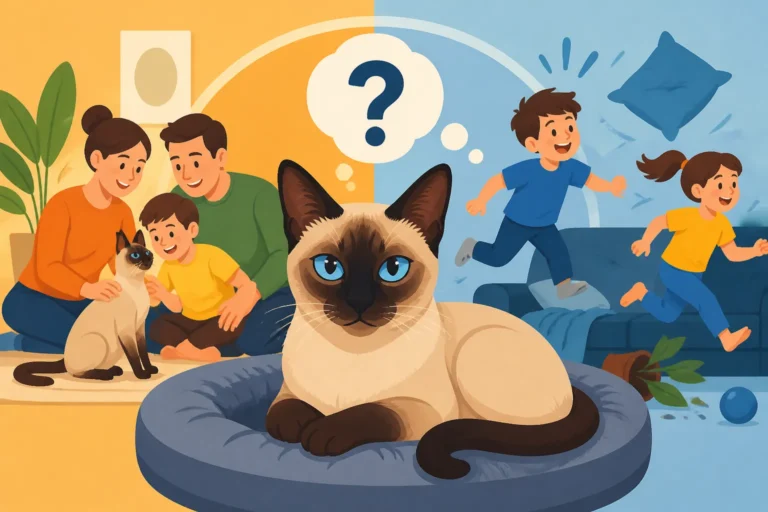
Siamese cats are legendary for their personality – they're not aloof, independent creatures content to merely coexist. Oh no, a Siamese wants to be with you, on you, and in your business. This intense desire for companionship is what makes them so captivating, but it also means they can genuinely struggle when that companionship is suddenly absent.
Why Siamese Cats Form Such Strong Bonds
Think of your Siamese as a highly social little person in a furry suit. They thrive on interaction, conversation, and physical closeness. Unlike some cat breeds that are perfectly happy to entertain themselves for hours, Siamese cats have evolved, in a way, to be your constant companion. Their ancient origins as temple cats or companions to royalty in Siam (now Thailand) suggest a history of close human interaction. They're intelligent, inquisitive, and incredibly sensitive to their human's moods and presence. When you're home, they're often right there, perched on your shoulder, kneading your lap, or "helping" you with whatever task you're doing. This isn't just a habit; it's deeply ingrained in their nature to seek and maintain that connection. You might notice your Siamese becoming very attached to one particular person in the household, following them from room to room. This strong preferential bond can make separation even harder for them. How Attached a Siamese Cat Gets to One Person delves deeper into this fascinating aspect of their temperament.
The Line Between Affection and Over-Reliance
It's natural to adore your Siamese's affection. Who doesn't love a cat that greets you at the door with a joyous trill and insists on cuddles? But there's a subtle, sometimes difficult-to-discern line between healthy affection and an unhealthy over-reliance on your constant presence. If your cat can't settle down unless you're physically touching them, or if they start to panic the moment you move towards the door, you might be seeing the first glimmers of separation anxiety. This isn't your cat being "naughty" or "clingy" for attention; it's a genuine emotional response to the perceived threat of abandonment, even if it's just for a few hours. They rely on your presence for their sense of security and well-being. When you leave, that security blanket is pulled away, and for some Siamese, it can feel like the world is ending.
Vocalizations as a Key Indicator of Distress
One of the most undeniable traits of a Siamese cat is their voice. They are talkers, and they're not shy about expressing themselves. While a certain level of vocalization is perfectly normal, a significant increase or a change in the type of vocalization when you're gone is a major red flag for separation anxiety.
The Signature "Meezer Yowl" in Your Absence
You know the sound – that deep, mournful, almost human-like yowl that Siamese cats are famous for. It's often described as a "Meezer yowl," and it's their way of communicating intensely. While they might use it to demand breakfast or protest a closed door while you're home, if your neighbors report continuous, distressing yowling, crying, or incessant meowing the moment you leave, that's a classic sign of separation anxiety. This isn't just them complaining; it's them actively protesting your absence, calling out for you, and expressing profound distress. It's a cry for help. Imagine how unsettling it must be for them to feel utterly alone, and that yowl is their only way to articulate that fear. What the Siamese Cat's Meezer Yowl Sounds Like provides more insight into these unique vocalizations.
Excessive or Unusual Meowing Patterns
Beyond the full-blown yowl, pay attention to any shift in their general meowing patterns. Are they suddenly more vocal than usual when you're getting ready to leave? Do they start "chatting" nervously from another room as soon as you step out? Sometimes, it's not just the volume, but the persistence. A normal Siamese might meow a few times when you arrive home, but an anxious one might continue to vocalize intensely for a long period, even after you've acknowledged them. This can also manifest as nervous chattering or a repetitive, high-pitched cry that isn't their usual demanding meow. It's their emotional state manifesting audibly, a clear indication that something is amiss. If you're wondering Why a Siamese Cat Meows So Much in general, it's worth understanding the baseline before you can spot the anxious deviations.
Destructive Behaviors Stemming from Anxiety
This is often where the frustration for owners really kicks in, because these behaviors can be damaging to your home and bewildering if you don't understand the underlying cause. It's important to remember that these aren't acts of malice, but rather desperate attempts to cope with overwhelming stress.
Chewing, Shredding, and Pica
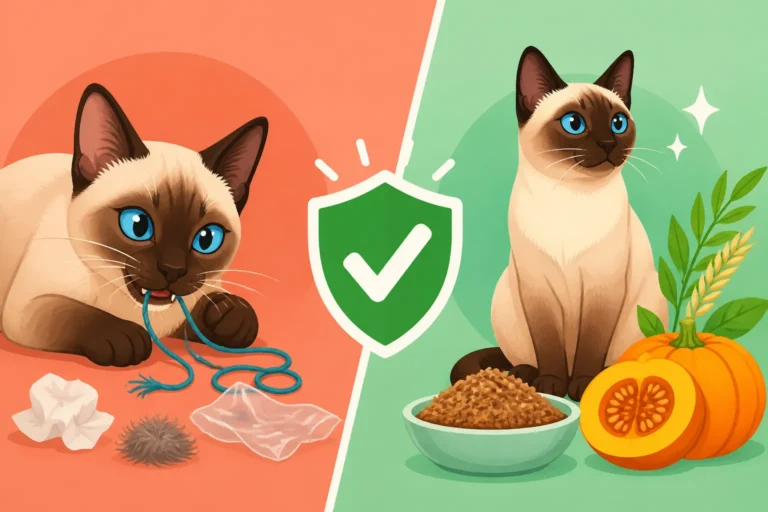
Anxious Siamese cats might resort to destructive chewing or shredding as a way to self-soothe or redirect their nervous energy. You might come home to find your favorite blanket ripped to shreds, curtains clawed, or even furniture gnawed on. This can escalate to pica, where they actively eat non-food items like wool, fabric, plastic, or even houseplants. This isn't just destructive; it's incredibly dangerous, as ingested items can cause intestinal blockages requiring emergency surgery. If you're seeing signs of shredded items, especially fabrics, it's a strong indicator. Why a Siamese Cat Sucks and Chews Wool often has its roots in anxiety and can be a precursor to more destructive fabric consumption. Look around your home for signs of damage that only seem to occur when you're not there. You might find holes in sweaters, torn newspapers, or even bite marks on things you wouldn't expect. Keeping certain items out of reach or providing safe, alternative chew toys (often available on Amazon) can help, but addressing the underlying anxiety is key.
Inappropriate Urination or Defecation
Finding urine or feces outside the litter box is perhaps one of the most upsetting and baffling signs for many cat owners. It's easy to assume your cat is being spiteful or "getting back at you," but in the context of separation anxiety, it's usually a manifestation of extreme stress. When a Siamese cat is overwhelmed by anxiety, their normal litter box habits can go right out the window. They might urinate on your bed, on your clothes, or near the door where you exit, often because these items carry your scent, providing a perverse sense of comfort or an attempt to "mark" your departure. This isn't about cleanliness; it's about a panicked response to feeling abandoned. Before jumping to conclusions, it's crucial to rule out medical issues with a vet, but if it consistently happens only when you're away, anxiety is a strong contender. For more information on this particular manifestation, consider reading Whether a Siamese Cat Urinates When Stressed.
Changes in Eating, Grooming, and Sleep Habits
Stress can wreak havoc on an animal's entire system, and a Siamese cat with separation anxiety will often show changes in their most basic daily routines. These can be more subtle than loud yowls or shredded curtains, but they are just as indicative of distress.
Anorexia or Binge Eating When Alone
Just like humans, cats can react to stress with changes in appetite. Some anxious Siamese cats might refuse to eat while you're gone, only to gobble down their food ravenously the moment you return, or even later when they finally feel safe. This isn't about being picky; it's an inability to relax enough to eat. Other cats might swing the other way, binge-eating out of boredom or anxiety, consuming their entire day's food portion in a short burst after you've left. Observe how much food is left (or not left) in their bowl when you get home. If you use a timed feeder, you can check if they've eaten their meal at the scheduled time or if it's untouched until your return. Monitoring food consumption can give you a vital clue to their emotional state.
Over-Grooming and Hair Loss
Grooming is a self-soothing behavior for cats, but an anxious Siamese can take it to an extreme. Excessive licking, chewing, or pulling out their fur, particularly on their belly, inner thighs, or flanks, is known as psychogenic alopecia. You might notice bald patches, skin irritation, or a dull coat. This is their way of trying to calm themselves down, but it becomes compulsive and damaging. It's a physical manifestation of their emotional turmoil. If you see your Siamese looking a bit patchy, especially after periods of being alone, it's a strong sign. What Psychogenic Alopecia Does to a Siamese Cat goes into more detail about this condition and its causes. It’s also wise to read Why a Stressed Siamese Cat Licks Itself Bald for a deeper understanding of the stress triggers. Sometimes, finding calming pheromone diffusers or special anxiety-reducing toys on Amazon can help, but a vet visit is essential to rule out any underlying skin conditions before concluding it's behavioral.
Disrupted Sleep-Wake Cycles
Cats are creatures of habit, and their sleep cycles are usually fairly predictable. A Siamese cat with separation anxiety, however, might find their sleep patterns completely disrupted. Instead of napping peacefully throughout the day while you're out, they might pace, exhibit hyper-vigilance, or simply be unable to truly relax and rest. When you return home, they might appear exhausted from their day of worrying, or they might be buzzing with pent-up energy, having been unable to settle. You might also notice them sleeping more deeply and soundly when you are home, almost making up for lost, anxious rest. A subtle sign, but if you have a camera setup (easily found on Amazon), you might observe restless behavior during the hours you're away.
Body Language and Greeting Rituals
Your Siamese cat's behavior immediately before you leave and, perhaps even more tellingly, when you return home, can provide significant clues about their emotional state regarding your absence. Their body language speaks volumes.
Exaggerated Greetings Upon Your Return
When you walk through the door, does your Siamese cat just offer a casual head butt, or do they launch into an over-the-top, almost frantic greeting ritual? An anxious Siamese will often display an exaggerated level of excitement, relief, and sometimes even a degree of agitation upon your return. This might include:
- Hyper-vocalization: Intense meowing, purring, or yowling, lasting for several minutes.
- Frantic rubbing: Head-butting and rubbing against your legs with extreme vigor.
- "Velcro cat" syndrome: Immediately attaching themselves to you, following you everywhere, refusing to let you out of their sight for a prolonged period.
- Zoomies: A sudden burst of high-energy running around the house, as if releasing pent-up stress.
This isn't just happiness; it's a clear signal of immense relief that their "person" has finally come back, combined with the lingering effects of the stress they experienced while you were gone. It’s a very bittersweet moment for a devoted owner.
Clinginess and Shadowing Before You Leave
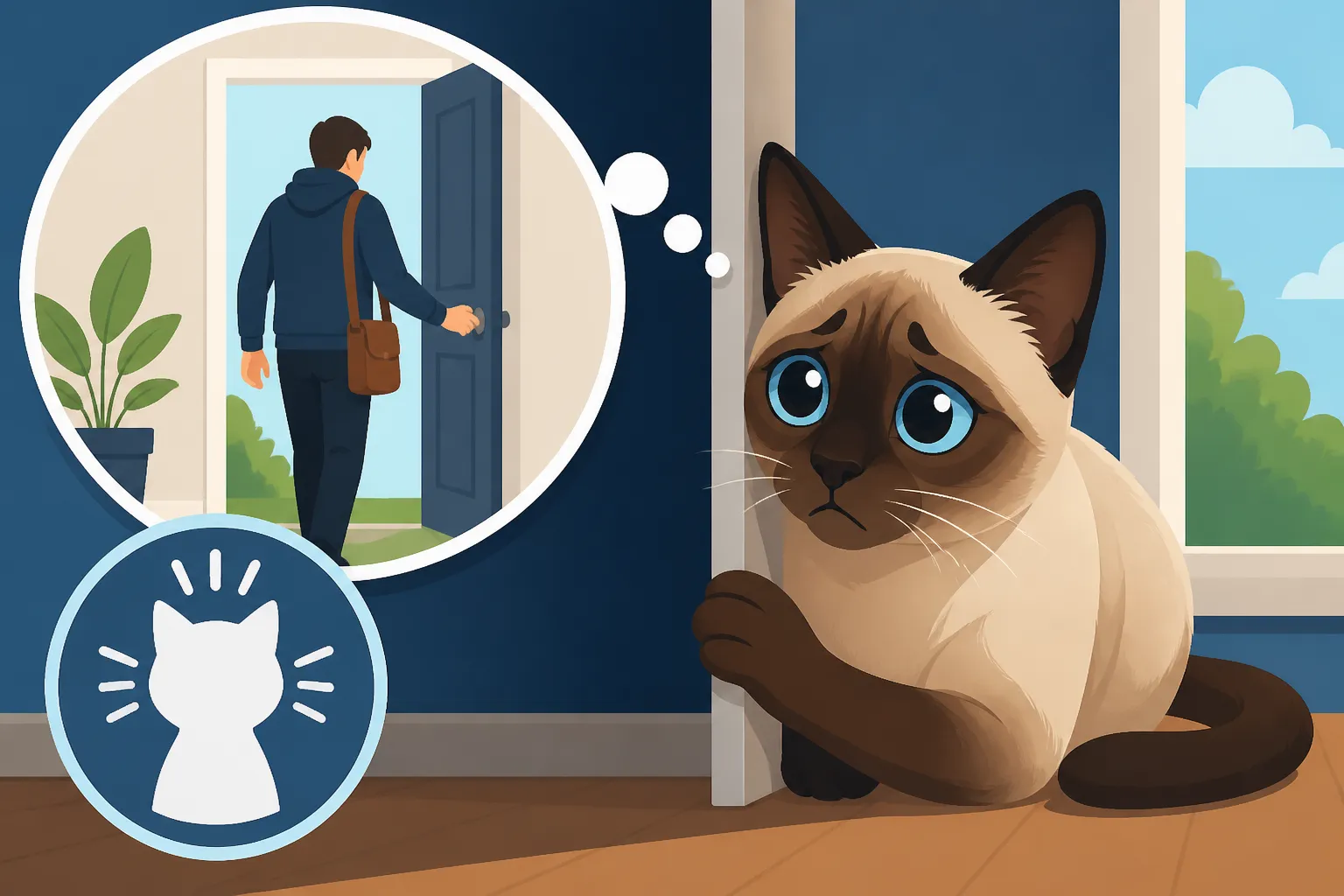
Before you even step out the door, an anxious Siamese might start showing signs of distress. As you gather your keys, put on your shoes, or grab your bag, they might become intensely clingy. They could:
- Follow you constantly: Become your shadow, moving from room to room as you prepare to leave.
- Block your path: Physically try to get in your way or sit by the door.
- Increased vocalization: Start meowing or chirping more frequently, almost as if questioning what you're doing.
- Anxious pacing: Restlessly walk around the house, unable to settle.
- Hiding: Some cats, sensing your departure, might hide under beds or in closets, anticipating the anxiety of being alone.
These anticipatory behaviors are their way of reacting to the cues that signal your impending absence, clearly demonstrating their apprehension about being left alone. How to Prepare a Siamese Cat for a Return to the Office touches on some of these pre-departure anxieties.
Differentiating Separation Anxiety from Other Issues
It's absolutely vital to be sure that what you're seeing is indeed separation anxiety and not another underlying issue. Many behavioral problems can mimic anxiety, and some serious medical conditions can also cause changes in your cat's habits. Always consult with your veterinarian first.
Ruling Out Medical Causes
Before you even begin to consider behavioral interventions for separation anxiety, a trip to the vet is non-negotiable. Many of the symptoms we've discussed – inappropriate elimination, changes in appetite, over-grooming, increased vocalization – can also be signs of medical problems.
- Urinary Tract Issues: A cat urinating outside the litter box could have a urinary tract infection, bladder stones, or even kidney disease.
- Gastrointestinal Problems: Changes in appetite or vomiting (especially if they've eaten non-food items) could indicate a range of digestive issues.
- Skin Conditions: Excessive licking and bald patches might be due to allergies, parasites, or fungal infections, not just anxiety.
- Pain or Discomfort: Increased vocalization can be a sign of pain from arthritis, dental issues, or even more serious internal problems.
- Hyperthyroidism or Diabetes: These conditions, particularly in older cats, can cause increased vocalization, changes in appetite, and restless behavior.
Your vet might run blood tests, urinalysis, or even an What a Siamese Cat's Emergency Ultrasound Costs if they suspect an internal issue. Ruling out these possibilities is the first and most important step to ensure your Siamese receives the correct treatment, whether it's medical, behavioral, or a combination of both. You also need to rule out more serious issues like Which Cancers a Siamese Cat Gets that could cause changes in behavior or appetite.
Behavioral Issues vs. True Anxiety
Once medical issues are off the table, you're left to distinguish between true separation anxiety and other behavioral challenges.
- Boredom: A highly intelligent and active breed like the Siamese needs a lot of enrichment. If they're simply bored when you're gone, they might resort to destructive behavior or excessive vocalization out of sheer lack of stimulation. This isn't anxiety, but a need for more play, puzzle feeders (many great options on Amazon), or a companion.
- Litter Box Aversion: Sometimes a cat stops using the litter box because they dislike the litter type, the box's location, or its cleanliness, not because of anxiety.
- Attention-Seeking: While often mistaken for anxiety, some cats learn that certain undesirable behaviors (like meowing incessantly when you're home) get them attention. However, with separation anxiety, the behaviors are specifically tied to your absence.
- Territorial Marking: Spraying urine can be a form of marking territory, especially if there are other cats nearby, or if they feel their territory is threatened.
The key differentiator for separation anxiety is that these behaviors only or primarily occur when you are absent or anticipate your absence. If your Siamese is calm and well-behaved when you're around but transforms into a distressed mess when you leave, then separation anxiety is a very likely culprit. Understanding this distinction is crucial for implementing effective strategies to help your sensitive Siamese. You might also want to consider if Whether a Siamese Cat Is Happier in a Pair could mitigate some of these behavioral issues, as a companion can sometimes provide comfort.
| Symptom Category | Signs of Potential Separation Anxiety | What Else it Might Be (Needs Vet Check) |
|---|---|---|
| Vocalizations | Persistent, distressing yowling/crying when alone | Pain, hyperthyroidism, seeking attention, boredom, normal breed trait |
| Destructive Acts | Chewing, shredding, pica (eating non-food) when alone | Boredom, play, dental problems, nutritional deficiencies |
| Elimination | Urinating/defecating outside box only when alone | UTI, kidney disease, bladder stones, arthritis (difficulty entering box), litter aversion |
| Grooming | Bald patches, excessive licking (psychogenic alopecia) | Allergies, parasites, fungal infection, pain, stress from other sources |
| Appetite | Refusal to eat when alone, binge-eating upon return | Dental pain, nausea, other illnesses, food aversion |
| Greetings | Exaggerated, frantic relief/excitement upon your return | Normal happiness (but intensity points to anxiety) |
| Pre-Departure | Clinginess, shadowing, anxious pacing as you prepare | Normal attachment (but severity/distress points to anxiety) |
Disclaimer
This article is for general informational purposes only and does not constitute professional advice. Laws, prices and regulations vary by location and change over time. Consult a qualified professional for guidance on your specific situation.