Whether Early Weaning Causes Siamese Cat Wool Sucking
One of the most heartbreaking and frustrating behaviors Siamese cat owners sometimes face is wool sucking or pica, where your beloved feline companion fixates on chewing or even ingesting non-food items, particularly fabrics. Many owners immediately wonder if something they did or didn't do early in their cat's life, like weaning too soon, is to blame. It’s a natural worry, a search for an explanation for a perplexing and potentially dangerous habit. This guide aims to explore the connection between early weaning and wool sucking in Siamese cats, while also delving into the broader, often more complex reasons behind this unique breed trait, offering you a clearer understanding and practical steps for support.
The Link Between Early Weaning and Siamese Cat Wool Sucking
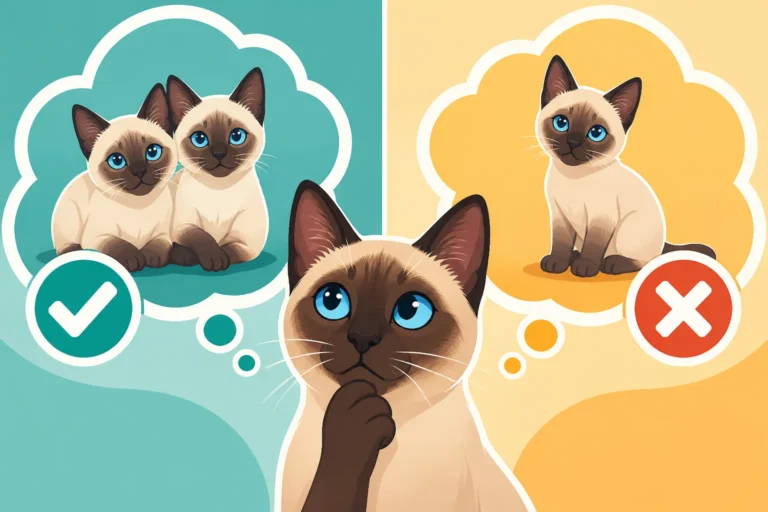
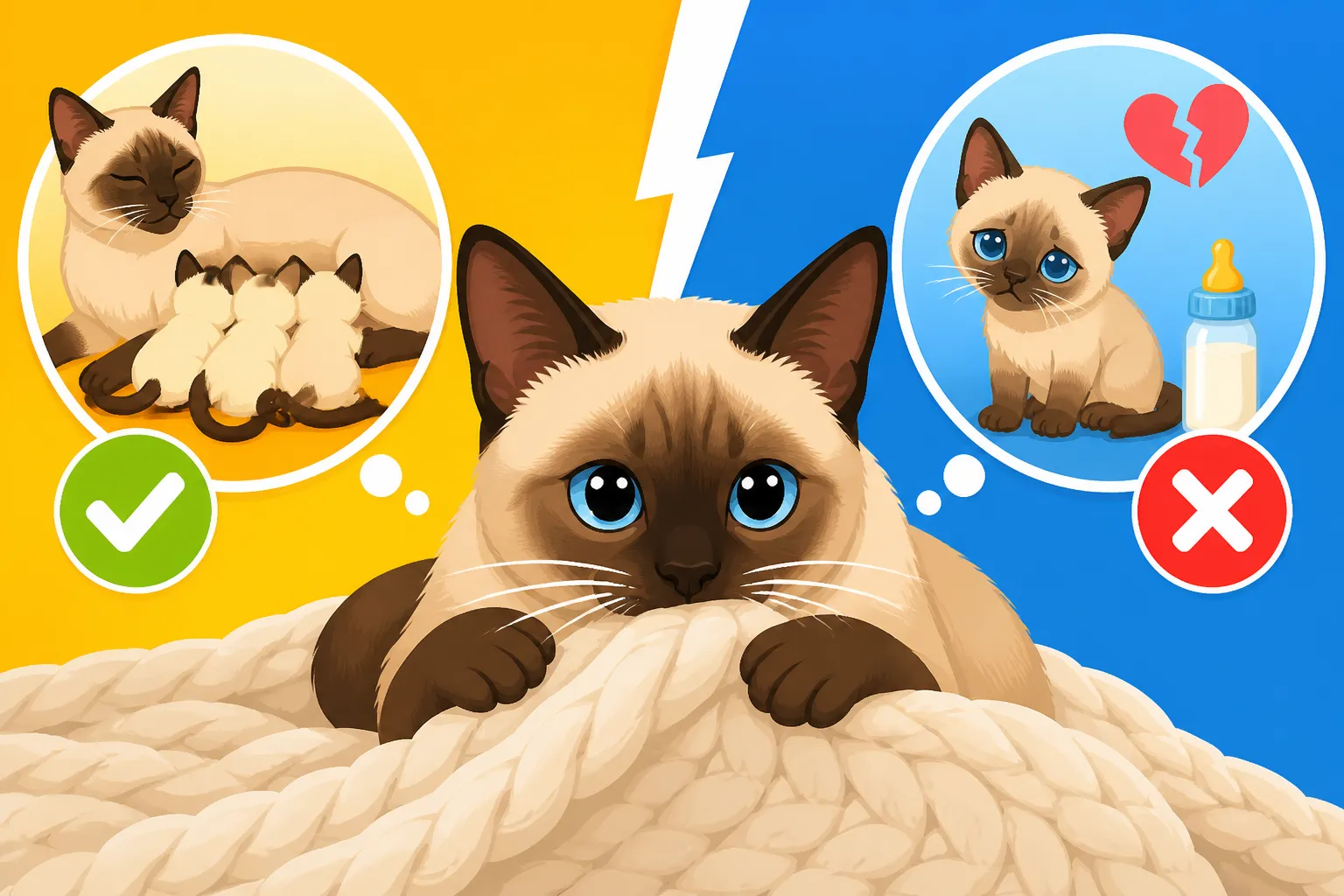
It’s a common belief, and a valid concern, that kittens removed from their mothers too early might develop a range of behavioral issues, including comfort-seeking behaviors like wool sucking. The idea is that the oral fixation of nursing isn't fully satisfied, leading the kitten to substitute with fabrics later in life. While there's a kernel of truth in the general principle that early life experiences profoundly impact a cat's development, the specific link to wool sucking in Siamese cats is a bit more nuanced.
Why Early Weaning Seems Like a Cause
Imagine a tiny Siamese kitten, full of energy and curiosity, suddenly separated from its mother and siblings at just five or six weeks old – far too soon by most responsible breeding standards. This little one misses the warmth, the constant grooming, and most importantly, the endless comfort of nursing. Nursing isn't just about nutrition; it's a powerful bonding experience, a source of security, and a way for kittens to develop proper bite inhibition and social skills. When this vital stage is cut short, a kitten might indeed seek comfort in other ways.
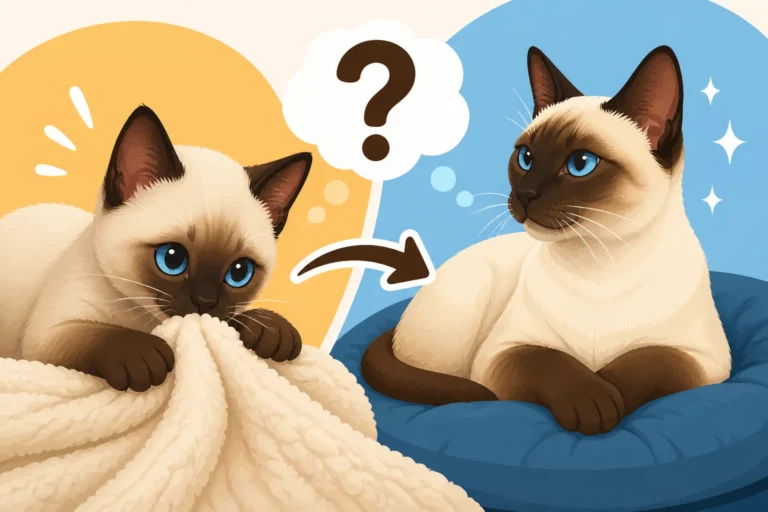
They might knead obsessively, purr almost constantly, or yes, even start sucking on blankets or clothing. This oral activity mimics the rhythmic suckling they would have done on their mother, providing a sense of calm and release. It's a coping mechanism, a way to self-soothe in the absence of the primary comfort provider. For a Siamese cat, known for its intense emotional needs and sensitivity, any early trauma or stressor, including premature separation, can leave a lasting imprint on their behavior.
The Genetic Predisposition in Siamese Cats
However, while early weaning can exacerbate or trigger wool sucking, it's rarely the sole cause, especially in Siamese cats. Here's where it gets interesting: the breed itself has a recognized genetic predisposition to pica, particularly wool sucking. It's not just a "bad habit" or a result of poor early care; it's often hardwired into their DNA. This means that even a Siamese cat raised in an ideal environment, with a full eight to twelve weeks with its mother, might still develop the behavior.
Think of it like certain human predispositions – some people are more prone to anxiety, others to restless leg syndrome. For Siamese cats, wool sucking can be part of their unique neurological makeup. It's an innate drive, a form of self-stimulatory behavior that might be linked to obsessive-compulsive tendencies sometimes seen in the breed. This genetic component makes it a much trickier behavior to eradicate completely, distinguishing it from general anxiety-driven oral fixations in other breeds. Why a Siamese Cat Sucks Wool delves deeper into the breed-specific aspects of this behavior.
Beyond Weaning: Other Factors Contributing to Pica in Siamese Cats
While early weaning might play a role in some individual cases, it's crucial for Siamese cat owners to understand the broader spectrum of influences on wool sucking. This behavior is often multifactorial, meaning several elements can combine to create the perfect storm for pica to develop.
Genetics and Breed Predisposition
As mentioned, genetics are arguably the most significant factor. Siamese cats, along with their Oriental relatives, show a much higher incidence of pica than other cat breeds. This suggests a strong hereditary component. It's believed to be a polygenic trait, meaning multiple genes are involved, rather than a single dominant or recessive gene. This makes it challenging for breeders to screen for or eliminate, as the genetic markers are complex.
If you have a Siamese cat that sucks wool, it’s highly likely that one or both of its parents, or other cats in its lineage, exhibited similar behavior. It’s not a judgment on the breeder or on how your kitten was raised; it's just part of being a Siamese. This doesn't mean you can't manage the behavior, but it does mean that prevention might not always be possible, even with the best care. Understanding this can help alleviate the guilt many owners feel, mistakenly believing they've caused their cat's compulsion. Whether Wool Sucking in a Siamese Cat Is Genetic provides more detail on the hereditary aspect.
Environmental Stress and Anxiety
Siamese cats are known for their intelligence, sensitivity, and strong emotional bonds with their human companions. They thrive on routine, interaction, and stability. Any disruption to their world can trigger anxiety, and for a cat with a predisposition to pica, this anxiety can manifest as wool sucking. Common stressors include:
- Changes in routine: A new work schedule for their owner, leading to less interaction time.
- New pets or people: The introduction of a new family member, human or animal, can upset their established hierarchy and sense of security.
- Moving house: A change in environment is a huge stressor for any cat, but especially for a sensitive Siamese.
- Lack of stimulation: A bored Siamese is a destructive or obsessive Siamese. These cats need mental and physical exercise, or they will find their own (often unwelcome) ways to entertain themselves.
- Separation anxiety: Siamese cats form incredibly strong bonds. Being left alone for long periods can lead to profound distress. What Separation Anxiety Looks Like in a Siamese Cat elaborates on this.
When a Siamese cat is stressed, the act of sucking or chewing on fabric can be deeply comforting. It's a self-soothing behavior that releases endorphins, helping them to calm down. It's a vicious cycle: stress leads to sucking, sucking temporarily relieves stress, reinforcing the behavior.
Nutritional Deficiencies (Less Common)
While historically, some theories suggested nutritional deficiencies, particularly a lack of fiber, could drive pica, this is far less common in cats fed high-quality commercial diets today. Modern cat foods are carefully formulated to provide a complete and balanced nutritional profile.
However, if your Siamese cat is on a highly restrictive or unusual diet, or if you suspect they aren't getting all the nutrients they need, it's always worth consulting with your veterinarian. They can assess your cat's diet and recommend any necessary adjustments. In rare cases, specific deficiencies might lead to unusual cravings, but for most Siamese cats with wool sucking, nutrition is not the primary driver. Still, some anecdotal evidence suggests a high-fiber diet might help some cats feel fuller and reduce the urge to chew non-food items, though this is not a universal cure.
Strategies to Manage and Redirect Wool Sucking Behavior
Managing wool sucking in a Siamese cat requires a multi-faceted approach, focusing on safety, reducing triggers, and providing appropriate outlets. It's about making their world as safe and enriching as possible while acknowledging the inherent predisposition.
Environmental Management and Cat-Proofing
The first and most immediate step is to remove or make inaccessible the items your Siamese cat is targeting. This sounds simple, but it can be a monumental task, especially if their preferred "snacks" are blankets, sweaters, or even carpet.
- Remove tempting items: Put away wool blankets, cashmere sweaters, synthetic fleece items, and anything else they show an interest in. If you can't remove it, cover it with something unappealing (like a plastic cover on a favorite chair).
- Discourage access: Close closet doors, keep laundry hampers lidded, and consider using deterrent sprays (like bitter apple spray – available on Amazon and many pet stores) on less-removable items like drapes or furniture corners, if your cat finds the taste aversive. Always test a small, inconspicuous area first to ensure it doesn't stain.
- Provide safe alternatives: This is key. Offer acceptable chew toys or textures. Some cats respond well to hard plastic toys, others to untreated rawhide (though check with your vet for safety, as some rawhide can be a choking hazard or cause digestive upset), or even specific catnip-filled toys. You can find a wide variety of durable cat toys designed for chewing on Amazon, just ensure they are made from safe, non-toxic materials. How to Cat Proof a Home for a Siamese Cat offers more comprehensive advice.
Enrichment and Mental Stimulation
A bored Siamese cat is a mischievous, and often an anxious, cat. These intelligent felines need constant mental and physical engagement to thrive. Without it, they can turn to destructive behaviors, including pica.
- Interactive play: Dedicate at least two 15-20 minute sessions daily to interactive play using wand toys, laser pointers (with a catch at the end!), or other toys that mimic hunting. This helps burn off energy and satisfy their predatory instincts.
- Puzzle feeders: These are fantastic for mental stimulation. Instead of putting food in a bowl, hide it in a puzzle feeder that requires your cat to 'work' for their meal. This taps into their natural foraging behaviors and can keep them occupied for extended periods. You can find many styles of puzzle feeders on Amazon that cater to different difficulty levels.
- Vertical space: Siamese cats love to climb and observe their territory from a high vantage point. Invest in sturdy cat trees, wall shelves, or window perches. These provide both exercise and a sense of security. Look for tall, stable cat trees with multiple levels and scratching surfaces on Amazon.
- Training: Siamese cats are incredibly intelligent and highly trainable. Teach them tricks like 'sit,' 'stay,' 'fetch,' or even walking on a leash. This provides mental challenges and strengthens your bond. Which Tricks a Siamese Cat Can Learn provides a great starting point.
- Companion animal: If your lifestyle means you're away for long periods, consider if a companion cat is appropriate. Siamese cats often thrive with another feline friend, especially another playful cat who can match their energy. However, introduce new pets slowly and carefully. Which Companion Suits a Siamese Cat explores this option.
Dietary Adjustments and Veterinary Consultation
While nutritional deficiencies aren't usually the primary cause, discussing diet with your veterinarian is always a good idea.
- High-fiber diet: Some vets might suggest trying a high-fiber diet, as it can help some cats feel fuller and potentially reduce the urge to chew. It also aids in digestion and can help any small ingested fibers pass more easily.
- Regular check-ups: Ensure your cat has regular veterinary check-ups to rule out any underlying medical conditions that might be contributing to the behavior. Pain, dental issues, or gastrointestinal discomfort can sometimes manifest as unusual behaviors.
- Medication: For severe cases of compulsive wool sucking, especially when it leads to ingestion and health risks, your veterinarian might consider anti-anxiety medication. These medications, often combined with behavioral modification, can help reduce the compulsive urge. This is usually a last resort, but it can be life-changing for some cats and their owners. Whether Medication Helps a Siamese Cat's Pica provides further insights.
Behavioral Modification
This involves consistent effort to interrupt the behavior and redirect it to appropriate outlets.
- Interrupt and redirect: When you see your cat starting to wool suck, gently interrupt them with a sound or by offering a preferred toy. Avoid punishment, which can increase anxiety and worsen the behavior.
- Positive reinforcement: Reward your cat lavishly (with treats, praise, or play) when they engage with appropriate toys or show calm, non-sucking behavior.
- Consistency: Everyone in the household needs to be consistent with these strategies. A unified approach is far more effective than sporadic efforts.
Potential Health Risks of Ingesting Fabric
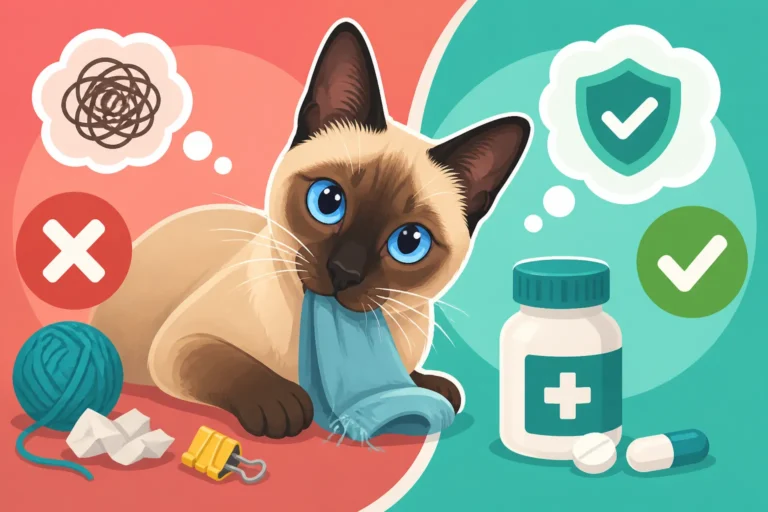
While wool sucking itself might seem harmless, the real danger arises when the cat actually ingests the fabric. This is where the behavior moves from a quirky habit to a serious medical emergency. Siamese cats often don't just suck; they chew and swallow.
Intestinal Blockages
The most critical risk is an intestinal blockage. Unlike hairballs, which cats can often vomit up, swallowed fabric does not break down in the digestive system. Pieces of yarn, thread, or fabric can form a foreign body, potentially getting lodged anywhere from the esophagus to the intestines.
- Symptoms: If your cat has ingested fabric and is developing a blockage, you might notice signs such as:
- Repeated vomiting, especially after eating or drinking.
- Lack of appetite or refusal to eat.
- Lethargy and weakness.
- Abdominal pain (your cat may resent being touched around the belly).
- Straining to defecate or producing small, hard stools.
- Weight loss.
- Emergency situation: An intestinal blockage is a life-threatening emergency. If you suspect your cat has swallowed fabric and is showing any of these symptoms, contact your veterinarian immediately. Do not try home remedies or wait to see if it passes. Signs a Siamese Cat Has an Intestinal Blockage lists these symptoms in more detail.
Surgical Intervention
If a blockage is confirmed through X-rays or ultrasound, surgical intervention is often necessary. This involves an exploratory laparotomy where the veterinarian opens the abdomen to locate and remove the foreign material.
- Complications: Surgery, while often successful, carries risks, including infection, anesthetic complications, and potential damage to the intestines. Recovery requires careful monitoring and pain management.
- Cost: Emergency surgery can be very expensive, adding a significant financial burden to the emotional stress of having a sick cat. This is why prevention and early management of wool sucking are so vital. What Blockage Surgery Involves for a Siamese Cat offers insight into the procedure and recovery.
Other Complications
Beyond blockages, continuous ingestion of fabric can lead to other issues:
- Dental problems: Constant chewing can wear down teeth or cause gum irritation.
- Gastrointestinal upset: Even if a full blockage doesn't occur, ingested fabric can cause chronic vomiting, diarrhea, or constipation, leading to discomfort and nutrient malabsorption.
- Choking hazards: Smaller pieces of fabric, especially string or yarn, can pose an immediate choking risk.
Understanding and Supporting Your Wool-Sucking Siamese
Living with a wool-sucking Siamese can be challenging, but it's important to remember that your cat isn't doing it out of spite or naughtiness. This is often a deeply ingrained, compulsive behavior that brings them comfort or fulfills an innate drive. Patience, consistency, and a proactive approach to management are your best tools.
Remember, a loving home environment, rich in stimulation and free from accessible fabric temptations, is the best gift you can give your Siamese. Regular veterinary care, open communication with your vet, and a willingness to explore various strategies will help you and your unique feline companion navigate this common, albeit peculiar, Siamese trait.
| Factor | Description | Management Strategy |
|---|---|---|
| Early Weaning | Premature separation from mother (under 8-12 weeks) can disrupt oral comfort development. | Provide safe, alternative chew toys (e.g., Kong, durable rubber toys from Amazon). Increase interactive play to redirect oral fixation. Offer comforting routines. |
| Genetic Predisposition | Siamese and related breeds have a higher inherent tendency towards pica, regardless of early environment. | Acknowledge this primary factor. Focus on environmental management to prevent ingestion. Provide abundant, appropriate enrichment. Consider veterinary behavioral consultation for severe cases. |
| Stress/Anxiety | Changes in routine, environment, new pets/people, or lack of social interaction can trigger anxiety, leading to self-soothing behaviors like wool sucking. | Maintain a consistent routine. Provide safe, quiet spaces. Introduce changes slowly. Use pheromone diffusers. Increase positive interaction and play. Consider a compatible companion. |
| Boredom/Lack of Enrichment | Highly intelligent Siamese cats need mental and physical stimulation; without it, they may develop compulsive behaviors. | Provide daily interactive play sessions (wand toys, laser pointers). Use puzzle feeders (available on Amazon) for meals. Offer vertical climbing spaces (cat trees, shelves). Engage in clicker training. Rotate toys to maintain interest. |
| Nutritional Deficiencies | (Less common with quality commercial diets) Rarely, a lack of certain nutrients (e.g., fiber) might contribute. | Consult your vet to rule out medical causes. Ensure a high-quality, balanced diet. Discuss if a high-fiber diet might be beneficial, under veterinary guidance. |
Disclaimer
This article is for general informational purposes only and does not constitute professional advice. Laws, prices and regulations vary by location and change over time. Consult a qualified professional for guidance on your specific situation.