Whether a Siamese Cat Eats What It Sucks
One of the most concerning behaviors for any Siamese cat parent, especially if you're new to the breed, is wool sucking or pica. You see your elegant, vocal companion intently kneading and mouthing a favorite blanket, a sweater, or even your hair, and a chill runs down your spine: are they actually eating it? This isn't just a quirky habit; it’s a genuine worry that can have serious implications for your cat's health, and it’s critical to understand the distinction between harmless sucking and dangerous ingestion.
Understanding Siamese Cat Wool Sucking and Pica
Let's be clear: wool sucking is incredibly common in Siamese cats and their related breeds. It's often seen as an almost endearing quirk, something that makes them even more unique. But beneath that seemingly innocent habit lies a potential for real trouble. The behavior itself is usually defined as the repetitive sucking, chewing, or mouthing of non-nutritive materials, primarily soft fabrics like wool, fleece, or blankets. When it escalates to consuming these items, that's when we start talking about pica, a more concerning medical or behavioral issue.
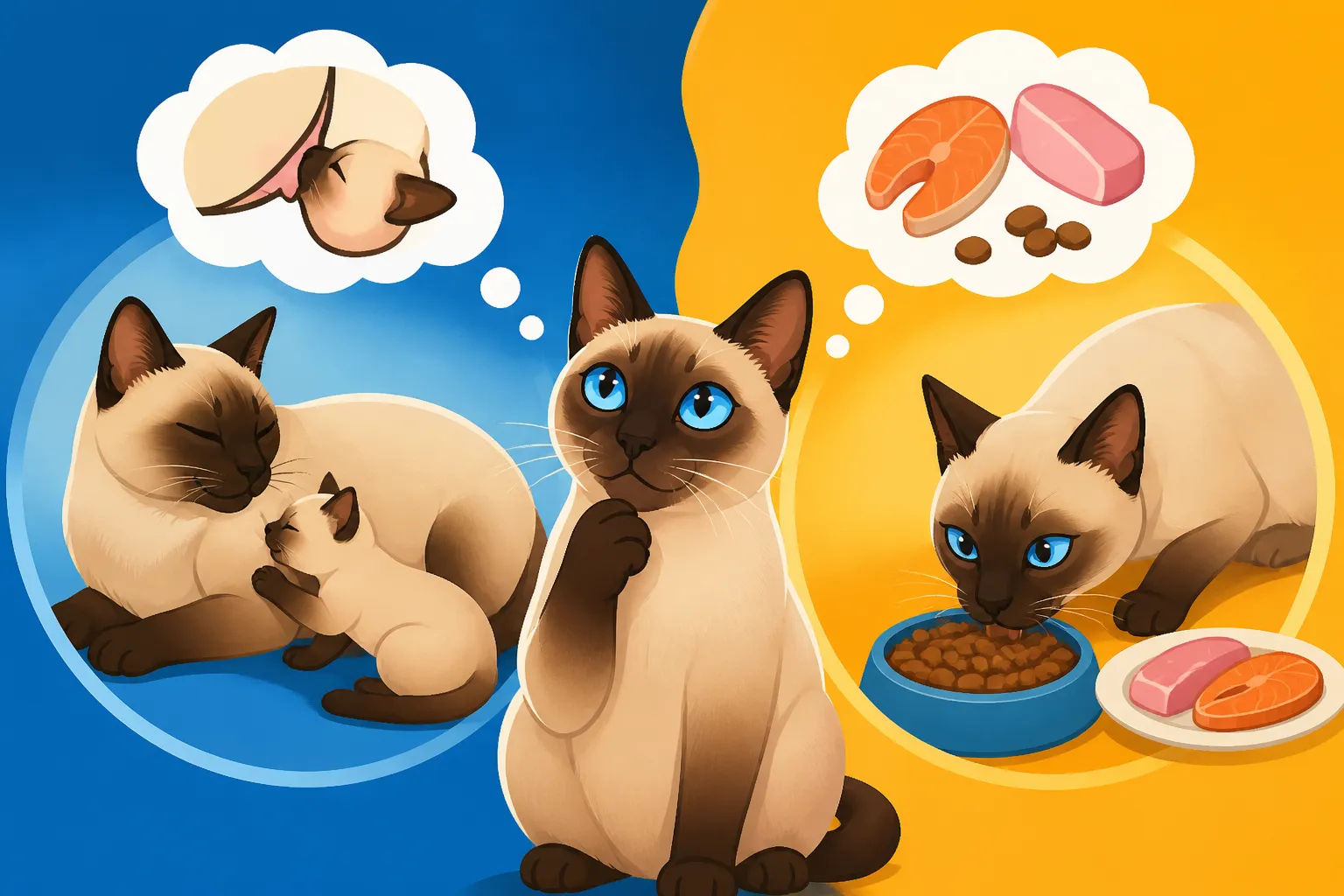
Many theories attempt to explain Why a Siamese Cat Sucks Wool. Some suggest it's linked to early weaning, where kittens are separated from their mothers too soon and don't get sufficient nursing time. The sucking motion can be a self-soothing mechanism, replicating the comfort of nursing. Other theories point to genetics, suggesting a predisposition within the Siamese breed. It's also often seen as a displacement behavior, a way for your cat to cope with stress, boredom, or anxiety. A Siamese cat is incredibly intelligent and thrives on interaction, so a lack of mental and physical stimulation can easily lead to these compulsive behaviors. Imagine being stuck in a tiny room with nothing to do all day – you'd find a way to entertain yourself, too, even if it's not the healthiest outlet.
The key difference here is intent and outcome. A cat that simply sucks on fabric, perhaps kneads it into a soggy mess but leaves it otherwise intact, is typically engaging in wool sucking. They're seeking comfort, releasing energy, or satisfying an oral fixation. This is generally not dangerous, though it can certainly be annoying for you when your favorite sweater ends up damp and stretched. However, when the behavior involves ingesting the fabric – meaning they're chewing off and swallowing pieces – then it's moved into the territory of pica, and that's when the alarm bells should start ringing. It’s a fine line, and often, owners don’t realize their cat is crossing it until physical symptoms appear. For more on the specifics of the habit, you might want to read Whether Wool Sucking Comforts a Siamese Cat.
Why Siamese Cats are Prone to Wool Sucking
The genetic predisposition theory for wool sucking and pica in Siamese cats is quite strong within the veterinary community. It's believed that a specific gene or combination of genes may make them more susceptible to these compulsive behaviors compared to other breeds. Think of it like certain dog breeds being prone to hip dysplasia – it's just part of their genetic makeup. This doesn't mean every Siamese cat will be a wool sucker, but the likelihood is higher.
Beyond genetics, their high intelligence and deep emotional needs play a huge role. Siamese cats are incredibly bonded to their humans and thrive on routine, interaction, and environmental enrichment. When these needs aren't met, they can easily become bored, stressed, or anxious, leading to coping mechanisms like wool sucking. It's their way of telling you something isn't quite right in their world. Maybe you've had a busy week and haven't engaged in as much playtime, or there's been a change in the household routine. These sensitive cats pick up on everything!
Distinguishing Sucking from Eating
This is where your keen observation skills come in. When your Siamese is "sucking," are they actually tearing off pieces? Do you find shreds of fabric around the house, or do the items they suck on appear diminished over time? It's not always obvious, especially if they're swallowing small pieces without visible damage to the item.
A good way to tell is to carefully inspect the fabric after a "sucking" session. Is it just wet, or are there noticeable tears, frayed edges, or missing chunks? If you regularly find small, damp pieces of fabric discarded or notice that a blanket they frequent seems to be getting thinner, it's a strong indicator that some ingestion is happening. It’s a bit like watching a toddler with a beloved soft toy – are they just comforting themselves, or are they slowly dismembering it?
Consider the material they're targeting. Which Fabrics a Siamese Cat Goes For can vary, but generally, soft, textured materials are favorites. If they're going for something that's easily shreddable, like a loosely knit sweater or a thin towel, the risk of ingestion is much higher than if they're just mouthing a dense, tightly woven blanket.
The Real Risk: When Sucking Turns into Swallowing
The moment a Siamese cat starts eating the fabric it sucks, the situation transforms from a behavioral quirk to a potential medical emergency. The biggest fear, and a very real one, is an intestinal blockage. Cats are not designed to digest fabric, and these materials can wreak absolute havoc on their delicate digestive system.
Imagine a long piece of thread, a thin strip of fabric from a blanket, or even a piece of elastic. When swallowed, these items become what veterinarians call "linear foreign bodies." They can get caught in one part of the intestine, while the rest of the intestine tries to move it along. This creates a terrifying "accordion" effect, where the intestine bunches up, becomes taut, and can even saw through the intestinal wall, leading to peritonitis – a severe and often fatal infection of the abdominal cavity. Even smaller, non-linear pieces of fabric can clump together to form a blockage, preventing food and water from passing through. This is why it's so important to monitor closely and understand the signs.
Why Swallowed Fabric is So Dangerous
The danger of swallowed fabric lies in its indigestibility and its physical properties. Unlike food, which is broken down by digestive enzymes and stomach acid, fabric remains intact.
- Linear Foreign Bodies: As mentioned, these are particularly lethal. A piece of string, ribbon, or even a long piece of thread can anchor itself in the stomach or at the base of the tongue, and as the intestines contract to move it, the string pulls tight, causing the intestine to gather and potentially tear. This is an extremely painful and life-threatening condition requiring immediate surgical intervention.
- Blockage: Even non-linear pieces can accumulate. Imagine a wad of cotton or a chunk of fleece. These can become too large to pass through the narrow confines of the intestinal tract, forming an obstruction. This prevents anything else from moving, leading to a backup of digestive contents, vomiting, dehydration, and a build-up of toxins.
- Perforation: Whether linear or a clump, any foreign body can put immense pressure on the intestinal wall, potentially causing it to rupture. A ruptured intestine spills bacteria and digestive fluids into the abdomen, leading to peritonitis, which is a severe medical emergency.
Signs a Siamese Cat Has Swallowed Fabric
Identifying the signs of an intestinal blockage can be tricky because cats are masters at hiding pain and illness. However, if you know your Siamese is prone to wool sucking, be extra vigilant for these symptoms:
- Repeated Vomiting: This is often the first and most obvious sign. Your cat might vomit shortly after eating or drinking, or even on an empty stomach. The vomit may contain food, bile, or even pieces of the fabric itself.
- Lethargy and Weakness: Your normally energetic Siamese might become unusually quiet, withdrawn, and sleep more than usual. They might be reluctant to play or engage.
- Loss of Appetite and Thirst: Refusal to eat or drink is a major red flag.
- Abdominal Pain: Your cat may resent being touched around the abdomen, or you might notice them hunching or guarding their belly. They might also appear restless, unable to get comfortable.
- Changes in Bowel Habits: This could mean no stool at all, or straining with little production. Diarrhea, especially if it contains blood or mucus, can also occur, particularly if the blockage is partial.
- Dehydration: Signs include tacky gums, sunken eyes, and poor skin elasticity (though this is harder to spot in cats).
- Pawing at the Mouth: Especially with linear foreign bodies anchored at the tongue, a cat might repeatedly paw at their mouth or drool excessively.
If you suspect your Siamese has swallowed fabric, or you see any of these signs, do not wait. This is a situation that requires immediate veterinary attention. You can learn more about specific symptoms in Signs a Siamese Cat Has an Intestinal Blockage.
What to Do If Your Siamese Cat Eats Fabric
Finding out or suspecting your Siamese cat has eaten fabric is a truly frightening experience. Your mind races with "what ifs" and "how bad is it?" The most important thing is to stay calm, but act swiftly. This is not a situation for a wait-and-see approach.
First and foremost, contact your veterinarian immediately. Don't try home remedies or induce vomiting unless specifically instructed to do so by a vet, as this can sometimes cause more harm than good, especially with linear foreign bodies. Explain what happened, what fabric you think they ingested, and any symptoms you've observed. Your vet will guide you on the next steps, which will almost certainly involve bringing your cat in for an emergency examination.
At the vet's office, they'll likely perform a thorough physical exam, paying close attention to the abdomen. They might take X-rays, which sometimes show foreign bodies, but often fabric is not radiopaque (doesn't show up well) on standard X-rays. In these cases, contrast studies (where your cat swallows a special liquid that shows up on X-rays) or an ultrasound might be necessary to locate the obstruction and assess the severity.
If a blockage is confirmed, treatment can range from endoscopic removal (if the object is still in the stomach or upper small intestine and can be safely retrieved) to emergency surgery. What Blockage Surgery Involves for a Siamese Cat is a major procedure, and it can be quite costly. The sooner the blockage is addressed, the better the prognosis for your cat. Delaying treatment significantly increases the risk of complications like intestinal perforation and peritonitis.
Veterinary Diagnostics and Treatment Options
When your vet suspects a foreign body, they'll move quickly to diagnose and treat it.
- Physical Exam: The vet will palpate your cat's abdomen, checking for pain, tenderness, or abnormalities. They might also check your cat's mouth and under the tongue for any string or thread caught there.
- X-rays (Radiographs): While fabric itself often doesn't show up, X-rays can reveal signs of an obstruction, such as gas patterns in the intestines, or the absence of normal digestive contents beyond a certain point. Sometimes, if the object is dense enough, or if it's accompanied by other ingested items, it might be visible.
- Contrast Study: If plain X-rays are inconclusive, your vet might perform a barium study. Your cat will drink a liquid contrast agent, and a series of X-rays will be taken over several hours. The barium will outline the digestive tract, and if it stops abruptly or moves abnormally, it can indicate a blockage.
- Ultrasound: An abdominal ultrasound is often the most effective diagnostic tool for detecting linear foreign bodies or other blockages. It allows the vet to visualize the intestines, check for bunching, and sometimes even see the foreign material directly.
- Endoscopy: If the foreign body is in the esophagus or stomach, a vet might be able to remove it non-surgically using an endoscope – a flexible tube with a camera and grasping tools. This is less invasive than surgery but isn't always possible if the object has moved further into the intestines.
- Surgery (Exploratory Laparotomy): This is often the necessary course of action for intestinal blockages. The surgeon will open the abdomen, locate the obstruction, and remove the foreign material. If a section of the intestine has been severely damaged or perforated, it may need to be resected (removed), and the healthy ends reconnected. This is why What a Siamese Cat's Blockage Surgery Bill Looks Like can be substantial, reflecting the complexity and urgency of the procedure.
Aftercare and Recovery
Recovery from blockage surgery requires careful nursing and management. Your cat will need pain medication, antibiotics, and often a restricted diet for a period. You'll need to monitor their appetite, activity levels, and ensure they're passing stool normally. It's a challenging time for both you and your cat, but with dedicated care, many cats make a full recovery. The experience should, however, serve as a stark reminder of the importance of preventing future ingestions.
Preventing Ingestion and Managing Pica in Siamese Cats
The best approach, of course, is prevention. If your Siamese cat shows any inclination towards wool sucking or pica, it's crucial to take proactive steps to minimize the risk of them ingesting dangerous materials. This involves a multi-faceted strategy addressing environmental factors, stress, and behavioral modification. Remember, Whether Pica Is a Medical Problem in a Siamese Cat is a serious question, and treating it requires a holistic approach.
The first step is a thorough "cat-proofing" of your home, especially if you know your cat tends to ingest fabric. This means removing tempting items from their reach. Think about what your cat usually goes for. Sweaters left on chairs? Blankets on the sofa? Socks or underwear from the laundry basket? All these items need to be put away securely. For example, if your cat is drawn to certain types of fabric, a quick search on Amazon for cat-proof storage bins might yield some good options to keep those items out of paw's reach.
Environmental Management and Enrichment
A bored Siamese cat is a mischievous Siamese cat, and a stressed Siamese cat is an anxious Siamese cat. Both can lead to destructive behaviors like pica. Environmental enrichment is key to keeping their intelligent minds and active bodies occupied.
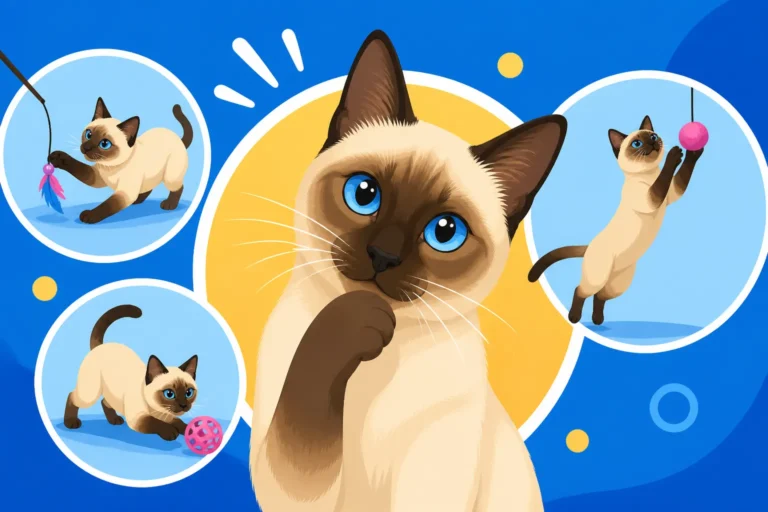
- Interactive Play: Siamese cats thrive on interaction. Dedicate at least two to three sessions of interactive play daily using wand toys, laser pointers (with a physical "catch" at the end!), or feather teasers. This helps burn energy and satisfies their predatory instincts. A variety of engaging toys, perhaps found on Amazon, can keep things fresh.
- Puzzle Feeders: These challenge your cat mentally by making them "work" for their food or treats. It's a fantastic way to combat boredom and redirect their energy. There are many options available, from simple treat balls to more complex feeders that require problem-solving skills.
- Vertical Space: Cats love to climb and observe their territory from above. Invest in tall cat trees, wall-mounted shelves, or catio enclosures. This provides a sense of security and entertainment. Again, Amazon has a wide array of What a Cat Tree for a Siamese Cat Costs and similar enrichment items.
- Safe Chew Toys: Offer alternatives to fabric. Look for cat-safe chew toys made from durable rubber or other materials designed for chewing. Some cats enjoy dental chews, which can double as a safe outlet for their oral fixation.
- Secure Storage: As mentioned, be diligent about putting away clothing, blankets, and anything else your cat might be tempted to suck or eat. This includes sewing kits, string, and small plastic items. How to Cat Proof a Home for a Siamese Cat should be an ongoing effort.
Dietary Adjustments and Stress Reduction
Sometimes, dietary changes are suggested to help manage pica, particularly if a nutritional deficiency is suspected, although this is less common with commercial cat foods.
- High Fiber Diet: Some vets recommend a diet higher in fiber, as it can help promote a feeling of fullness and potentially make fabric less appealing. Discuss this with your vet before making any drastic changes to your cat's food. Which Food Helps a Siamese Cat With Pica will be a specific recommendation from your veterinarian, as it's not a one-size-fits-all solution.
- Wet Food: Ensuring your cat is well-hydrated and fed a balanced diet, often with a good amount of wet food, can contribute to overall health and might indirectly help reduce compulsive behaviors stemming from discomfort.
- Reduce Stress: Identify potential stressors in your cat's environment. This could be a new pet, changes in routine, loud noises, or even a lack of attention. Feliway diffusers, calming supplements (always consult your vet first), or simply ensuring a consistent, predictable routine can help. Remember, your Siamese is highly attuned to your emotions, so a calm household can go a long way. If you notice your cat is particularly stressed, a discussion with your vet about How Psychogenic Alopecia in a Siamese Cat Is Treated might be useful, as stress is a common root cause for both conditions.
Behavioral Modification and Veterinary Consultation
While prevention is crucial, sometimes it's not enough, or the behavior is deeply ingrained.
- Positive Reinforcement: When you catch your cat sucking fabric, redirect their attention to an appropriate toy or activity, then reward them with praise or a treat when they engage with the alternative. Never punish them for wool sucking, as this can increase anxiety and worsen the behavior.
- Consistency: Everyone in the household needs to be on the same page regarding management and redirection. Consistency is key for any behavioral modification.
- Veterinary Behavioral Consultation: If the pica is severe, persistent, or leading to repeated ingestions, a veterinary behaviorist can be an invaluable resource. They can help identify underlying causes, develop a tailored behavior modification plan, and in some cases, recommend medication to reduce anxiety or compulsive tendencies. This might seem extreme, but your cat's health and safety are paramount.
By being observant, proactive, and working closely with your veterinarian, you can significantly reduce the risks associated with wool sucking and pica, ensuring your cherished Siamese lives a long, healthy, and happy life.
| Behavior Type | Characteristics | Primary Risk | Action Required |
|---|---|---|---|
| Wool Sucking | Kneading, mouthing, dampening fabric; no visible ingestion | Minimal (damaged items) | Enrichment, redirection, environmental management |
| Pica (Eating) | Tearing, shredding, swallowing pieces of fabric | Intestinal blockage, internal injury, surgery | Immediate vet visit, emergency medical intervention |
Disclaimer
This article is for general informational purposes only and does not constitute professional advice. Laws, prices and regulations vary by location and change over time. Consult a qualified professional for guidance on your specific situation.