Why a Siamese Cat Steals Small Objects
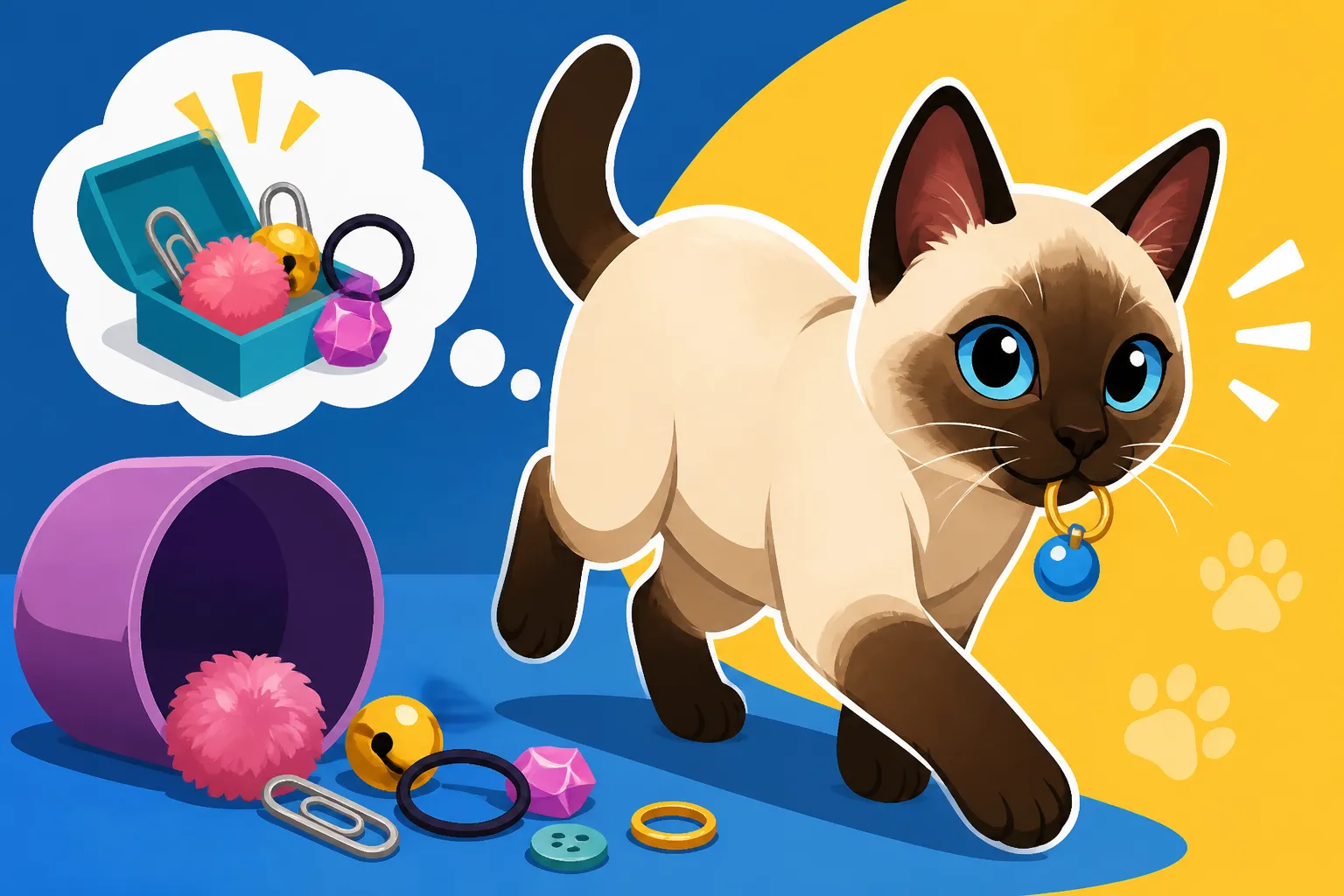
If you've ever frantically searched for your favorite hair tie, a crucial pen, or even a small piece of jewelry, only to find it later tucked away in your Siamese cat's secret stash, you know the unique blend of frustration and bewilderment that comes with sharing your home with these clever felines. It's not just a quirky habit; it’s a deeply ingrained behavior that can be baffling for us humans. This guide is here to shed light on exactly why your Siamese cat seems to have a penchant for petty larceny and, more importantly, what you can do to manage this charmingly mischievous trait.
The Instinctual Drive Behind Siamese Cat Theft
Siamese cats are known for their intelligence, vocalizations, and incredible bond with their humans, but they also carry a powerful predatory instinct. What might look like a simple act of "stealing" to us is often a complex interplay of natural behaviors rooted in their wild ancestors. Understanding these drives is the first step in decoding your little thief's motivations.
Hunting and Prey Drive Manifestations
Our sleek, elegant Siamese cats, despite their pampered indoor lives, are still apex predators at heart. Their ancestors hunted small prey, and this hardwired instinct manifests in many ways, including their fascination with small, movable objects. To a Siamese, that glittery hair elastic or wobbly bottle cap isn't just clutter; it's potential prey. They see it, they stalk it, they pounce, and then they "capture" it. This isn't necessarily about eating it, but about the satisfaction of the hunt and the successful "kill."
Imagine your Siamese, eyes narrowed, tail twitching, watching a tiny piece of crumpled paper. They might bat it around, toss it in the air, and then, with a swift movement, scoop it into their mouth and carry it off to their "den"—which might be under the sofa, in a shoe, or even in your bed. This entire sequence is a perfect mimicry of how a wild cat would engage with a rodent or bird. They’re practicing, honing those ancient hunting skills, even if their "prey" is just your forgotten bottle cap. This intense focus on tiny, movable items highlights just how strong their inherent drive is.
Boredom and a Need for Mental Stimulation
Siamese cats are famously intelligent and active. They’re not content to simply lounge around all day; they thrive on interaction, exploration, and mental challenges. A bored Siamese is a mischievous Siamese, and if you're not providing enough outlets for their considerable intellect and energy, they will absolutely find their own entertainment. Stealing small objects can be a self-directed game, a way to alleviate the monotony of a quiet house.
Think of it this way: if a child isn't given toys or activities, they might start poking things they shouldn't or drawing on walls. For a Siamese, your keys, pens, or coins become their impromptu puzzle. The act of discovering the item, figuring out how to pick it up, and then carrying it away provides a stimulating sequence of events. They are, in essence, creating their own scavenger hunt. This need for constant engagement is why it’s so important to provide Enrichment for a Siamese Cat That Gets Bored in an Hour. Without it, your prized possessions become fair game in their quest for excitement.
Attention-Seeking Behavior
Siamese cats are renowned for their highly social and communicative nature. They love being the center of attention and are not shy about demanding it. If they discover that picking up a small, forbidden item consistently results in you dropping everything to chase them, call their name, or even just make an exasperated noise, they've learned a valuable lesson: stealing gets them noticed. Any reaction, positive or negative, can be a form of reinforcement for them.
Consider the scenario: your Siamese picks up your earring, looks directly at you, and trots off. You might instinctively exclaim, "Hey! Drop that!" and pursue them. From their perspective, they initiated a fun game with you. You responded! The next time they crave interaction, they might go straight for another small, shiny object, knowing it's a reliable way to get you engaged. This is especially true for cats who are deeply bonded to one person, as described in How Attached a Siamese Cat Gets to One Person. They want to be part of your world, and sometimes, that means inserting themselves into your activities by "borrowing" your things.
Why Certain Objects Become Prime Targets
It's not just any object that catches a Siamese's eye; there's usually a method to their madness. Specific characteristics make certain items irresistible to these discerning feline kleptomaniacs. Understanding what makes these items so appealing can help you identify and secure potential targets.
Textures and Sounds That Appeal to a Siamese
Siamese cats have highly developed senses, and the tactile and auditory qualities of an object can be incredibly enticing. Items that are lightweight, make a crinkly sound when batted, or have an interesting texture are often high on their "to steal" list. Think about how a forgotten plastic bottle cap skitters across a tile floor or how a stray hair tie has that perfect stretchy-snappy quality. These sensory experiences mimic the movement and feel of small prey, activating their hunting instincts.
For instance, many Siamese cats are obsessed with hair ties. They're small, lightweight, easy to carry, and have a satisfying springy bounce when flicked. Keys jingle, pens roll, and jewelry glitters. Each of these attributes can make an item a miniature adventure in their eyes. They might mouth an item, test its elasticity, or listen to the subtle sounds it makes as they carry it. The more stimulating an object is to their senses, the more likely it is to become a prized possession in their secret hoard.
The Thrill of the Chase and "Capture"
Siamese cats are athletes, known for their agility and playful energy. Small, dynamic objects allow them to fully express their natural predatory sequence: stalk, chase, pounce, and "capture." The sheer physics of certain items makes them ideal for this instinctive play. A tiny toy mouse might be fun, but a real-world object that isn't meant to be a toy often offers a more unpredictable and thus more exciting experience.
Imagine a Siamese batting a bottle cap across the room, chasing it as it slides under furniture, and then triumphantly emerging with it in their mouth. This isn't just about possession; it's about the entire process. The object's size and weight make it perfectly suited for batting, tossing, and carrying, fulfilling their need for vigorous play and the simulation of a successful hunt. This thrill of the chase is a key part of why they engage in this behavior, contributing to their overall How Much Play a Siamese Cat Needs.
The Appeal of Human-Associated Items
Beyond their physical attributes, some objects become targets because they are intimately linked with you. Siamese cats form incredibly strong bonds with their human companions, often described as dog-like in their devotion. Your scent is comforting and familiar, and an item carrying that scent can be irresistible to them. It's like having a little piece of you to keep close, a tangible connection when you're not actively interacting with them.
This might explain why they often go for socks, small items from your desk, or even your wallet. These aren't just random objects; they're your objects. Collecting them can be a way for your Siamese to feel closer to you, especially if you've been busy or out of the house. It's a testament to their deep affection and attachment. Sometimes, it's not even about playing with the item, but simply about having it in their possession, a small, scented trophy of their bond with you.
Practical Strategies to Manage a Siamese Cat's Thieving Habits
While your Siamese's stealing habits might be charming in small doses, they can quickly become frustrating, especially when essential or valuable items go missing. The good news is that with a few proactive changes to your home and routine, you can significantly reduce their kleptomaniac tendencies.
Environmental Enrichment and Play
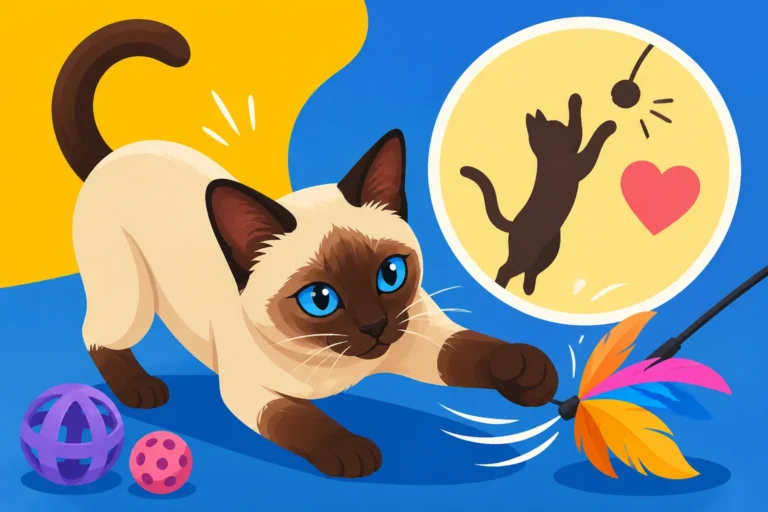
Since boredom and a lack of appropriate outlets for their energy are major drivers, boosting your Siamese's environment with engaging activities is paramount. This means more than just a few random toys; it means thoughtful, consistent enrichment. Regular, interactive play sessions with you are crucial. Use wand toys, laser pointers (but always end with a tangible toy they can "catch"), or fishing pole toys that mimic prey movement. Aim for at least two to three 10-15 minute sessions daily.
Beyond direct play, consider puzzle feeders where they have to work for their treats or kibble. This taps into their intelligence and hunting drive in a constructive way. You can find many excellent options on Amazon. Provide a variety of approved toys that appeal to their senses – crinkly balls, soft mice, bouncy springs. Rotating these toys keeps things fresh and exciting. If your Siamese is often left alone for long periods, you might even consider whether Whether a Siamese Cat Needs a Companion Cat could help alleviate boredom and loneliness. A well-stimulated Siamese is less likely to raid your belongings for entertainment, often preventing the destructive behavior outlined in What a Bored Siamese Cat Destroys.
Securing Valuables and Tempting Items
The most straightforward way to stop your Siamese from stealing certain items is to make those items unavailable. This requires a bit of cat-proofing foresight. Go through your home and identify all the small, tempting objects your cat might consider "prey." Think about hair ties, pens, jewelry, loose change, bottle caps, small craft items, and anything else they've shown an interest in.
Store these items in drawers, boxes with lids, or cabinets that your clever Siamese can't open (and trust me, they'll try!). Use clear storage containers so you can still see your items, but they remain out of paws' reach. Even something as simple as a designated tray for keys or a closed jewelry box can make a huge difference. Getting into the habit of putting things away immediately after use is key. For more extensive ideas, you might find inspiration in How to Cat Proof a Home for a Siamese Cat.
Here's a quick reference for common stolen items and potential storage solutions:
| Item Type | Why It's Appealing | Storage Solution |
|---|---|---|
| Hair Ties | Small, stretchy, bouncy, human-scented | Drawer, lidded container, dedicated hair tie holder |
| Pens & Pencils | Rolls easily, narrow, often left on surfaces | Pen holder in a drawer, desk caddy with a lid |
| Jewelry | Shiny, small, often has dangling parts, human-scented | Jewelry box, velvet pouch in a drawer, on a high shelf |
| Bottle Caps | Lightweight, slides, makes noise, often found on floor | Recycle immediately, covered trash can |
| Loose Change | Rolls, jingles, shiny | Piggy bank, coin jar with a tight lid, secure wallet |
| Small Toys | Easy to bat, carry, often squeaky | Toy basket (for their toys), secure bin (for kids' small toys) |
Redirection and Positive Reinforcement
When you catch your Siamese in the act, your reaction is crucial. Avoid yelling, chasing, or making a big fuss, as this can inadvertently reinforce the behavior by providing the attention they seek. Instead, calmly approach, and if the item isn't dangerous, try to distract them with an appropriate toy. Toss one of their approved toys across the room, encouraging them to chase that instead. When they drop your item and engage with their toy, offer praise or a small treat.
The goal is to teach them that playing with their toys earns positive attention and rewards, while playing with your forbidden items does not. If they're regularly stealing a particular type of item, make sure you have similar, cat-safe alternatives readily available. For example, if they love hair ties, offer them a small, stretchy, plastic spring toy from Amazon that has a similar texture and bounce. This strategy, combined with increasing overall Which Toys a Siamese Cat Actually Plays With, can gradually shift their focus.
When the Behavior Signals a Deeper Issue
While often just playful mischief, sometimes a sudden or excessive increase in stealing or hoarding small objects can be a subtle sign that something deeper is going on with your Siamese. As empathetic pet parents, it's important to know when to look beyond mere naughtiness.
Stress, Anxiety, or Undetected Pain
Cats, especially intelligent and sensitive breeds like the Siamese, are masters at masking discomfort or distress. A sudden onset of stealing or an escalation in the behavior could be a coping mechanism for underlying stress, anxiety, or even pain. Has there been a change in their routine? A new pet, a house move, or even a change in your work schedule can trigger anxiety in a Siamese. They might hoard items as a way to create a sense of security or self-soothe.
If you notice other behavioral changes alongside the stealing – such as changes in appetite, litter box habits, increased vocalization (beyond their usual chattiness), or aggression – it’s definitely time for a vet visit. These can be Signs a Siamese Cat Is Unwell that warrant professional investigation. Your vet can rule out any medical issues causing discomfort or discuss strategies for managing feline anxiety, which might indirectly address the stealing behavior.
The Link to Pica and Wool Sucking
Sometimes, the act of stealing can blur into a more serious behavioral issue known as pica, which is the compulsive eating of non-food items. While a Siamese stealing your pen and stashing it is one thing, a Siamese chewing on and ingesting your pen is quite another. Siamese cats are particularly prone to wool sucking and pica, and the line between carrying an object and consuming it can sometimes become dangerously thin.
If you observe your Siamese not just carrying items but also chewing on them extensively or actually swallowing pieces, it's a cause for concern. Ingested foreign objects can lead to serious health problems, including intestinal blockages that often require emergency surgery. This is a critical distinction from simple "theft." If you suspect your cat is eating stolen items, or if you notice signs of an intestinal blockage (vomiting, lethargy, loss of appetite), seek veterinary attention immediately. For more information on this specific behavior, you might want to read Why a Siamese Cat Sucks Wool or Whether Pica Is a Medical Problem in a Siamese Cat. This is not a behavior to ignore, as it can have severe health consequences for your beloved feline companion.
Disclaimer
This article is for general informational purposes only and does not constitute professional advice. Laws, prices and regulations vary by location and change over time. Consult a qualified professional for guidance on your specific situation.